


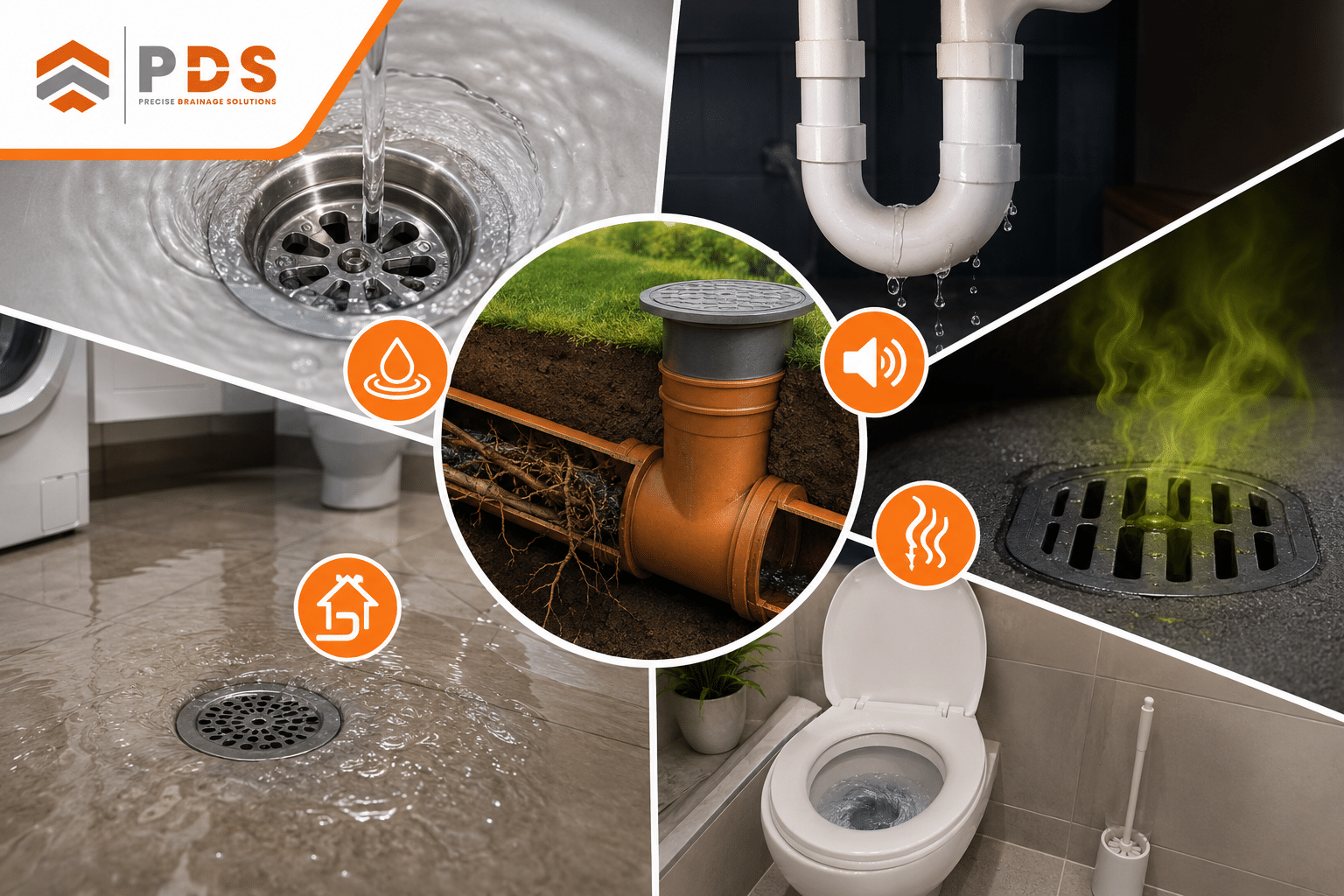
The clearest signs of a blocked drain are slow-draining water, gurgling pipes, bad smells, water backing up, and odd toilet water levels. Spot these early, and you can stop your underground drain from flooding or causing real damage.
“Did you know? According to a report by UNBLOCKTOBER, 53% have personally experienced a blocked drain in their household that required a plumber or professional to be called out.”
That’s a lot of households dealing with exactly what you might be facing right now. Once you know the signs of a blocked drain, you can act fast, before a small niggle turns into a proper problem.
Here’s a look at the five clearest warning signs, what usually causes them, and what to do next.
Key Takeaways
- Being able to catch signs of a blocked drain at the earliest stage can help you avoid flooding, expensive repairs, and extensive damage to underground pipes.
- Water not going down the drain, strange gurgling sounds, unpleasant odours, water backing up, and toilet bowl level fluctuation these are the signs that show the pipe is getting blocked.
- Typically, fat, oil, hair roots, leaves, and sediment clog the drains and the pipes below.
- Plumbers only help with small clog problems, and long-term problems at ground level and those below need to be checked by expert CCTV drain surveys.
- Routine drain maintenance and quick reaction will not only prevent clogging, but also save your home and avoid costly repairs.
How to Tell If Your Drain Is Blocked
A lot of people ask, “How do I know if my drain is blocked?” Truth is, the answer usually shows up well before the drain stops working altogether. Pipes tend to send out warning signals long before anything grinds to a halt. Catch them early, and you’ll save yourself a fair bit of hassle, not to mention money.

1. Slow-Draining Water
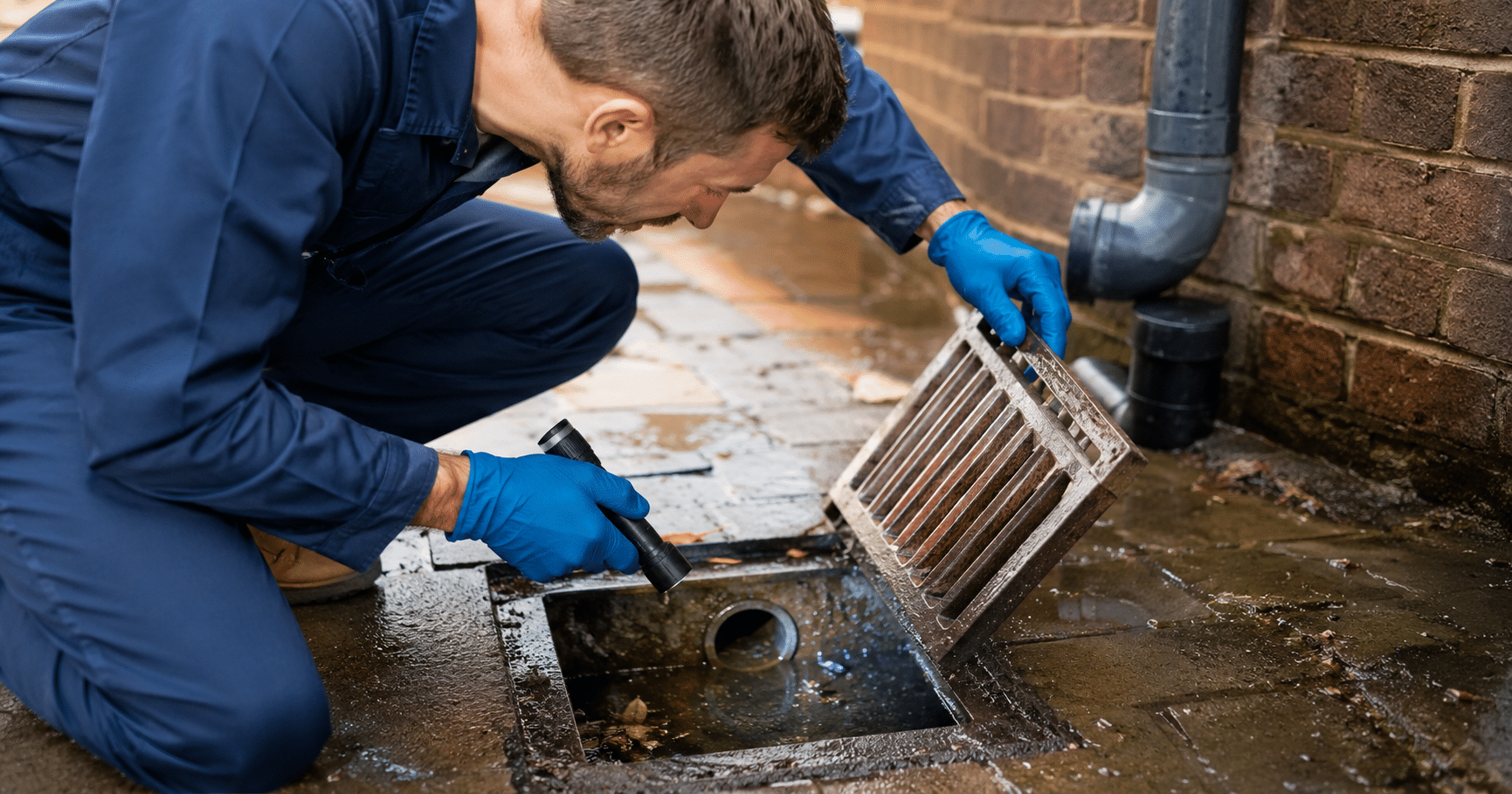
This is one of the earliest blocked drain symptoms, and probably the easiest to miss. Water in your sink, bath, or shower just takes longer to disappear than it used to. Sometimes it pools around your feet, or sits in the basin for a few minutes longer than it should.
Slow drainage happens because something’s partially blocking the pipe. Hair, soap scum, food waste, grease- all the usual suspects. Ignore it, and a slow drain will almost always end up fully blocked within a week or two.
If it’s happening in more than one spot in the house, chances are the blockage sits further down, closer to your underground pipework.
2. Gurgling Noises From Pipes
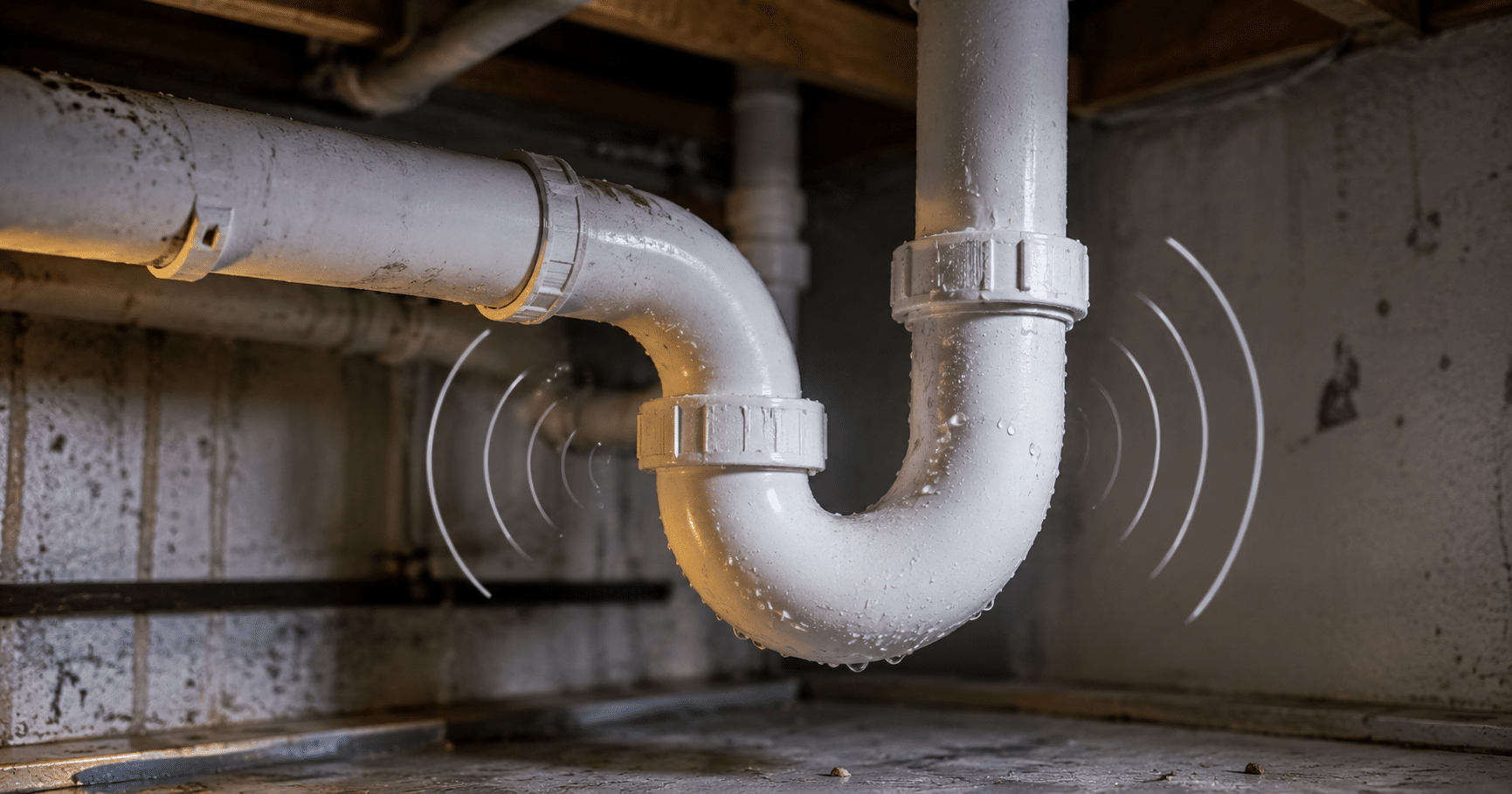
Odd gurgling sounds from your toilet, sink, or drain are a bit of a giveaway. It happens when air gets trapped behind a blockage and tries to force its way back up through the water.
You’ll usually hear it when:
- You flush the toilet
- You run a tap
- You empty the bath
- You put the washing machine or dishwasher on
The noise is basically your pipes telling you something’s not right, even if the water still seems to drain fine for now.
3. Bad Smells From Drains
A foul, sewage-like smell near your sink, shower, or outdoor drain isn’t something you can easily ignore. It happens when waste builds up inside the pipe and starts to decompose, sending gas back up into your home or garden.
Bad odours are one of the most common blocked drain symptoms, particularly with underground and outdoor drains. If the smell keeps coming back after you’ve cleaned, the blockage is probably sitting deeper than a bottle of drain cleaner can reach.
Smells that won’t shift can also point to a cracked pipe or a failing seal, so it’s worth getting someone to take a proper look rather than just masking it over and over.
4. Water Backing Up
Water rising back up through a plughole, toilet, or outdoor gully is a serious one. It means the waste has nowhere left to go, so it’s coming back the way it came.
This is often when people start googling “why is my drain blocked”, usually hoping for a quick fix. Backing up water tends to mean the blockage has become fairly severe by this point. It needs sorting quickly, before it causes flooding or damage inside the house.
Don’t brush this one off, even if the water eventually clears on its own. It’ll happen again, and next time it’s likely to be worse.
5. Fluctuating Toilet Water Levels
Next time you flush, keep an eye on the bowl. If the water rises higher than normal, or drops unusually low, that’s worth noting. Either pattern usually points to a blockage somewhere down the line.
People often miss this one because it seems harmless. But it’s actually one of the more reliable early signs of a blocked drain, especially for underground pipework tied into soakaways and sewer lines.
What Causes Blocked Drains?
Knowing what causes blocked drains goes a long way toward preventing them. Most blockages build up slowly over weeks or months, rather than happening overnight, which is exactly why the early signs matter so much.
Cause | How It Blocks the Drain |
Fat, oil, and grease | Sets hard inside pipes as it cools |
Wet wipes and sanitary items | Don’t break down, causing solid blockages |
Tree roots | Grow into underground pipes, cracking them |
Hair and soap scum | Builds up slowly in bathroom drains |
Leaves and debris | Clogs outdoor gullies and gutters |
Silt and ground movement | Affects soakaway and underground drainage |
Outdoor and underground drains have it worse in one sense: they’re harder to check on and easier to forget about. Roots, silt, shifting ground, all of it affects pipes you can’t see, which is exactly why regular checks matter more than most people think.
Why Is My Drain Blocked? Common Mistakes People Make
Plenty of homeowners make blockages worse without realising it. A few common ones to watch for:
- Pouring fat down the sink instead of binning it once it’s cooled
- Flushing wipes or cotton buds, even the ones marked “flushable”
- Ignoring slow drainage for weeks before finally calling someone
- Skipping regular maintenance on outdoor and underground drainage systems
- Reaching for strong chemical cleaners again and again, which can wear down older pipes
Small habits like these add up over time. Sort them now, and you’ll avoid bigger, pricier problems down the road.
What to Do Once You Spot the Signs
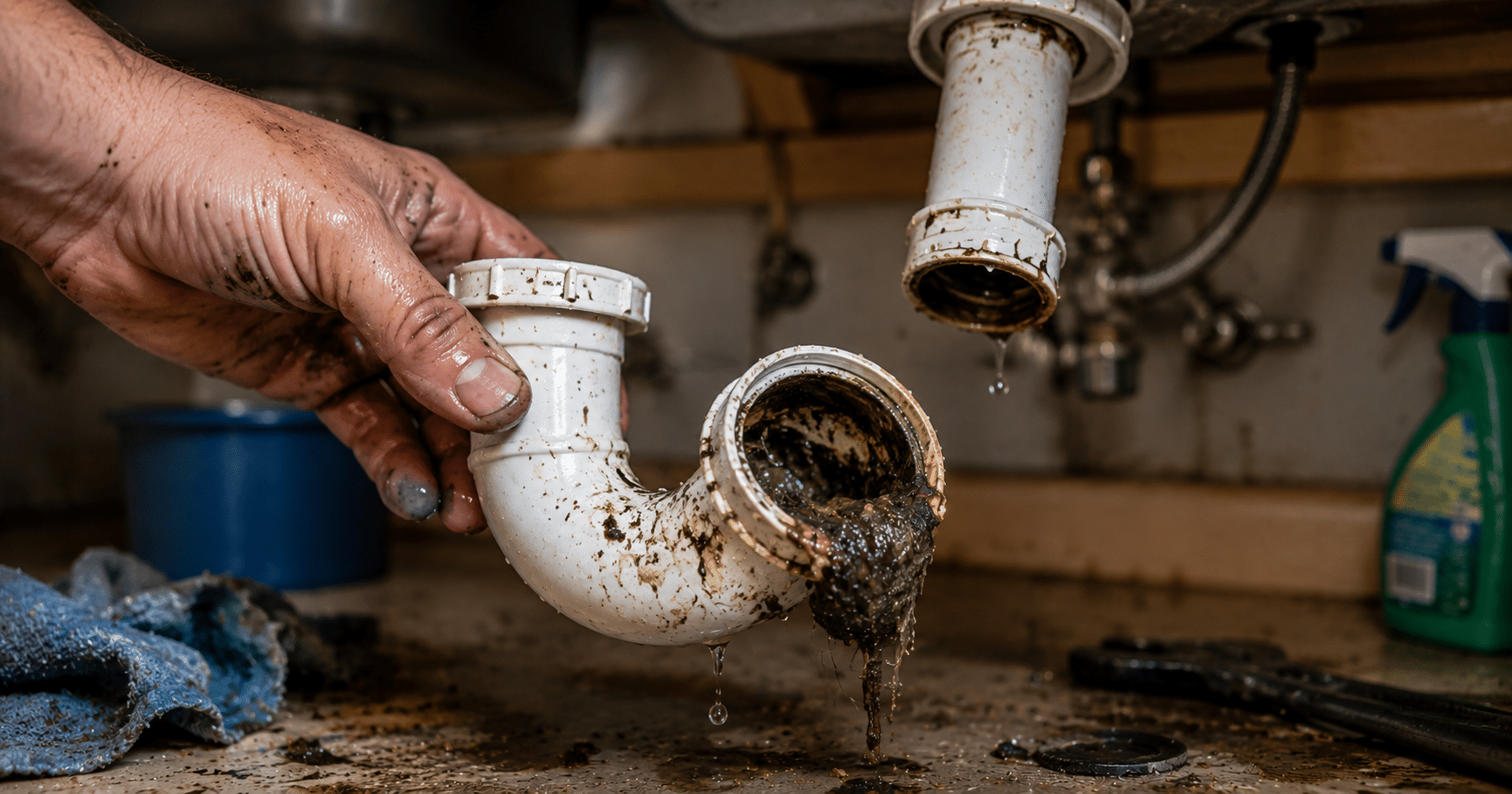
Noticed any of the signs of a blocked drain above? Don’t sit on it. Here’s where to start:
- Stop adding waste to the affected drain straight away
- Try a plunger on sinks, baths, or toilets showing slow drainage
- Check outdoor gullies for leaves, silt, or debris you can clear by hand
- Book a CCTV drain survey if the problem keeps coming back or sits underground
- Steer clear of heavy chemical cleaners, which can damage pipes without actually fixing anything
Pro Tip
Having dealt with domestic drainage issues for years, one thing stands out: the homes that avoid the big blockages are usually the ones that treat slow drainage as an early warning, not just a minor annoyance. Act on the first sign, and you’ll save yourself money and stress later.
Sort Your Drain Once and For All!
Catching the signs of a blocked drain early puts you back in control. There’s no need to wait until water’s backing up or your garden’s flooded. A quick check now could save you a costly repair down the line.
At Precise Drainage Solutions, our team gets to the bottom of blockages fast, using CCTV surveys to pinpoint the exact problem before it gets worse. If your drains are showing any of the signs above, get in touch today and let the experts take it from here.
Frequently Asked Questions
1. What are the most common signs of a blocked drain?
Slow drainage, gurgling noises, unpleasant smells, water backing up (i.e., flooding), and odd water levels in the toilet are the leading indicators. Getting the problem sorted out early should lead to a much smaller issue later and a cheaper fix.
2. How do I know if my drain is blocked underground?
Watch for signs such as water pooling in the garden, damp patches around the pipes, or the drains taking longer than usual to clear the water. With blockages happening underground, you can often first observe effects indoors.
3. What causes blocked drains most often?
Fat, oil, wet wipes, hair, and tree roots are behind most blockages. Underground drains also deal with silt build-up and shifting ground over time.
4. Can I unblock a drain myself?
A plunger or drain rod are sometimes sufficient to remove minor obstructions. Yet, if it’s a deep-seated block that hasn’t been exposed to the sun for ages, it’s going to require a professional CCTV survey to identify the true reason.
5. Why is my drain blocked even after cleaning it?
The blockage might be sitting further down the pipe than household tools can reach. A proper inspection can find hidden blockages that repeated cleaning just won’t touch.