


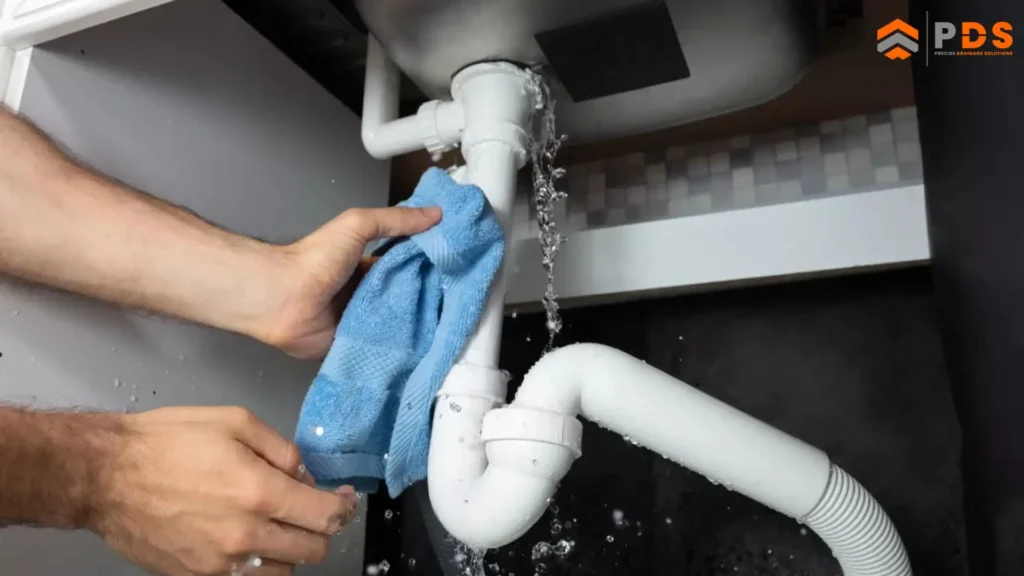

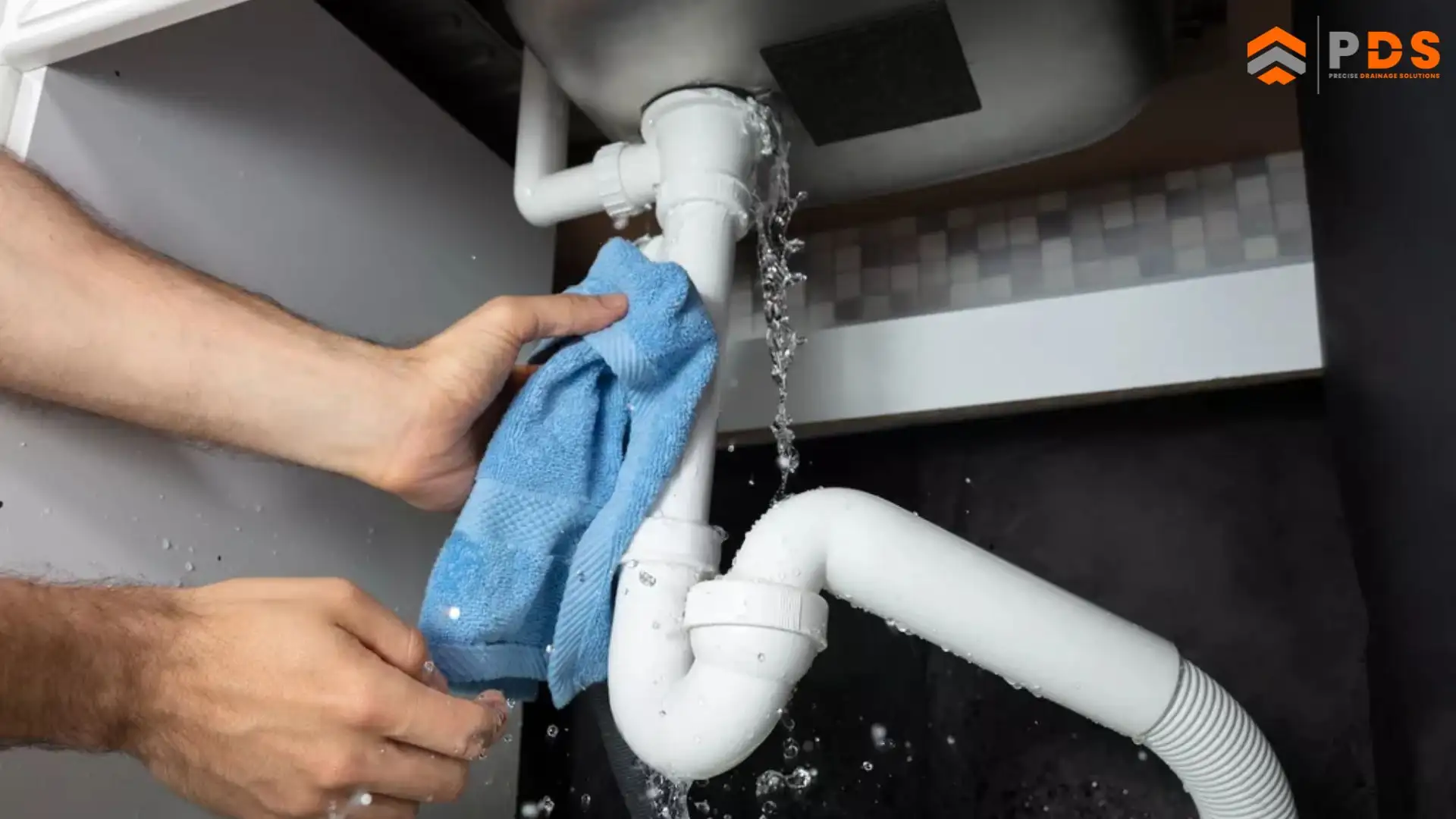
Drainage systems in the UK often face increased debris, runoff, and seasonal changes as the weather becomes colder and wetter. Getting ready early can help keep things running smoothly and ensure water flows steadily throughout winter. Without proper preparation, leaves and silt can quickly build up and lead to a blocked drain pipe, especially during heavy rainfall. Property owners who include drain maintenance services in their autumn preparations often have a clearer understanding of how their systems are performing before temperatures drop.
Did You Know? “According to Water UK, sewer blockages frequently result from fats, oils, grease, and non-flushable materials entering drainage systems, with increased rainfall and debris contributing to seasonal strain.”
Autumn preparation is therefore less about reacting to problems and more about reducing conditions that allow them to develop. Support at Precise Drainage Solutions typically involves examining the situation and providing practical recommendations based on observations.
Key Takeaways
- Autumn preparation helps reduce winter drainage disruption.
- Preventive care finds problems before they get worse.
- Regular maintenance helps keep the water flowing.
- Structured evaluation is needed for persistent symptoms.
- Early action supports long-term drainage reliability.
Why autumn preparation matters more than most people think
Most of the time, drainage systems don’t break down all at once. More often, problems happen slowly as trash builds up and water flow slows down. Getting ready for the season helps you spot early warning signs and makes performance more reliable.
Autumn maintenance often fits in with bigger plans for seasonal home maintenance, especially when more rain and falling leaves make it harder for water to drain outside.
Your 10-step checklist for getting ready for fall drainage
1. Inspect external drainage points
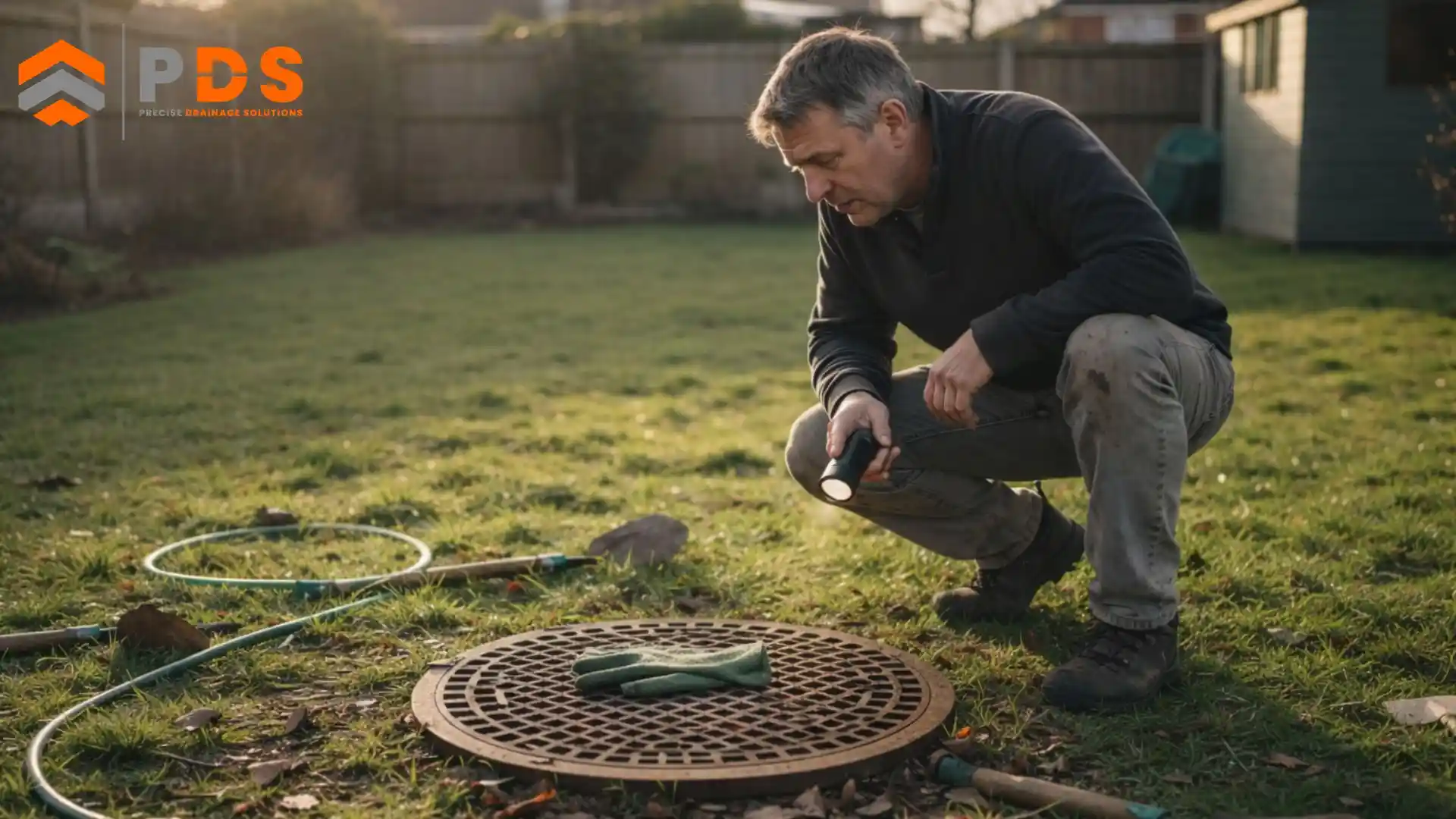
Check gullies, covers, and surface channels for visible debris or standing water. Early detection may help prevent clogging drains caused by gradually accumulated material.
2. Remove debris from accessible openings
Where it is safe and accessible to do so, remove any leaves, debris or build-up that may be restricting water flow. This simple preventative step is commonly included in routine DIY drain maintenance and can significantly reduce the risk of ongoing problems, particularly if you are experiencing a recurring drain blockage.
3. Monitor water flow consistency
Check to see if water flows normally from sinks, toilets, and outside channels. A slower flow could mean that the pipes are getting more restricted.
4. Review household disposal habits
Don’t throw away grease, food scraps, or other things that can’t be flushed down the toilet because they could cause future blockages.
5. Check connected pipe performance
If more than one fixture is draining slowly, it could mean a developing blocked drain pipe rather than a localised issue.
6. Include drainage in your home maintenance checklist
Adding drainage checks to regular property inspections helps make sure that problems don’t get missed when getting ready for the seasons.
7. Manage external water pathways
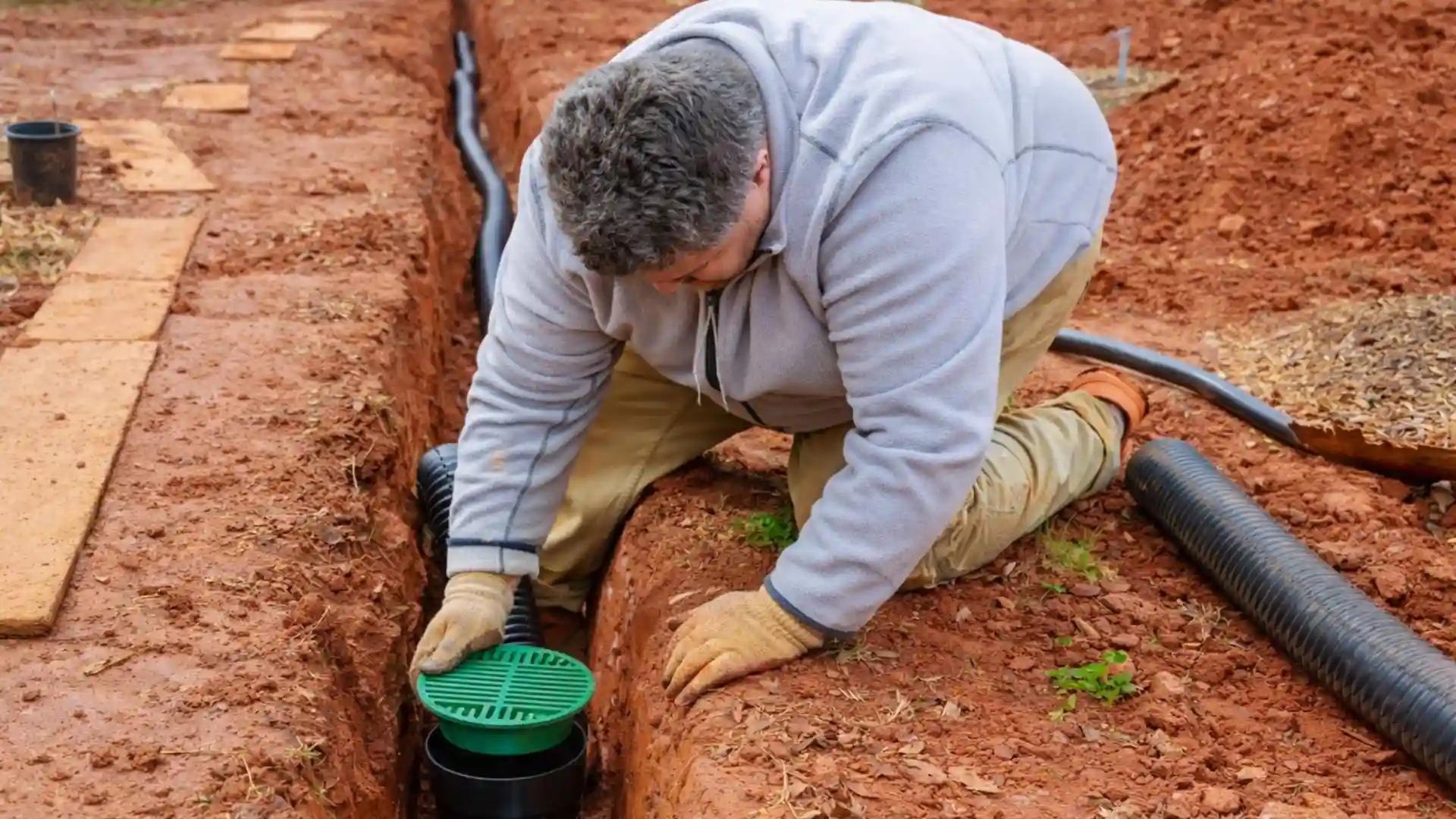
Make sure that water runoff doesn’t go straight into drainage openings during heavy rain.
8. Prepare for colder conditions
External maintenance steps such as cleaning gutters before winter may help reduce excess debris entering drainage systems.
9. Monitor for recurring symptoms
Don’t ignore smells, gurgling sounds, or water backup that happen over and over again, even if they go away for a while.
10. Consider structured inspection if issues repeat
If symptoms don’t go away or the system condition is unclear, a professional evaluation may help find the root causes instead of just clearing the surface.
Temporary clearing vs preventative planning
Approach | Focus | Typical Outcome |
Reactive clearing | Removes immediate obstruction | Short-term improvement |
Seasonal monitoring | Identifies early warning signs | Reduced disruption risk |
Inspection-led assessment | Evaluates system condition | More informed decision-making |
If you’re not sure how well your drainage system works, structured drain maintenance services may help keep it reliable over time by carefully evaluating it instead of just fixing it when something goes wrong.
How getting ready for autumn helps you get through winter
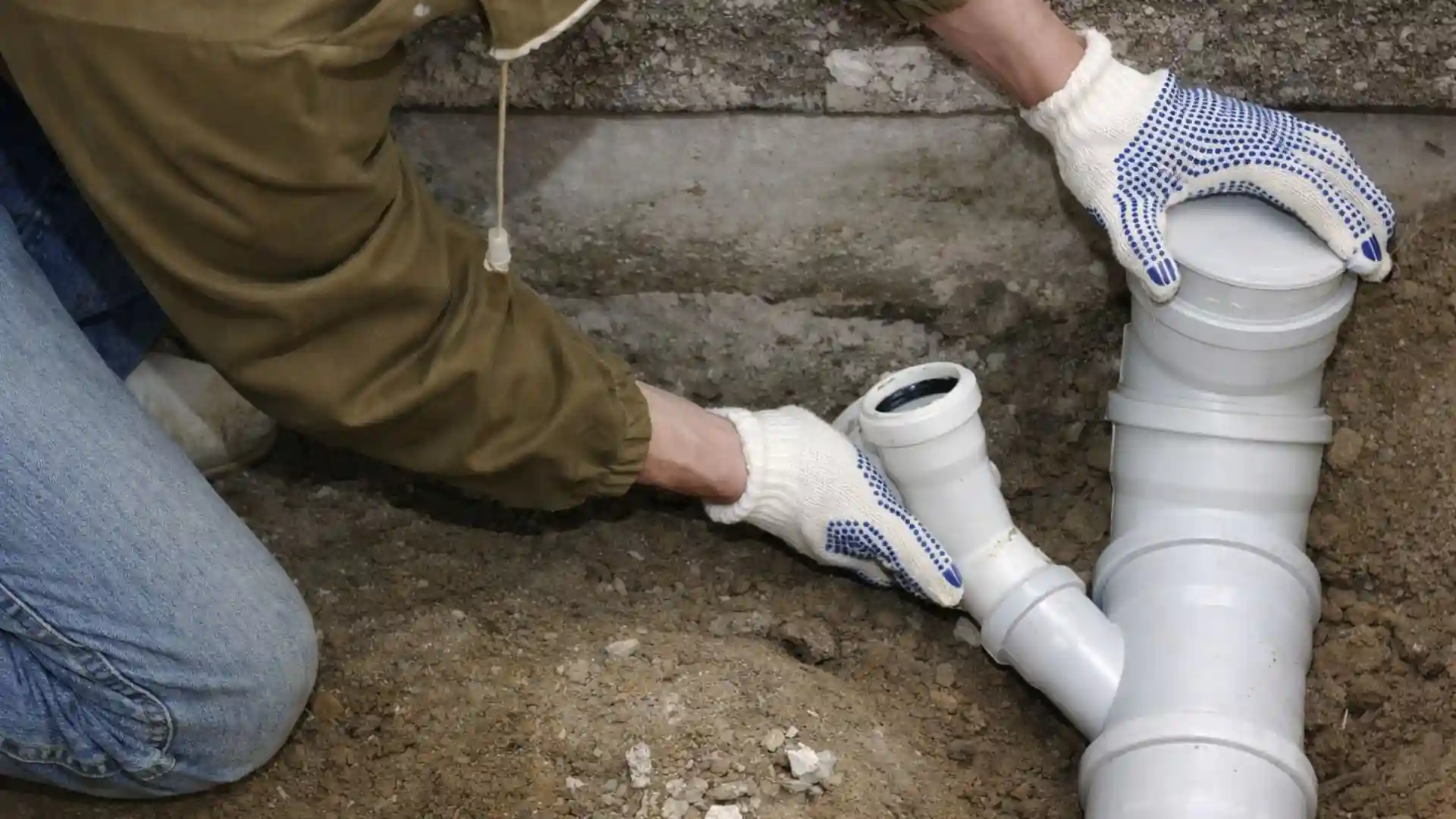
When it’s cold outside, drainage problems can get worse. When it rains a lot or the temperature changes a lot, it may be easier to see blocked pipes, debris buildup, or inadequate flow management.
Some families check their drains as part of their regular emergency drain situations to make sure their systems work well when the weather changes.
Cleaning gutters in the winter, when it’s safe and appropriate, is another part of outside maintenance. This helps manage runoff and keep debris out of drainage pathways.
When preventative care may not be enough
While preparing for the seasons can reduce the risk, regular care alone cannot prevent all drainage problems. You may need to do more research on structural conditions, environmental factors, or long-term buildup.
Professional support is commonly considered when:
- Blockages return quickly after clearing
- External drainage shows repeated restriction
- Water flow problems affect multiple fixtures
- System condition remains uncertain despite maintenance
Taking preventative steps works best when you know how the system works
Practical habits that help drainage work well over time
Even though getting ready for winter in the autumn is important, having consistent habits all year can help drainage systems work better.
Helpful practices may include:
- Monitoring early warning signs
- A fall maintenance checklist for homes should include drainage.
- Avoiding disposal of inappropriate materials
Targeted evaluation helps us move from making guesses to making decisions based on facts when problems keep happening.
Prepare Your Drainage System Before Winter Arrives
Understanding the current state of the system makes seasonal preparation more effective. Structured inspection helps property owners identify issues before they escalate into significant problems.
Based on observed findings, Precise Drainage Solutions offers inspection-led support and useful recommendations. If autumn checks reveal recurring concerns, arranging a professional assessment may help protect your drainage system before winter conditions intensify.
Frequently Asked Questions
1. Why is autumn drainage maintenance important?
Getting ready for autumn helps you spot early warning signs and keep debris from building up before winter puts more stress on the system and the environment.
2. Can seasonal checks prevent all drainage problems?
No. Preventative care lowers the risk, but it can’t get rid of structural or environmental factors that affect how well drainage works.
3. How often should drainage systems be inspected?
People usually think about inspection when symptoms come back, water flow slows down, or the system’s condition is not clear.
4. What causes most seasonal drainage issues?
Debris buildup, blocked flow, and increased rainfall often cause seasonal drainage problems.
5. When should professional support be considered?
Professional assessment may be necessary when blockages are persistent, impact multiple fixtures, or fail to respond to standard maintenance.