



Drainage problems typically do not occur suddenly. In many cases, they start out as small blockages inside the pipe and get worse over time. If homeowners see that their drains are draining slowly, smell strange, or have standing water, it could be a sign that they need to fix blocked drain pipes before the problem gets worse.
“Did you know, according to UK water authorities, there are roughly 200,000 sewer blockages each year in England and Wales, and up to 75% are caused by fats, oils, and grease entering the drainage system? If not promptly addressed, these blocks can result in flooding, unpleasant odours, and costly repairs.”
Getting to know Property owners can act quickly and stop bigger structural damage if they know the causes and early warning signs. When it comes to drainage problems, Precise Drainage Solutions takes a close look at the issue and comes up with practical solutions that cause the least amount of trouble and get the flow back to normal in both residential and commercial drainage systems.
Key Takeaways
- Small drainage problems often become major issues if ignored.
- Grease, wipes, and debris are the most common blockage causes.
- Early inspection can prevent costly pipe damage.
- Outdoor drain issues often require professional equipment.
- Regular maintenance helps avoid emergency drainage repairs.
What usually causes a drainpipe blockage?
Understanding what causes a blocked drain pipe is often the first step toward prevention. Most of the time, blockages happen slowly because of everyday habits or the normal wear and tear of the drainage system.
Common causes include:
- Grease, oils, and food waste poured down sinks
- Wet wipes, sanitary products, or paper towels flushed into pipes
- Tree root intrusion into underground pipework
- Scale, sediment, or debris accumulating inside pipes
- Collapsed or misaligned pipe sections
These problems can eventually stop water from flowing and create a persistent drain pipe blockage that may affect sinks, toilets, and outdoor drains.
Related Blog: Why Does My Drain Keep Blocking? Breaking the Recurring Blockage Cycle
Early warning signs you shouldn’t ignore
A lot of property owners ignore small problems until they turn into big plumbing problems. Recognising these early signs can help prevent major problems with the building.
Look out for:
- Slow-draining sinks or bathtubs
- Persistent unpleasant odours near drains
- Gurgling sounds from pipes
- Water backing up in fixtures
- Overflowing outdoor drains
If these problems appear repeatedly, they may mean developing blocked drains somewhere in the system.
Simple steps for drain pipe cleaning at home
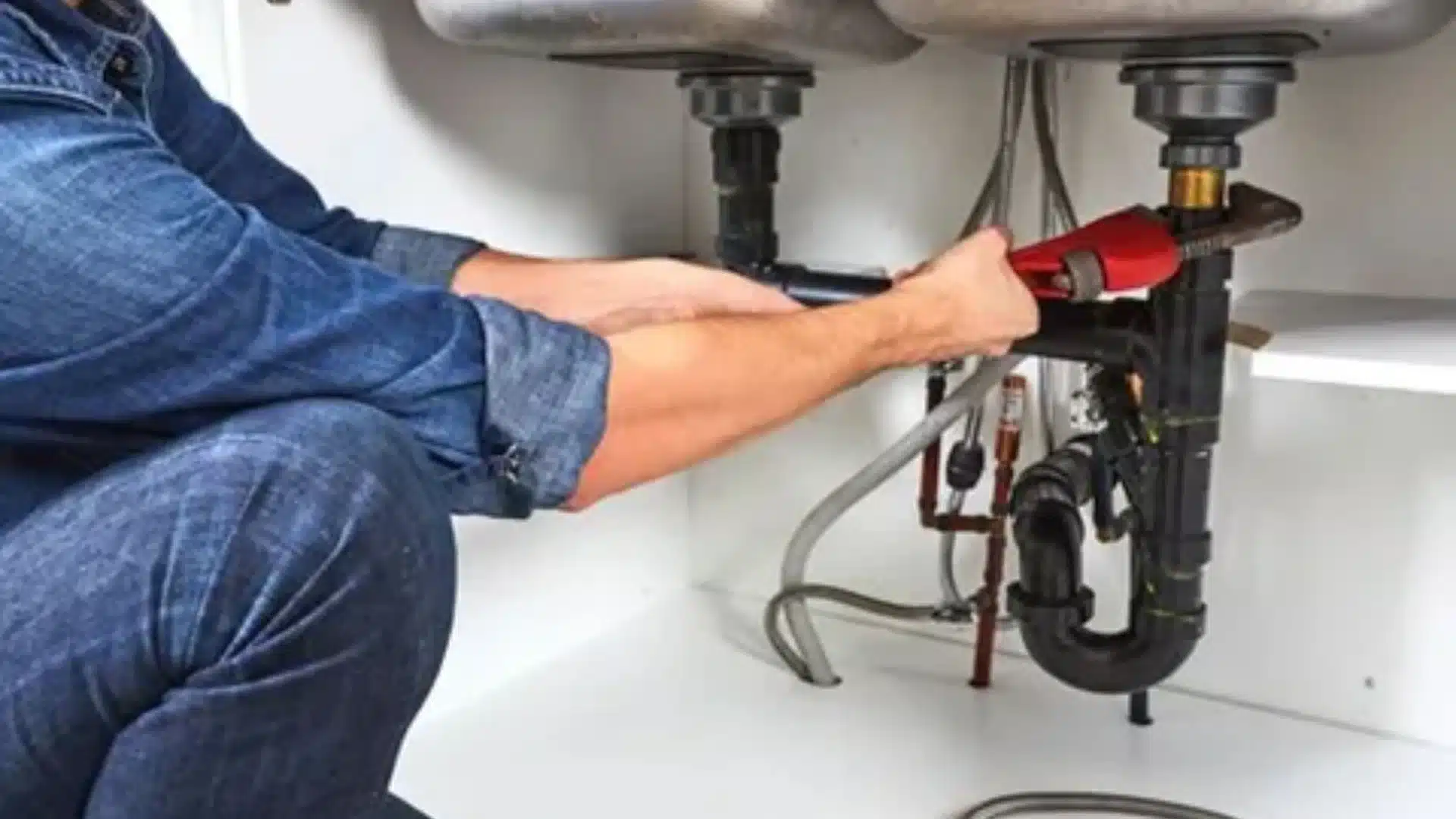
Some simple maintenance tasks can sometimes fix minor blockages and get the flow back to normal.
Basic home remedies
- Use boiling water combined with washing-up liquid
- Try a plunger to loosen minor obstructions
- Remove visible debris from sink strainers
- Use a drain snake or manual auger
These methods can sometimes help with light drain pipe cleaning and improve water flow temporarily.
But they might not completely fix deeper problems inside the system.
What to do if the problem is outside your property
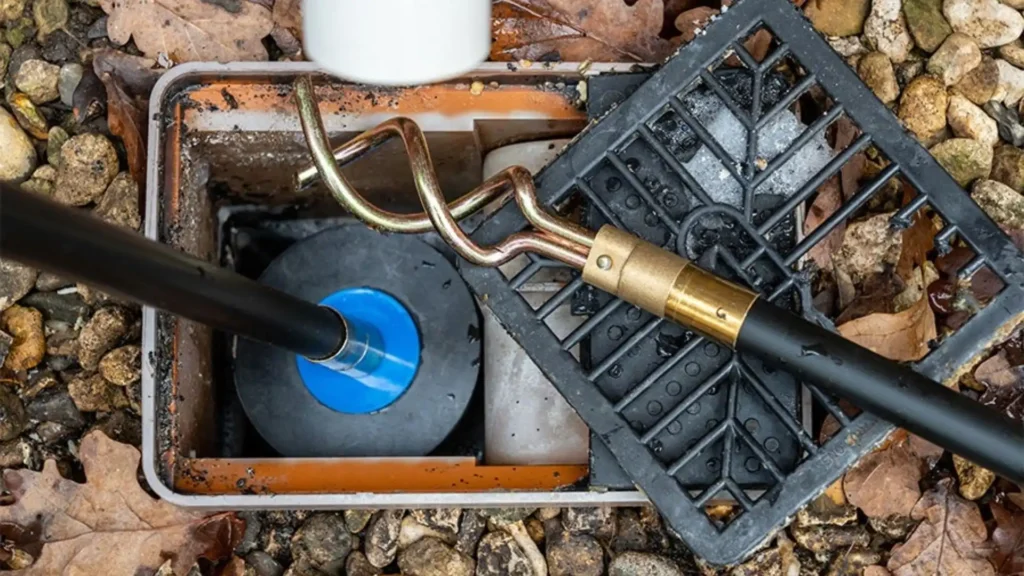
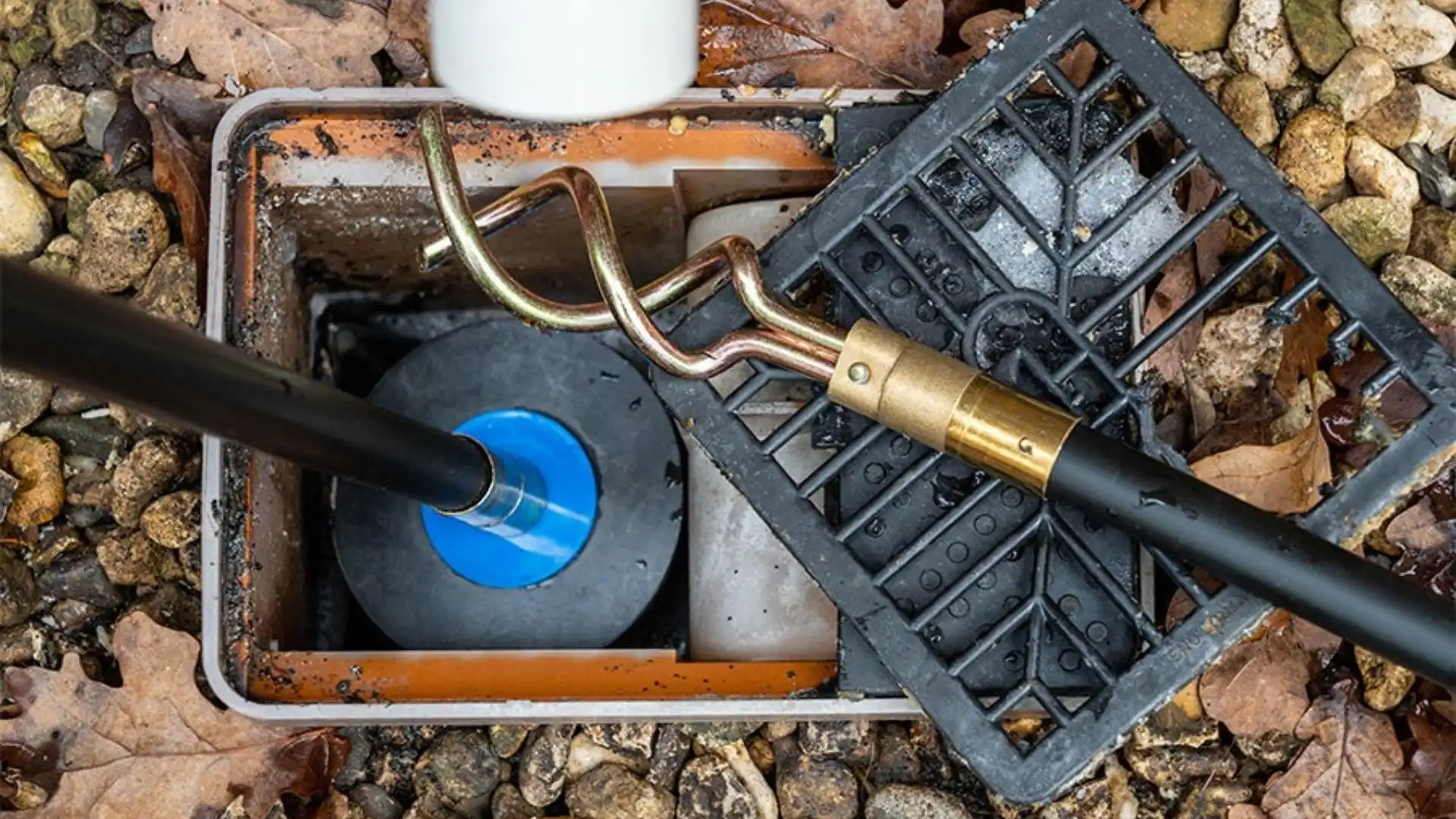
Sometimes the issue originates in the external drainage system rather than indoor plumbing. A blocked drain pipe outside the house can lead to flooding near gullies, driveways, or gardens.
Signs of an outdoor problem include:
- Water pooling around inspection chambers
- Overflowing external drains
- Strong sewer odours outdoors
- Slow drainage across multiple fixtures
In these cases, it is usually best to have a professional check the condition of the underground pipes.
When professional drain pipe unblocking becomes necessary
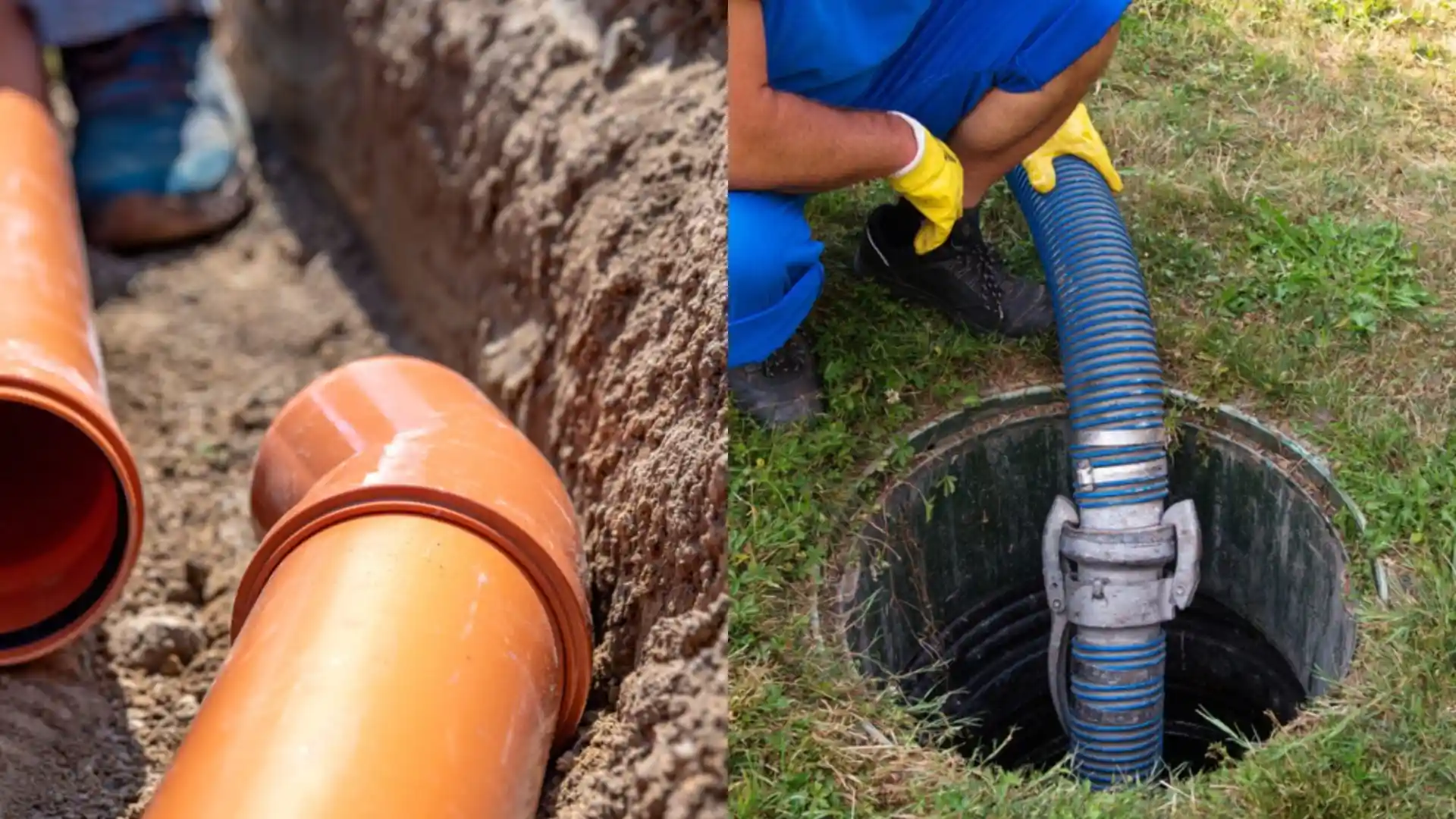
Some blockages can’t be cleared with tools you have around the house because they start deeper in the drainage system.
Professional drainage engineers might use special methods like:
- High-pressure water jetting
- Mechanical cutting equipment
- Advanced inspection cameras
- Targeted blocked pipe repair
These methods are meant to get the flow back to normal and find out if more structural repairs are needed.
Fixing a clogged drain pipe yourself or hiring a Pro
Situation | DIY Attempt | Professional Service |
Minor kitchen sink blockage | Often possible | Usually unnecessary |
Recurring slow drainage | Temporary solution | Recommended |
Outdoor drain overflow | Difficult | Professional inspection advised |
Structural pipe damage | Not possible | Requires drain pipe blockage repair |
This comparison shows why it’s best to deal with ongoing problems right away, before they turn into bigger drainage problems.
Preventive habits that help reduce blockages
Preventative maintenance is often the simplest way to reduce the likelihood of serious drainage problems.
Consider adopting these habits:
- Avoid pouring cooking grease into sinks
- Use drain strainers to capture food debris
- Dispose of wipes and hygiene products in bins
- Set up regular inspections for older buildings
- Fix slow drainage right away
These steps might lower the chance of blockages happening again and help keep drainage working well over time.
Why early action helps fix blocked drain pipe efficiently
If you wait too long to fix things, blockages can get bigger and hurt the pipes.
Early intervention can:
- Reduce the risk of pipe collapse
- Prevent sewage backflow into properties
- Avoid expensive excavation work
- Protect landscaping and foundations
- Extend the life of the drainage system
It is usually much cheaper to fix small problems early than to deal with emergency drainage repairs later.
Why homeowners trust Precise Drainage Solutions for reliable drainage help
If you don’t pay attention to or misdiagnose drainage problems, they can get worse very quickly. Addressing the problem early is often the most practical way to fix a blocked drain pipe before it causes property damage or health concerns.
At Precise Drainage Solutions, drainage experts work to find the main cause of blockages and suggest the best solutions for each property. The goal is to fix the flow of water while causing as little disruption as possible, whether the problem is with the pipes inside or outside.
If you see signs of slow drainage or repeated blockages, contact Precise Drainage Solutions right away to set up a professional drainage assessment and keep your property safe from expensive damage.
Frequently Asked Questions
1. What is the most common reason for a blocked drain pipe?
Grease, food scraps, wet wipes, and things that don’t belong are common causes. These things build up inside pipes and eventually stop water from flowing.
2. Can I attempt a blocked drain pipe fix myself?
Plungers or drain snakes may work for small clogs. If blockages happen a lot or don’t go away, a professional should look at them to find out what’s really wrong.
3. How do professionals perform drain pipe unblocking?
Engineers can use high-pressure water jets, mechanical cutting tools, and cameras to look inside pipes to find and fix problems.
4. What signs indicate a drain pipe blockage outside the house?
If you see standing water near drains, bad smells outside, or several slow fixtures, it could mean that a drain pipe outside your house is blocked.
5. How often should drainage systems be inspected?
Most properties can benefit from inspections every few years or after blockages happen again and again. This can help find problems early on before they get worse.