



A bathroom drain smell that won’t go away is more than just annoying; it could mean that waste is stuck, water isn’t flowing well, or there are problems with your drainage system’s ventilation. A lot of property owners notice that smells get stronger before they see any visible blockage.
“Drain odour complaints are common across UK properties. According to UK water industry guidance, fats, oils, and improper waste disposal are major contributors to drainage disruptions and sewage-related odours nationwide.”
At Precise Drainage Solutions, we don’t make assumptions about drainage problems; instead, we look at the symptoms and what we find during an inspection. Finding out what caused the problem helps you figure out the best way to deal with it.
Key Takeaways
- Drain odours often indicate underlying system issues
- Temporary fixes may not resolve root causes
- Multiple affected fixtures suggest wider drainage problems
- Inspection helps identify the true source
- Early evaluation may mitigate disruption.
What actually causes drains to smell?
Bad smells in drains often come from things that stop the flow of water or let gases escape back into the house.
Common underlying causes
- Waste buildup inside pipe walls
- Reduced water seal in traps
- Blockages further along the system
- Ventilation imbalance in pipework
- Organic debris decomposition
When a foul smell coming from a drain persists, it usually means that waste is stuck somewhere in the system instead of just being on the surface.
When drains smell foul throughout the property
Sometimes odours are isolated, but in other cases, drains smell bad across multiple fixtures. These conditions could mean that there is a problem with the whole system, not just one local blockage.
- Odours appear in multiple rooms
- The smell gets stronger after using water.
- Odour comes with slow drainage.
- Pipes make gurgling sounds.
Structured inspection is often helpful for system-wide symptoms to figure out if the problem is caused by buildup, an obstruction, or an imbalance in ventilation.
Why kitchen and bathroom drains develop odours differently
The smell of drains changes depending on what kind of waste is going through them.
Typical sources by location
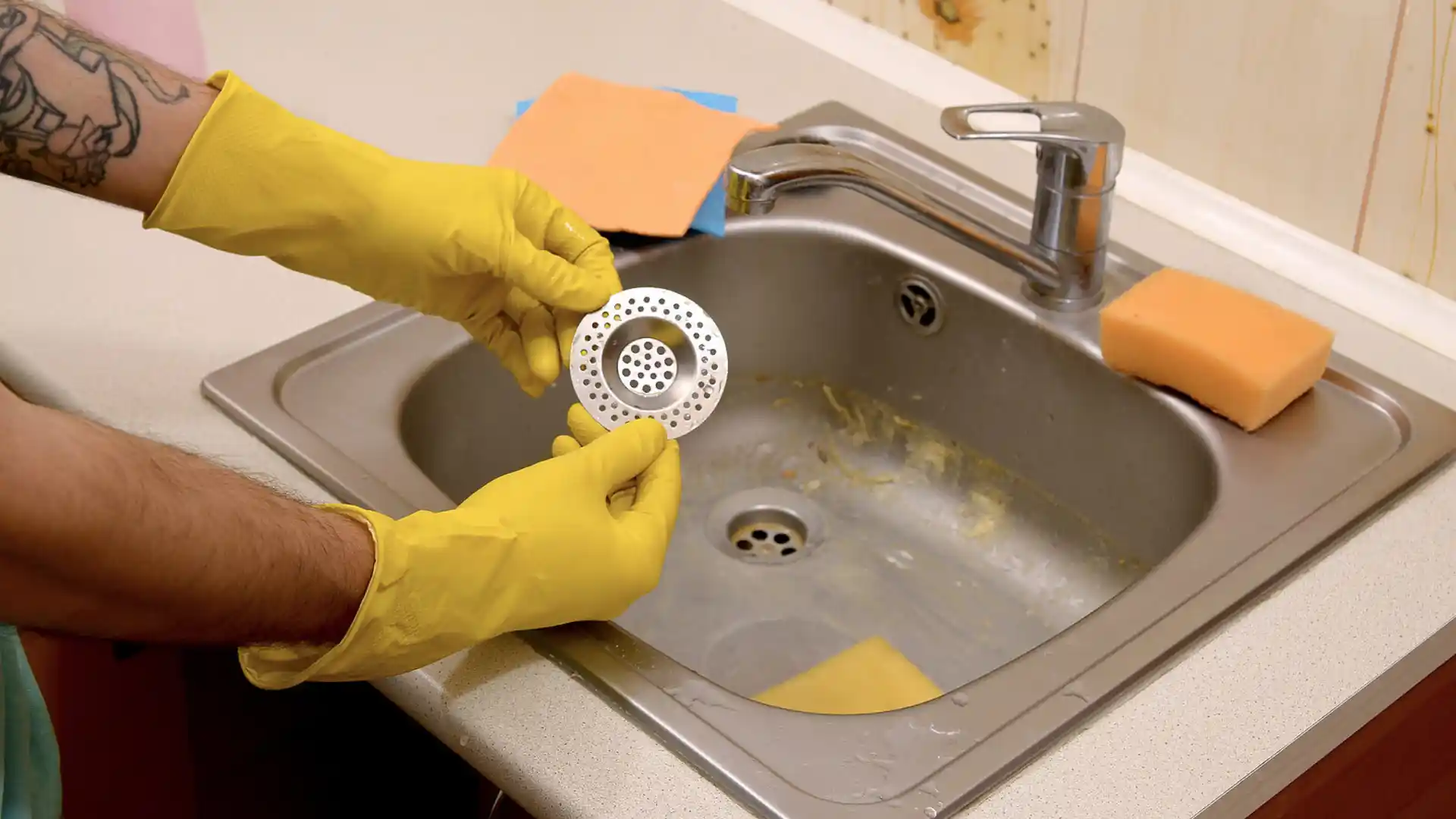
- Food particles and grease make the kitchen sink smell foul.
- Organic waste and soap residue make the bathroom smell unpleasant.
- When people use less water, gases can move back through pipes.
Understanding where the smell originates helps guide appropriate assessment.
When odours may indicate a deeper drainage issue
Sometimes, more complicated system conditions come with smells that won’t go away.
Warning signs requiring closer assessment
- Repeated blockages with smell
- Slow drainage that affects more than one fixture
- Problems with drainage that are easy to see
- Strange sounds of pressure in pipes
A sewer gas smell may mean that gases are stuck and can’t get out properly through ventilation pathways in some cases.
Why temporary fixes don’t always solve the problem
When smells come up, many property owners try home remedies like chemical products or a toilet clog remover. These methods may help for a short time, but they don’t always fix the root problems.
In the same way, situations that need an emergency toilet unblock may fix the immediate problem of flow restriction but not figure out what caused it.
Surface treatment vs diagnostic approach
Approach | Focus | Likely Outcome |
Household treatment | Mask or loosen residue | Temporary improvement |
Inspection-led evaluation | Identify root cause | More informed solution |
Persistent odours often necessitate a systematic approach instead of continual superficial treatments.
How professional assessment helps identify the source
When smells don’t go away even after cleaning, an inspection can help determine if the problem is behavioural, structural, or environmental.
Professional evaluation may involve:
- Looking at patterns of symptoms
- Checking drainage points that are easy to get to
- Finding areas that are likely to be blocked
- Suggesting specific steps to fix the problem
In some situations, professional drain cleaning may be recommended based on observed buildup rather than assumed causes.
When to consider professional support
You may wish to seek assessment if:
- smells come back quickly after cleaning
- The way the drainage works changes a lot.
- Several fixtures are impacted
- External drainage is acting strangely.
Persistent odours frequently signify conditions that require meticulous assessment rather than continuous intervention.
When a recurring bathroom drain smell continues despite routine cleaning, it usually means there is a problem with the drainage system itself, not just the surface.
Restore fresh, reliable drainage conditions
Pay close attention to persistent smells, especially if they return soon after cleaning. A recurring bathroom drain odour is usually a sign of an underlying drainage issue, not something that can be permanently fixed with surface-level treatments. Repeatedly masking the smell often allows the real problem to worsen over time.
Precise Drainage Solutions carries out a thorough inspection to identify the root cause and provide practical, long-term recommendations. If your property has a persistent drainage smell, a professional assessment can restore your system’s proper function and give you clear guidance on the next steps.
Contact us today to schedule a professional drainage inspection and eliminate the problem at its source.
Frequently Asked Questions
1. Why does my bathroom drain smell foul even though it's clean?
Odours may come from deeper in the pipes, where buildup, trapped waste, or an imbalance in ventilation lets gases flow back through the drainage system.
2. Can a drain that smells foul mean that it is blocked?
Yes. Even before a blockage is visible, unpleasant smells often come with restricted flow or trapped waste.
3. Are smells from drains bad for you?
Most smells mean that the system is out of balance, not that there is an immediate danger. However, smells that don’t go away should be looked into and fixed.
4. Will cleaning products get rid of drain smells for good?
Cleaning the surface may help for a short time, but if the odours keep coming back, you may need to find and fix the drainage problem.
5. When should I call in a professional to help with drainage?
If smells don’t go away, get worse, or happen with slow drainage or repeated blockages, a professional can help you figure out what to do.