


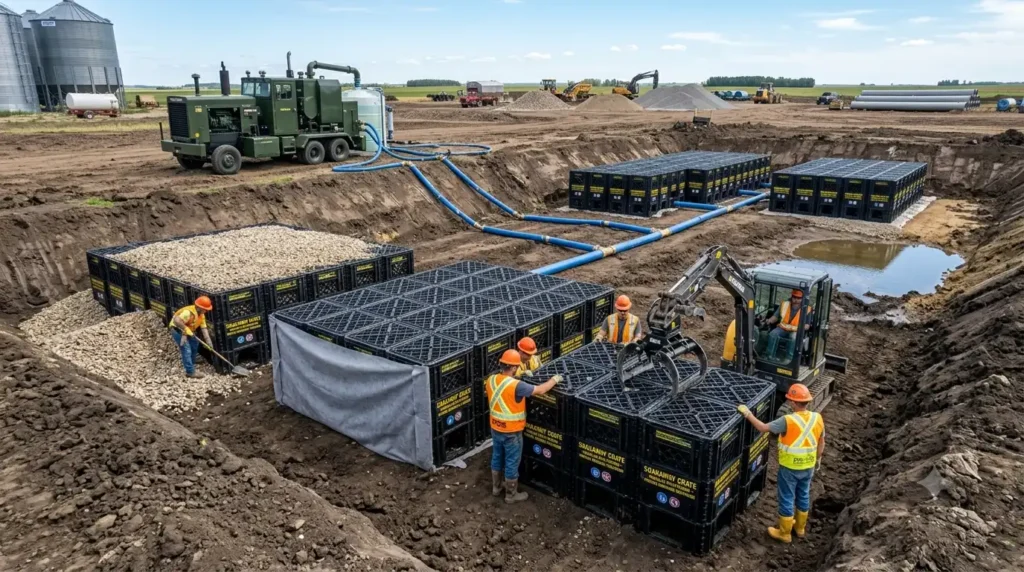

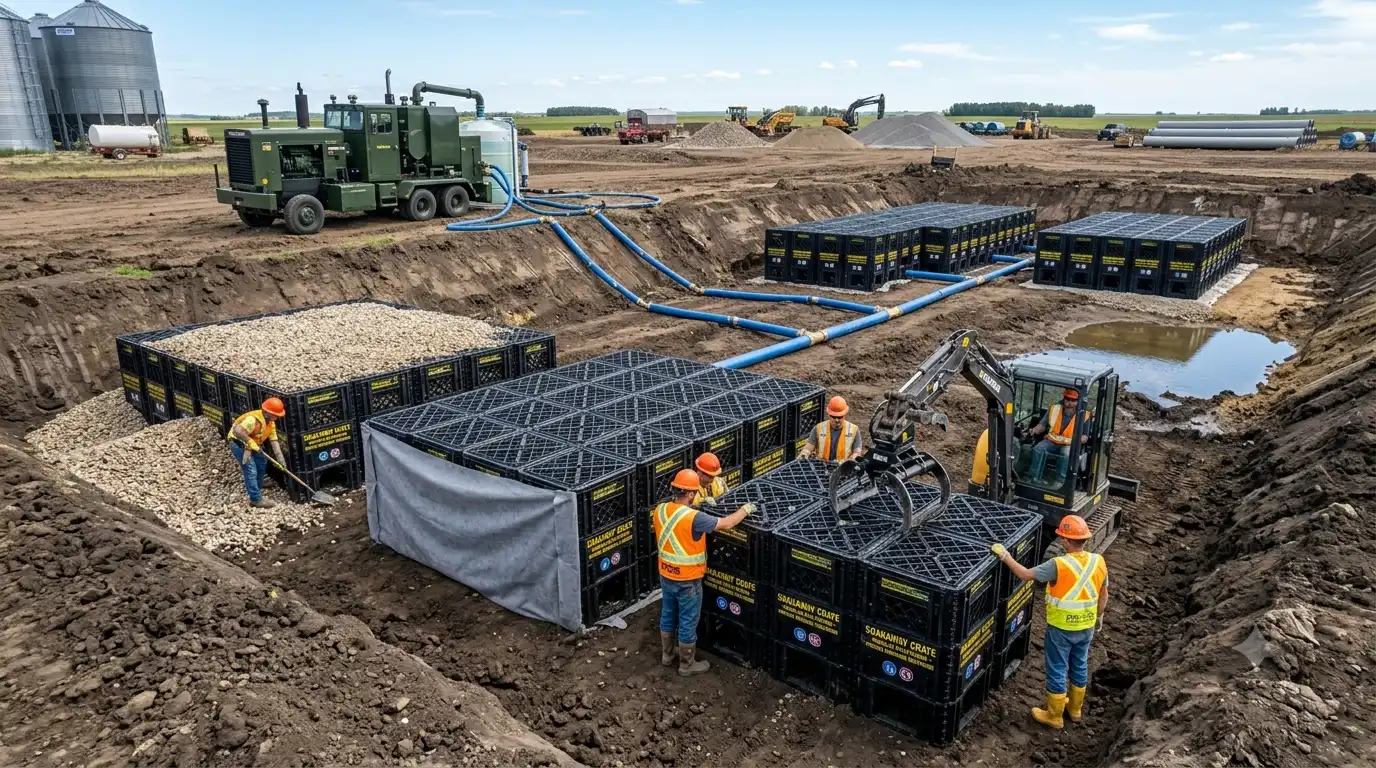
A soakaway is designed to control excess rainwater by allowing it to filter slowly into the ground, rather than overloading surface drainage. When installed properly, it can help reduce standing water and improve drainage around a property. However, poor design or incorrect installation can create avoidable drainage issues. The first step in creating an effective and reliable drainage solution is to understand the essentials of installing a soakaway.
Did you know? The UK Environment Agency highlights that surface water flooding can occur when rainfall cannot drain away effectively, reinforcing the importance of appropriate surface water management.
Here at Precise Drainage Solutions we help home and business owners make the right drainage choices with expert assessments and effective solutions for proper surface water management.
Key Takeaways
- A soakaway should always be designed around the property’s drainage needs.
- Installers must check the ground conditions prior to starting installation.
- Proper positioning will eliminate drainage problems in the future.
- Professional installation adds to the system’s reliability.
- A soakaway will work well with simple maintenance.
What Is a Soakaway and Why Is It Used?
Many property owners ask, ‘What is a soakaway drain?’ when considering ways to manage rainwater more effectively.
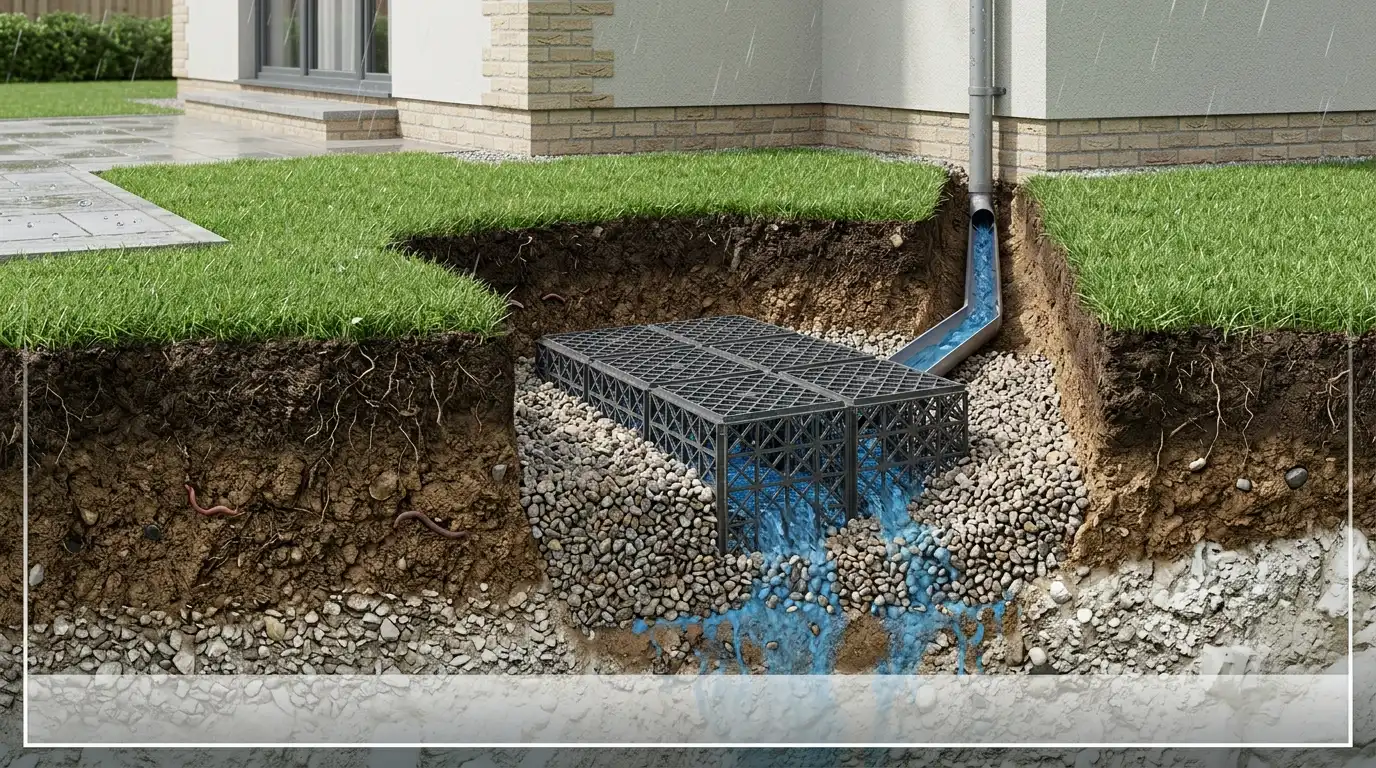
A soakaway is an underground structure to collect surface water and distribute it naturally into the surrounding soil. It is temporarily retained and not drained directly into the public drainage system. The water then percolates gradually into the soil.
It helps reduce the stress on traditional drainage systems and improves the management of rainwater on the property.
Why Choosing the Right Location Is Essential
Selecting the correct location is one of the most important decisions in the installation of a soakaway.
The site should consider adjacent buildings, underground utilities, existing drainage infrastructure, property lines and natural flow of water through the site. If you install a soakaway in the wrong location, it may be less effective and create drainage problems elsewhere on the property.
A well-chosen location gives the system the best chance to perform as designed.
Should You Test the Ground First?
A soakaway system is not suitable for all properties.
The ground conditions determine how much water the surrounding soil can soak up. An important part of the decision-making process is testing the permeability of the soil, as heavy clay soils typically drain much more slowly than free-draining soils.
Ground conditions should be assessed prior to installation to determine whether a soakaway is suitable and to help choose the best drainage option.
What Does the Installation Process Involve?
Many homeowners wonder how to install a soakaway correctly.
A cautious approach to each installation stage results in a drainage solution that works efficiently and fits in seamlessly with existing drainage networks.
While each project is different, the installation process usually involves:
- Assessing the site
- Testing soil permeability
- Excavating the required area
- Installing the soakaway structure
- Connecting surface water drainage
- Backfilling and restoring the site
Need a hassle-free installation? Talk to our experts today.
How Does a Soakaway Actually Manage Water?
When we understand how does a soakaway works, it becomes obvious why it is so important for the management of surface water.
Rainwater is collected from roofs, driveways, patios and other hard surfaces and flows into the underground soakaway, where it is temporarily stored before slowly dispersing into the surrounding ground. This controlled process limits surface water accumulation and controls rainfall better in wet weather.
Importance of Drainage Design
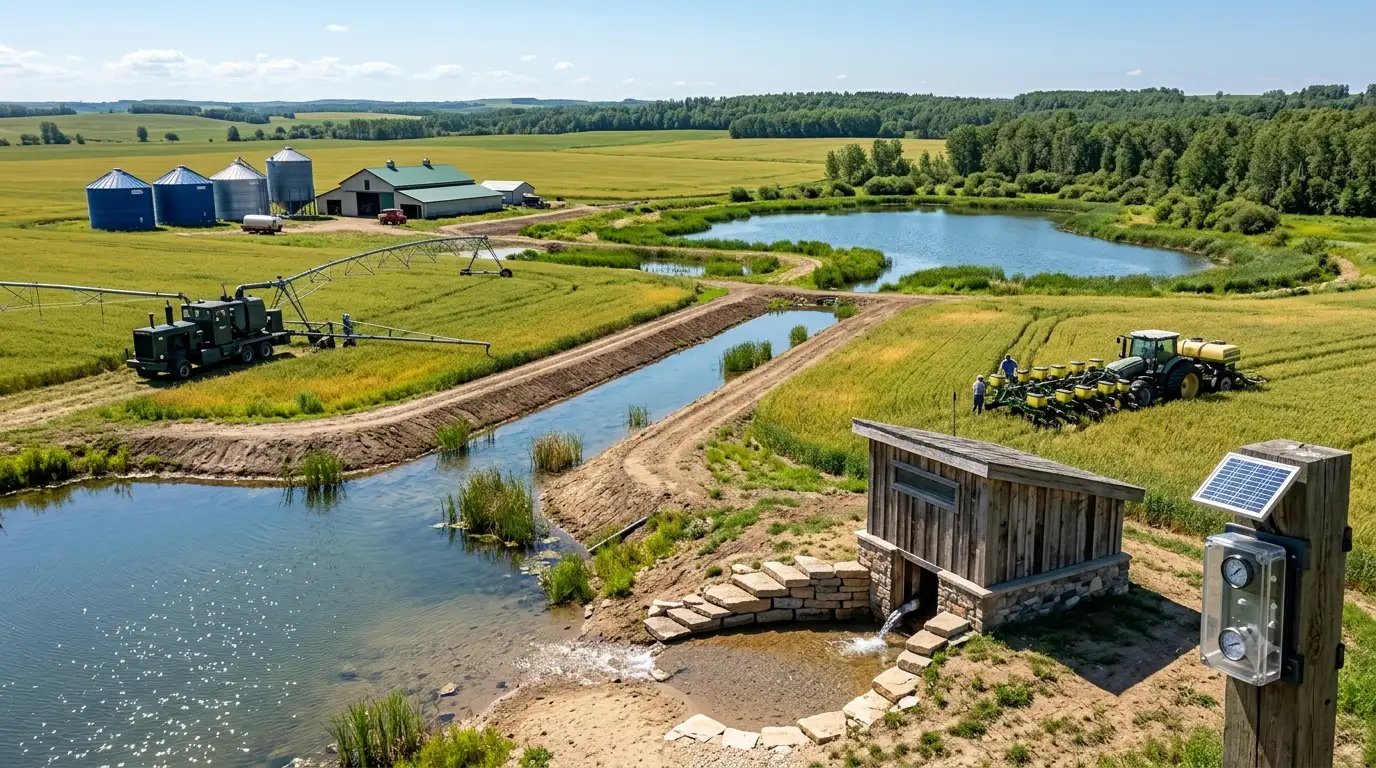
A soakaway works best when it is part of a larger soakaway drainage system and not a stand-alone unit.
Gutters, downpipes, drainage channels and underground pipework all work well to take the rainwater away. Knowing how each part works together helps create balanced drainage across the property and reduces unnecessary pressure on any one part of the system.
What Mistakes Should Be Avoided?
Many drainage problems originate from preventable installation mistakes. Addressing these considerations before installation begins is often much simpler than correcting problems after the system is in use.
Typical examples are:
- Choosing an unsuitable location
- Ignoring permeability testing
- Installing an undersized soakaway
- Positioning the system too close to buildings
- Overlooking surrounding drainage infrastructure
Why Professional Installation Improves Long-Term Reliability
The right location is not the only thing that determines the success of a soakaway. The quality of the installation is also an important factor in the control of surface water.
Qualified drainage professionals will make sure that the soakaway is constructed properly, connected to the existing drainage system where necessary, and installed using methods suitable to the characteristics of the property. Good workmanship can improve drainage reliability and lessen the chance of future problems that could have been avoided.
Simple Maintenance Tips That Make a Big Difference
Even a professionally installed soakaway benefits from regular maintenance, as it helps preserve efficient water movement and supports reliable drainage throughout the year.
Good practice includes:
- Keeping gutters and downpipes clear
- Preventing debris from entering drainage systems
- Monitoring drainage performance after heavy rainfall
- Investigating unusual pooling promptly
- Arranging professional inspections when necessary
Protect Your Property with a Professionally Installed Soakaway
A properly designed soakaway is an investment in the long term protection of your property. Effective management of surface water and minimising the potential for future drainage problems is dependent on proper location, installation techniques and system maintenance.
Precise Drainage Solutions offers professional drainage assessments and practical soakaway solutions tailored to the unique characteristics of every property. Planning a new installation, improving an existing drainage system or seeking expert advice on surface water management? Our experienced team can help.
Contact today to have a soakaway installed that will provide reliable drainage performance for years to come.
Frequently Asked Questions
1. Can every property have a soakaway installed?
No. Ground conditions, available space, and drainage requirements determine whether a soakaway is suitable for a particular property.
2. Does a soakaway require regular maintenance?
Yes. Keeping connected drainage components clear and arranging periodic inspections helps maintain efficient operation over time.
3. How do professionals decide where to install a soakaway?
Drainage specialists assess property layout, surrounding infrastructure, water flow, and site conditions before recommending the most suitable location.
4. Can a poorly installed soakaway cause drainage problems?
Yes. Incorrect sizing, unsuitable positioning, or poor installation practices can reduce effectiveness and contribute to drainage issues.
5. Is a soakaway suitable for managing heavy rainfall?
When correctly designed and installed for site conditions, a soakaway can effectively manage rainwater generated during periods of heavy rainfall.