



One of the most common problems with home drainage in the UK is a blocked kitchen drain. It may seem sudden, but it usually builds up over time due to daily kitchen use. Identifying early warning signs and changing how you use them can make a big difference in how much trouble you have.
Objective:
Help homeowners learn about common kitchen drainage mistakes and develop habits that lower the risk of clogs and make pipes last longer.
“Did you know, According to Water UK, fats, oils, grease, and food waste that get into drainage systems are often what cause sewer blockages in the UK? A lot of these come from kitchen sinks.”
Understanding these patterns helps explain why proactive prevention is often better than reactive repairs. The main goal of Precise Drainage Solutions’ inspection-based drainage services is to find the root causes of problems and give practical, evidence-based advice.
Key Takeaways
- Most of the time, kitchen blockages don’t happen all at once.
- Grease and food particles are two things that often cause problems.
- Little things you do every day can affect the long-term health of your pipes.
- Preventive maintenance lowers the chance of problems.
- A professional inspection can help find deeper structural problems.
What are the most common blocked kitchen drain causes?
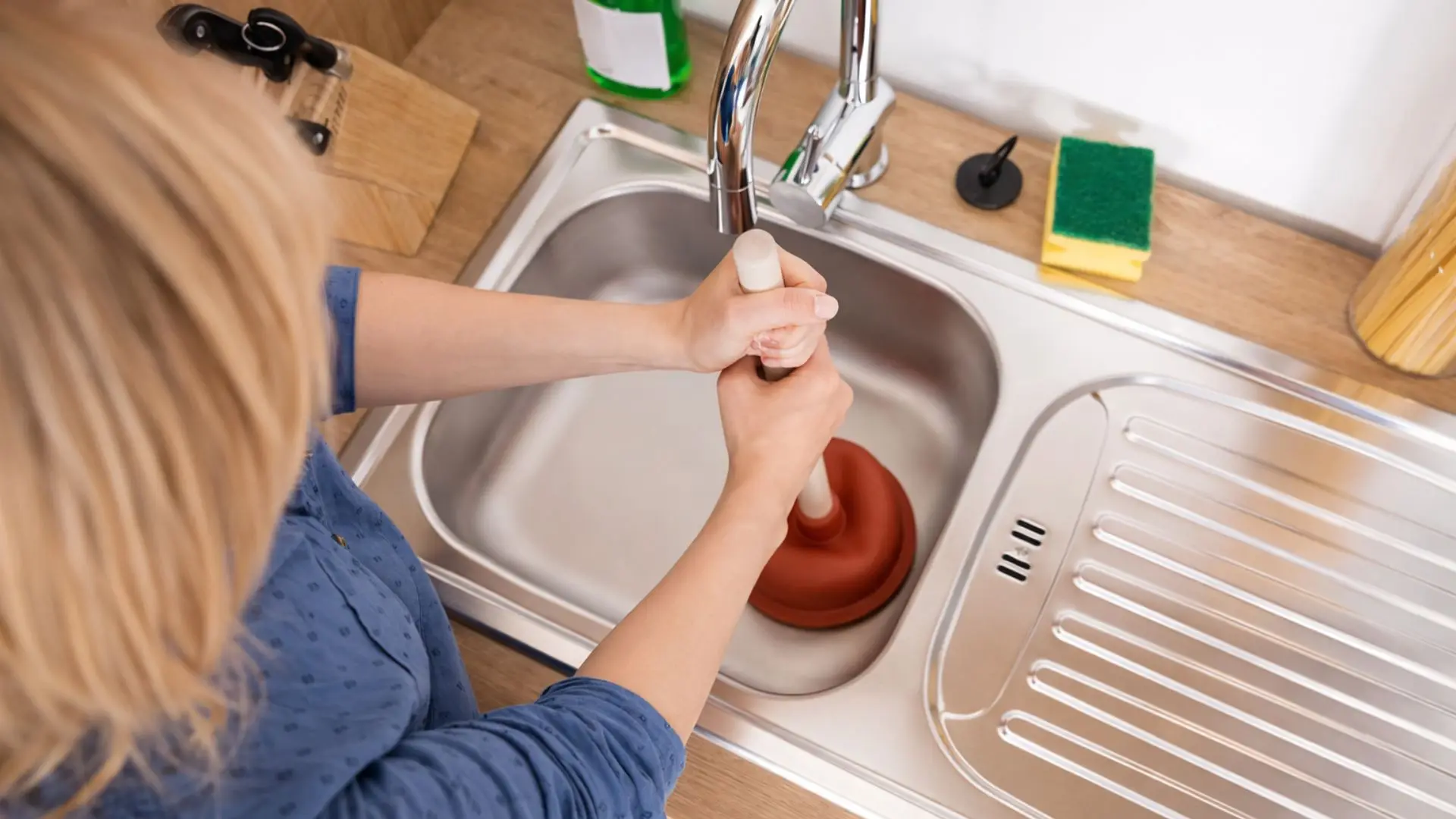
Everyday disposal habits can trace back to many kitchen drainage issues. Understanding blocked kitchen drain causes property owners to reduce recurrence.
Frequent contributing factors include:
- Pouring cooking grease or oil down the sink
- Allowing food scraps to enter the plughole
- Excessive detergent build-up
- Infrequent flushing with water
As these materials cool or settle, they slowly make the inside of the pipe smaller. This may eventually result in a blocked kitchen sink that no longer drains at all.
Are everyday habits creating common kitchen drain mistakes?
Small things you do every day can cause bigger drainage problems. A lot of common kitchen drain mistakes happen without homeowners knowing how they affect things.
Typical examples include:
- Rinsing pans coated with grease directly into the sink
- Using chemical cleaners over and over again without checking
- Not paying attention to small, slow drainage
- Putting too much trash in disposal units
These actions might not cause failure right away, but doing them over and over again makes the buildup in the pipes worse.
How to prevent blocked kitchen drains before they escalate
Usually, it’s easier to prevent a pipe from becoming completely blocked than to fix it. Knowing how to prevent blocked kitchen drains can help keep the flow steady.
Some useful steps might be:
- Allow grease to cool and dispose of it in waste bins
- Use sink strainers to capture food debris
- Flush drains periodically with warm water
- Avoid disposing of coffee grounds or fibrous scraps
Adopting these habits helps with sink block prevention in the long run and lowers the chance of unexpected problems.
Why drain cleaning should be proactive, not reactive
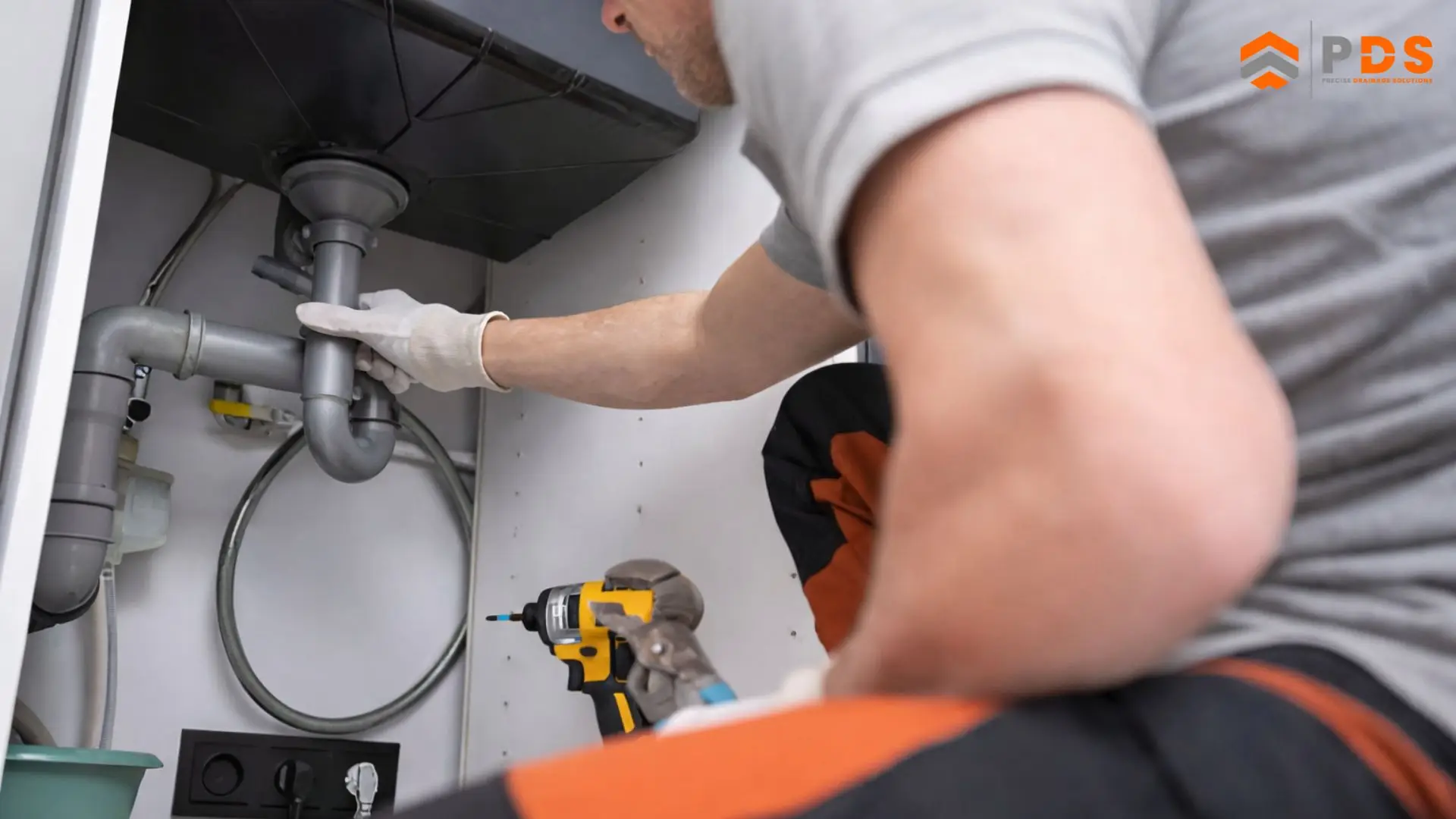
Regular drain cleaning prevents excessive clogging. Waiting until a complete blockage forms often makes it necessary to take more drastic measures.
Taking care of things before they break may help:
- Maintain consistent water flow
- Reduce recurring obstruction
- Support early detection of deeper issues
- Minimise the need for urgent response services
No system is immune to blockage, but structured care can help lessen how bad and how often it happens.
Kitchen drain maintenance versus emergency clearing
It is useful to know the difference between regular kitchen drain maintenance and clearing a blockage that has already formed.
Approach | Focus | Likely Outcome |
Preventive maintenance | Managing gradual build-up | Reduced disruption risk |
Emergency clearing | Removing active obstruction | Immediate but sometimes temporary relief |
The goal of maintenance is to keep performance up, while the goal of emergency clearing is to get flow back. Both have a purpose, but prevention is usually less disruptive.
When should you seek professional assessment?
If your drainage keeps slowing down or unpleasant smells keep coming back, you might want to look into your system more closely. A Blocked kitchen drain that recurs despite careful habits may indicate:
- Internal scaling
- Pipe misalignment
- Hidden structural wear
- External drainage restrictions
Professional inspection lets you target your efforts instead of having to clear the area over and over again.
Signs your kitchen drain needs attention
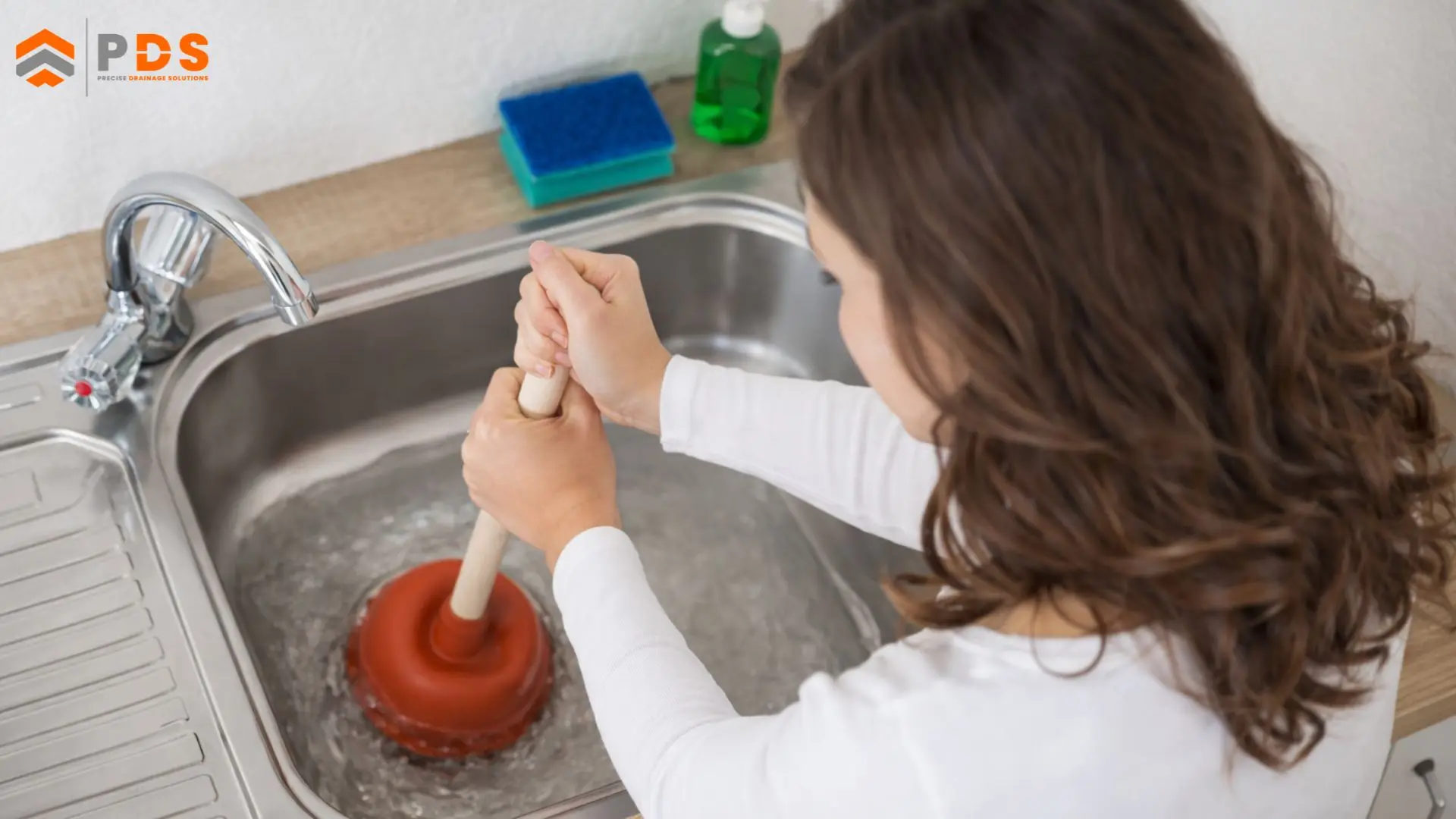
Some early signs might be:
- Water pooling around the plughole
- Gurgling sounds after use
- Foul smells from the sink
- Recurring slow drainage
Early recognition of these signs aids in prompt evaluation and could prevent situations from becoming excessively complex.
The financial case for prevention
Kitchen drainage problems don’t usually fix themselves. Ignoring early restrictions often increases the likelihood that:
- Pipe damage
- Water leakage risk
- Emergency call-out expenses
- Repeated service costs
Preventive care and smart use are usually cheaper than fixing things after they break.
Get the Right Drainage Solutions to Keep Your Kitchen Running Smoothly
Everyday habits that build up over time can often lead to a blocked kitchen drain. Property owners can lower the risk of disruption and keep their systems reliable by using practical prevention methods and getting help with inspections. Precise Drainage Solutions carefully checks each property’s drainage and comes up with solutions that are right for its condition.
Contact us today to schedule your drainage consultation and keep your kitchen drain flowing smoothly.
Frequently Asked Questions
1. What is the main cause of a blocked kitchen drain?
Grease, oils, and food particles that get into pipes slowly slow down the flow inside, which can cause drainage problems to happen over and over again.
2. Can pouring hot water prevent blockages?
Warm water may help get rid of small amounts of grease, but it won’t get rid of heavy build-up or structural restrictions.
3. How often should kitchen drains be maintained?
How often you need to do maintenance depends on how much you use it, but checking it every so often can lower the risk of long-term blockage.
4. Are chemical cleaners safe for kitchen drains?
Using it every now and then might help with small problems, but using it too often might not fix the root structural problems.
5. When should I call a drainage professional?
If slow drainage or unpleasant smells continue even after taking steps to stop them, a professional evaluation may be able to find a more permanent solution.