


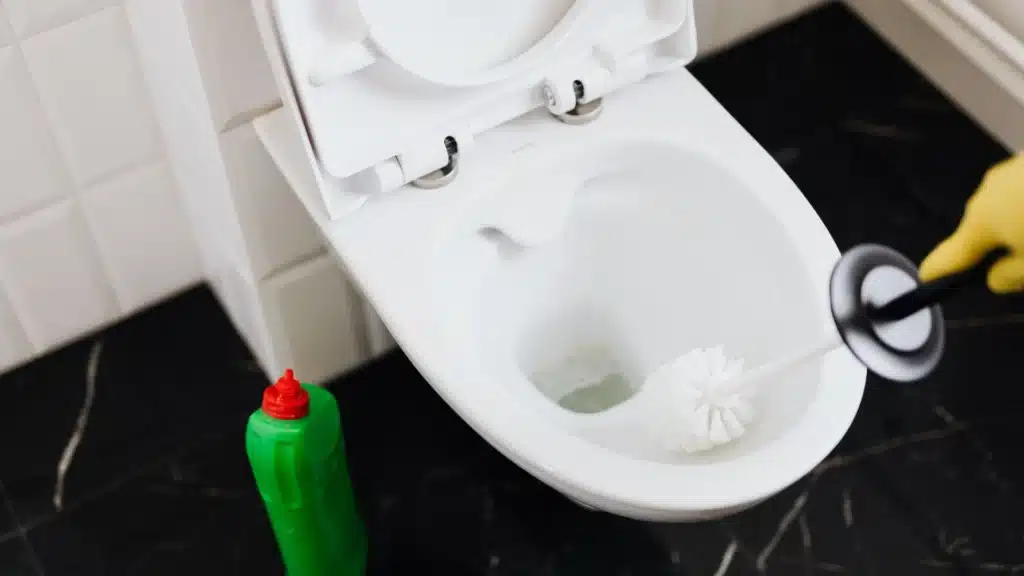

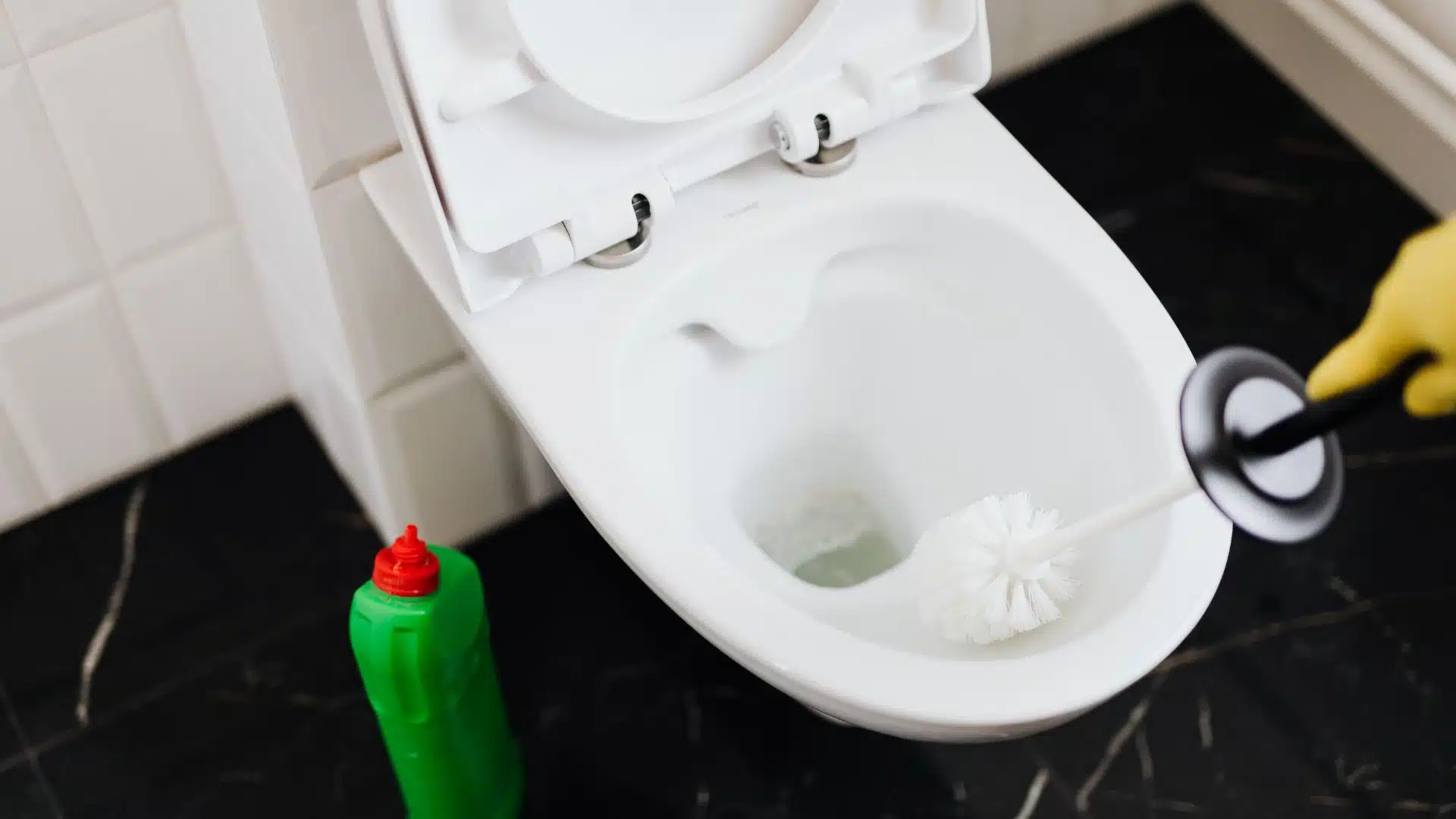
Maintaining a reliable drainage system is an important part of keeping any property safe. Over time, everyday trash builds up inside pipes, which slows down the flow of water and puts more stress on the system. Routine drain cleaning helps manage this build-up before it develops into a more disruptive issue.
Objective:
Describe how proactive maintenance of drainage systems enhances reliability, mitigates disruption risk, and aids property owners in more efficiently managing long-term repair costs.
“Did you know, According to Water UK, sewer blockages occur frequently across the UK due to fats, oils, grease, and non-flushable waste entering drainage systems? These preventable causes contribute to widespread disruption each year.”
Cleaning your drains early is important because it helps you move from reactive repairs to planned system care. Precise Drainage Solutions helps property owners make smart maintenance choices by providing inspection-led support that is based on what they see instead of what they think.
Key Takeaways
- Regular maintenance helps keep the drainage system working well.
- Intervening early may make repairs less complicated in the long run.
- Assessment based on inspection helps find the root causes.
- Structured maintenance can help keep property management costs stable.
- Professional evaluation is often more dependable than repeated temporary clearing.
Why Drain Cleaning Matters For Property Owners
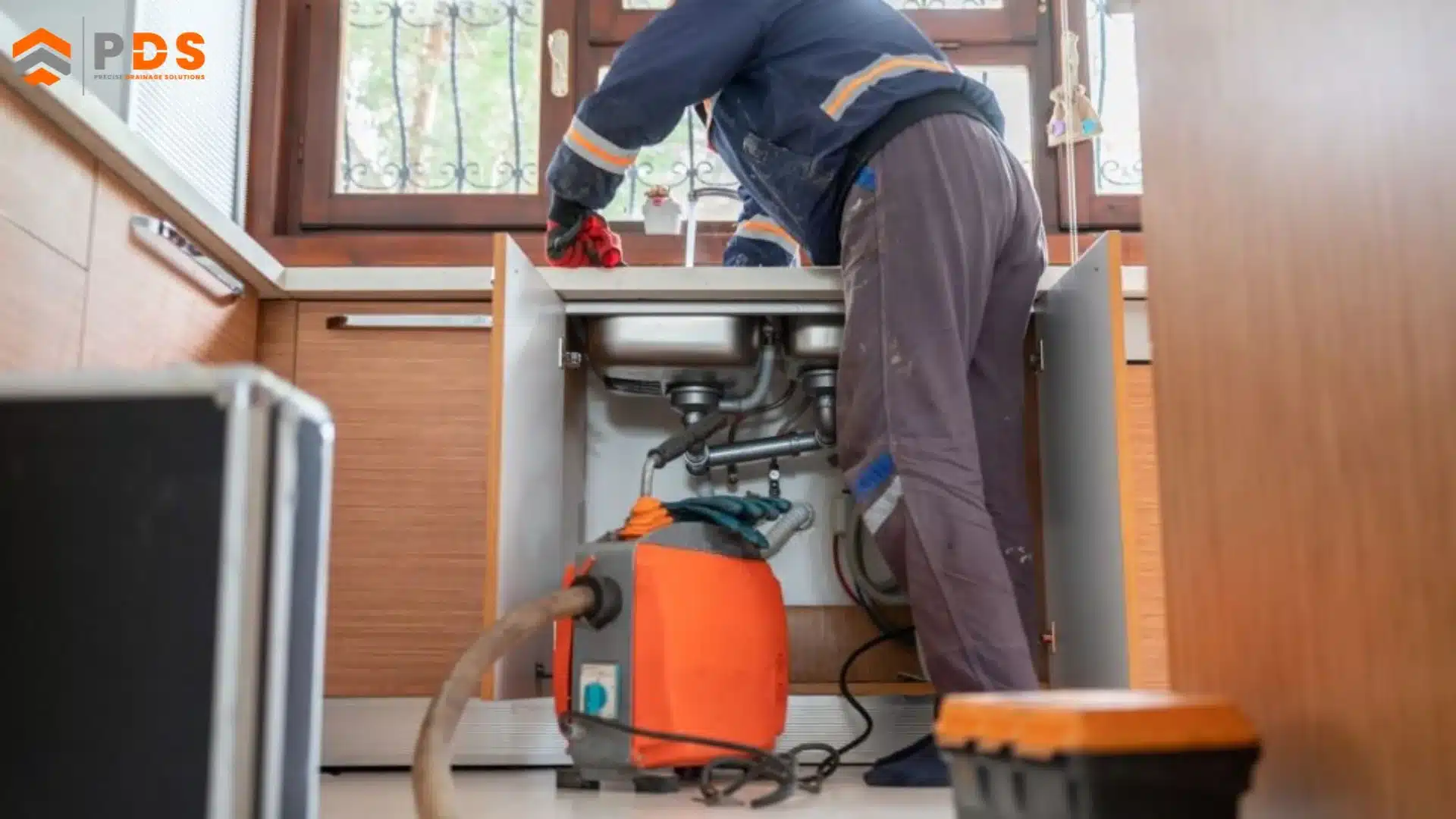
Typically, a drainage system doesn’t collapse abruptly. Gradual buildup, small blockages, and internal wear and tear can occur over time. Recognising why drain cleaning matters can help property owners avoid unexpected disruptions.
Some common results of not managing build-up are:
- Slower water movement through pipes
- Increased likelihood of recurring blockages
- Pressure strain on joints and connections
- Greater risk of internal pipe damage
These issues may not be obvious at first, but if left alone, they could worsen. Scheduled maintenance can help you prevent costly repairs by finding problems earlier.
How Regular Maintenance Supports Long-Term System Reliability
Planned maintenance may not get rid of all drainage problems, but it can make them happen less often and less severely. Structured care enables property owners to monitor the performance of their systems, eliminating the need to handle emergencies.
Regular upkeep may help:
- Improve flow efficiency across the system
- Limit recurring obstruction patterns
- Support early identification of structural wear
- Reduce maintenance costs associated with repeated emergency responses
This structured method reflects the broader benefits of drain cleaning, particularly where properties experience recurring drainage concerns.
Understanding Best Drain Cleaning Methods Used Today
Different systems need different ways of keeping them in excellent shape. The best drain cleaning methods depend on pipe condition, blockage type, and overall system design.
Some common professional methods are:
- Mechanical clearing for localised obstructions
- High-pressure water jetting to remove internal build-up
- Camera inspection to identify structural or hidden issues
These methods try to fix the root of the problem instead of just getting rid of the symptoms. A targeted approach helps keep the system running smoothly while cutting down on unnecessary changes.
What Is The Difference Between Cleaning Your Drain And Hiring A Professional?
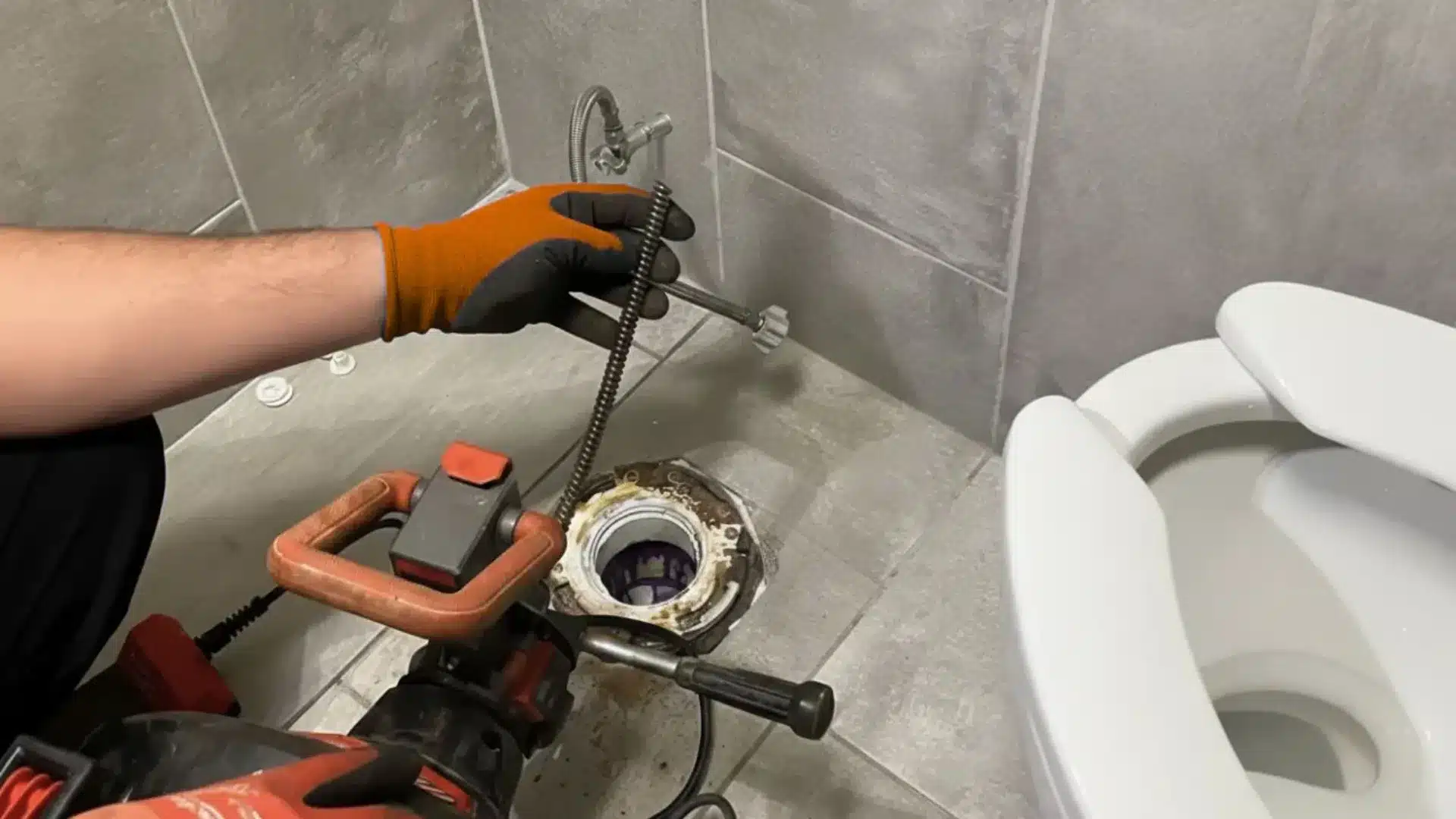
When drainage slows down, many property owners start with a home maintenance checklist. These methods may get rid of surface-level debris and make flow better for a short time, but they usually do not fix the problems that caused the system to break down in the first place. This difference is key to understanding the difference between DIY vs professional drain cleaning and why the results can vary.
Maintenance that is led by a professional inspection takes a different approach. Instead of just looking at things that are blocking the flow of water, specialists examine the drainage system’s internal condition to identify issues that may be causing recurring disruption. These can include internal pipe build-up, structural wear, or sections where water flow is repeatedly restricted. This type of assessment is often part of broader drainage solutions designed to restore proper system performance.
Because of this broader evaluation, professional help is usually linked to more stable long-term results instead of short-term relief. A structured assessment may be especially suitable when drainage problems persist despite multiple attempts at resolution or when concealed system conditions are suspected.
When Maintenance Supports Financial Efficiency
People often consider preventive care to be a way to make systems more reliable, but it can also help with cost management. Taking care of problems early on may lower the chances of needing major repairs later.
Proactive maintenance can support the cost benefits of drain cleaning in several ways:
- Lower likelihood of emergency intervention
- Reduced frequency of repeated clearing services
- Less risk of structural pipe replacement
- Improved predictability of maintenance planning
In this case, structured drain cleaning helps with both keeping things running smoothly and making plans for the future.
Signs Your Drainage System May Need Attention
While preventive maintenance proves beneficial, there are indications that immediate attention is required.
If property owners see any of the following, they may want to hire a professional to look at their property:
- Recurring slow drainage
- Unusual odours from drains
- Frequent localised blockages
- Gurgling sounds within pipework
These signs could mean that regular care can help manage the situation better.
Choose Precise Drainage Solutions For Reliable Drainage Maintenance
To keep the system running well, you need to make smart choices based on what you see. Precise Drainage Solutions carefully checks each situation and gives useful advice based on what they find. Structured maintenance, like drain cleaning, can help keep things running smoothly and lower the chances of problems happening again.
Contact us right away to set up your drainage consultation!
Frequently Asked Questions
1. How often should drains be maintained?
How often you need to maintain the system depends on its use and performance. Repeatedly problematic properties could benefit from periodic professional inspections to monitor their performance and prevent further deterioration.
2. Can regular maintenance prevent all drainage problems?
No system is immune to problems, but structured care can lower the risk, find problems early on, and help the system behave more predictably over time.
3. What are common causes of drainage build-up?
Grease, debris, and trash that can’t be flushed down the toilet build up over time and slow down the flow. If planned maintenance fails to address these problems, they may recur.
4. When should professional evaluation be considered?
If problems keep happening even after regular cleaning, a professional evaluation might help find structural or internal issues that are causing the problems to keep happening.
5. Is professional maintenance more cost-effective long-term?
Inspection-led maintenance can help cut down on repeated emergency responses, help with early intervention, and make long-term property maintenance planning easier to handle.