


Unpleasant bathroom smells can make an otherwise clean home feel uncomfortable. The good news is that most odours have a clear cause, such as trapped waste, blocked drains, poor ventilation, or plumbing problems. Finding the source early can help prevent a small issue from becoming a bigger drainage problem.
“Did you know? UK authorities can consider a persistent home or bathroom odour a legal nuisance based on five factors: its severity, nature, duration, frequency, and the time of day when it occurs. This shows why recurring smells should not simply be ignored.”
Key Takeaways
- Find the exact source before attempting different solutions.
- Clean visible debris from bathroom drains.
- Check basin and floor drain traps for trapped water.
- Improve ventilation and control bathroom moisture.
- Clean carefully around the toilet and surrounding surfaces.
- Watch for recurring odours and drainage warning signs.
- Get professional assistance when basic cleaning does not solve the problem.
Find the Exact Source of the Odour
Before trying different cleaning products, take a few minutes to locate the source. Walk around the bathroom and check each plumbing fixture separately.
A sewer smell in bathroom areas may come from the toilet, basin, shower, bath, floor drain, or even hidden pipework. If the bathroom smells like sewage, notice when the odour becomes strongest.
Check these areas first:
- Around the toilet base
- Inside and around sink drains
- Shower and bath drains
- Floor drains
- Under the basin
- Around exposed pipe connections
- Behind bathroom furniture
A smell that becomes stronger after flushing or running water may point towards a drainage issue.
Clean the Drain Before Doing Anything Complicated
Bathroom drains regularly collect hair, soap residue and other debris. Over time, this material can become a source of unpleasant odours.
The good news is that visible build-up can often be removed with basic cleaning.
Try this simple process:
Step 1: Remove the drain cover carefully.
Step 2: Take out visible hair and debris.
Step 3: Clean the cover and surrounding area.
Step 4: Rinse the drain with plenty of water.
Step 5: Check whether the smell or slow drainage improves.
Do not push debris further down the pipe. If the odour remains after cleaning, the build-up may be deeper inside the drainage system.
Check the Water Trap Under Your Basin
Your basin trap has an important job. It holds water inside the pipe and helps prevent unpleasant gases from travelling back into the bathroom.
When a basin is not used for a long period, this water can evaporate.
Simply run the tap for a short time.
If the smell disappears afterwards, a dry trap may have been the reason. This is particularly common in bathrooms or sinks that are rarely used.
However, if the odour quickly returns, the trap could be damaged, incorrectly fitted, or affected by another plumbing problem.
Do Not Forget the Floor Drain
Floor drains are easy to overlook because they are often out of sight.
Yet they can become a source of unpleasant odours when their water trap dries out.
Quick check
Pour a small amount of water into an infrequently used floor drain. Wait and see whether the odour improves.
If it does, the dry trap may have allowed drainage gases into the room.
If the smell continues, do not keep adding cleaning products. There may be another issue further along the drainage system.
Improve Airflow and Reduce Moisture
A damp bathroom can hold unpleasant smells for much longer. Poor ventilation also encourages mould and mildew to develop on damp surfaces.
Make these small changes:
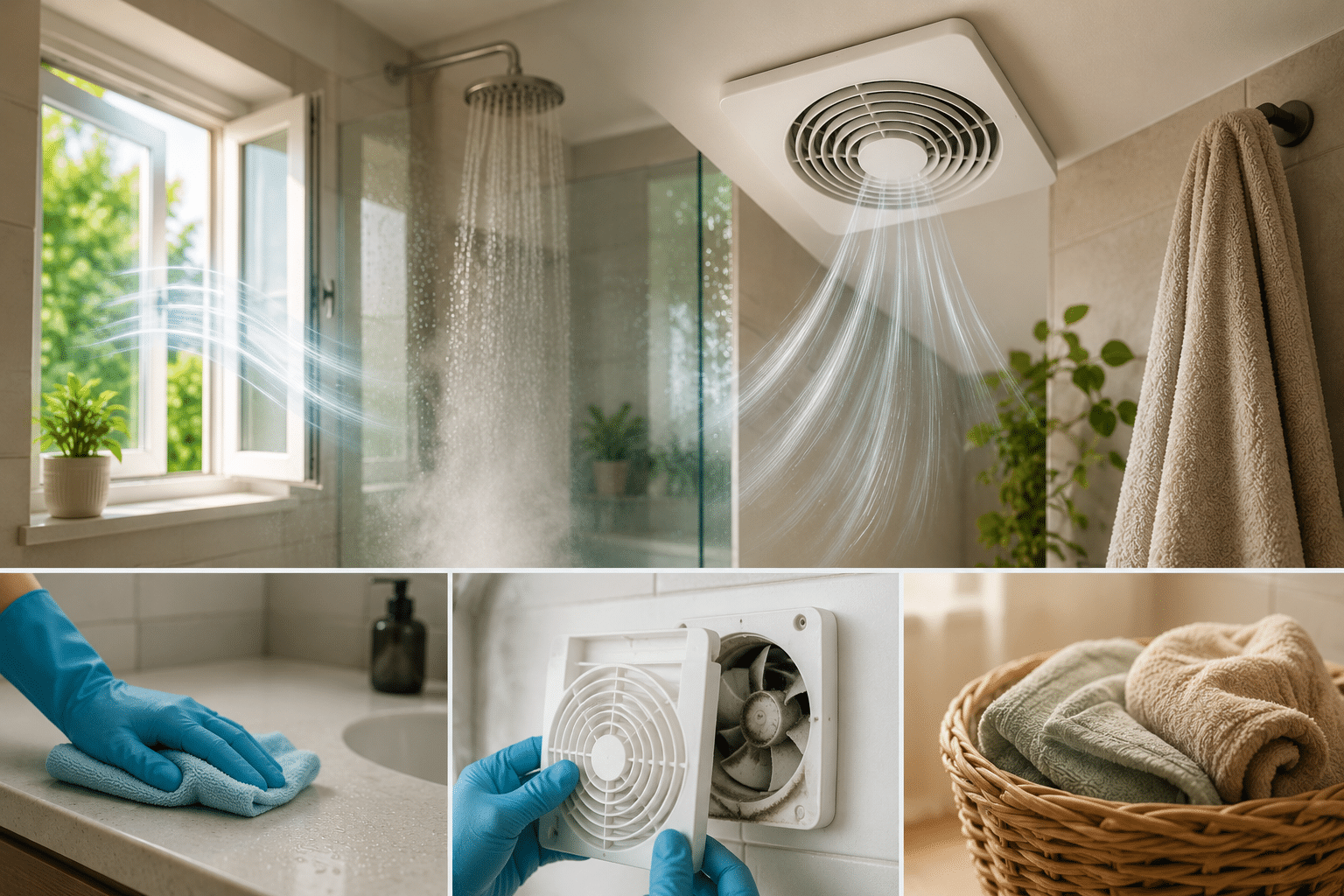
- Open the bathroom window when possible.
- Run the extractor fan during showers.
- Keep the fan running for a while afterwards.
- Dry wet surfaces where practical.
- Clean the extractor fan cover regularly.
- Avoid leaving damp towels in the room for too long.
Good ventilation will not repair a damaged pipe or blocked drain. However, it can help prevent moisture-related smells from becoming a recurring problem.
Deal With Urine Smells at the Source
Sometimes the problem has nothing to do with the drains.
Urine can collect around the toilet base, seat hinges, grout, flooring and other small gaps. These areas may be missed during routine cleaning.
If you are wondering how to get rid of urine smell in bathroom areas, start by cleaning the toilet and the surrounding surfaces thoroughly.
Pay extra attention to:
Area | What to check |
Toilet base | Look for trapped residue |
Seat hinges | Clean underneath and around them |
Grout | Check for staining or lingering odour |
Floor | Clean around and behind the toilet |
Toilet sides | Remove hidden residue |
Use suitable cleaning products and follow the manufacturer’s instructions. Never mix cleaning chemicals.
Look for Signs of a Hidden Plumbing Issue
Some drainage problems cannot be seen from the outside.
A sewer gas smell in bathroom areas can occur when a pipe, seal, connection, or trap is not working correctly.
Look for these warning signs:
- The smell keeps returning.
- More than one drain is affected.
- Water drains slowly.
- Drains make unusual sounds.
- Water backs up.
- There are visible leaks.
- The smell becomes stronger after using water.
If several of these signs appear together, the issue may require more than routine bathroom cleaning.
Pay Attention to When the Smell Appears
The timing of an odour can provide useful clues.
For example, if you notice the smell mainly after flushing, the toilet or connected drainage system may need checking. If it appears after running the shower, the shower drain could be involved.
When asking why my bathroom smells like sewage, consider what happens immediately before the smell appears.
Know When Cleaning Is Not Enough
A minor build-up can sometimes cause a bad smell coming from bathroom drain areas. But recurring odours may indicate something deeper.
Professional drainage inspection can help locate problems that are difficult to identify from the surface.
Consider professional help if:
- Cleaning does not remove the smell.
- The odour keeps coming back.
- Several drains smell at the same time.
- Water is draining slowly.
- Sewage is backing up.
- You hear frequent gurgling.
- You suspect a damaged or blocked pipe.
Trying to repeatedly mask the smell may only delay finding the actual cause.
Prevent Future Drainage Odours
Once the immediate issue has been addressed, a few simple habits can help keep your bathroom fresher.
Use this simple maintenance checklist:
- Remove hair from drain covers regularly.
- Clean visible drain build-up.
- Run water through unused fixtures.
- Keep the bathroom properly ventilated.
- Check exposed pipes for leaks.
- Clean around the toilet thoroughly.
- Deal with slow drainage early.
- Do not put unsuitable waste down bathroom drains.
These small steps can reduce the chance of unpleasant odours developing again.
Take Action When the Smell Keeps Returning
Recurring bathroom drain odour should not always be treated as a simple cleaning problem. A persistent smell, especially when combined with slow drainage or unusual sounds, can point to an underlying issue.
The phrase bathroom smells like sewage may describe a problem with a trap, blockage, pipe, seal, or another part of the drainage system. Identifying the cause is the best way to find a lasting solution.
Precise Drainage Solutions can help investigate persistent drainage problems and identify the right approach. Acting early can help prevent a small issue from turning into a more disruptive blockage or plumbing problem.
Frequently Asked Questions
1. Why does my bathroom suddenly smell bad?
Trapped debris, a dry drain trap, poor ventilation, toilet residue, or a drainage problem may cause a sudden smell. Checking each fixture can help narrow down the cause.
2. Can a blocked drain cause a sewage smell?
Yes. Organic material and waste trapped inside a drain can produce unpleasant odours. A deeper blockage may need professional cleaning or inspection.
3. Why do bathroom odours keep coming back after cleaning?
If the source is inside a pipe, trap, seal, or drainage connection, surface cleaning may only provide temporary relief. Recurring smells should be investigated further.
4. Should I be concerned about a persistent sewage odour?
A persistent sewage-related smell should not be ignored. It may indicate a drainage or plumbing fault, particularly when combined with slow drainage or unusual sounds.
5. When should I contact a drainage specialist?
Contact a professional if the smell keeps returning, several drains are affected, water backs up, drainage becomes slow, or cleaning does not resolve the problem.