


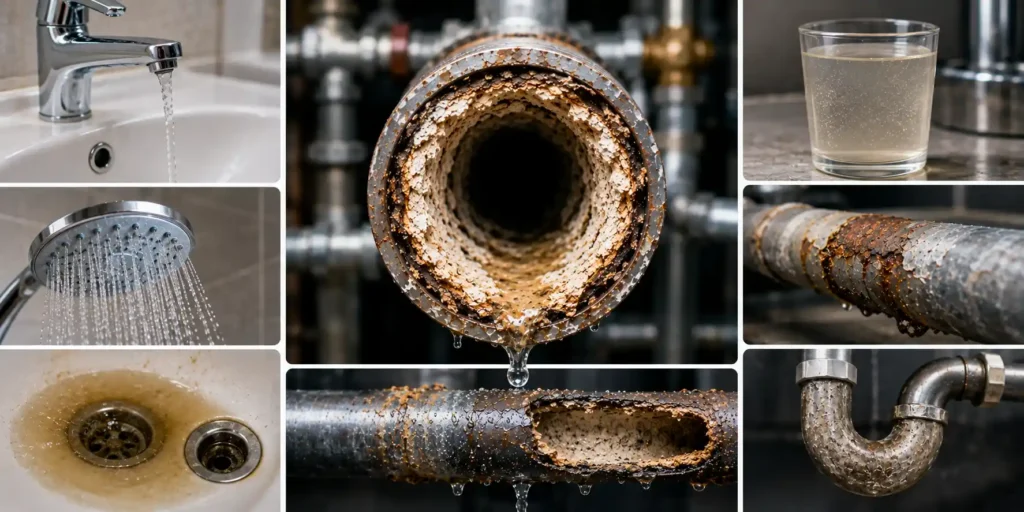

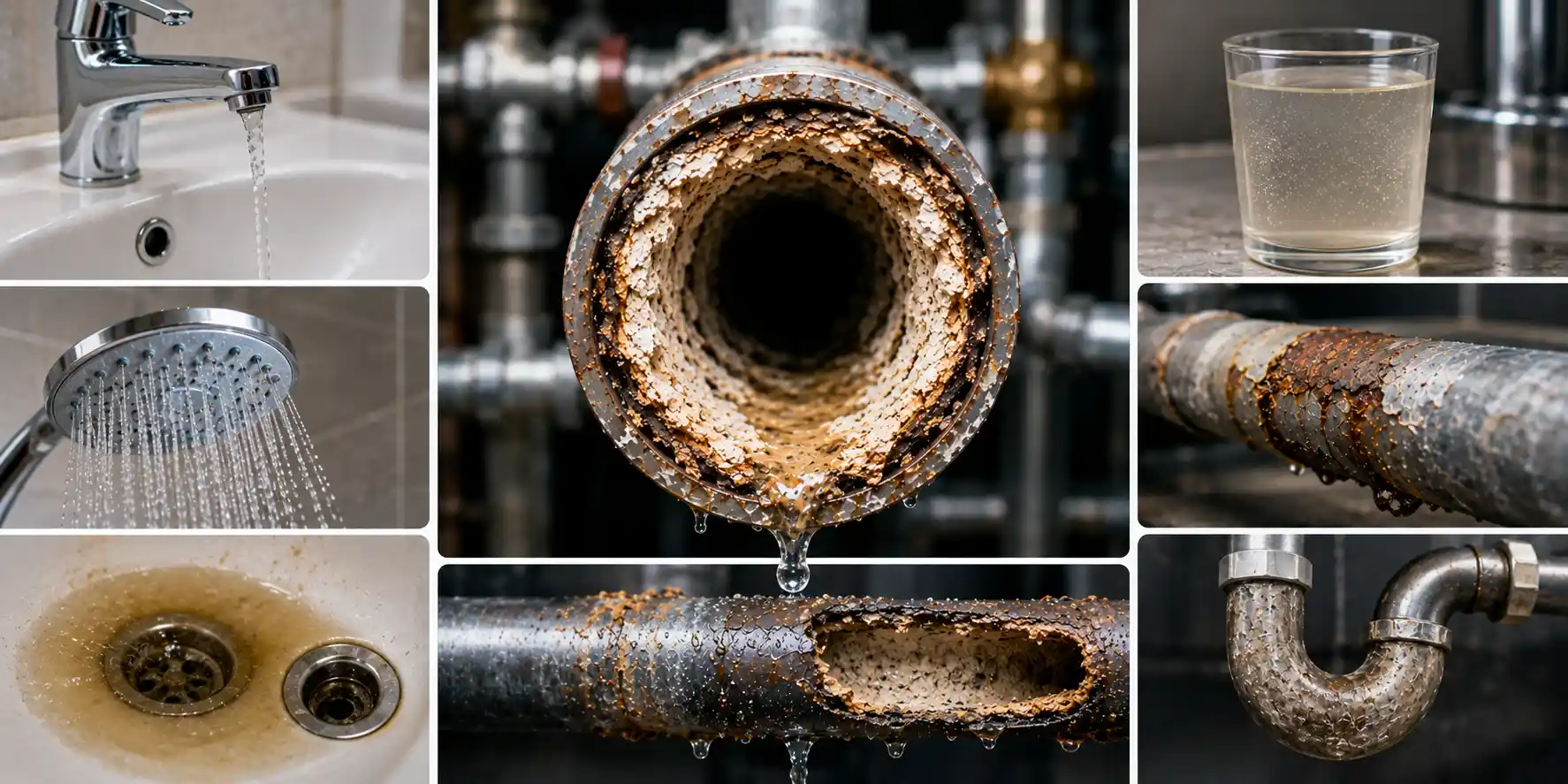
If you have been having trouble with your drains lately, you probably have more than just a little inconvenience; your pipes may also be crying out for help! Over time, minerals, grease, and debris build up inside your pipework, restricting water flow and causing serious issues. This is where pipe descaling services are very important.
“Did you know? According to the UK’s water quality standards, hard water affects over 60% of homes in England, leading to limescale build-up in pipes and appliances. This can significantly reduce water efficiency and pipe lifespan.”
In this blog, we’ll walk you through the 7 warning signs your pipes need descaling, explain the risks of ignoring them, and show how professional drain cleaning solutions can save you time, money, and stress.
Key Takeaways
- Many drainage problems develop underground long before visible symptoms appear.
- CCTV technology helps identify the exact cause of drainage issues.
- Accurate diagnosis prevents unnecessary repair work and wasted costs.
- Drain surveys can uncover hidden defects before they become major problems.
- A professional inspection helps property owners make informed repair decisions
What Is Pipe Descaling and Why Does It Matter?
Let’s first cover what descaling entails prior to beginning our review of identifying the features of limescale. Over time, minerals (calcium and magnesium) from hard water build up in your pipe walls and create limescale deposits on the pipe’s surface. When you add soap, grease and other contaminants you can start clogging.
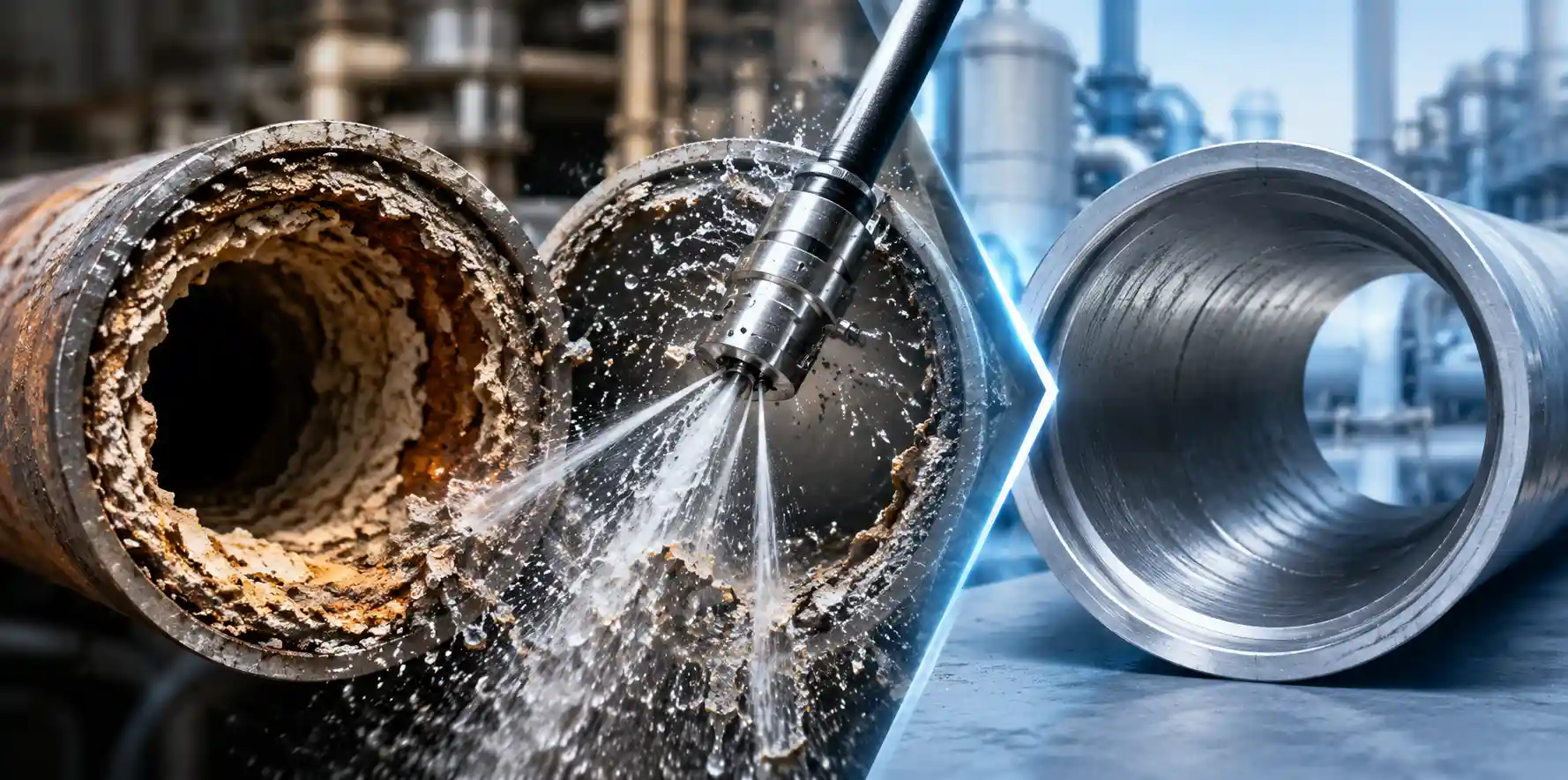
Pipe descaling services use specialist equipment (including high-pressure water jetting and rotary descaling tools) to strip away these deposits, restoring your pipes to their original flow capacity. It’s one of the most effective drain cleaning solutions available, and far less disruptive, and expensive, than pipe replacement.

7 Warning Signs Your Pipes Need Descaling
1. Persistently Low Water Pressure
One of the most common low water pressure causes in UK households isn’t a problem with your mains supply, it’s scale build-up inside your pipes. As limescale accumulates on the internal walls, the diameter of the pipe narrows, restricting the flow of water.
If you’ve ruled out supply issues with your water provider and the pressure is consistently weak at multiple taps, there’s a strong chance descaling is needed. Don’t just live with it, it will only get worse over time.
Persistent Water Pressure Problems? Contact Our Team Today!
2. Recurring Pipe Blockages That Just Won't Quit
Do you find yourself reaching for the plunger every few weeks? Recurring pipe blockages are a tell-tale sign that something deeper is going on. Surface-level blockages caused by hair or food debris are one thing, but when blockages keep coming back despite clearing them, scale deposits on the pipe walls are often the culprit.
3. Gurgling or Unusual Noises From Your Drains
Healthy drains are quiet drains. If you’re hearing gurgling, bubbling, or knocking sounds when water drains away, it’s a sign that air is being trapped as water struggles to pass through a narrowed or partially blocked pipe.
This is often one of the earlier warning signs, and one that many homeowners dismiss as “normal.” It isn’t. Those sounds indicate that water flow is already being compromised, and without intervention, the restriction will worsen.
Gurgling is particularly common in:
- Kitchen sinks
- Bathroom drains
- Toilet outlets
Gurgling Drains Could Signal a Bigger Problem – Contact Us Now!
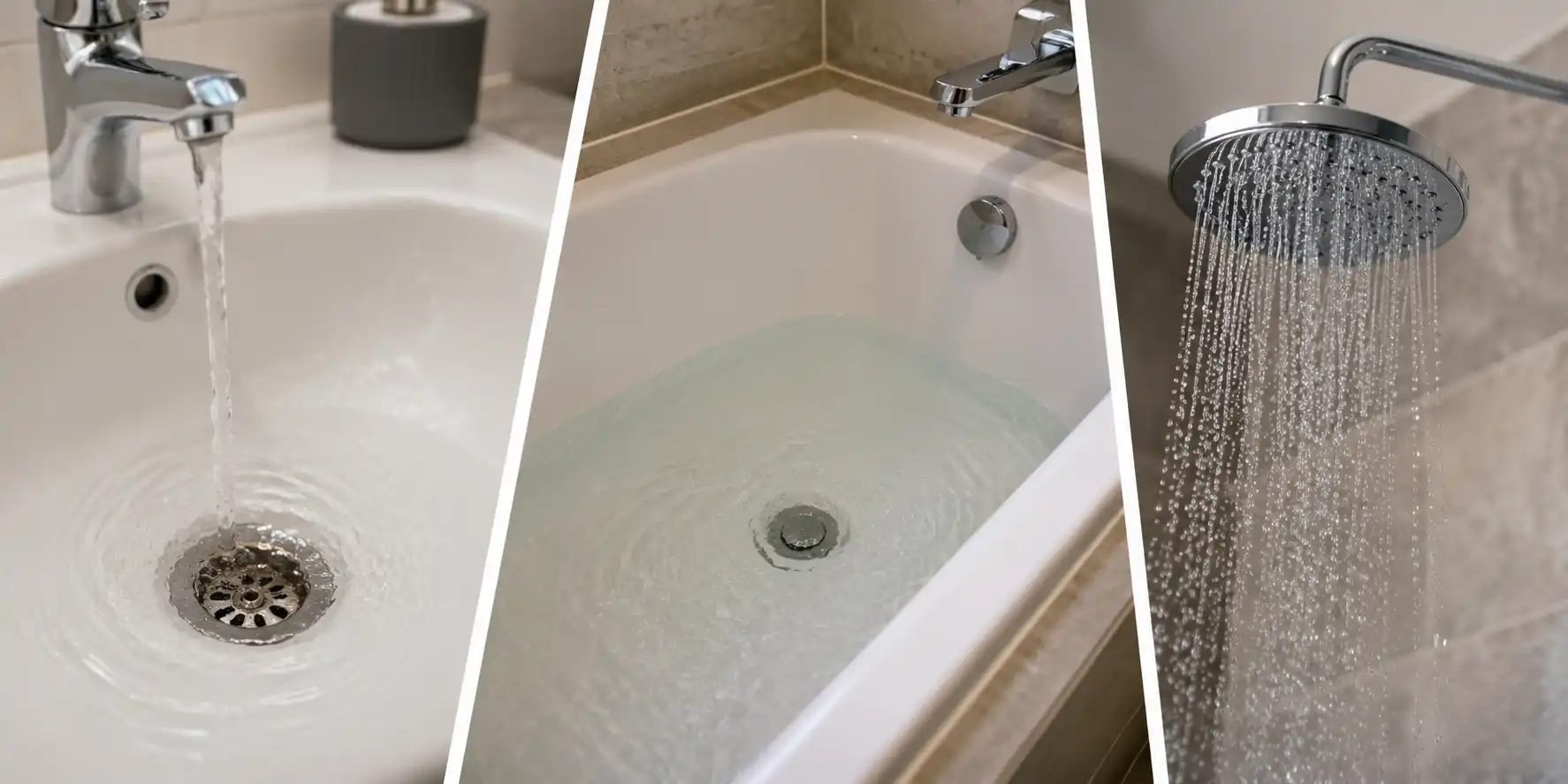
4. Slow-Draining Sinks, Baths, and Showers
Slow drainage is one of the most visible signs of scale accumulation, and it’s often dismissed until it becomes a full blockage.
The challenge with slow-draining fixtures is that they deteriorate gradually. You get used to waiting a little longer each week, until one day the drain stops altogether. Acting on slow drainage early is one of the most effective ways to prevent pipe blockages before they become emergencies.
5. Discoloured or Rusty Water
If you’ve turned on a tap and noticed brown, orange, or cloudy water coming through, this should never be ignored. Discolouration can indicate that limescale deposits are breaking loose inside your pipes, or that corrosion is occurring behind heavy scale build-up.
In older properties, particularly those with cast iron or galvanised steel pipework, scale and corrosion often go hand in hand. The scale accelerates pipe degradation, and as it loosens, it contaminates the water running through.
6. Unpleasant Smells Coming From Your Drains
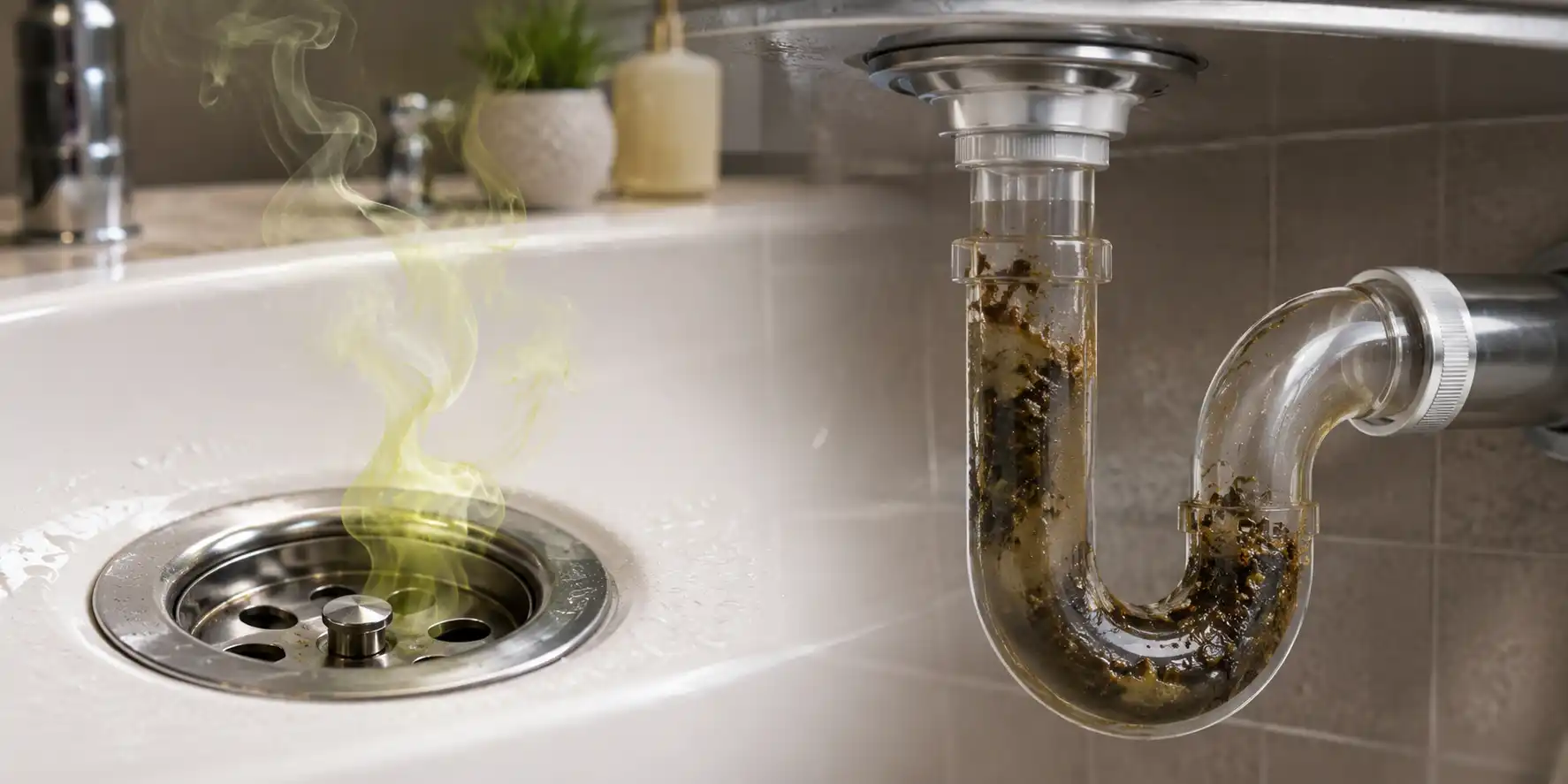
A persistent foul smell emanating from your drains, even when they appear to be draining normally, is a classic sign of scale and debris accumulation. As organic matter (food waste, grease, soap, and bacteria) clings to rough, scaled pipe walls, it decomposes and produces unpleasant odours.
The foul odour may come back to your house through your plumbing system, causing odour problems in the bathrooms and kitchens of your home. Lots of DIY drain cleaning products can hide the true cause of the nasty smell in your home. The only way to eliminate the reasons for build-up in the pipes is by hiring a plumber for professional descaling.
7. Visible White or Brown Deposits Around Taps and Fixtures
When you look closely at the base of your taps (around showers), there may be “white” chalky residue or a “brown” crusty build-up around where the pipe enters the wall. These are external signs of the same limescale that’s building up unseen inside your pipework.
External limescale is essentially your pipes showing you what’s happening internally. In hard water areas especially, if you’re seeing significant surface deposits, the interior of your supply pipes is likely in a similar, or worse, condition.
This is a particularly useful early warning because it’s visible without any specialist equipment. If you notice it, it’s time to consider professional pipe descaling services before the internal build-up causes more serious issues.
How Pipe Descale Services Can Prevent Larger Problem
The advantage of having your pipes professionally descaled is that regular professional descaling is both preventative and proactive. By having your pipes descaled regularly, you will not be faced with a total blockage, nor will you experience a rupture of the piping due to continued build-up of mineral and other solid residue which could have been caught earlier by descaling services.
Here’s what professional pipe descaling typically involves:
- CCTV drain survey : to accurately assess the extent and location of scale deposits
- High-pressure water jetting : to blast away loose scale, grease, and debris
- Mechanical rotary descaling : for stubborn, hard mineral deposits
- Post-treatment inspection : to confirm the pipe is fully clear and undamaged
The result? Restored water flow, eliminated odours, and a drainage system that’s far less likely to cause you problems in the coming months.
How to Prevent Pipe Blockages Between Professional Treatments
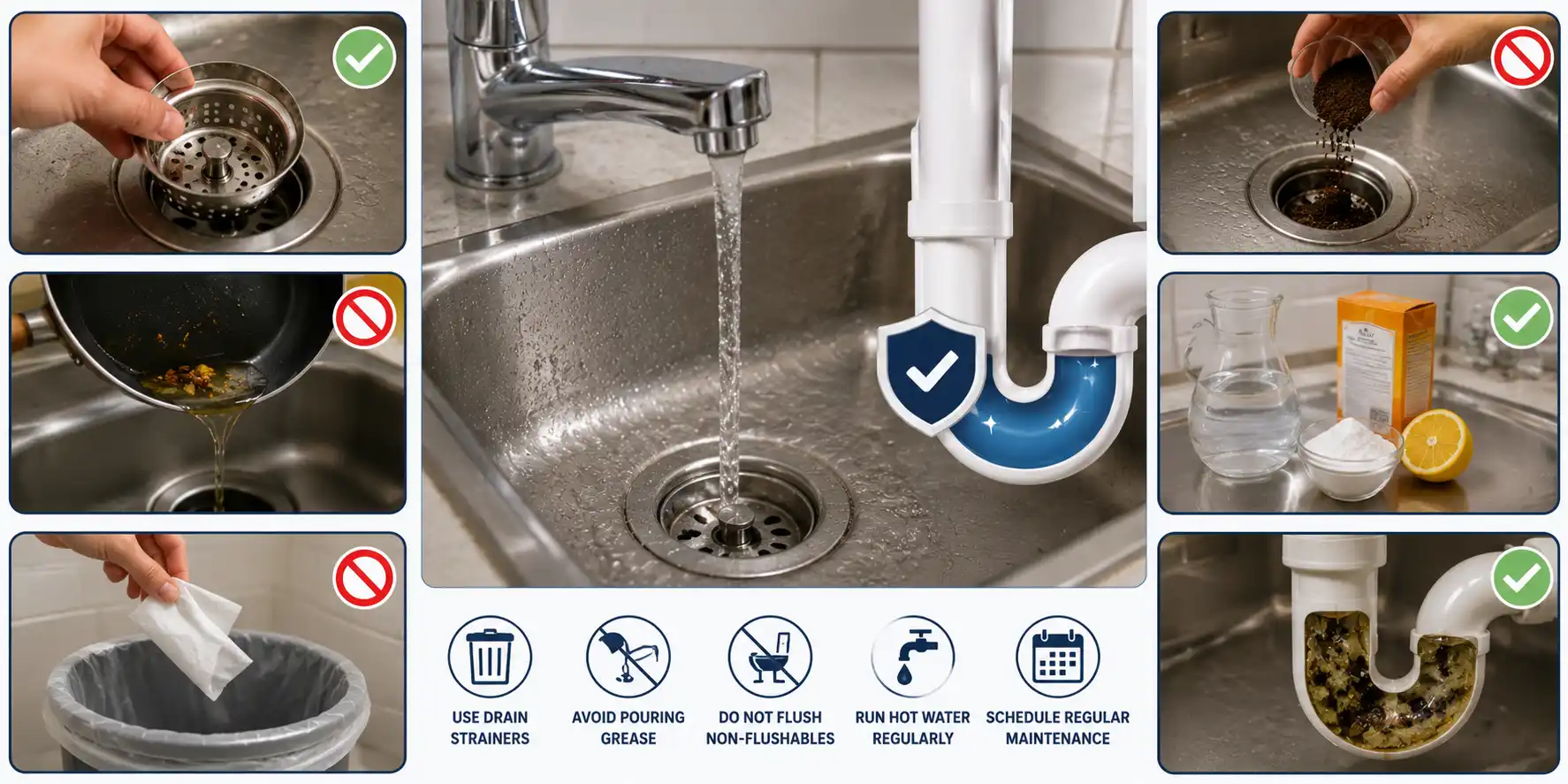
While the best solution to excessive buildup of pipes is to be professionally descaled, there are preventative steps you can take in order to minimize scaling and reduce the chance of developing clogged pipes.
- Install a Water Softener: Having a water softener will help if you live in an area that has hard water.
- Use a Drain Guard: Placing a drain guard over your drain will help capture hair and debris before entering the pipe.
- Schedule Regular Maintenance of Your Drains: Have your drains inspected by a professional once a year so that they can identify build-up of any kind before they cause any issues.
Why Choose Professional Pipe Descaling Services Over DIY?
While chemical drain cleaners may seem like a good quick fix, they will not usually clear away limescale effectively and can cause additional damage to older pipes with repeat use. However, a professional descaling of your pipes is accomplished through the use of specialized equipment that will eliminate deposits without causing anything physical to the actual pipe.
Additionally, a professional drainage engineer using specialised tools can help identify underlying issues that are not visible to the naked eye. Scale build-up rarely occurs in isolation; in many cases, it is accompanied by cracks, root intrusion, or pipe misalignment. To ensure all problems are accurately diagnosed and addressed, it is important to seek assistance from a qualified drainage engineer with access to the appropriate equipment. At Precise Drainage Solutions, our experienced engineers use advanced diagnostic tools to identify the root cause of drainage issues and recommend the most effective solution.
Take Control of Your Drainage System Now!
Drainage issues rarely fix themselves, and the longer they’re ignored, the more expensive and disruptive they become. What may start as low water pressure or a minor blockage can quickly escalate into serious damage if internal build-up is left untreated. Regular descaling isn’t just maintenance; it’s a smart way to protect your plumbing, improve performance, and avoid unexpected failures.
If you’ve noticed any warning signs, it’s best to act sooner rather than later. At Precise Drainage Solutions, we’re here to help keep your system running smoothly with reliable, professional support you can trust. Contact us today to get your drainage system back to full efficiency before small issues turn into costly repairs.
Frequently Asked Questions
1. What is pipe descaling and why is it important?
Pipe descaling is the process of removing limescale, grease, and debris from inside your pipes. It’s important because it restores water flow, improves efficiency, and helps prevent long-term damage and costly repairs.
2. How do I know if my pipes need descaling?
Common signs include low water pressure, slow drainage, recurring blockages, unpleasant odours, and visible limescale around taps or appliances.
3. Can recurring drain blockages be fixed permanently?
Yes, but only with proper treatment. Recurring blockages are often caused by internal build-up, and professional descaling provides a long-term solution rather than temporary fixes.
4. Is pipe descaling better than regular drain cleaning?
Yes. While regular drain cleaning removes surface blockages, pipe descaling targets hardened deposits inside the pipes, making it more effective for long-term performance.
5. How often should pipes be descaled?
In hard water areas across the UK, pipes should typically be descaled every 1–2 years to maintain optimal performance.