



People often overlook drainage systems until something goes wrong. However, recognising how blocked drains at home develop can help property owners take early action and reduce the likelihood of more serious issues. Most drainage problems begin gradually, making early awareness particularly valuable.
“Did you know? According to Thames Water, many sewer blockages are caused by everyday items such as fats, oils, grease, and non-flushable waste, often leading to noticeable drainage issues in homes.”
Knowing these patterns helps you make better choices. Precise Drainage Solutions backs a careful, inspection-led approach that helps property owners find problems clearly before looking for the best ways to fix them.
Key Takeaways
- Most drainage problems happen slowly over time because of normal use.
- Common causes include grease, trash, and non-flushable items.
- Don’t ignore the early signs.
- Do-it-yourself methods might only help for a short time.
- Preventive habits can help keep problems from coming back.
What Causes Blocked Drains in Homes Over Time?
When considering what causes blocked drains in homes, it’s important to remember that most problems happen over time, not all at once.
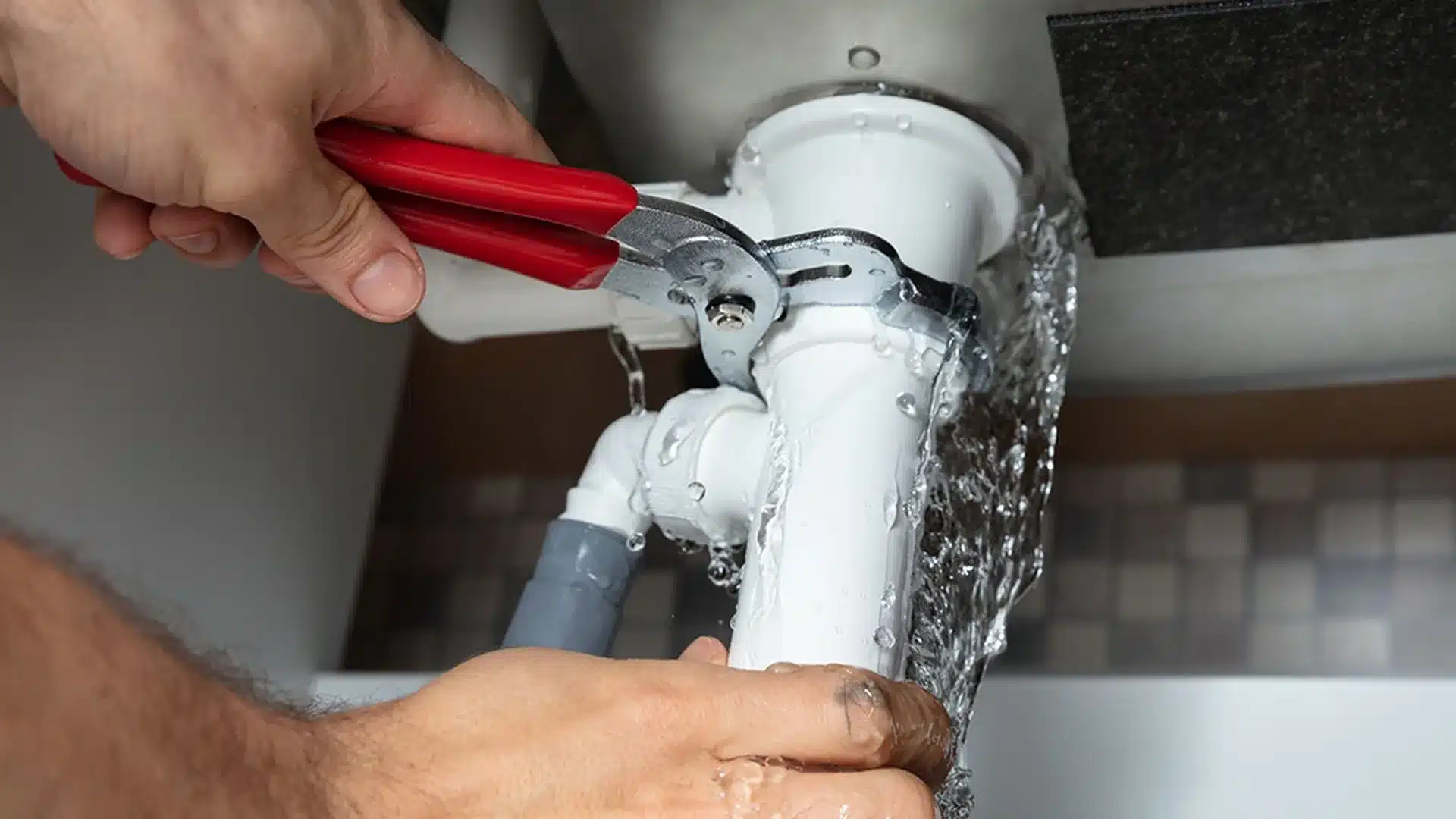
Common drain blockage causes include:
- Disposal of fats, oils, and grease into sinks
- Flushing wipes, sanitary products, or paper towels
- Accumulation of hair and soap residue in bathroom drains
- Food waste entering kitchen pipes
- External factors such as debris entering outdoor drains
These things slowly stop the flow of water, which can lead to partial or complete blockages.
What Are the Early Signs of A Blocked Drain in Your Home?
Recognising signs of a blocked drain in your home can help prevent escalation.
Some common signs are:
- Slow drainage in sinks or baths
- Gurgling noises from pipes
- Unpleasant odours near drains
- Water levels rising unexpectedly
Developing home plumbing problems often links to these early signs, which may worsen if not addressed.
Are Clogged Sinks and Blocked Toilets Linked?
Blocked drain? Fix it fast before costs rise—get your free quote today!
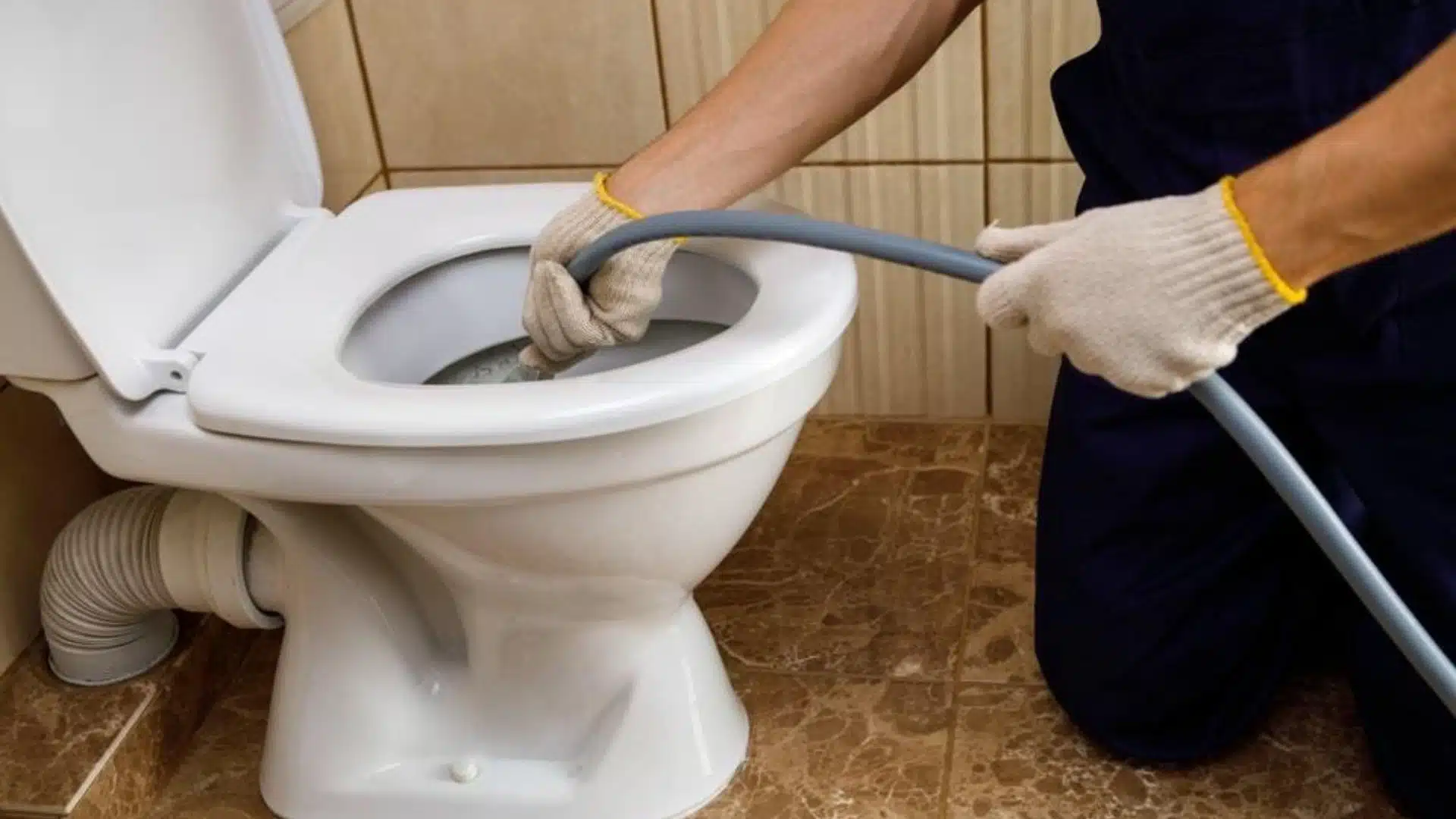
Different drainage issues often connect within the same system. For example, clogged sinks and toilet blockages may share underlying causes.
Common contributing factors:
- Shared pipework within the property
- Accumulated debris moving through the system
- Partial blockages that get worse over time
Blocked toilet solutions may only work for a short time if the problem is deeper in the drainage system.
Can DIY Drain Cleaning Resolve Minor Issues?
Some homeowners attempt DIY drain cleaning when they first notice a problem. This may help in some cases, but it’s important to know how far it goes.
DIY methods may include:
- Removing visible debris
- Using warm water to flush minor build-up
- Applying basic tools such as plungers
These methods might work for small problems, but they don’t work as well for bigger or more structural problems.
When Should You Call A Professional Plumber?
There are situations where it becomes necessary to consider when to call a professional plumber.
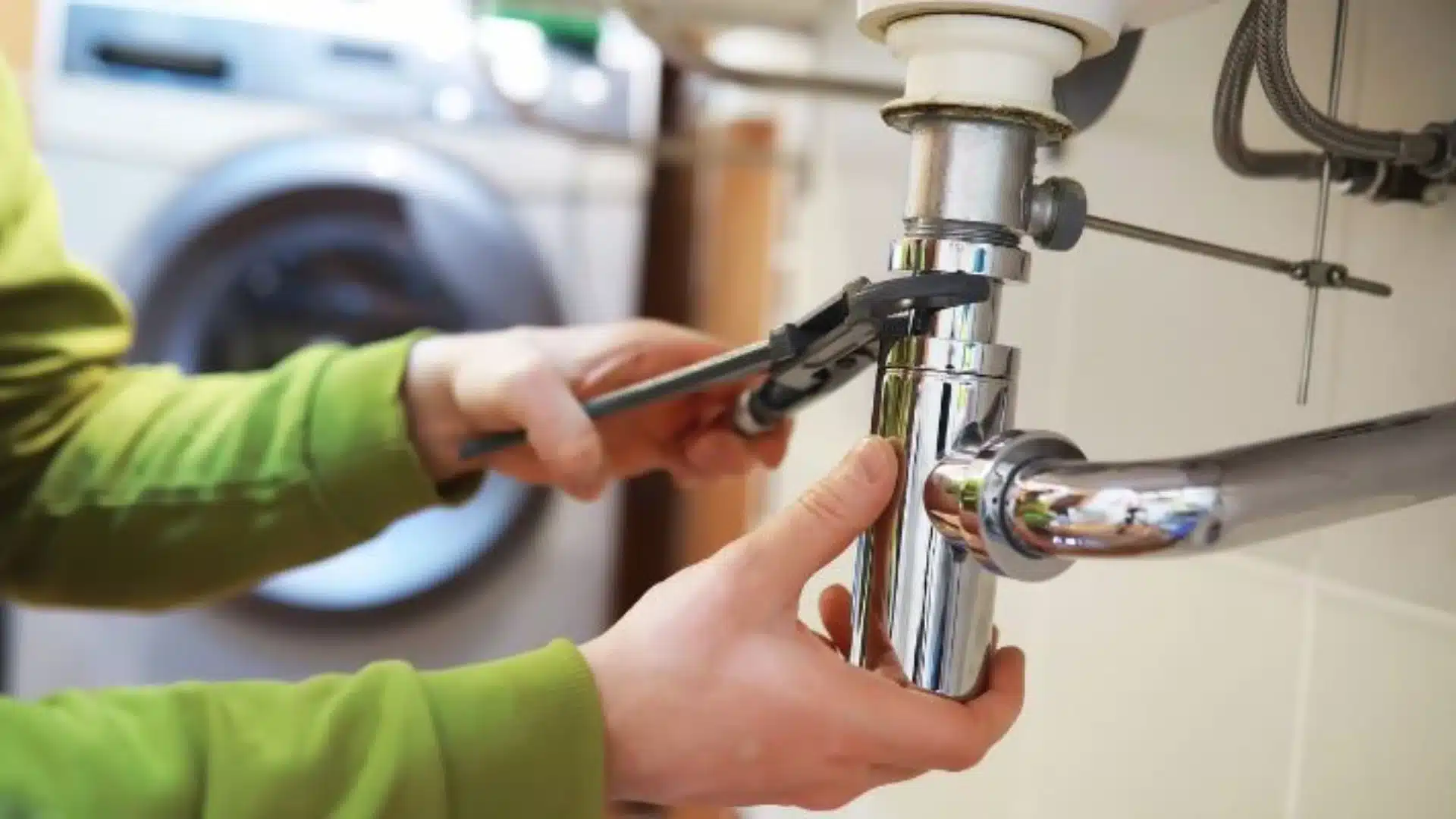
Such an action could be the right thing to do if:
- Multiple drains are affected at the same time
- Blockages return repeatedly after clearing
- Water begins to back up or overflow
- There are strong, persistent odours
In these situations, a professional evaluation can help find the root causes that aren’t obvious.
How to Prevent Blocked Drains at Home Effectively
Preventing blocked drains at home often involves consistent habits rather than reactive measures.
Practical prevention steps:
- Avoid pouring grease or oil down sinks
- Use drain covers to catch debris
- Dispose of non-flushable items properly
- Watch for early warning signs and act quickly
These steps might help keep the drainage solution working more consistently over time.
Why Prevention Is More Effective Than Repeated Clearing
Clearing blockages over and over may help for a short time, but it doesn’t always fix the root of the problem. Such an approach can cause problems to happen again and again, and it can also make maintenance more difficult.
Property owners can lower the chances of more serious drainage problems by focusing on prevention and finding them early.
Keep Your Home Flowing Smoothly with Precise Drainage Solutions
Managing blocked drains at home begins with knowing what causes them and how to stop them from happening. Minor problems might be easy to fix, but ones that keep coming back usually require a more structured approach. Precise Drainage Solutions offers careful, inspection-based services that find drainage problems and help find the best solutions with as little disruption as possible.
Get in touch with Precise Drainage Solutions today for expert help!
Frequently Asked Questions
1. What causes blocked drains in homes most often?
Food waste, grease, hair, and things that can’t be flushed down the toilet often build up in pipes, slowing down the flow of water and causing slow blockages.
2. Can DIY drain cleaning resolve all drainage problems?
If you have small problems, you might be able to fix them yourself, but if they are bigger or keep coming back, you should call a professional.
3. What are the early signs of a blocked drain?
Common signs that drainage problems are getting worse are slow drainage, unpleasant smells, and gurgling sounds.
4. When should I call a professional plumber?
If blockages keep happening, affect more than one drain, or cause overflow, it’s best to call in a professional.
5. How can I prevent blocked drains at home?
Avoid disposing of grease or non-flushable items in drains, and be vigilant for early warning signs to enable prompt action.