


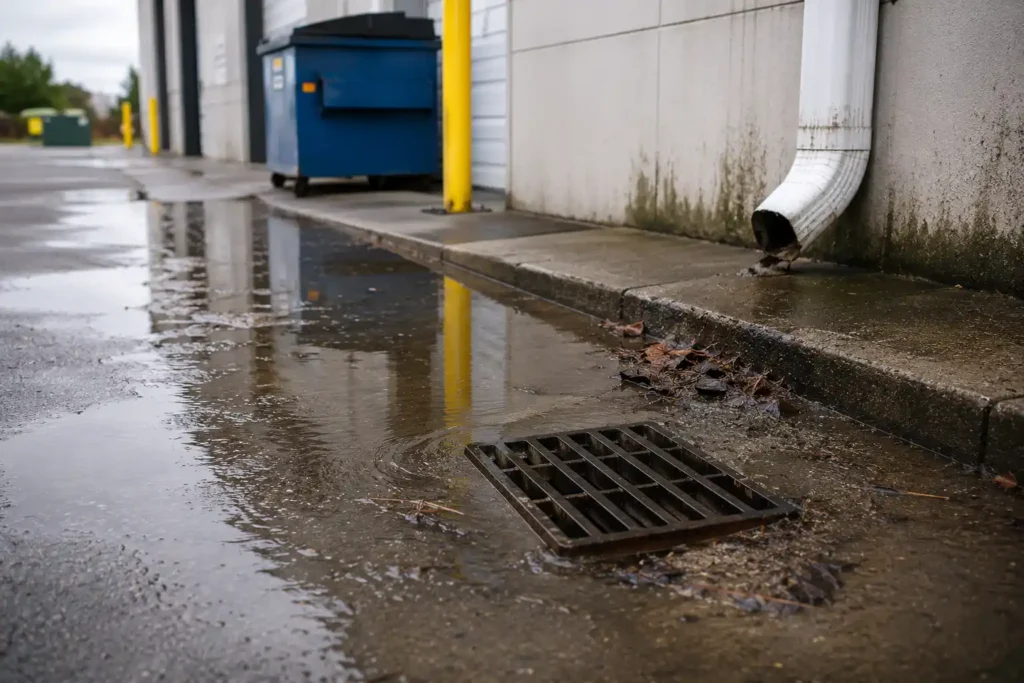

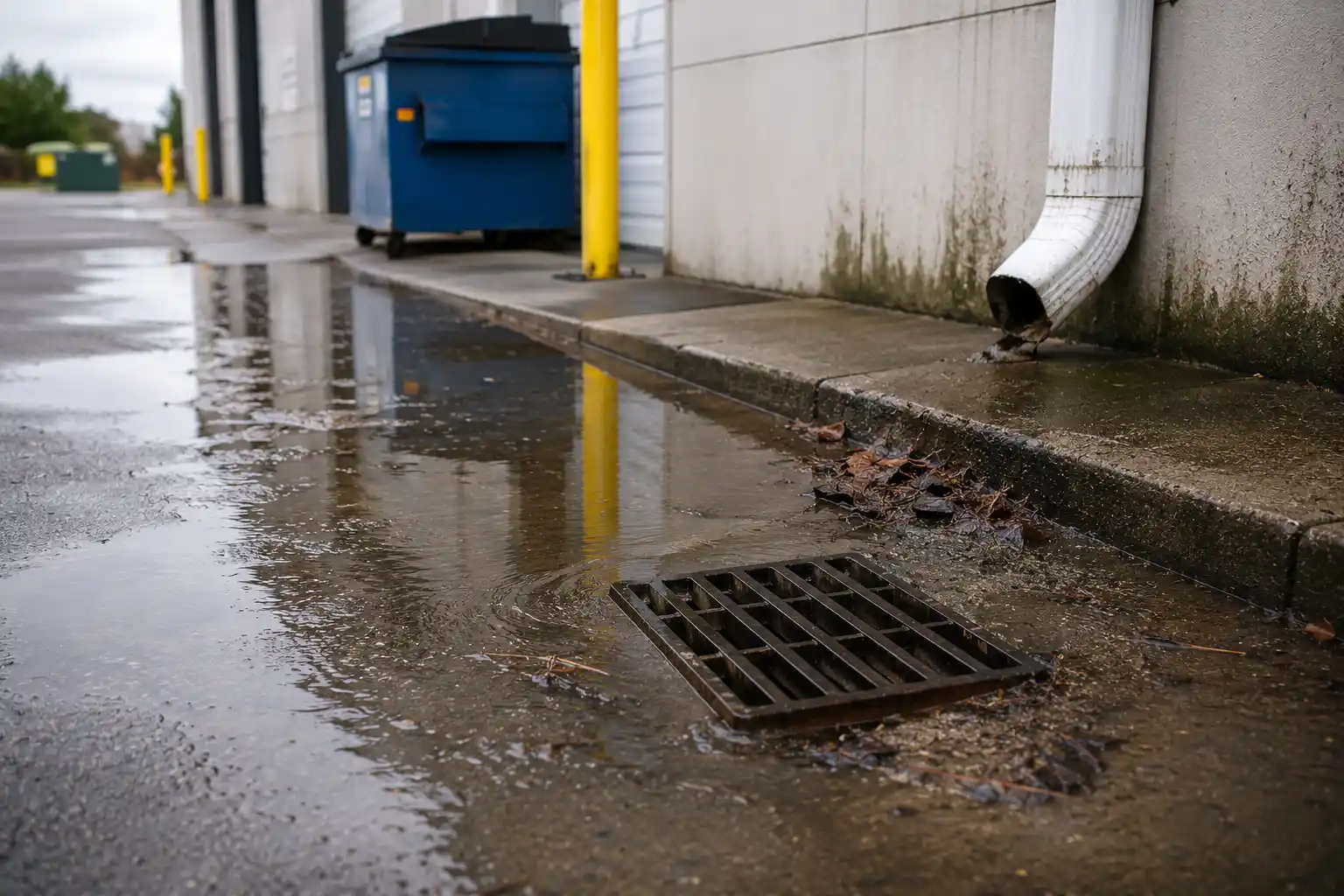
One of the most important, yet overlooked, parts of any business property is a commercial drainage system. The problem is that most of the network is underground, so issues can develop unnoticed until they start to impact day-to-day operations. Early recognition of the warning signs allows businesses to prevent disruption, property damage and costly emergency repairs.
“Did you know? According to the British Safety Council, employers are responsible for protecting the health, safety, and welfare of their employees, as well as managing workplace risks that could affect staff and visitors.”
At Precise Drainage Solutions, we often assist businesses in finding out about drainage problems before they become major operational issues. From a blocked commercial drain to a hidden structural defect, knowing the warning signs can help businesses take action before a small problem escalates into a costly issue.
Key Takeaways
- Drainage problems often begin with small warning signs before they become big problems.
- Don’t ignore slow water flow, unpleasant smells and frequent blockages.
- Hidden drainage defects can interrupt business operations and contribute to costs.
- Professional inspections help catch issues before they become a bigger problem.
- Emergency drainage work is usually pricier than early repairs.
What Does a Damaged Drainage System Look Like?
It is quite uncommon for drainpipe systems to collapse suddenly. Generally speaking, they showcase a chain of defects that become more evident over time.
But catching these signs is a big struggle for most companies, and if they miss the opportunity, it will cause not only disruption but also high repair costs.

When Water Starts Draining More Slowly Than Usual
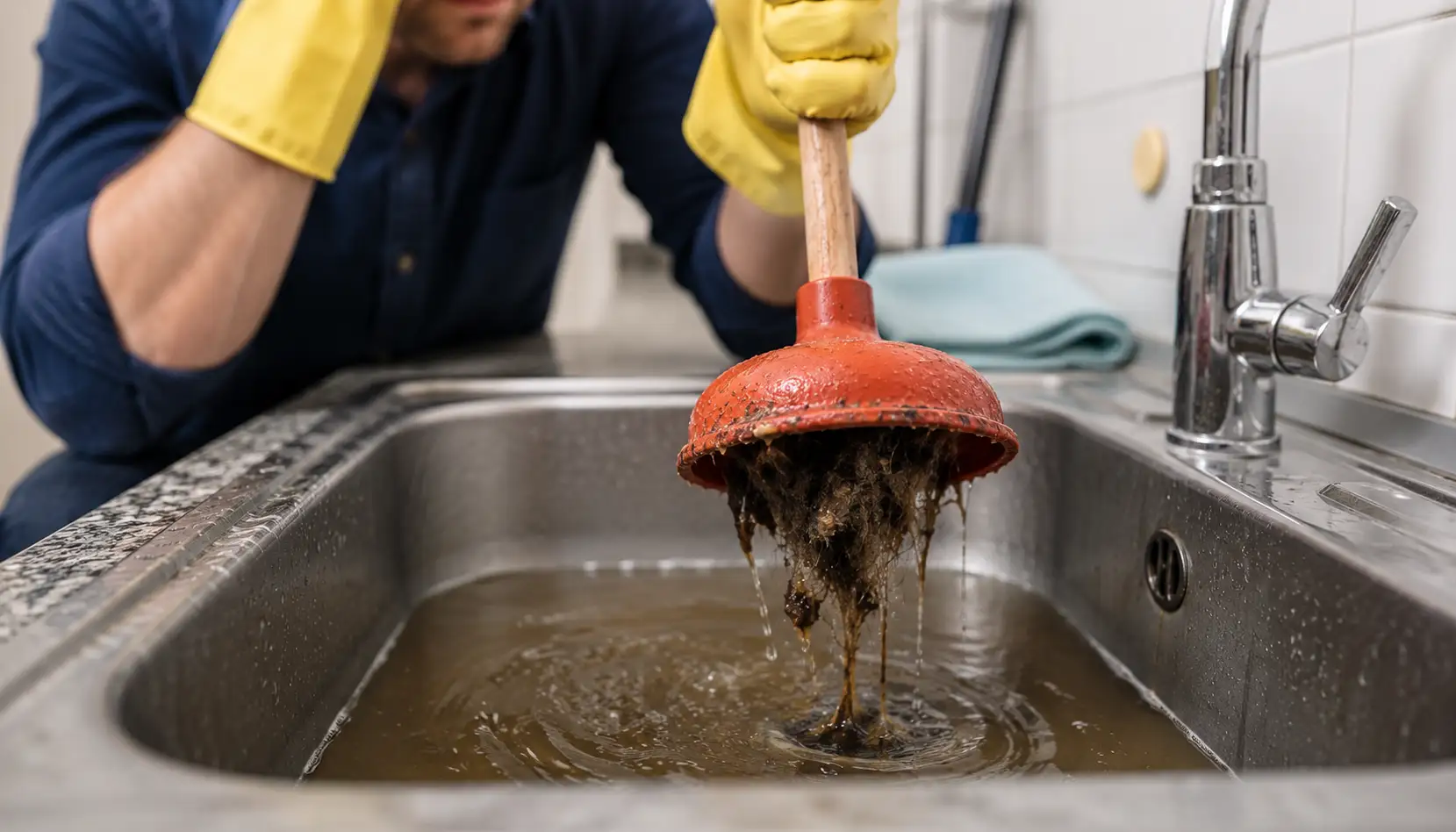
One of the earliest indicators of drainage trouble is slow drainage.
Water that takes longer than usual to drain from sinks, floor drains, washrooms, kitchens or service areas may indicate a developing blockage somewhere in the drainage system.
Possible reasons could be the following:
- Debris accumulation
- Grease build-up
- Partial pipe collapse
- Tree root intrusion
- Structural defects within the pipework
Slow-moving water may seem like a minor inconvenience at first, but it usually indicates a much bigger problem brewing under the surface.
Are Recurring Blockages Becoming a Regular Problem?
Well, it is normal for a commercial property to experience blocked drains from time to time. However, if the same problem keeps recurring, it is likely indicating a grave issue within the drainage system.
Regularly blocked commercial drains can sometimes be the symptoms of strip misalignment, root intrusion, sediment accumulation, structural defects or deteriorating pipework, which are the problems hidden beneath the surface that need to be fixed. After clearing the blockage, one feels that the problem has been solved, but the fix is only a temporary solution.
If the same drain keeps getting blocked repeatedly, something deep inside the drainage network is likely causing the problem. It will require a professional investigation to identify the issue and find a solution.
Why Bad Smells Are Often a Warning Sign
Persistent foul odours around a commercial property should never be ignored.
Unpleasant smells can indicate:
- Wastewater build-up
- Restricted flow within the system
- Trapped organic matter
- Damaged pipe sections
- Ventilation issues
A healthy drainage system should transport wastewater efficiently. Lingering odours often suggest that waste is not moving through the network as intended.
Is Standing Water Appearing Around the Property?
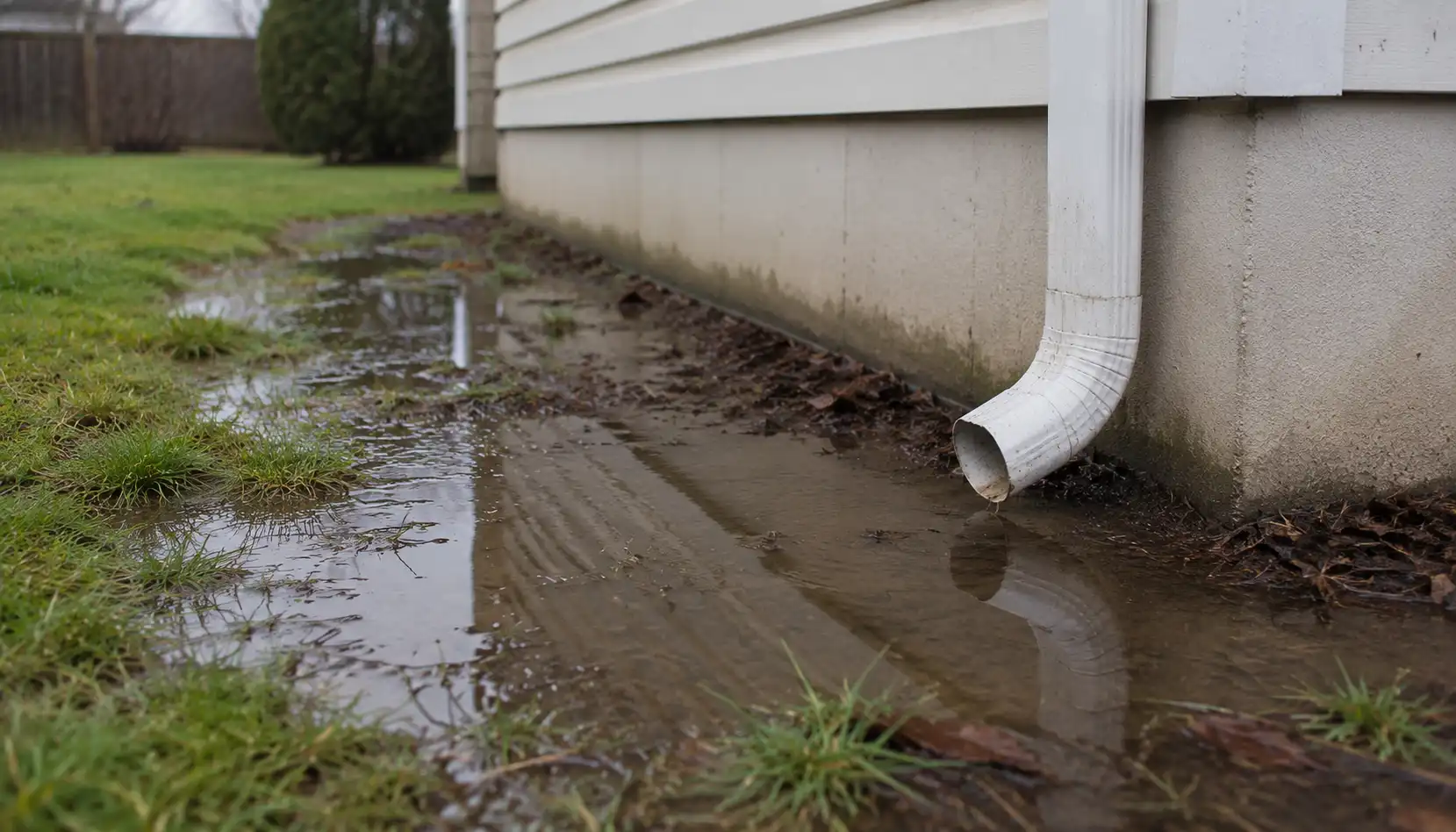
Water standing around drains, inspection chambers, loading bays, or outside paths is often a sign that the drainage system is not working properly. In commercial places, water collecting on the floor can give rise to several problems, which include mishap hazards, cleanliness issues, rapid wearing out of the building, and low customer satisfaction.
Besides that, it might hinder regular business activities, especially in places that receive many visitors. Such problems usually attract notice. This situation mostly occurs after heavy rains, when the drainage system is operating at full capacity and the damaged parts of the system are unable to handle larger amounts of water. Detecting the reason for standing water swimming in the first place will be very helpful in preventing major drainage problems.
When You Need Professional Investigation
When there are still some drainage problems hidden beneath the surface that cannot be detected by visual inspection, it is important to use other methods to identify them.
A professional commercial drain inspection can help uncover:
- Cracks and fractures
- Pipe displacement
- Root ingress
- Sediment accumulation
- Structural weaknesses
With the latest CCTV drain survey equipment, drainage engineers can now carry out a detailed inspection of underground drainage systems with minimal disruption to your business operations.
Could Structural Damage Be Developing Underground
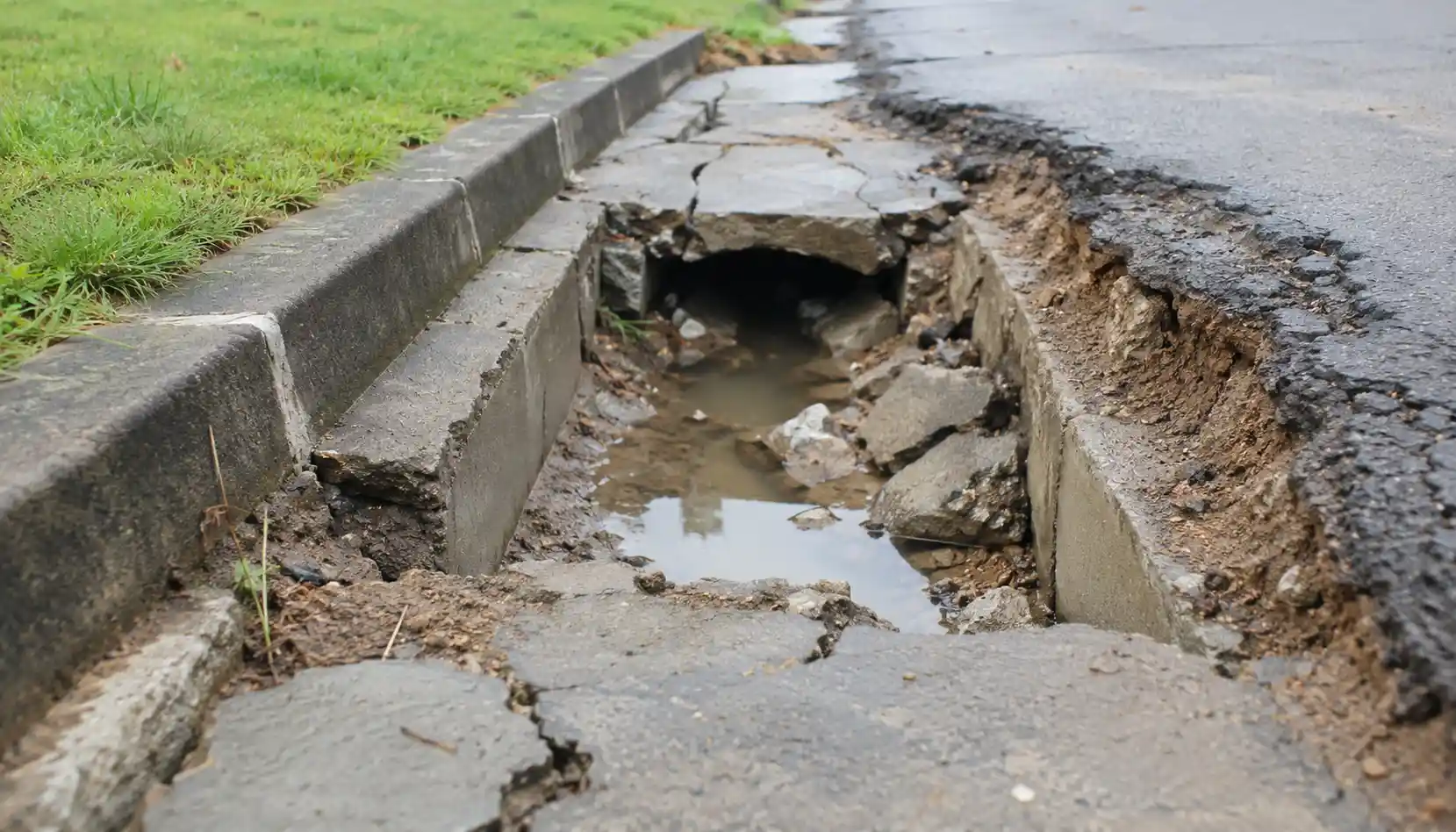
One of the most serious consequences of unresolved drainage issues is commercial drain damage. While surface issues are easy to notice, structural problems are changes that occur beneath the ground and usually go unnoticed until an expert inspects the area.
Several things may cause underground drainage problems such as soil movements, old pipes, heavy traffic, tree roots, and poorly done repairs. Over time, these factors may make the pipes less sturdy, reduce water flow, and even cause failures in the system.
Sadly, structural drainage defects are usually invisible, and one only becomes aware of them when they severely impact the drainage system or show signs of damage around the premises. If the problem had been detected early, the symptoms would not have appeared, making repairs less challenging and expensive.
Why Prompt Repairs Usually Save Money
Most businesses wait until they have a major failure before they address drainage problems. This, unfortunately, often leads to more expensive repairs and more disruption.
Timely commercial drain repairs can help:
- Reduce the likelihood of emergency callouts
- Protect surrounding infrastructure
- Minimise operational downtime
- Extend the lifespan of the drainage system
- Lower long-term maintenance costs
It is generally more economical to deal with problems early, rather than having to deal with massive damage or system failure later on.
Expert Commercial Drainage Support Starts Here
It is quite uncommon for a commercially damaged drainage system to totally destroy itself overnight. Things like slow drainage, getting blocked frequently, stinky smells, water that doesn’t get away, and still-hidden structural defects are some of the things that keep giving the warning signs of a major failure.
Commercials that notice the symptoms early can save themselves from unnecessary disruption, downtime, and costs of emergency repairs. Precise Drainage Solutions is a company that helps commercial property owners to track drainage problems through professional inspection, diagnostics, and long-term repair solutions. If you’re facing drainage issues regularly or just want to be certain your system is efficient, our skilled team is here for you.
Contact us now to keep your business safe from drainage problems that you could avoid before they affect your work.
Frequently Asked Questions
1. What is the most common sign of a damaged commercial drainage system?
One of the first signs of trouble is a slow flow of water and recurring blockages, which can often mean that there are developing problems within the drainage network.
2. Can drainage damage affect business operations?
Yes, drainage failures can cause safety issues, disrupt facilities, inconvenience customers, and cost businesses significant downtime.
3. How often should commercial drains be inspected?
The frequency of inspections depends on the type of property and its use, but having professionals examine the property on a regular basis can help to identify issues as they develop before they become worse.
4. Can CCTV surveys identify hidden drainage problems?
Yes, CCTV pipe inspections give detailed insight into the interior of pipes, enabling engineers to pinpoint damage, blockages and structural weaknesses.
5. Are foul smells always a sign of drainage damage?
Persistent odours, not always present, can indicate restricted wastewater flow, trapped debris or issues with the drainage system below.