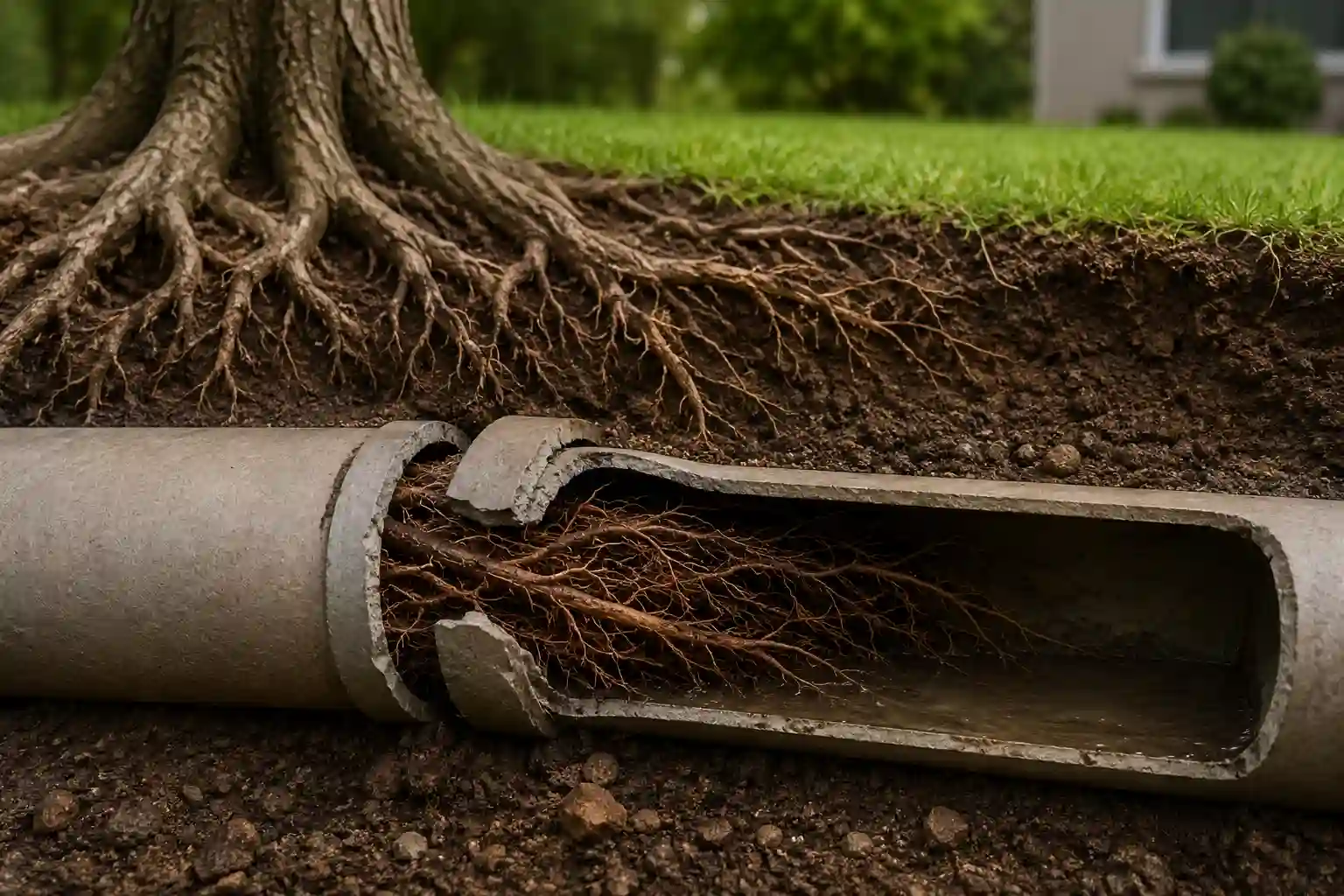
Fats, oils, grease, and other non-flushable materials often lead to clogged drains in the UK. This makes pipes unable to hold water over time. Things that shouldn’t be in the drainage system often cause sewer blockages, according to Water UK .These things can make the flow much less efficient.
When flow is stopped, property owners often look into blocked drain jetting as a way to fix it. Understanding the workings of this process and determining its appropriateness ensures a planned and knowledgeable solution to drainage problems.
Before recommending any action, Precise Drainage Solutions usually looks at the symptoms and inspection results to see what the problem is. This guide talks about how water jetting is used in modern drainage care.
Key Takeaways
- Water jetting uses pressurised water in a controlled way to get rid of debris.
- Assessment helps figure out if jetting is the right choice.
- Internal build-up is a common cause of problems that keep coming back.
- Different problems with drainage need different solutions.
- Professional evaluation leads to more dependable results
So, what is high-pressure water jetting exactly?
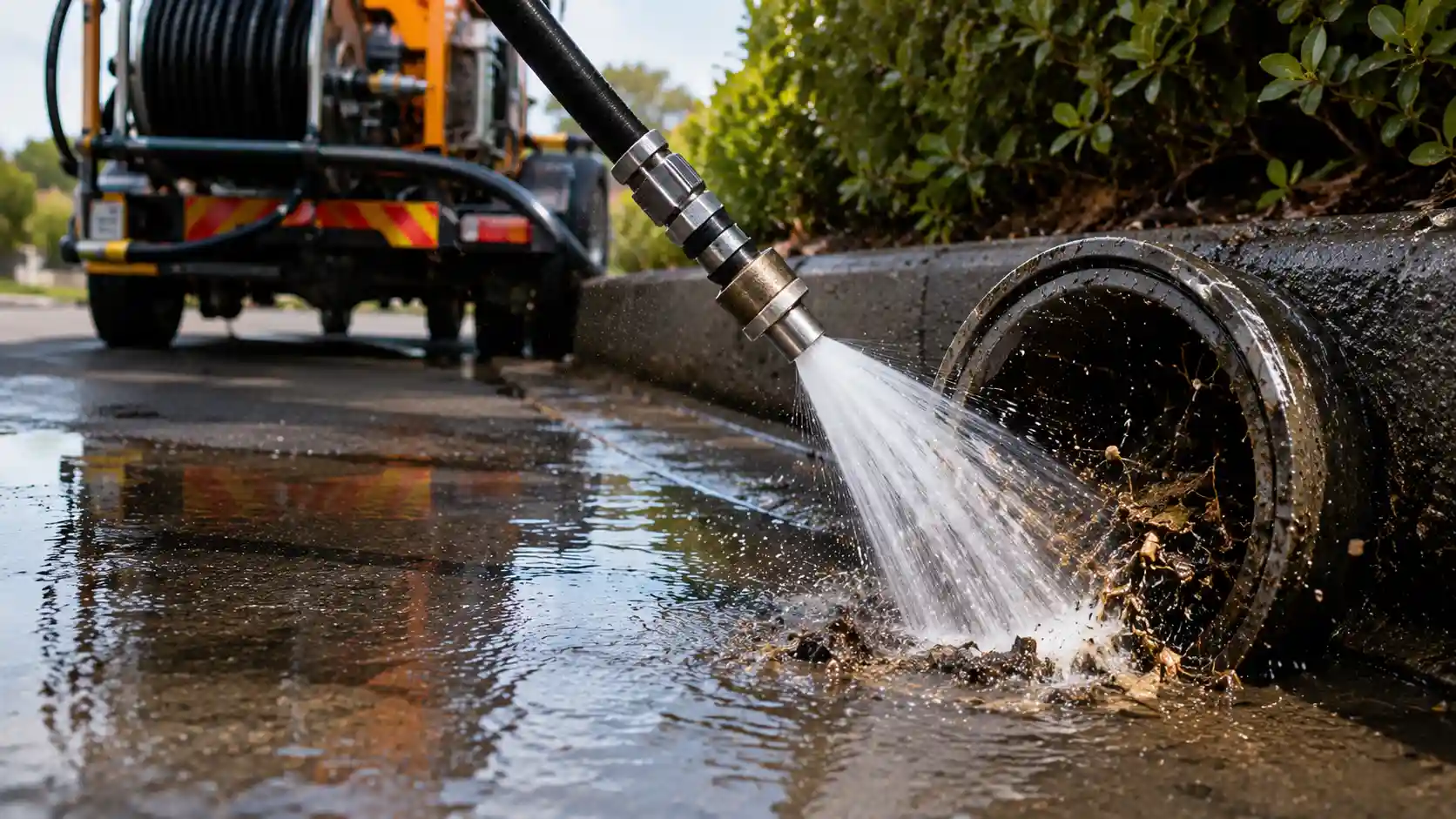
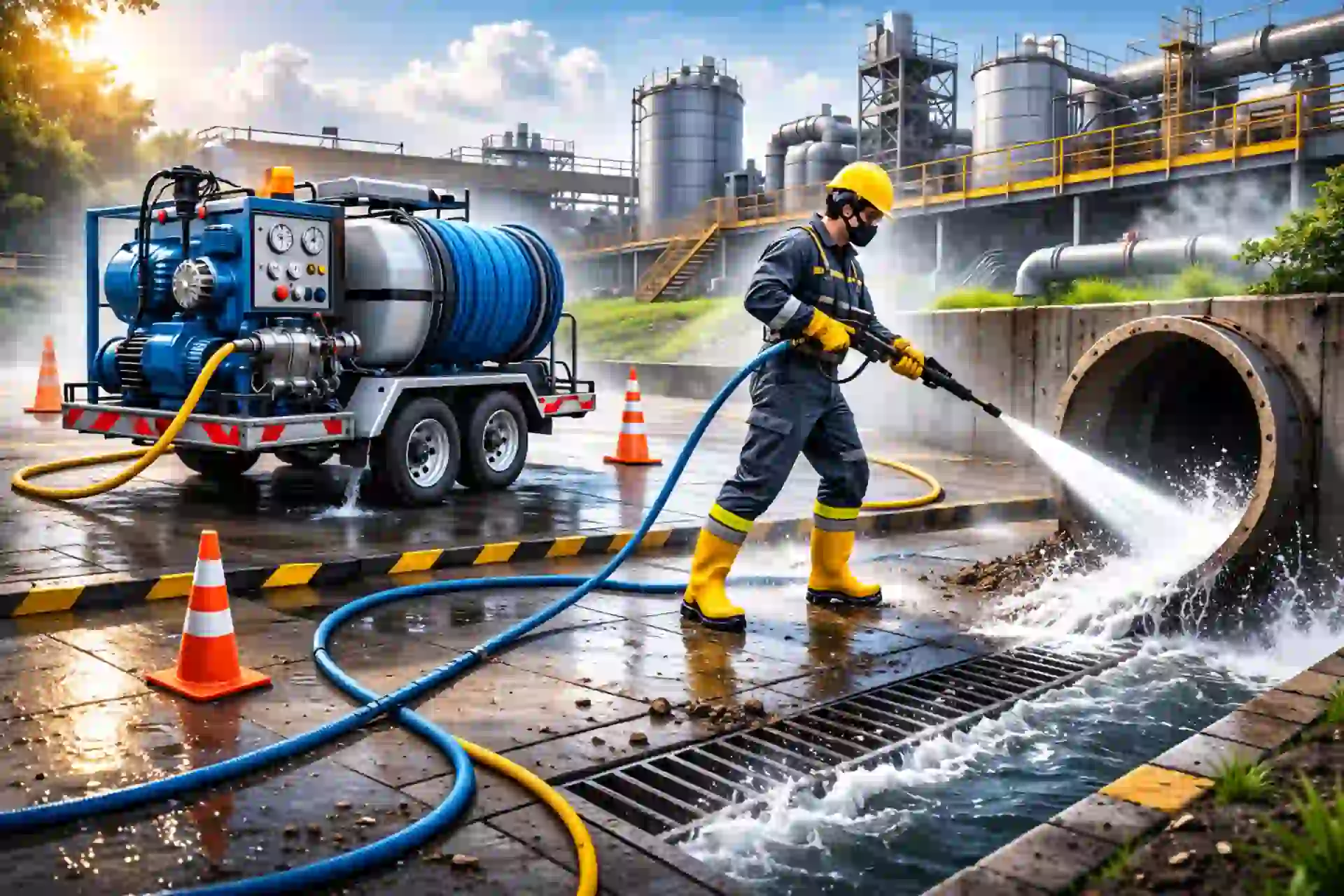
High-pressure water jetting is a professional way to drain water. It uses controlled streams of pressurised water to clear away debris and get the water flow back to normal. The method is often meant to clear away material that has built up along the walls of pipes, not just move one obstruction.
This method might be used when:
- Debris lines internal pipe surfaces
- Grease accumulation restricts capacity
- Recurring slow drainage suggests build-up
- Flow problems extend beyond a single location
The process is more about fixing the condition of the pipes inside than just getting rid of visible blockages.
How does drain jetting work in practice?
Understanding how drain jetting works helps explain why it is usually used as a last resort rather than as a default solution.
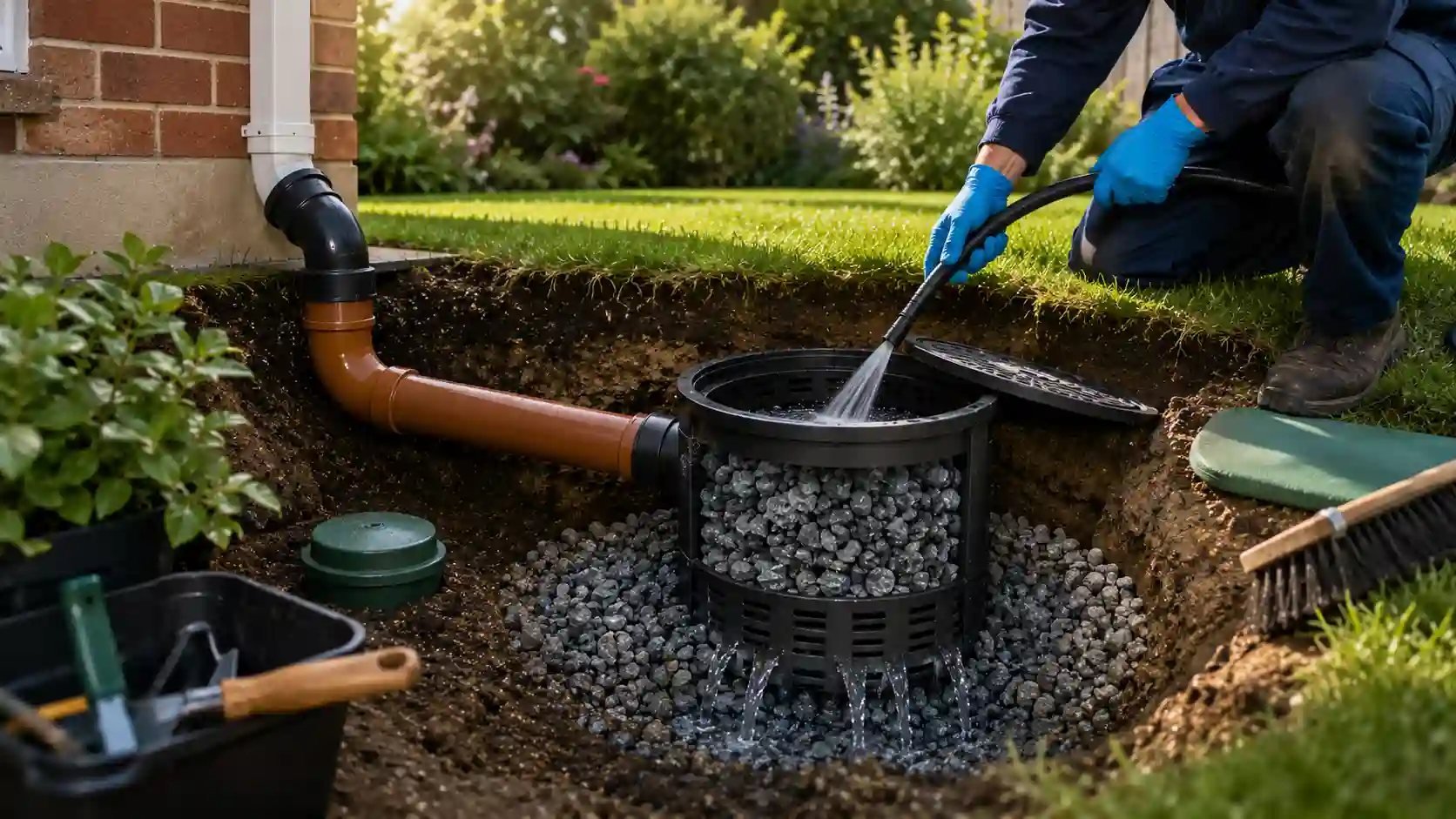
A specialised hose is inserted into the drainage system through a hole. Controlled water pressure is sent forward through the pipes to:
- Break apart soft obstructions
- Dislodge debris adhered to pipe surfaces
- Flush waste through the system
- Improve overall water movement
Because water pressure is applied carefully, the condition of the pipe and the type of obstruction usually determine whether it is suitable.
When is drain jetting usually considered?
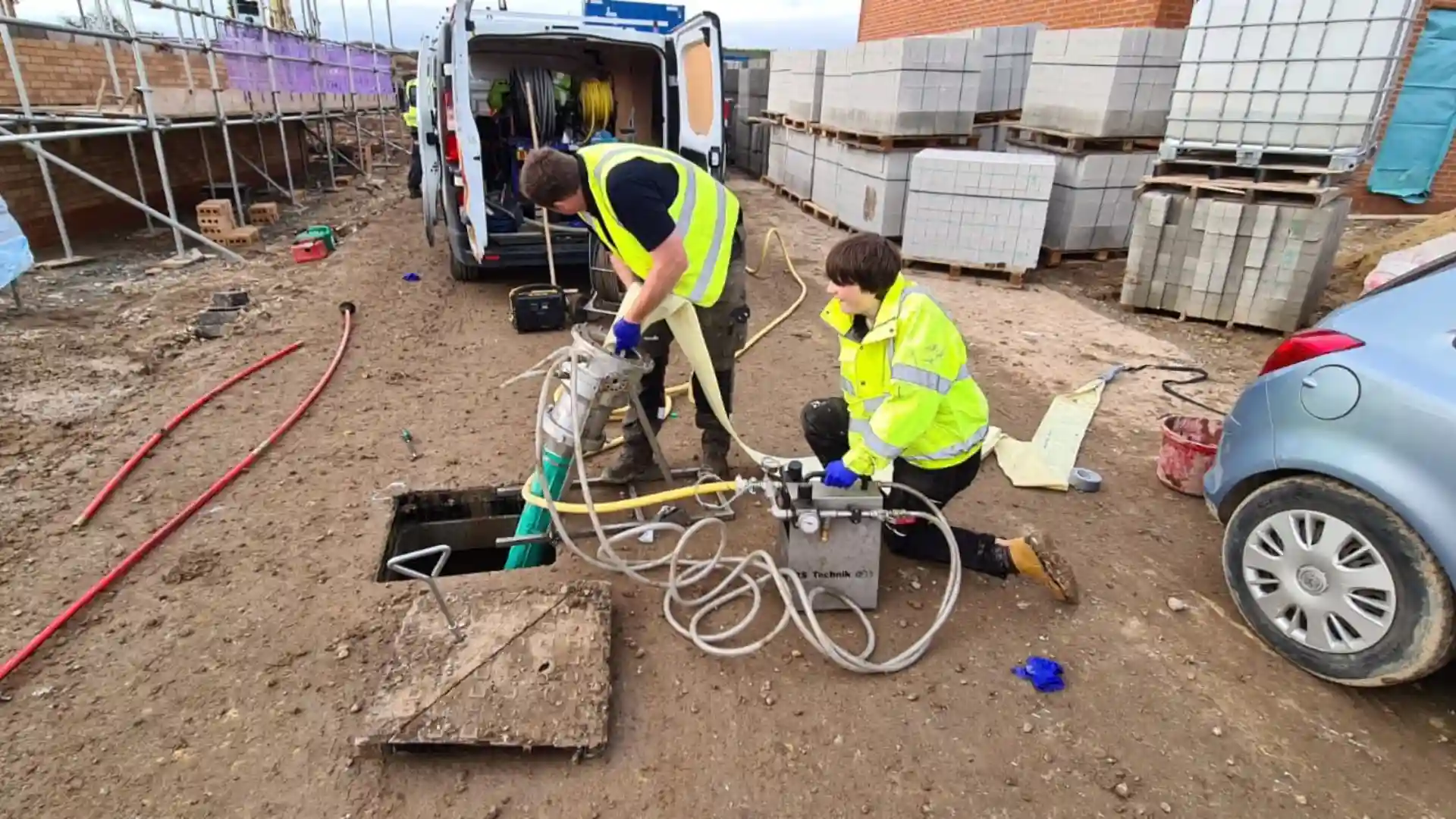
When symptoms point to an internal build-up rather than a single object affecting flow, drain jetting is often looked into.
Some common signs are:
- Recurring slow drainage
- Persistent odours linked to restricted flow
- Multiple fixtures affected simultaneously
- Previous clearing provided only temporary relief
In these cases, a more thorough cleaning method may help performance stay more consistent.
What is the difference between jetting and basic clearing?
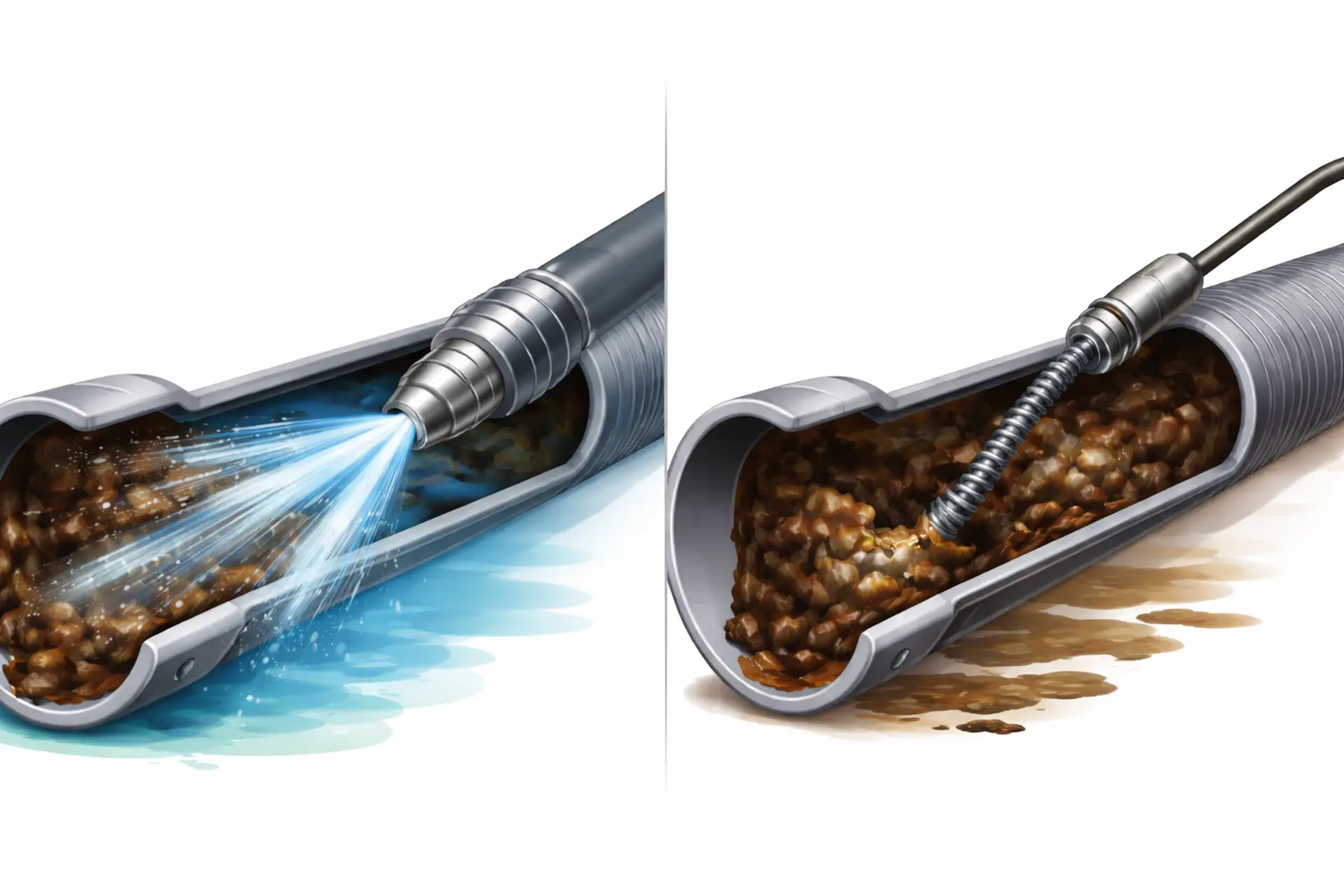
People who own property and want to know how to clear blocked pipes may come across a number of different methods. The difference is usually whether the method treats the symptoms or the condition of the pipes inside.
Approach | Focus | Typical Outcome |
Surface clearing | Removes immediate obstruction | Short-term relief |
Water jetting | Removes build-up and debris | Potentially improved flow condition |
Inspection-led response | Identifies underlying cause | More informed corrective action |
This comparison shows why structured assessment is usually the first step before choosing a method.
How jetting fits into broader drainage care
Professional evaluation often considers jetting as one component within wider drainage solutions rather than a standalone fix.
A structured approach may include:
- Symptom review
- Inspection of accessible drainage points
- Identification of obstruction characteristics
- Selection of appropriate corrective method
- Preventative guidance where relevant
This process helps people make decisions based on facts instead of trying things over and over again.
Why assessment usually comes before jetting
In practice, blocked drain jetting is usually only done after looking at the condition of the system, how often it happens, and what kind of obstruction it is.
This measured approach helps determine whether:
- Build-up is widespread
- Pipe condition supports pressurised cleaning
- Alternative methods may be sufficient
- Further investigation is appropriate
When professional drainage support may be appropriate
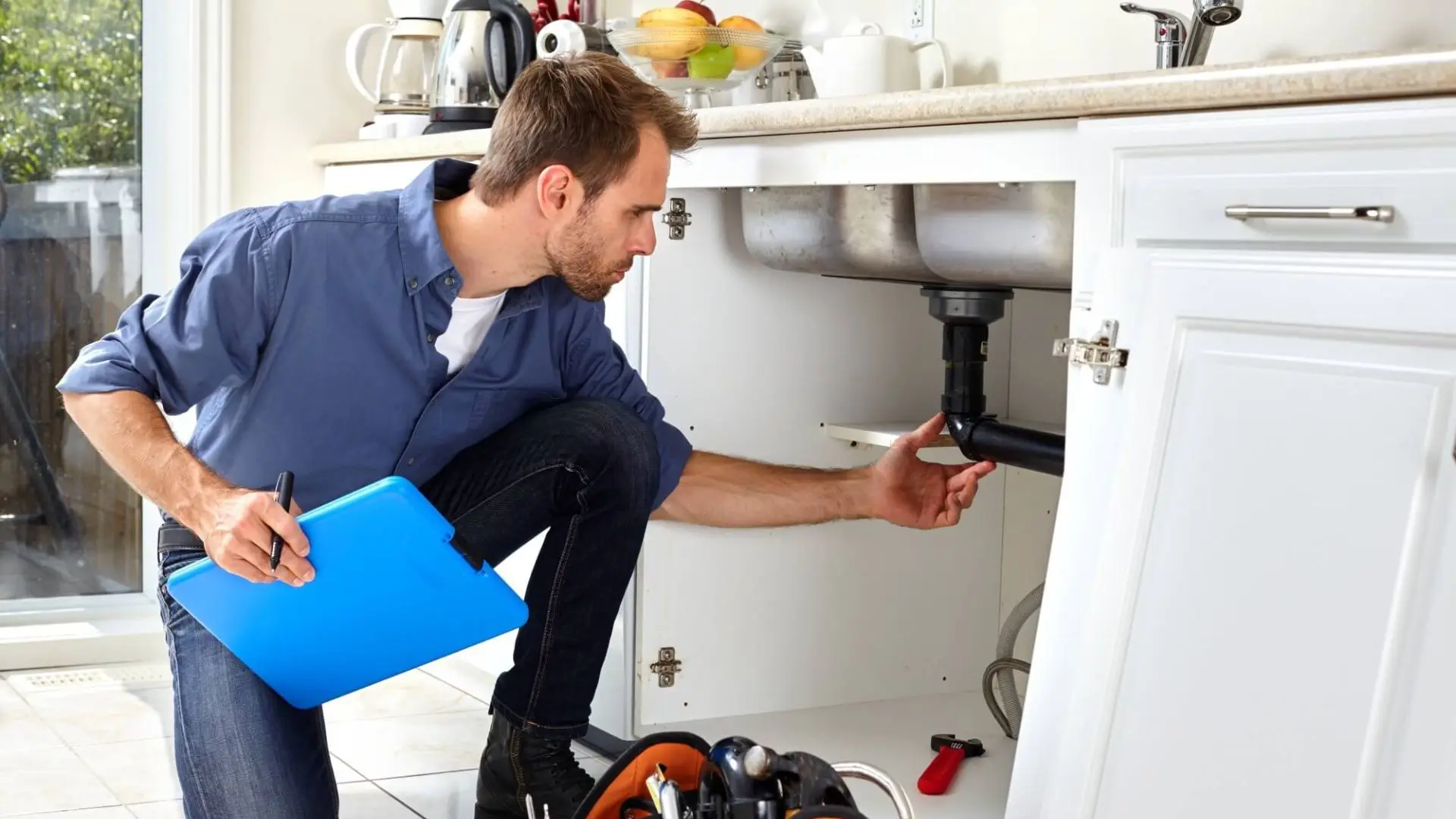
If symptoms don’t go away after trying to clear the drain several times, targeted drain unblocking services may be able to find and fix the root of the problem.
Professional support is often considered when:
- Blockages return quickly after clearing
- External drainage shows signs of restriction
- Water flow problems affect multiple fixtures
- Odours or slow drainage persist
Before suggesting an intervention, assessment usually focuses on understanding the system.
Restore reliable drainage with informed action
Persistent drainage issues are rarely caused by just one simple blockage. Understanding whether blocked drain jetting or another method is appropriate starts with a careful assessment of your pipe system and its overall condition.
Based on a thorough inspection, Precise Drainage Solutions provides structured evaluations and practical recommendations tailored to your property. Getting a professional opinion helps you clearly understand the issue and decide on the most effective next step if your drainage problems keep returning.
Contact us today to book a professional drainage assessment and restore proper flow to your system.
Frequently Asked Questions
1. Is water jetting safe for all pipes?
Suitability depends on the age, condition, and material of the pipe. An assessment helps figure out if controlled pressurised cleaning is the right choice for the drainage system in question.
2. Does jetting permanently fix blockages?
It might help the flow by getting rid of buildup, but the long-term results depend on the reasons for the build-up, how often the pipes are used, and their condition.
3. When is jetting preferred over basic clearing?
It might be thought about when internal build-up limits capacity or when blockages happen again and again, which could mean that more build-up is happening in the pipe.
4. Do all drainage problems require jetting?
No. Different problems need different solutions. Choosing a method usually depends on what you find during the inspection and the system’s features.
5. How quickly can jetting restore flow?
The process can restore flow during intervention when necessary, but the results depend on the type of obstruction and the condition of the system.