The age, condition, and use of a property’s pipes can all affect how serious its drainage problems are. When things go wrong, homeowners usually have two main choices for fixing them: drain relining or full replacement. You need to know exactly how the system is doing and what the best long-term fix is to choose between them.
“Did you know, According to the UK Government’s housing guidance, hidden problems like drainage issues are often found during property assessments and may need to be looked at by a specialist before repairs are planned?”
This shows how important it is to get the right diagnosis before choosing a way to fix something. At Precise Drainage Solutions, we usually use an inspection-led approach to carefully check drainage systems. This helps property owners choose solutions based on what is actually going on instead of what they think is going on.
Key Takeaways
- Not every drainage problem needs a full replacement.
- Relining works for some kinds of damage inside.
- If the structure fails badly, it may need to be replaced.
- Costs depend on how easy it is to access and how bad the damage is.
- Decisions made after an inspection are more likely to be correct.
What Is Pipe Relining and How Does It Work?
A common question is “What is pipe relining?” and how does it differ from traditional repairs?”
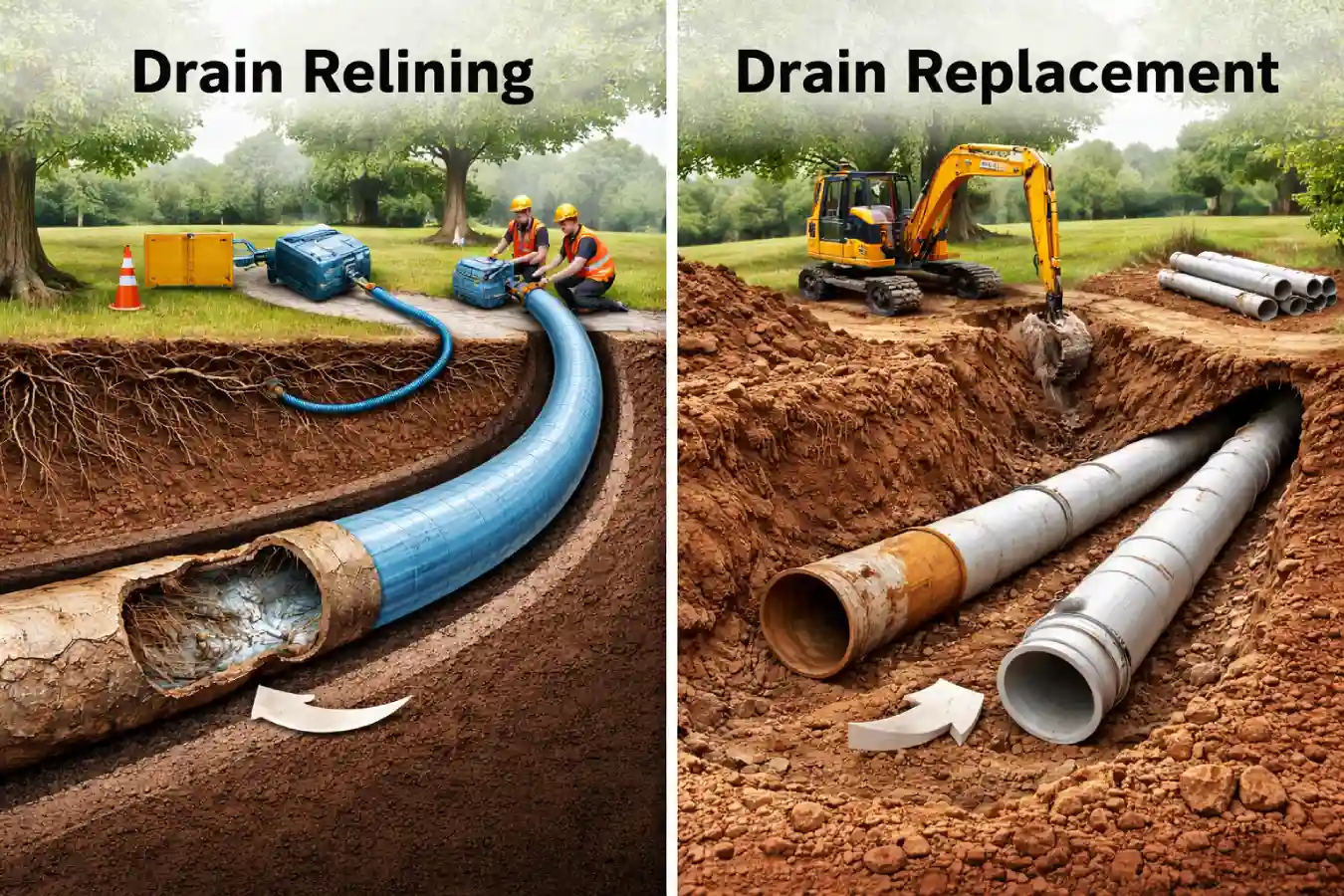
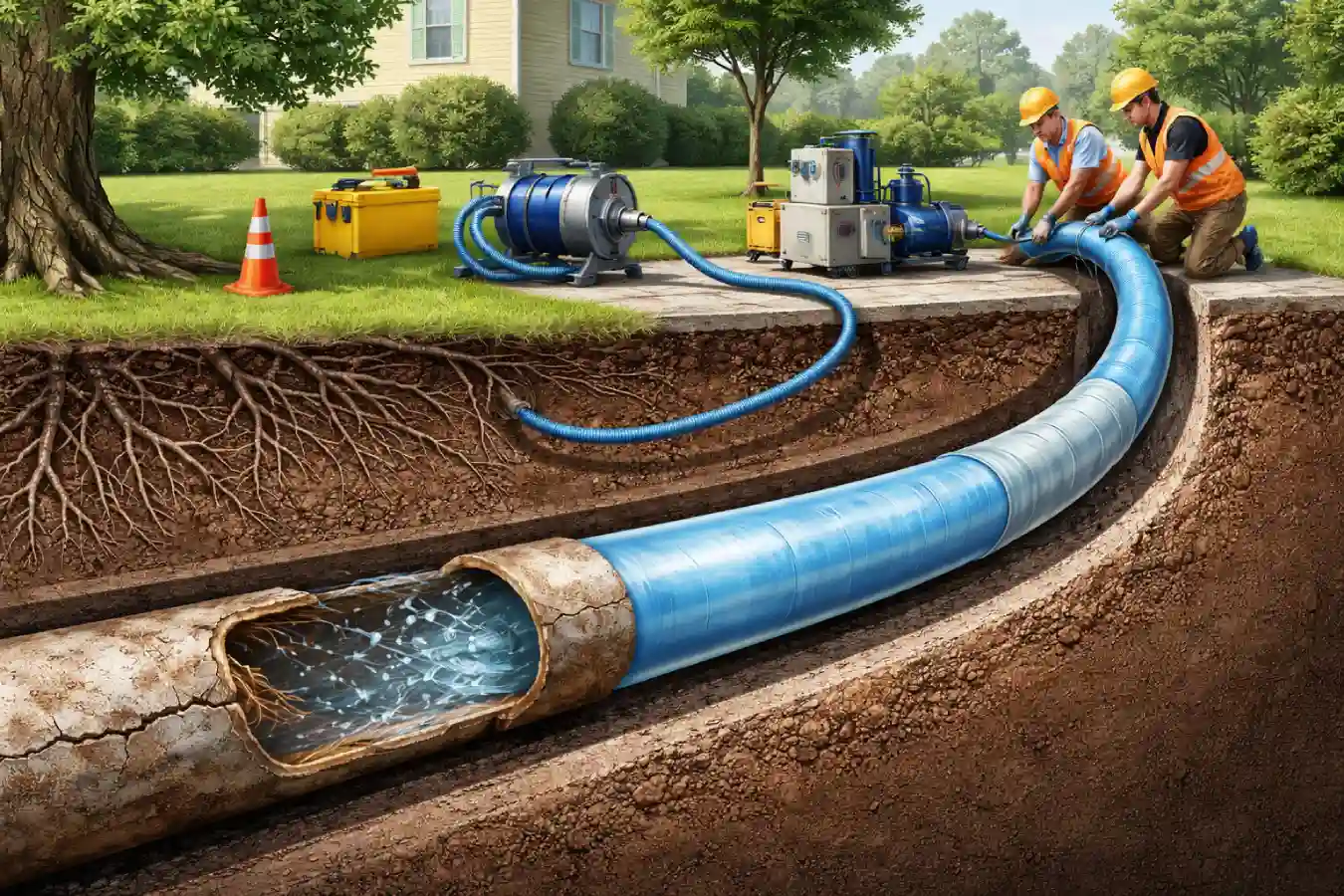
Pipe relining is a trenchless method that uses a resin-coated liner to cover an existing pipe. Thereafter, this liner is cured to make a new inside surface in the original pipe.
Main features:
- Minimal excavation required
- Existing pipe structure is retained
- Suitable for certain types of internal damage
This method is usually used when the pipe is still structurally sound but has cracks, leaks, or minor bends.
Drain Relining Benefits for Homeowners
Knowing the drain relining benefits can help you understand why it is often seen as a wise choice.
Possible benefits include the following:
- Reduced disruption to property and landscaping
- Faster completion compared to excavation
- Lower risk of structural disturbance
- Restoration of internal pipe integrity
It is important to note, though, that relining may not be the best option in all cases, especially when the pipe has collapsed a lot.
Not Sure If Drain Relining Is the Right Solution? Get Expert Advice Today!
When is a Drain Replacement Necessary?
In some situations, replacing a drain pipe may be the more appropriate solution.
You might need a new one if:
- The pipe has fully collapsed
- The structure is badly damaged.
- Multiple sections are misaligned
- Previous repairs have not been effective
A severely damaged drain pipe may not support relining, making full replacement the more reliable option. In such situations, Precise Drainage Solutions can assess the condition of the pipe and recommend whether a complete replacement is the most effective long-term solution.
Choosing Between Drain Relining and Replacement
When you compare drain relining and drain replacement, you can see that they are two completely unique ways to fix drainage problems. Most people think of drain relining as a non-invasive or minimally invasive method, which makes it a good choice for pipes that are damaged on the inside. It usually takes less time to install and doesn’t bother the property around it as much.
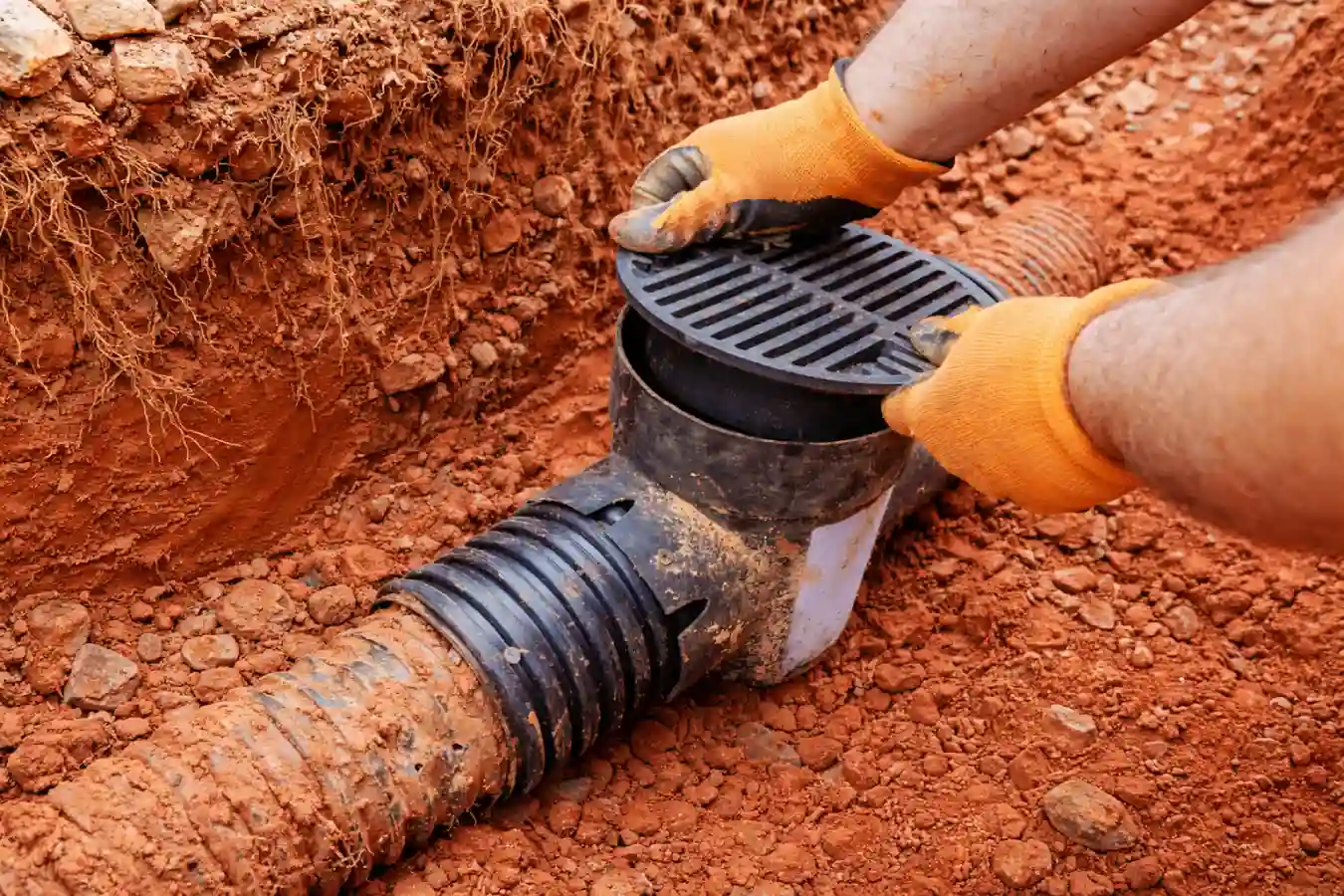
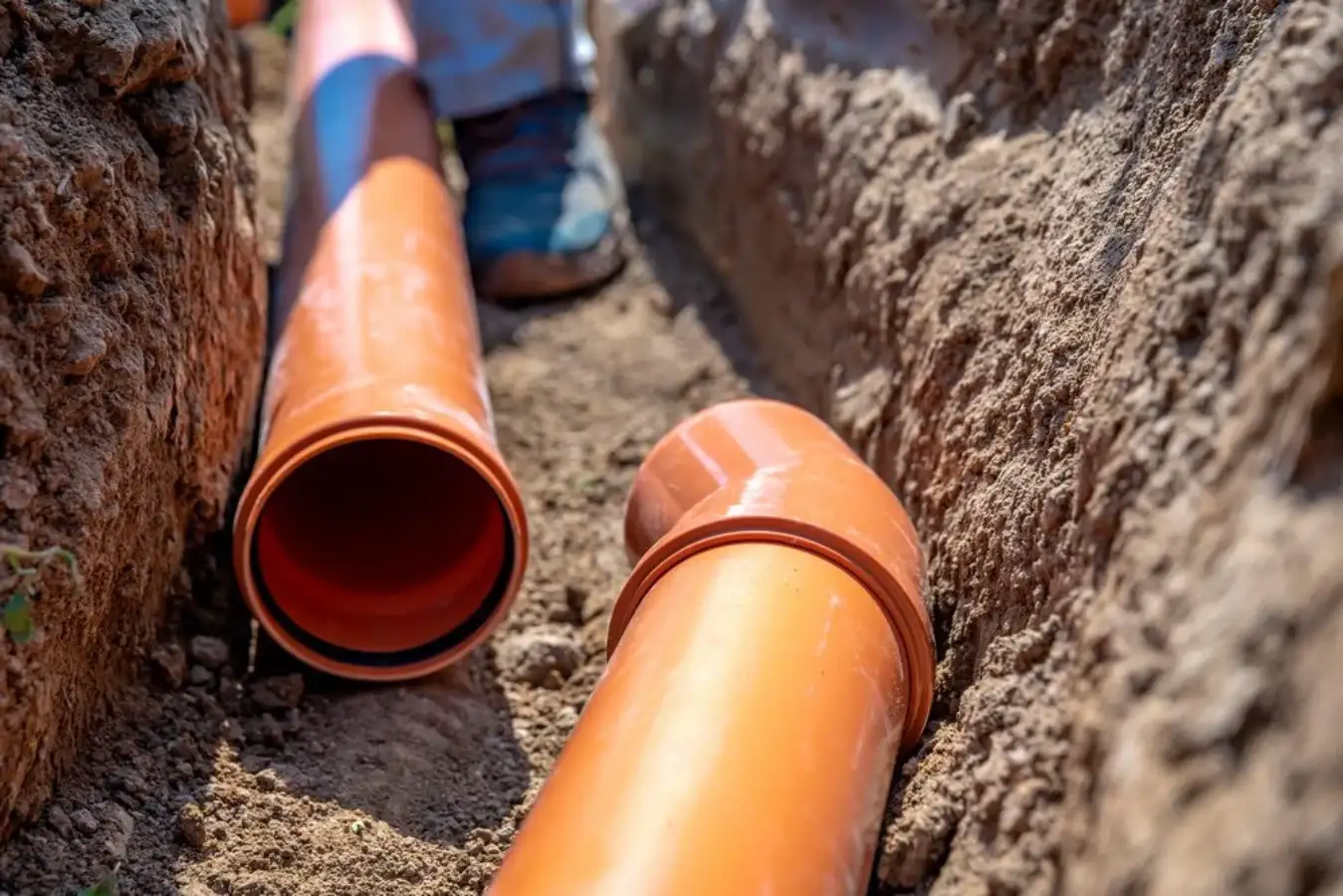
On the other hand, replacing a drain usually means digging it up, which is better for cases where the pipes are badly damaged or have broken. This method requires more work, but it might be necessary to fix long-standing structural problems properly.
Ultimately, the best choice depends on how well the drainage system is working as a whole. A thorough inspection is the best way to find this out.
Understanding Drain Replacement Cost Considerations
The drain replacement cost is often a major factor when making a decision.
Prices may change depending on:
- Depth and location of the pipe
- Accessibility of the site
- Extent of excavation required
- Length of pipe being replaced
Replacement usually requires more work, which can make it more expensive than relining. But in some cases, it might be necessary for long-term reliability.
Related Blog: Drain Unblocking Costs in the UK 2026: What Homeowners Need to Know
Signs That You Need to Replace Your Drain
Identifying signs that you need a drain replacement can help you take action at the right time.
Common signs:
- Blockages that happen often and over and over
- Leaking that doesn’t stop even after repairs
- Ground movement or subsidence that you can see
- Strong smells or slow drainage across several fixtures
These signs could mean that the drainage system has bigger structural problems.
Noticing These Signs? Speak with Our Drain Survey Specialists Today!
A Fair Way to Choose
Sometimes it’s difficult to choose between getting a new one and fixing something. A balanced approach means the following:
- Finding out how bad the damage is
- Thinking about how it will work in the long run
- Looking at the costs and disruptions
- Going over the results of a professional inspection
An inspection-led process can clarify the situation, enabling homeowners to avoid unnecessary work while still addressing the core issue.
Make Informed Drainage Choices with Professional Evaluation
Special tools are often necessary to assess the effectiveness of a drainage system, as it can be challenging to determine its performance without them. A professional inspection can help find the exact location of problems, figure out if relining is a good choice, point out any structural problems, and help with more accurate repair planning. This method makes things less uncertain and helps people make better decisions.
Choosing between drain relining and replacement comes down to knowing exactly how your system is doing and what it needs in the long term. In some cases, relining may be a less disruptive solution, but if the damage is more extensive, replacement may be necessary. An inspection-led approach makes sure that the solution you choose is both right and dependable.
Precise Drainage Solutions helps homeowners make smart choices that take into account cost, disruption, and long-term performance by focusing on accurate assessments and useful suggestions.
Reach out to us to set up your drainage consultation!
Frequently Asked Questions
1. What is pipe relining used for?
It makes a new lining inside the pipes that can repair cracks, leaks, and moderate structural damage without having to dig them up.
2. Is drain relining better than replacement?
It all depends on the situation. Relining is beneficial for pipes that are only slightly damaged, but replacement is needed for pipes that are severely damaged or have fallen down.
3. How do I know if I need to replace a drain pipe?
If problems keep happening, the structure is damaged, or repairs don’t work, it may be time to replace it.
4. What affects drain replacement cost in the UK?
The repair cost depends on the excavation depth, pipe length, accessibility, and repair complexity.
5. Can a damaged drain pipe always be relined?
Not always. Pipes that are badly damaged or have fallen down usually need to be completely replaced instead of just relined.