
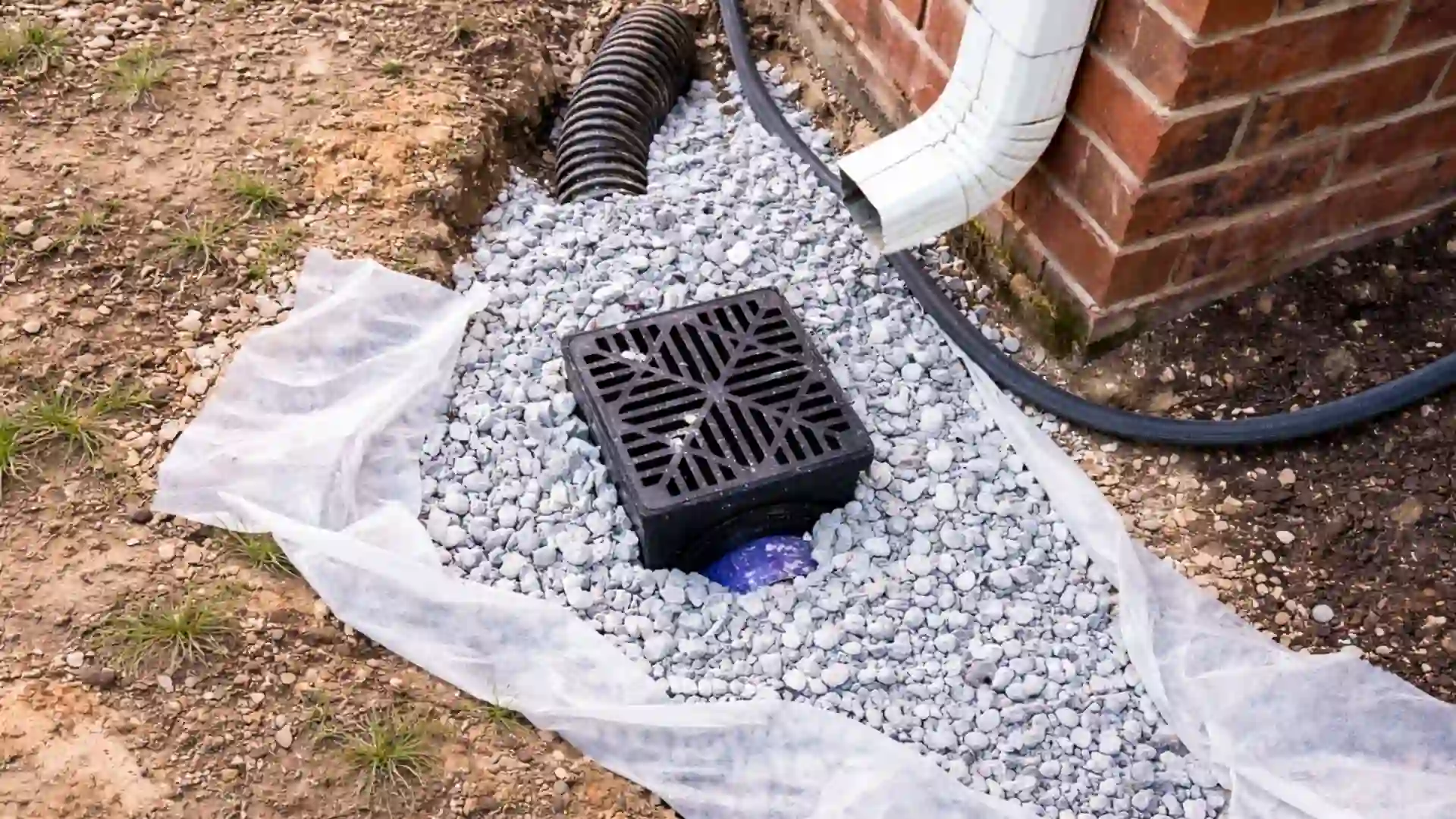
In the UK, autumn often brings long periods of rain, falling leaves, and more pressure on property drainage systems from surface water. Getting your rainwater drainage system ready before the busiest times of the year for rain can help keep the water flowing smoothly and lower the risk of problems. At Precise Drainage Solutions, preparation usually means doing a practical inspection and preventative maintenance based on how the system looks instead of making assumptions.
“Did You Know? According to the Environment Agency, heavy rainfall significantly increases the risk of surface water flooding when drainage pathways are restricted or overwhelmed.”
This shows why getting ready for early fall can be a beneficial idea for homeowners who want to ease the stress on their drainage during the winter.
Key Takeaways
- Rain in the fall puts more stress on drainage systems.
- Early inspection helps find new restrictions that are forming.
- Debris on the surface is a common cause of blockages.
- Structured assessment may be needed for problems that keep coming up.
- Preparation helps drainage work well during the rainy season.
Why autumn rainfall puts extra pressure on drains
Autumn brings together several environmental factors that can slowly change how well drainage works:
- Increased leaf debris entering surface drains
- Higher rainfall volumes over shorter periods
- Soil saturation reducing natural absorption
- Early signs of rainwater drainage problems
Delaying preventative checks can impact both residential and commercial drainage paths.
What happens when outdoor drains are not prepared?
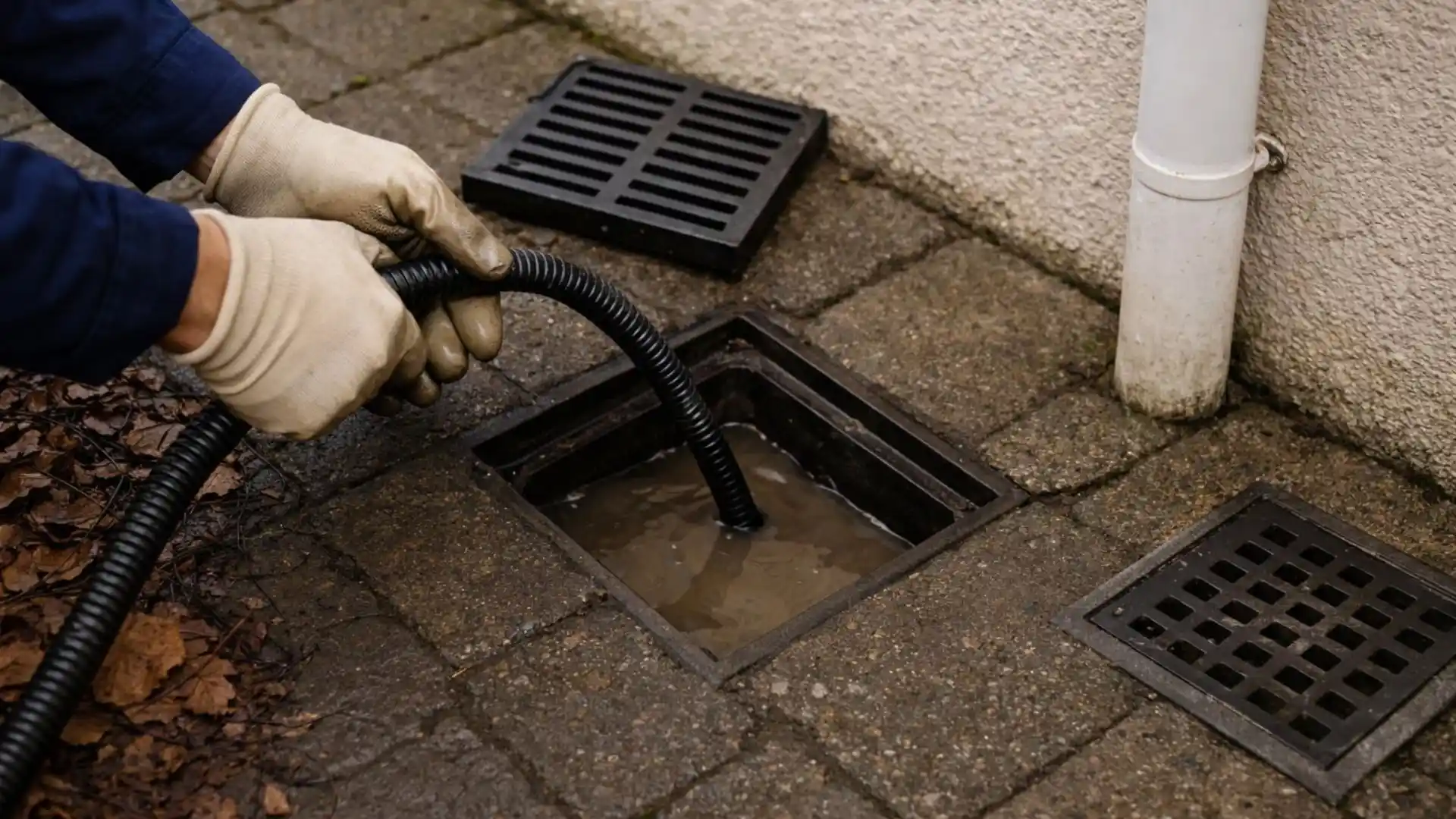
Surface drains that aren’t kept up may have trouble handling more water. In many cases, early symptoms show up slowly instead of all at once.
Some common warning signs are:
- Slow surface water dispersal
- Standing water near outlets
- An outdoor drain blocked by debris
- Water escaping from an overflow drain pipe
Early observation helps figure out if it is better to clear the area or do more tests.
A practical autumn checklist homeowners can follow
Preparation doesn’t always mean doing something complicated. During heavy rain, careful observation and simple preventative steps may help the system work better.
Visual inspection priorities
- Remove visible debris from accessible grates
- Observe drainage behaviour during rainfall
- Monitor for unusual odours or sounds
- Watch for signs of blocked drain heavy rain
These steps are more about being aware and spotting problems early than fixing them.
When seasonal conditions increase drainage risk
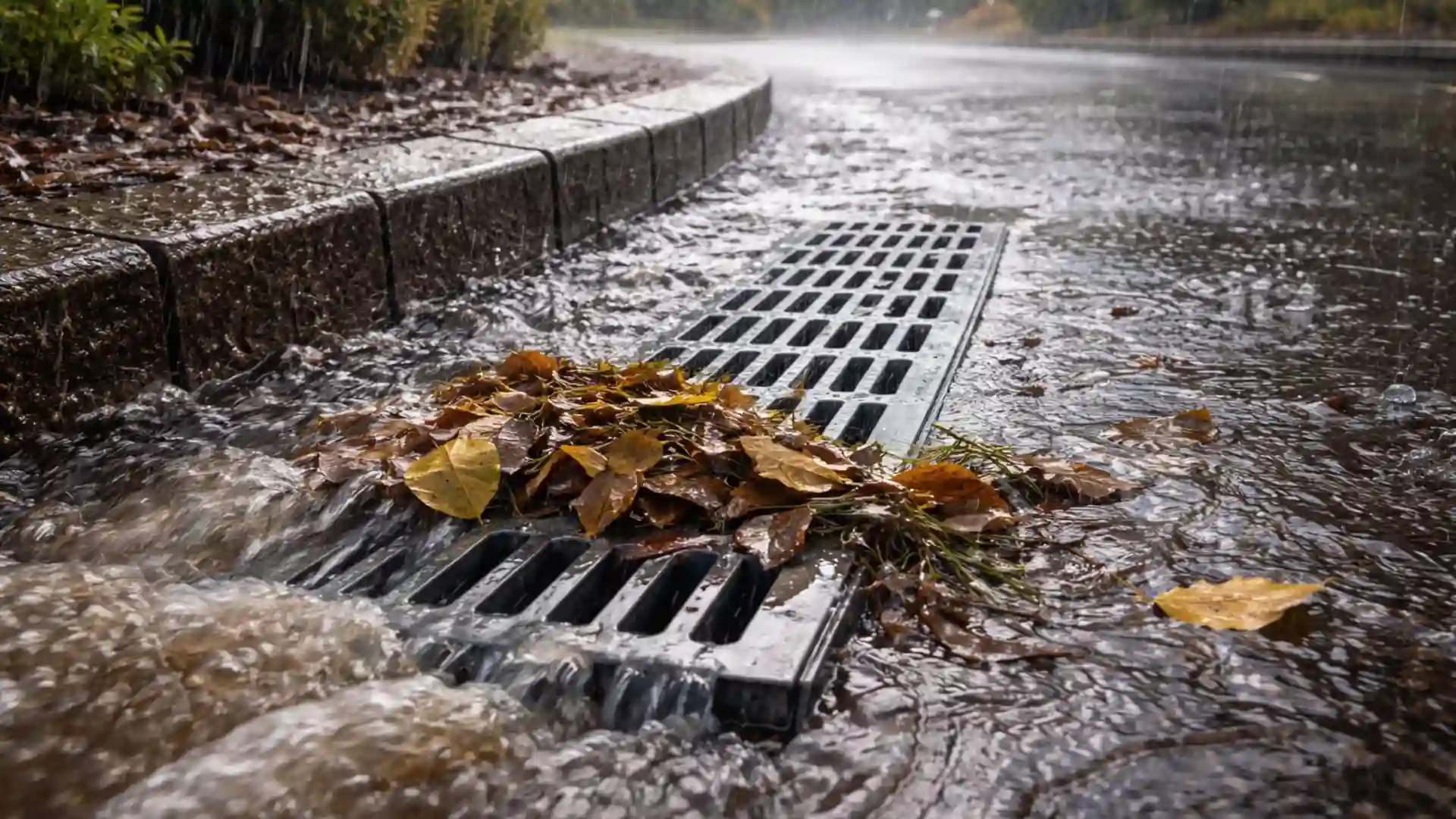
Heavy rain can make problems in a drainage system worse. So, getting ready for fall means making sure the system is ready instead of reacting after something goes wrong.
Indicators that further attention may be needed
- Persistent surface pooling after rain
- Repeated outdoor drain blockage
- Slow discharge from external outlets
- Evidence that drain overflows in heavy rain
When symptoms recur, a structured evaluation may yield a more precise understanding of the underlying system condition.
Observation vs. preventative servicing
Approach | Focus | Purpose |
Visual monitoring | Identifies surface issues | Early awareness |
Preventative clearing | Supports flow efficiency | Seasonal preparation |
Professional assessment | Evaluates internal condition | Informed decision-making |
In some cases, targeted Storm drain cleaning may help restore efficient flow where debris has built up.
Why rainfall intensity matters for drainage performance
Rain in the fall not only makes the water level rise, but it also makes the time it takes for the system to recover between storms shorter. Drainage paths may stay under constant pressure when it rains close together.
This can contribute to:
- Surface pooling in vulnerable areas
- Increased likelihood of heavy rainfall drainage problems
- Higher demand on rainwater drainage capacity
So, preparation is all about making sure that water pathways stay as clear as possible.
When professional support may be appropriate
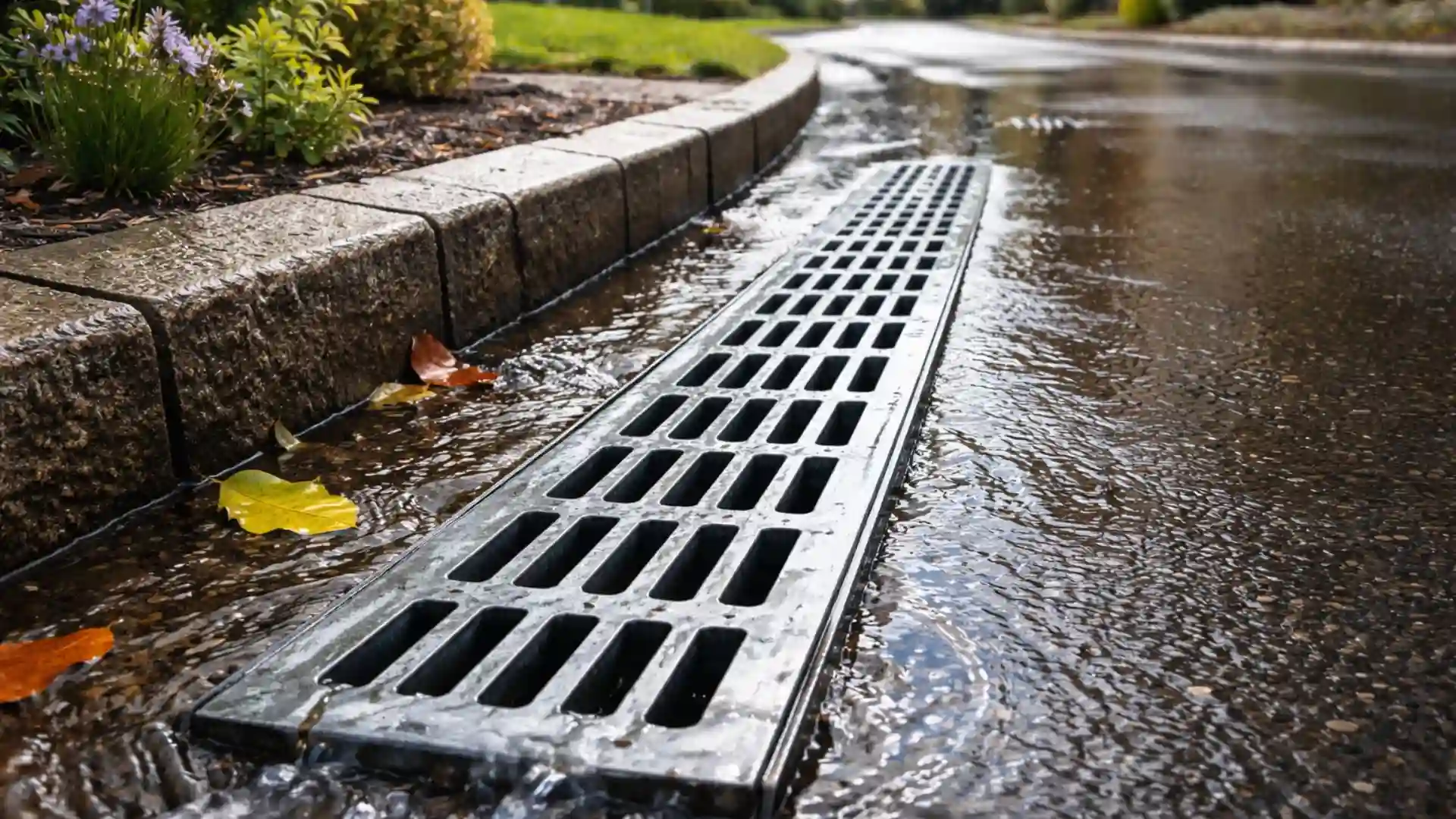
While visual checks provide useful insight, recurring issues may indicate conditions that extend beyond surface debris.
Professional evaluation may be considered when:
- Drainage problems repeat despite clearing
- Surface water drainage dispersal remains slow.
- Signs of system restriction persist
- A property requires an emergency drain cleaning service
Where deeper conditions exist, structured assessment supports practical recommendations based on observed findings.
Preventative preparation that supports seasonal reliability
It works best to think of getting ready for fall as part of a long-term effort to be aware of drainage issues, not just a one-time thing. Early inspection helps clear up any doubts about whether the system is ready.
Property owners may benefit from:
- Monitoring rainfall impact on drainage behaviour
- Addressing visible debris accumulation early
- Observing changes in water flow patterns
- Seeking evaluation where performance declines
If there is a persistent blockage, targeted drain cleaning service support may help restore effective flow.
Supporting long-term drainage resilience
Getting ready for the seasons helps figure out if drainage systems are working well with the needs of the environment. A well-planned rainwater drainage system is better able to handle long periods of rain without any surprises.
Understanding how drainage functions during the fall season can aid in future maintenance planning and system monitoring.
Prepare for Autumn Rainfall with Precise Drainage Solutions
Getting drainage systems ready before the heaviest rains helps reduce uncertainty and makes performance more predictable. Based on the condition of the system, Precise Drainage Solutions offers structured assessments and practical suggestions. If you notice early signs of drainage strain or seasonal disruption on your property, getting a professional evaluation may help you figure out the best way to keep it working well.
Frequently Asked Questions
1. Why prepare drains before heavy autumn rainfall?
Getting ready helps keep water pathways clear, which lowers the risk of overflow and makes the system work better when it rains for a long time.
2. What causes outdoor drain blockage in autumn?
Leaves falling, debris building up, and more rain can all block surface drains, making it harder for water to spread out.
3. When should professional drain cleaning be considered?
If blockages keep happening, surface water stays, or drainage performance gets worse even after clearing, it’s best to get a professional opinion.
4. Can heavy rainfall damage drainage systems?
Heavy rain usually shows up problems that are already there instead of causing sudden failure. This is why early inspection is an important step to take.
5. How often should rainwater drainage be checked?
Regular checks before fall and during the rainy months help keep drainage working well and catch problems early.




