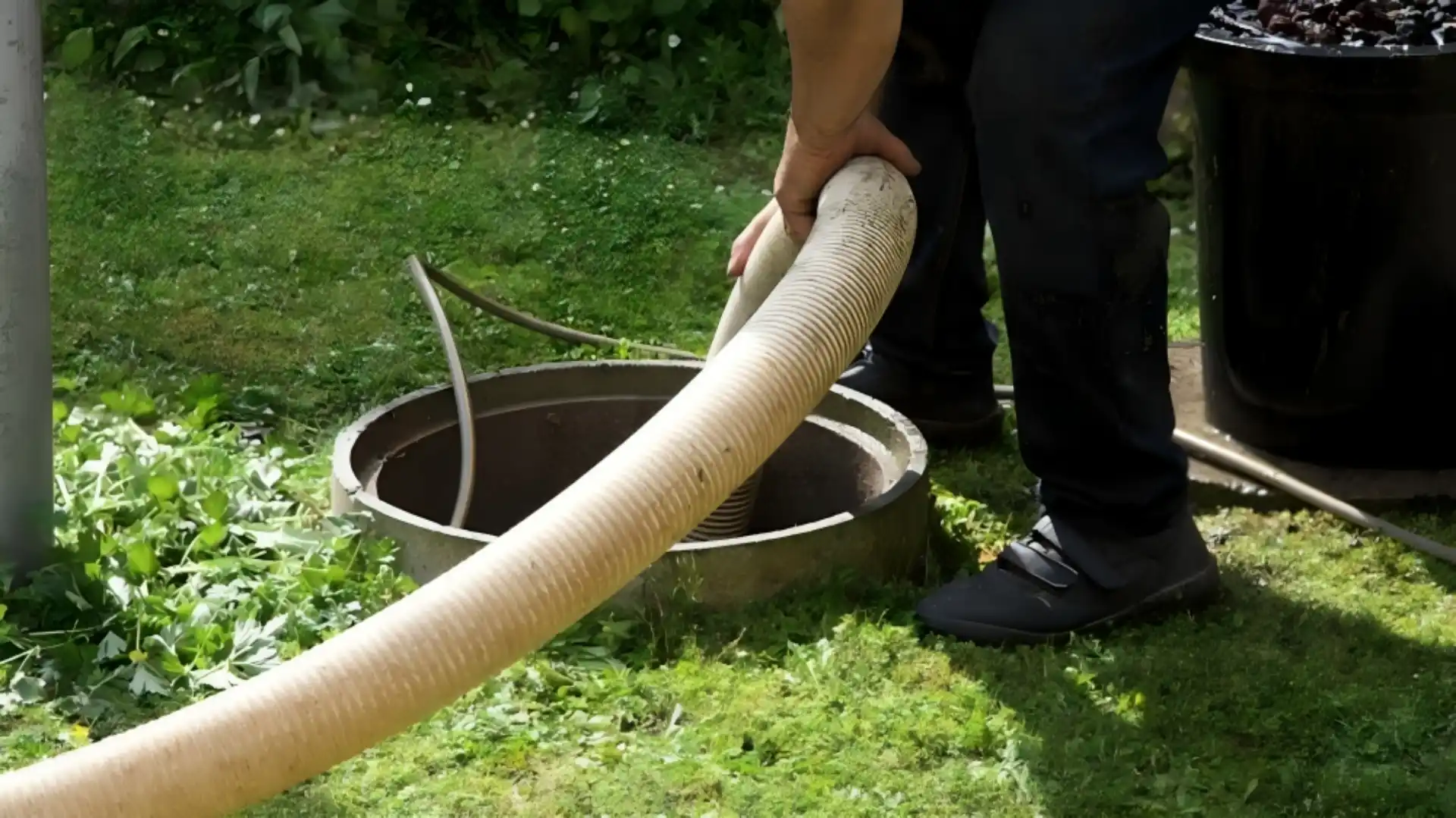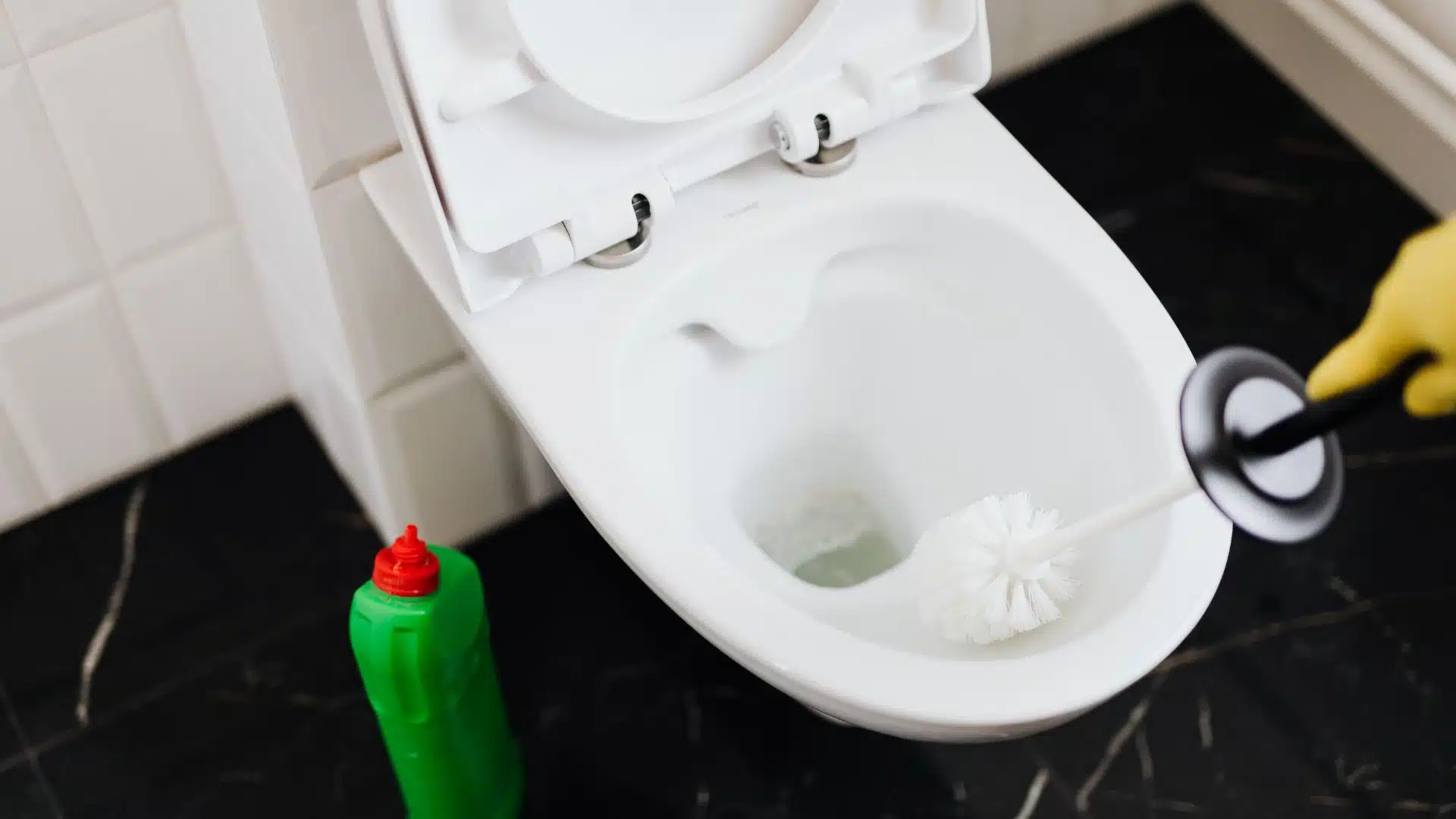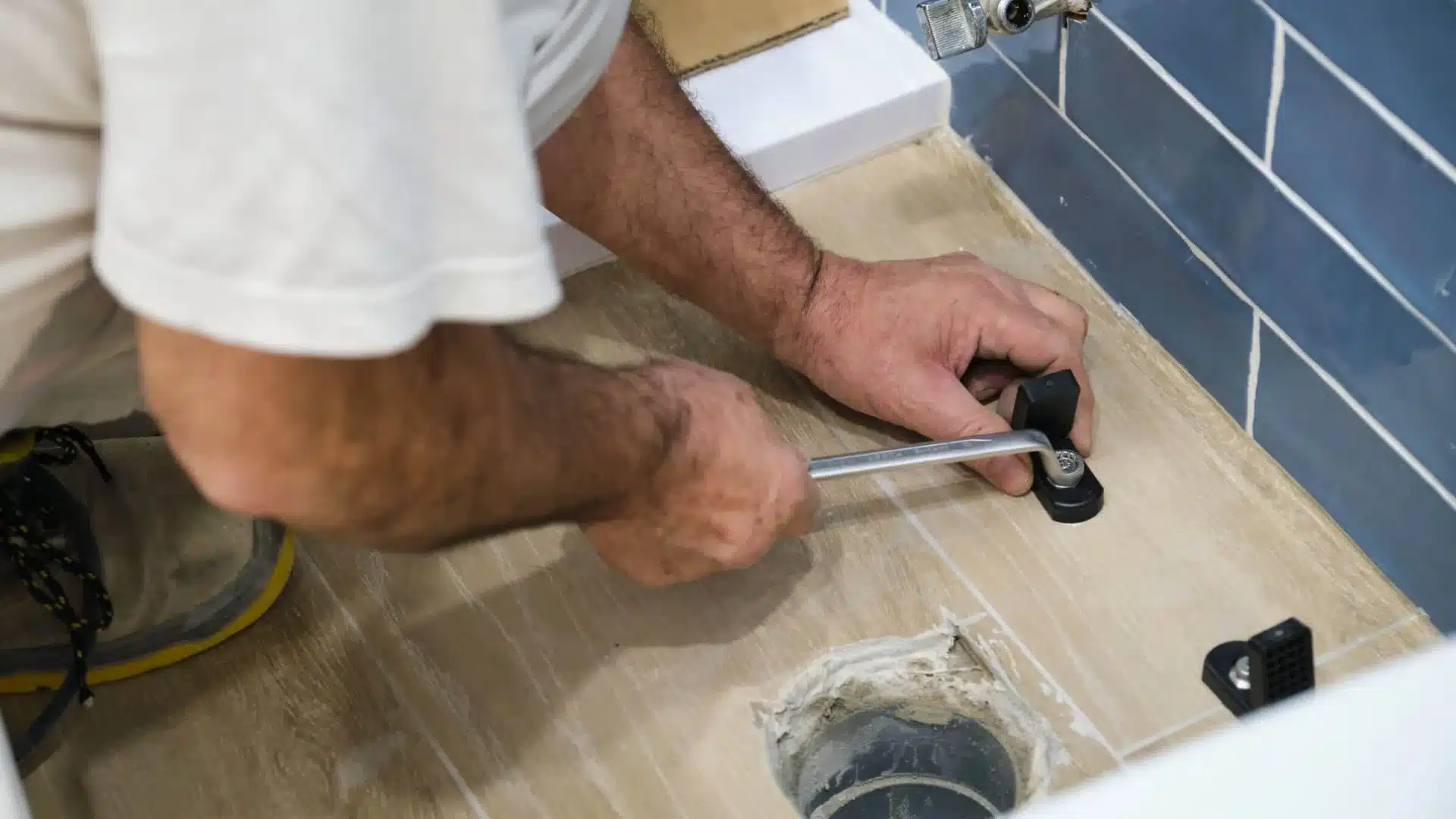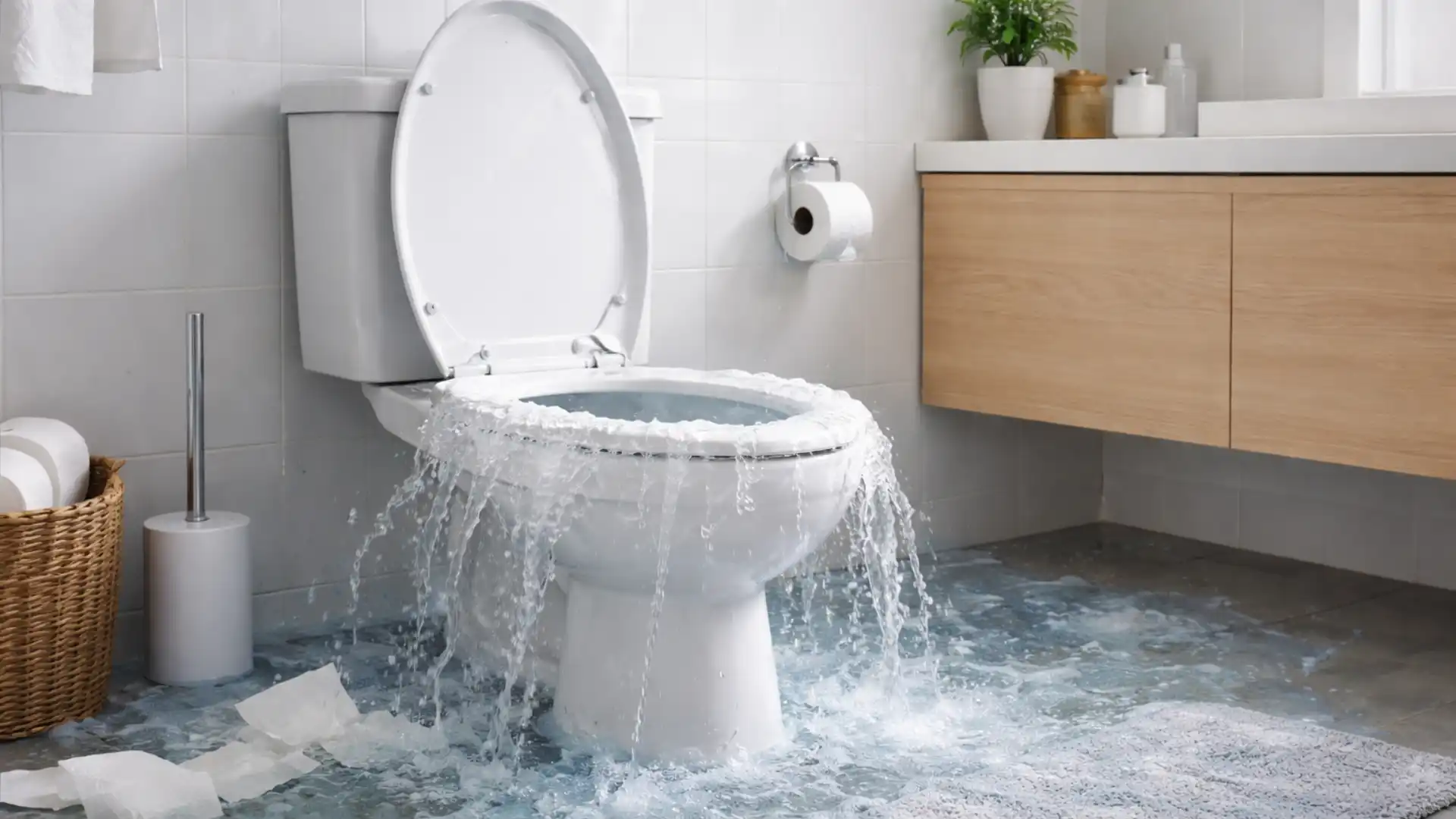
Bad smells coming from your home’s drains are often a sign that trash isn’t flowing or getting enough air. Sometimes, unpleasant smells stick around even when there are other problems, like a toilet overflowing. These signs may indicate a blocked or unbalanced drainage system, not a dirty surface.
“Authorities in the UK often point out that inadequate waste disposal and blocked pipes are two of the main causes of sewer and drainage problems. Water UK says that fats, oils, and things that can’t be flushed down the toilet often block drainage systems and make smells and overflow more likely.”
When we look at drainage problems at Precise Drainage Solutions, we usually look at the symptoms and what we find during an inspection. Property owners can stop guessing and start taking the right steps once they understand the underlying problem.
Key Takeaways
- Drain odours often signal restricted flow or trapped waste
- Repeatedly clearing things up yourself may not fix the problem.
- Symptoms related to the toilet can mean that there are bigger drainage problems.
- Examination aids in recognising underlying conditions.
- Early assessment helps people make smart choices.
Why do drains suddenly smell unpleasant?
When waste gets stuck or the airflow in pipes is messed up, drain odours usually start to form. The smell is often a sign of something else wrong, not the main problem.
Common contributors to drain odour
- Accumulation of organic waste
- Less water flowing through pipes
- Unbalanced ventilation
- Problems with the structural pipes
- Recurring Toilet clogs restricting movement
Odours may get stronger over time and appear before a blockage is visible.
Could your toilet system be part of the problem?
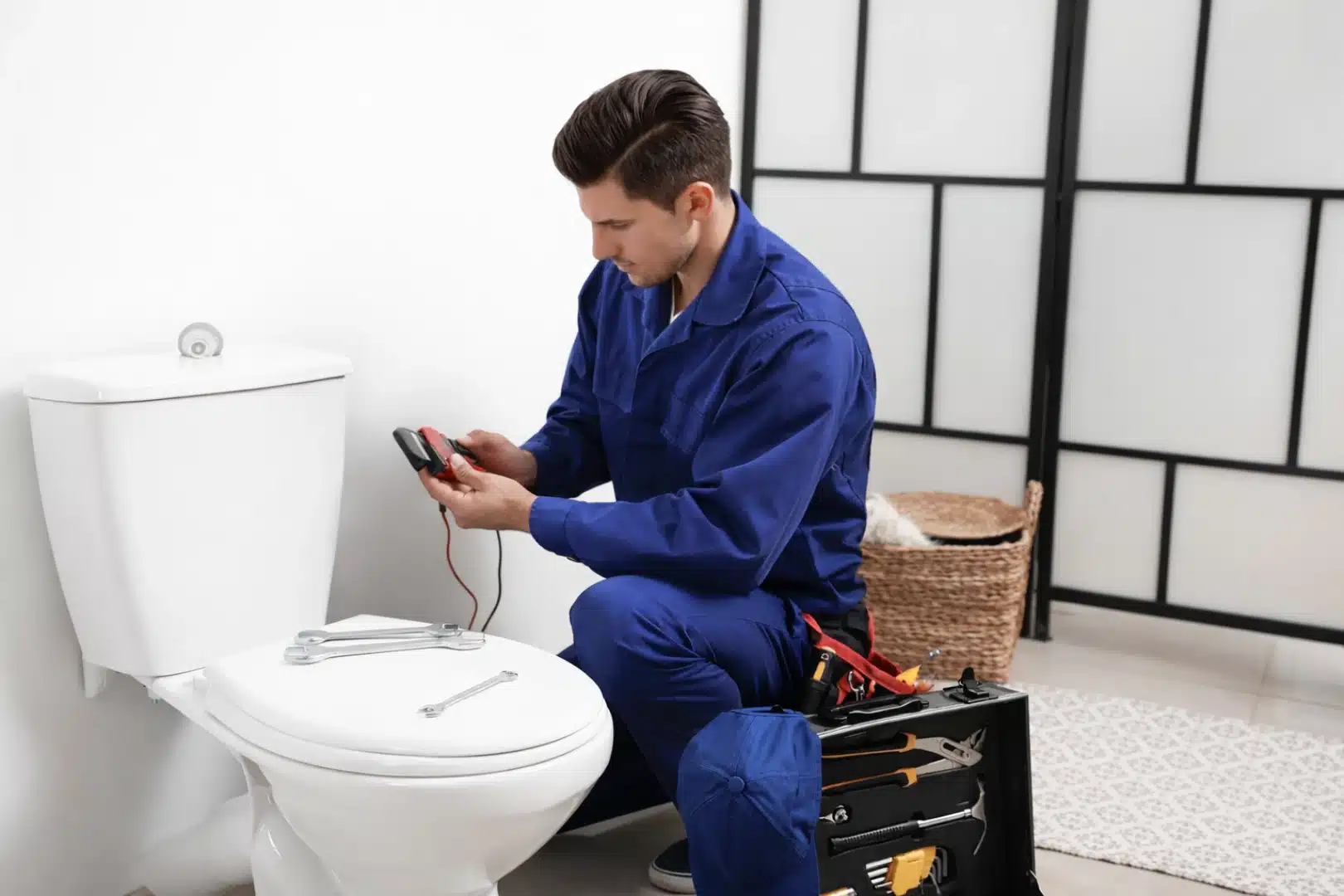
Any drain can smell foul, but toilets are often the first place to show signs of bigger drainage problems.
If there is a blockage in a toilet overflow pipe, it could stop the system from flowing or balancing pressure properly. A blockage can make it difficult for waste and gases to move through the pipe network.
Indicators that the issue may involve toilet drainage include
- Slow flushing performance
- Odours increasing after use
- Water level fluctuations
- Intermittent toilet overflow behaviour
These signs typically suggest the system is under strain rather than functioning normally.
When a toilet bowl overflow and odour occur together
A toilet bowl overflow combined with a continuous smell often indicates restricted downstream flow. Waste may be unable to move through the system at a normal rate.
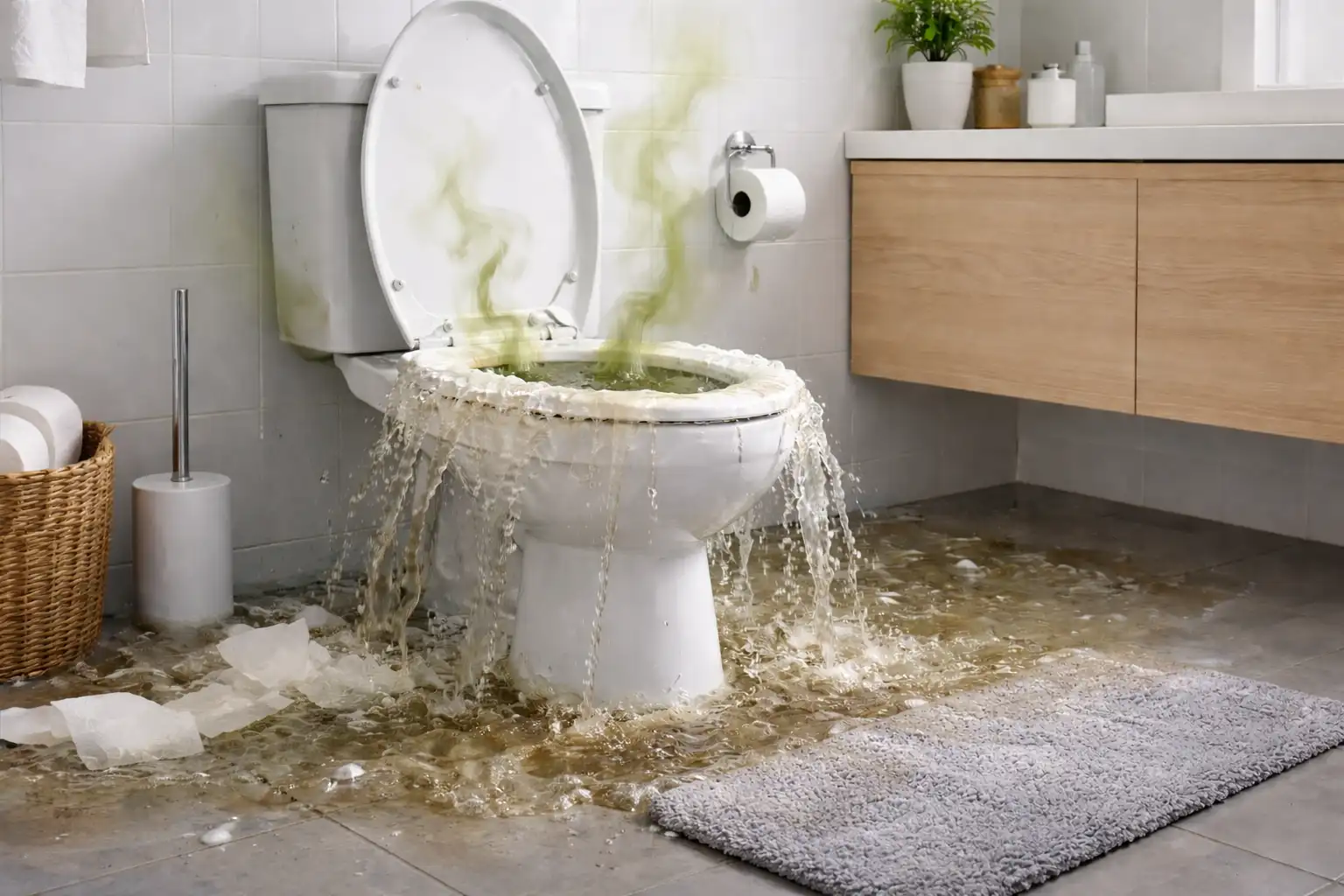
Possible underlying conditions
- Obstruction further along the pipe network
- Accumulation along pipe walls
- Environmental factors affecting flow
- Localised restriction necessitating evaluation
In situations like this, structured evaluation may be better than repeated surface-level treatment.
Why emergency response may be necessary
Sometimes, smells go along with urgent drainage symptoms. Call for an emergency toilet unblock when waste can’t get through the system.
Professional response typically focuses on:
- Looking at how symptoms are grouped
- Finding the likely place of the blockage
- Using the right methods to fix things
- Giving advice on how to avoid problems
Structured investigation helps lower the risk of symptoms coming back when they happen again.
Why repeated DIY attempts rarely resolve odours
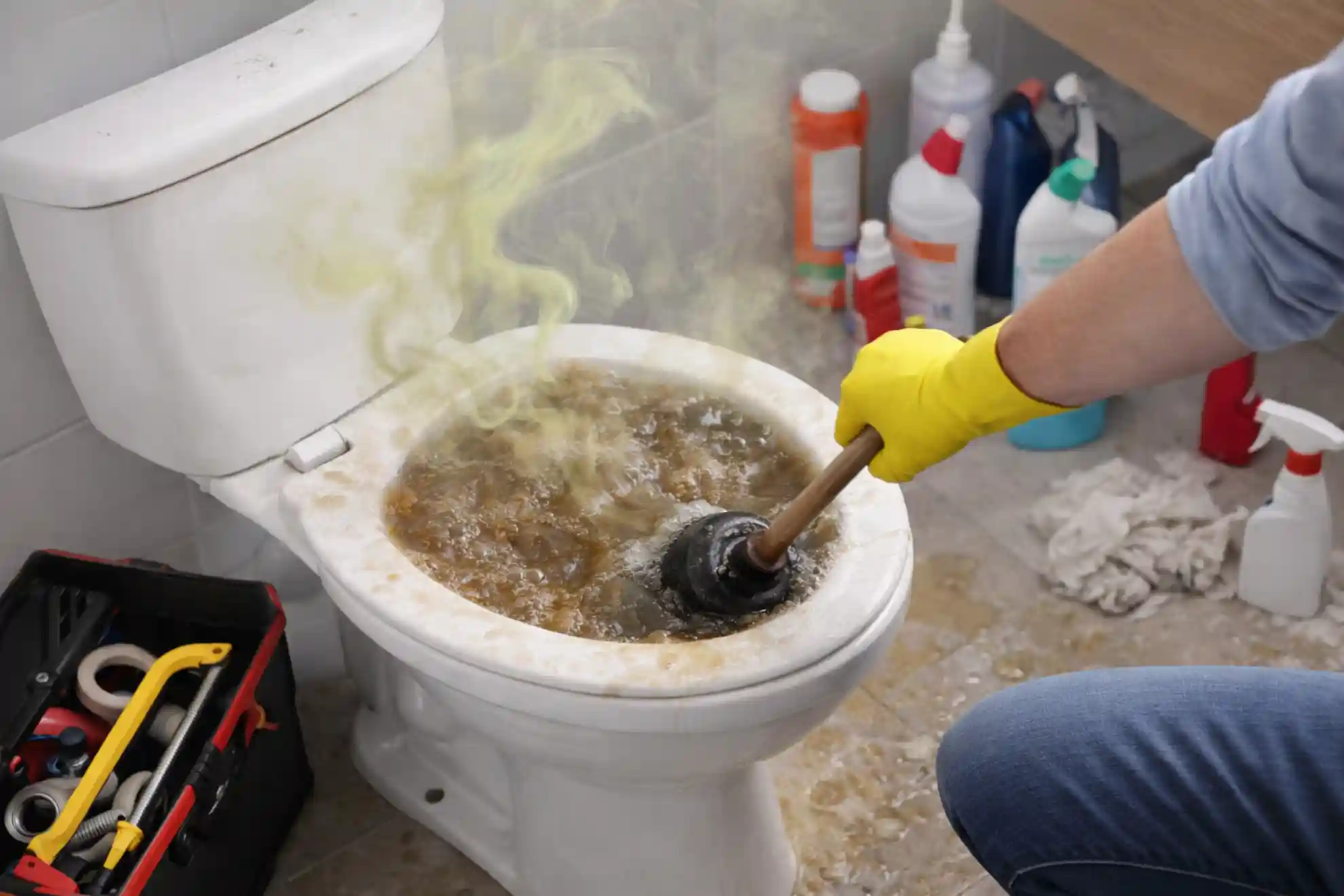
Many property owners attempt to unblock toilets using household items they already have. While these quick fixes may restore flow temporarily, they rarely address the root cause of persistent odours, which often return soon after.
In the same way, clearing a blocked drain pipe can resolve the immediate issue, but it does not correct the underlying fault that is causing the smell in the first place.
At Precise Drainage Solutions, we focus on identifying the source of the problem naturally through a detailed inspection-led approach, ensuring the issue is resolved properly rather than masked with short-term solutions.
Surface clearing vs inspection-led approach
Approach | Focus | Typical Outcome |
DIY clearing | Remove immediate obstruction | Short-term relief |
Structured inspection | Identify cause of disruption | More reliable resolution |
When drainage smells keep coming back, it’s often better to use evidence-based evaluation than to keep trying to clear them up.
When odours suggest a deeper drainage condition
If a recurring smell appears alongside a toilet overflowing, it could mean that there is a problem with the shared pipes instead of just a local one.
Warning signs that warrant closer assessment
- Multiple fixtures draining slowly
- Odours returning quickly after cleaning
- External drainage showing irregular behaviour
- Water levels that can’t be predicted
- Repeated problems in one area
Understanding whether the cause is behavioural, structural, or environmental can help you decide what to do.
How professional drainage assessment helps
Evaluation based on inspection helps people make decisions based on facts instead of guesses. A structured assessment usually includes:
- Reviewing symptom history
- Checking accessible drainage points
- Finding places that might be blocked
- Suggesting specific corrective actions
This method follows best practices that stress diagnosis before treatment.
Take action before drainage problems escalate
Persistent odours should never be ignored, especially when they occur alongside an overflowing toilet or repeated drainage disruption. These warning signs often indicate a deeper issue that requires a proper inspection rather than repeated temporary fixes.
At Precise Drainage Solutions, we carry out a thorough, inspection-led assessment to understand the root cause of the problem. Based on what we find, we provide clear, practical recommendations tailored to your property. If you are experiencing ongoing drainage issues, a professional evaluation can give you clarity and a long-term solution.
Contact us today to book an inspection and take the first step towards resolving your drainage problems properly.
Frequently Asked Questions
1. Why do drain smells suddenly appear?
Gases can travel back through household fixtures when waste becomes stuck or the airflow in the drainage system changes, causing sudden smells.
2. Can a problem with the toilet make other drains smell foul?
Yes. Limitations in shared plumbing may affect more than one fixture, causing smells to spread to other parts of the property.
3. Should I ignore the smells that come from the drain from time to time?
If a smell keeps returning, it usually means there is a drainage issue that needs to be checked.
4. Does a blockage always lead to overflow?
Not all the time. Some restrictions slow down the flow without causing visible overflow, but repeated symptoms point to a bigger problem with the drainage.
5. When should I call a professional to help with drainage?
Structured assessment helps find the root cause of smells that don’t go away, get worse, or happen with recurring drainage problems, and it also helps figure out what to do next.