Drainage systems are meant to work quietly in the background, but a blocked drain can quickly disrupt your daily routine. Property owners who understand the common causes can spot early warning signs and take action before problems get worse.
“Did you know? According to Water UK, more than 300,000 sewer blockages occur every year across the UK, with a significant proportion caused by fats, oils, grease, and non-flushable materials entering the system.”
Identifying these causes early lets us respond in a more controlled way. When it comes to drainage problems, Precise Drainage Solutions takes a careful, inspection-led approach. They look for the root causes of the problems before suggesting the best ways to fix them.
Key Takeaways
- Usually, drain blockages happen slowly over time.
- Common causes are grease, trash, and things that can’t be flushed.
- Do-it-yourself methods might only help for a short time.
- Emergency repairs are all about resolving the root problems.
- Habits that help keep drains clear can also help maintain their clarity in the future.
What Are the Most Common Blocked Drain Pipe Causes?
When looking at blocked drain pipe causes, most issues tend to develop gradually rather than suddenly.
Common contributing factors include:
- Build-up of grease, food waste, and soap residue
- Flushing of wipes, sanitary products, or paper towels
- Accumulation of hair and debris in internal pipes
- Tree root intrusion in underground drainage systems
- Pipe misalignment or structural wear over time
Each of these can contribute to a drain pipe blockage, which stops water from flowing and raises the pressure in the system.
How Do Blocked Drains Typically Develop Over Time?
Usually, drainage problems start out as small blockages. Repeated use over time causes debris to build up, which slowly narrows the inside of the pipe.
Typical progression:
- Initial partial blockage forms
- Water flow slows slightly
- Debris continues to collect
- Pressure builds within the system
- Full blockage or backup occurs
Knowing how this progression works can help you understand why early intervention can be helpful.
Can You Fix Blocked Drains on Your Own?
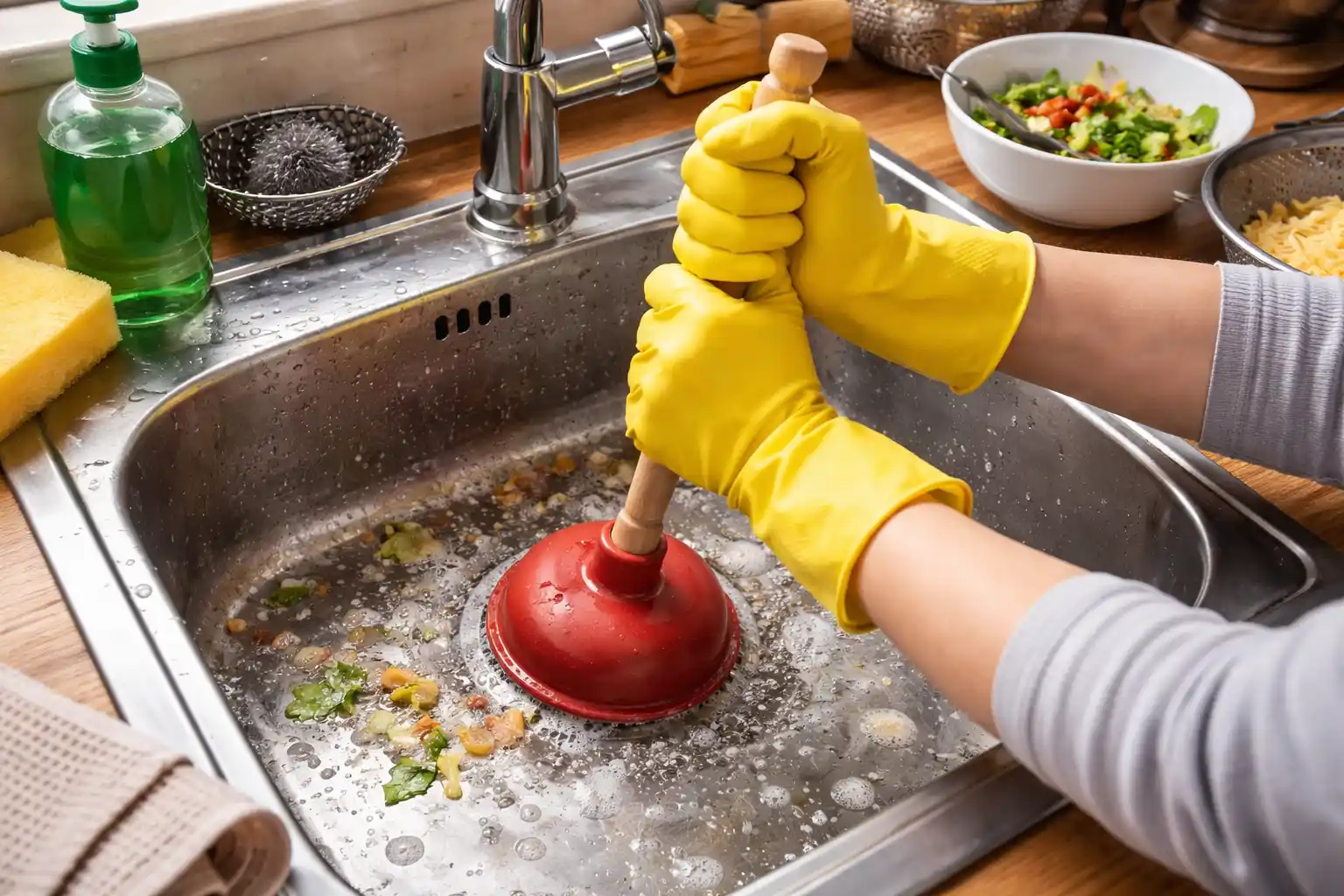
Some small problems may go away with simple blocked drain solutions, especially if the blockage is near the surface.
Basic actions may include:
- Removing visible debris manually
- Rinsing with warm water
- Using simple household tools carefully
However, these methods often prove ineffective and may not address the underlying issue.
When Should You Consider How to Fix Blocked Drain pipe Issues?
Property owners often search for how to fix blocked drain pipe problems when symptoms become more noticeable.
Here are some situations that may require action:
- Persistent slow drainage
- Recurring blockages despite clearing attempts
- Unpleasant odours from drains
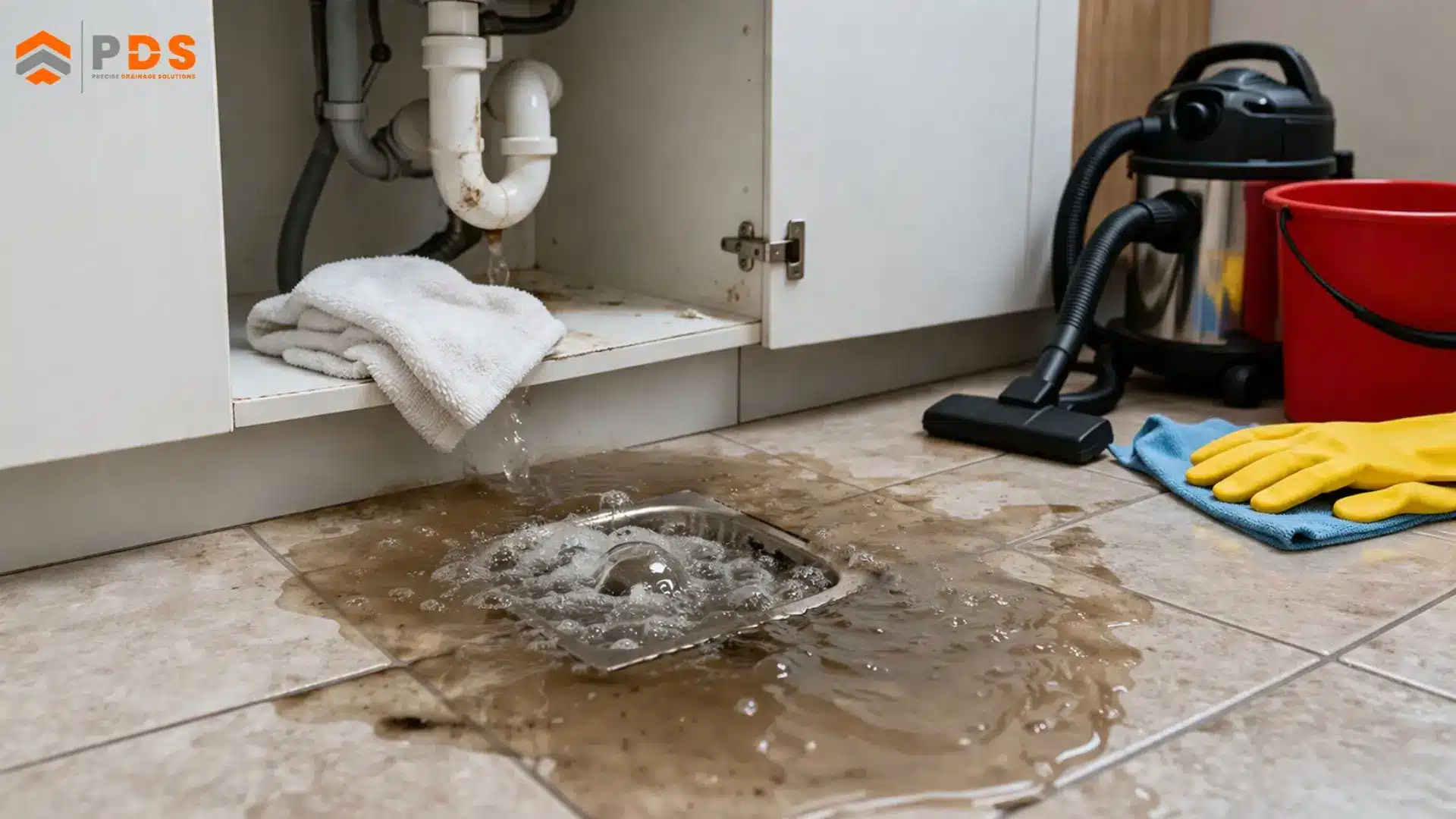
- Water pooling around external drainage points
Minor fixes might help for a short time, but if the same problem keeps happening, it usually means there is a bigger problem.
What Happens During an Emergency Drain Repair?
In more serious cases, the system may require an emergency drain repair to restore its functionality.
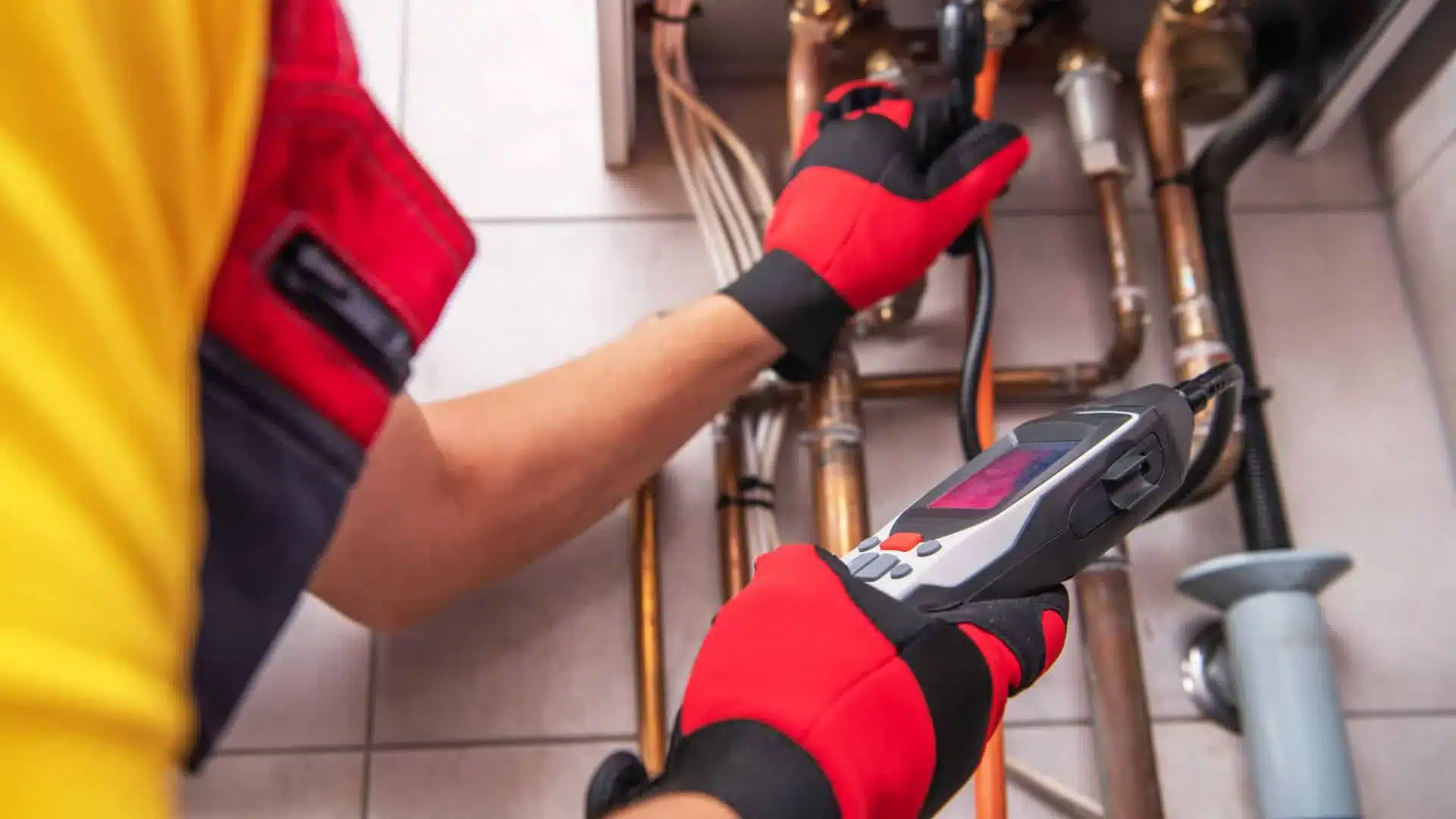
A structured approach typically involves:
- Initial assessment of the affected area
- Identification of the blockage location
- Use of appropriate tools to clear or relieve pressure
- Inspection to check for underlying damage
This approach aims to address the problem right away and also find out what caused it.
How Do Emergency Drain Repair Services Deal with Bigger Problems?
When blockages are more severe, emergency drain repair services may involve more detailed inspection methods.
This may include:
- Assessing pipe condition using specialist equipment
- Identifying structural issues such as cracks or misalignment
- Recommending targeted repairs where necessary
These kinds of methods are usually more reliable than trying to clear the surface over and over again.
FACING A MAJOR DRAIN BLOCKAGE? CALL OUR EMERGENCY REPAIR TEAM IMMEDIATELY!
Comparing Temporary Fixes and Professional Repairs
Approach | Focus | Typical Outcome |
DIY clearing methods | Remove visible blockage | Short-term improvement |
Emergency repair services | Identify and resolve root cause | More consistent long-term results |
Temporary fixes can help, but professional repairs are meant to fix the problem at its source.
How to Keep Drain pipes From Clogging in the Future
Understanding how to keep drain pipes from clogging can help reduce the likelihood of recurring issues.
Preventive measures may include:
- Avoid disposing of grease or oil in sinks
- Use strainers to catch food waste and debris
- Dispose of non-flushable items appropriately
- Monitor early warning signs such as slow drainage
These simple habits might help keep the system running more smoothly.
Why It's Important to Know What Makes Drains Get Clogged
A clear understanding of what causes blocked drains can support better decision-making when issues arise. Finding problems early on and taking the right steps may help keep things running smoothly and avoid bigger repairs.
Sometimes small blockages can be fixed with simple steps, but recurring or serious problems usually require a more organised approach.
Protect Your Drainage System with Precision and Care
Understanding what causes blocked drains is the first step towards preventing disruption and maintaining a functional drainage system. Initial steps may help with small problems, but a long-term solution usually depends on making the right diagnosis and doing the right repairs. Precise Drainage Solutions offers careful, inspection-based services that find drainage problems and help find the best solutions with as little disruption as possible.
Contact us right away to set up your drainage consultation!
Frequently Asked Questions
1. What causes blocked drains most often?
Food waste, grease, and things that can’t be flushed down the toilet are common causes. They build up slowly inside pipes and block the flow of water.
2. Can I fix a blocked drain pipe myself?
Simple fixes may work for small problems, but for deeper or recurring blockages, you usually need a professional to look at them.
3. When is emergency drain repair needed?
Emergency repair is often necessary when water backs up, affects multiple drains, or poses a risk of overflow.
4. How do professionals address blocked drains?
They look at the system, find the blockage, use the right tools to clear it, and then look for any structural problems that might be causing it.
5. How can I prevent blocked drain pipes?
Don’t throw away grease or things that can’t be flushed down the toilet, and keep an eye out for early signs like slow drainage.