Many homeowners don’t know who to call or what the problem might be when water starts to back up or bad smells show up. A drain engineer is usually the person who is trained to find, diagnose, and fix drainage problems in a safe and effective way.
“According to Water UK, sewer blockages cause over 300,000 incidents every year across the UK, with fats, oils, and non-flushable items being the leading contributors.”
At Precise Drainage Solutions, we take a methodical approach to drainage work. We first try to figure out what caused the problem before suggesting a solution. This guide tells you what a drain engineer does, when you might need one, and how hiring a professional drainage service can help keep your property safe.
Key Takeaways
- Drain engineers don’t just clear drains; they also figure out drainage problems
- A professional inspection can help find hidden problems.
- Repeated blockages could be a sign of a bigger problem.
- Costs depend on access and problem complexity
- Early evaluation can prevent larger repairs later
So, what does a drain engineer actually do day-to-day?
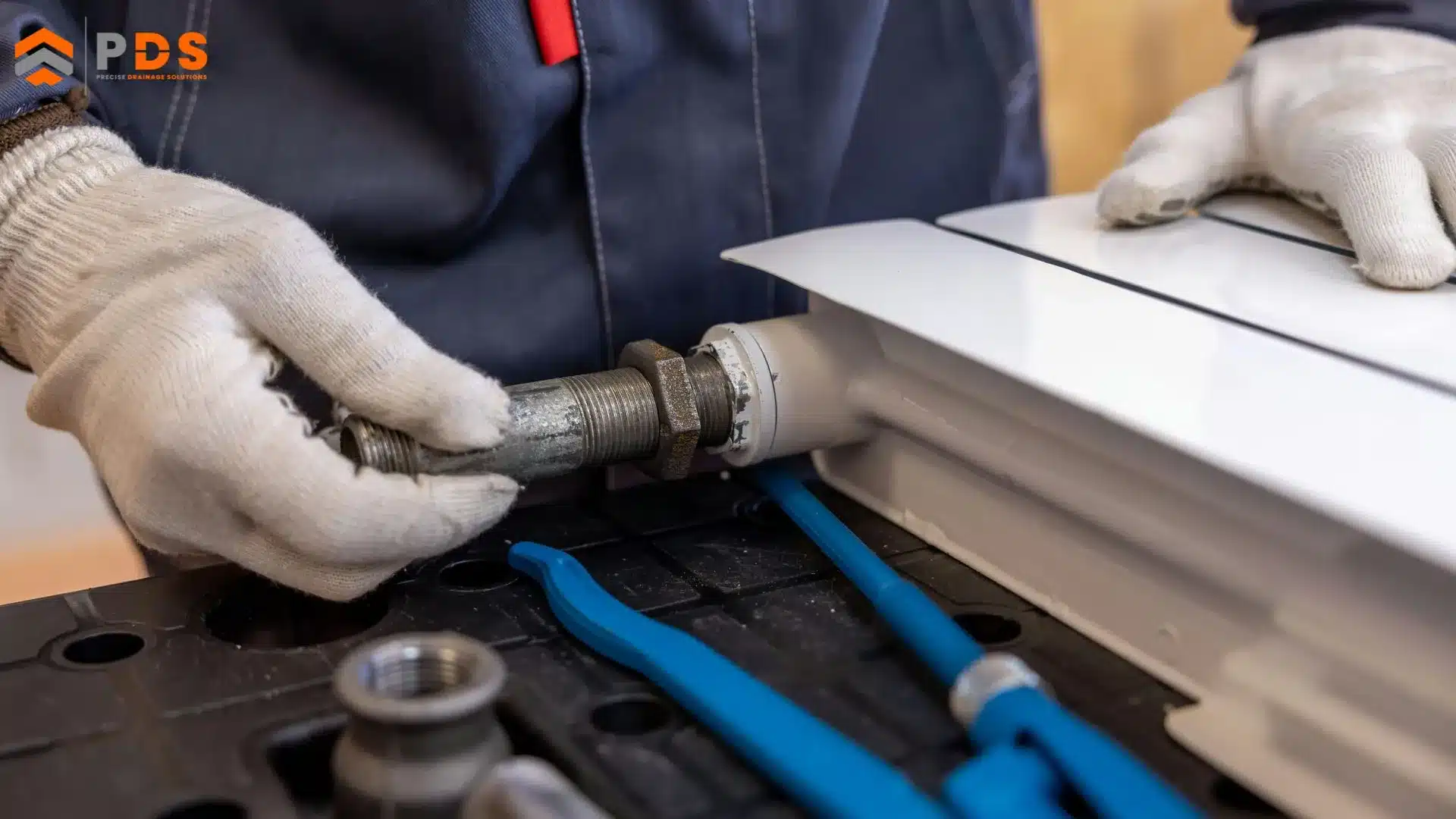
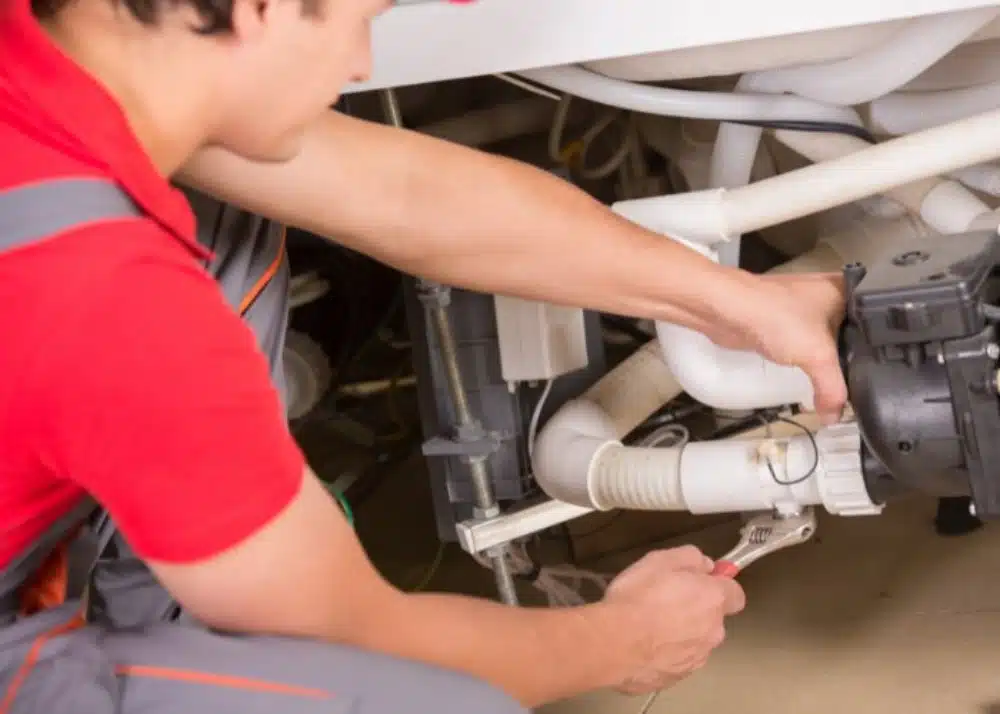
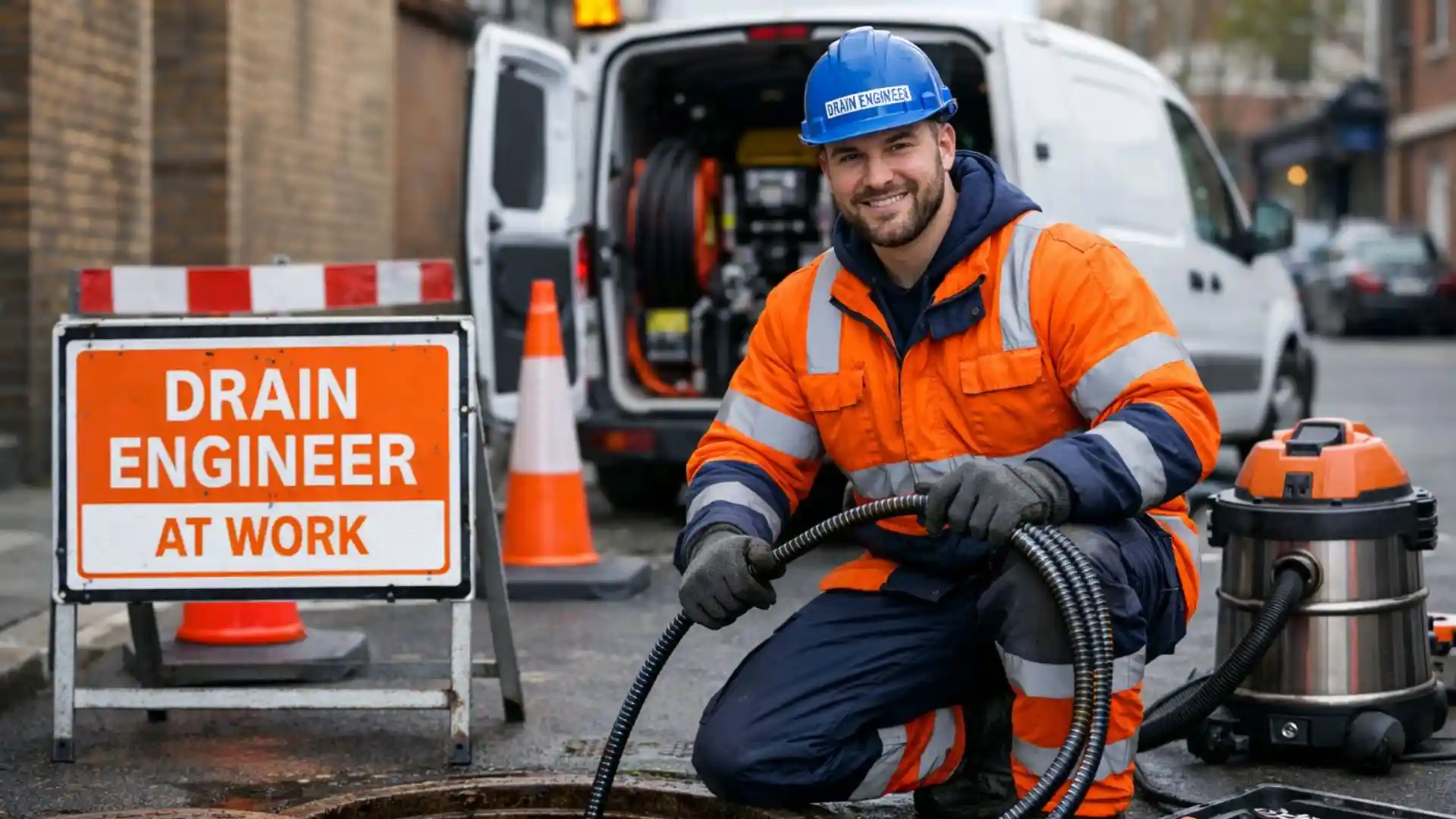
A drain engineer specialises in inspecting, clearing, and maintaining drainage systems for residential and commercial properties. Their job isn’t just to clear out blockages.
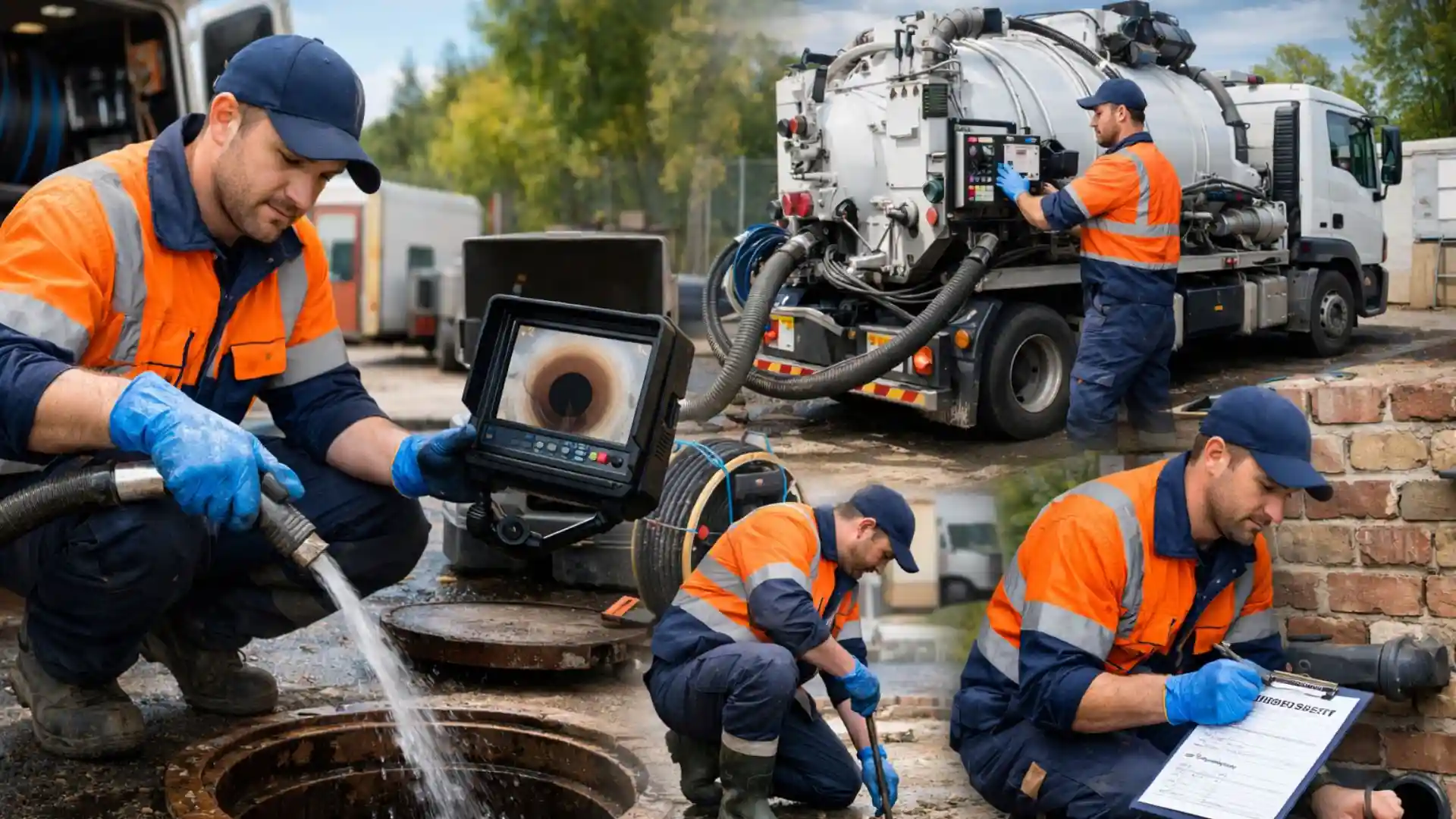
Typical responsibilities include:
- Using the right inspection tools to find drainage problems
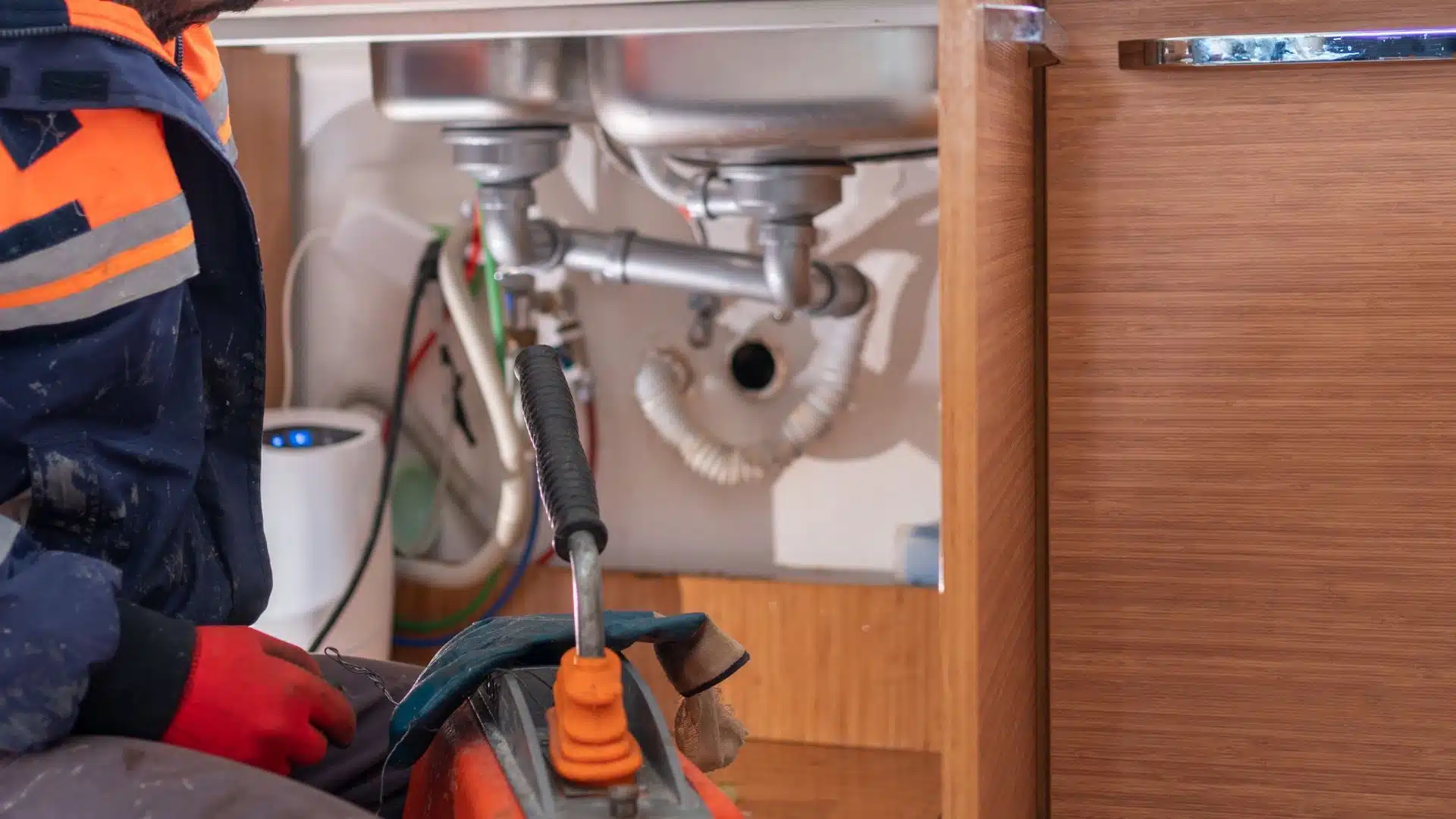
- Removing internal and external drain blockages
- Identifying structural or flow-related issues
- Advising on preventative maintenance when needed
Drainage work is different from regular plumbing work because it often involves pipes and systems that are buried underground and need special care.
How professional drainage services differ from DIY fixes
A lot of property owners try to fix things themselves before getting help. Some small problems may get better for a short time, but bigger problems usually need professional drainage services to stop them from happening again.
DIY Approach | Professional Support |
Temporary relief | Cause-focused resolution |
Limited access | Full system assessment |
Risk of damage | Controlled, safe methods |
No documentation | Clear findings and advice |
Professional drainage support is especially important when there are repeated blockages or when pipes are buried underground.
What drainage issues are commonly found in UK properties?
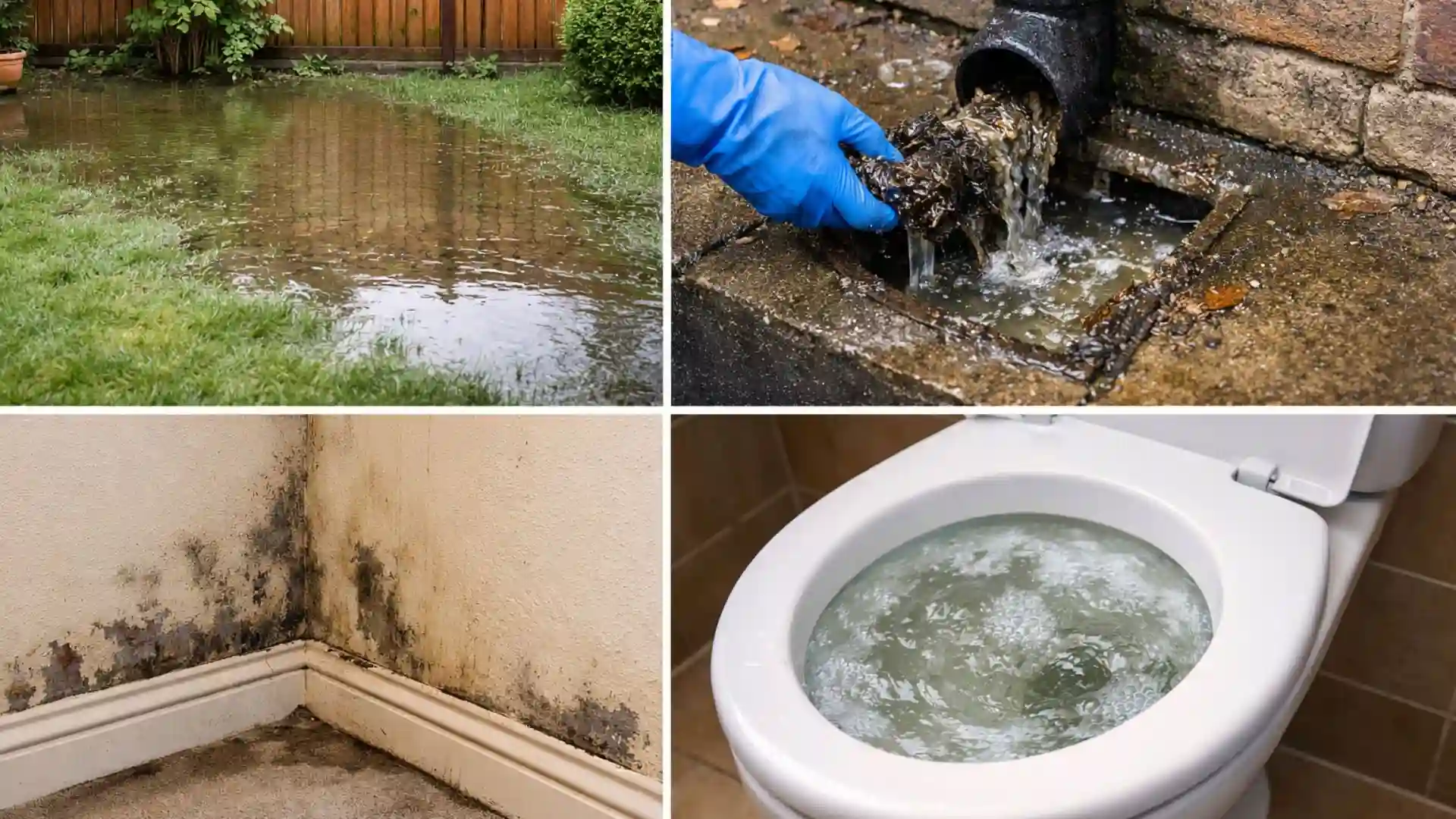
Different types of properties, their ages, and how they are used can all cause drainage problems. Some problems that happen a lot are:
- Grease and debris build-up in the kitchen waste pipes
- Foreign objects flushed into systems not designed for them
- Scale buildup that stops water from flowing
- Old drainage systems that aren’t aligned properly
Sometimes, a blocked drain is caused by problems with the whole network, not just one fixture.
What happens during a drain inspection process?
A structured drain inspection process is used to find the main cause of drainage problems that keep happening or aren’t clear. This usually means:
- Getting to the drainage entry point
- Doing a controlled internal inspection
- Reviewing flow behaviour and pipe condition
- Providing findings before any further work is considered
This method makes sure that any suggestion is based on the real problem and not on assumptions.
How are blocked drain solutions selected?
Not all blockages need the same kind of care. Appropriate blocked drain solutions depend on how bad it is, where it is, and the condition of the pipes.
Drain engineers usually think about:
- If the blockage is one-time or recurring
- If internal pipe damage is present
- Accessibility of the affected section
- Risk of future reoccurrence
Only after inspection can the most suitable option be identified.
Do costs vary for drainage and plumbing work?
Property owners often ask about pricing comparisons. While costs vary by situation, the average cost for a plumber to unclog a drain can differ significantly from drainage-specific work depending on access, complexity, and tools required.
Drain engineers typically assess:
- The type of blockage
- Necessary tools
- Time involved
- If follow-up work is needed
A clear evaluation helps keep costs down and avoid extra ones.
Where are drainage services typically provided?
Usually, drainage engineers work on residential homes, commercial buildings, and shared drainage systems. Service availability is based on how easy it is to get to, the layout of the system, and the state of the local infrastructure.
Property owners can figure out if they need specialised drainage help by knowing what services are available.
When is urgent drainage support necessary?
Some problems with drainage get worse very quickly. If there is flooding inside, overflow outside, or a complete loss of drainage function, you may need to act right away.
In these situations, emergency drainage services are usually set up to:
- Make things stable
- Get the drainage flow back to normal
- Reduce further property impact
A quick evaluation can help limit damage and disruption.
Need help understanding your drainage problem? Talk to a professional today
If you know what a drain engineer does, you’ll be able to make smart choices when you have drainage problems. Professional advice, from inspections to practical suggestions, helps make outcomes safer and last longer.
Precise Drainage Solutions helps property owners by giving them structured support based on inspections instead of guesses. This way, they can get reliable advice and well-thought-out solutions. If your drainage problems keep happening, now is the time to get professional help and move forward with confidence.
Frequently Asked Questions
1. What is the difference between a plumber and a drain engineer?
A plumber works on the water systems inside a building, while a drain engineer works on the drainage networks and pipes that run underground.
2. When should I contact a drain engineer?
If you have recurring blockages, slow drainage, or smells that you can’t explain, you may need to have a specialist look at it.
3. Are drainage inspections disruptive?
Most inspections are meant to be as little of a bother as possible, depending on how easy it is to get to and how the system is set up.
4. Can inspections prevent future issues?
Finding signs of damage or build-up early on can help keep problems from happening again.
5. Is a professional assessment always necessary?
Small problems may go away on their own, but persistent ones usually need to be looked at by an expert.