It’s not usually a random problem if you’ve cleared your drain several times and it keeps coming back. If a blocked drain pipe keeps breaking down, it’s likely because there’s something blocking it or a problem with the structure that temporary fixes can’t fix.
“According to Water UK, sewer blockages occur every year across the UK, most commonly caused by fats, oils, grease, and non-flushable waste entering drainage systems.”
Finding out why drainage problems keep happening is the first step toward a long-term, dependable fix. We usually base our assessments at Precise Drainage Solutions on what we see and find during an inspection. This stops property owners from trying to clear the area over and over again.
Key Takeaways
- Recurring blockages usually have an underlying cause
- Temporary clearing may not fix bigger problems.
- Inspection helps identify the real problem
- Early assessment can reduce future disruption
- Professional diagnosis supports long-term reliability
What usually causes recurring blockages?
When the visible symptom is treated but the cause stays the same, blockages happen again and again. There are a lot of things that can keep drainage problems from happening, especially if a blocked drain pipe is cleared without finding out what caused it in the first place.
Buildup inside the pipe that’s invisible
Debris can slowly build up along the walls of a pipe over time, which makes the inside diameter smaller. There may still be leftover material that could cause future blockages even after clearing.
Damage to the structure or misalignment
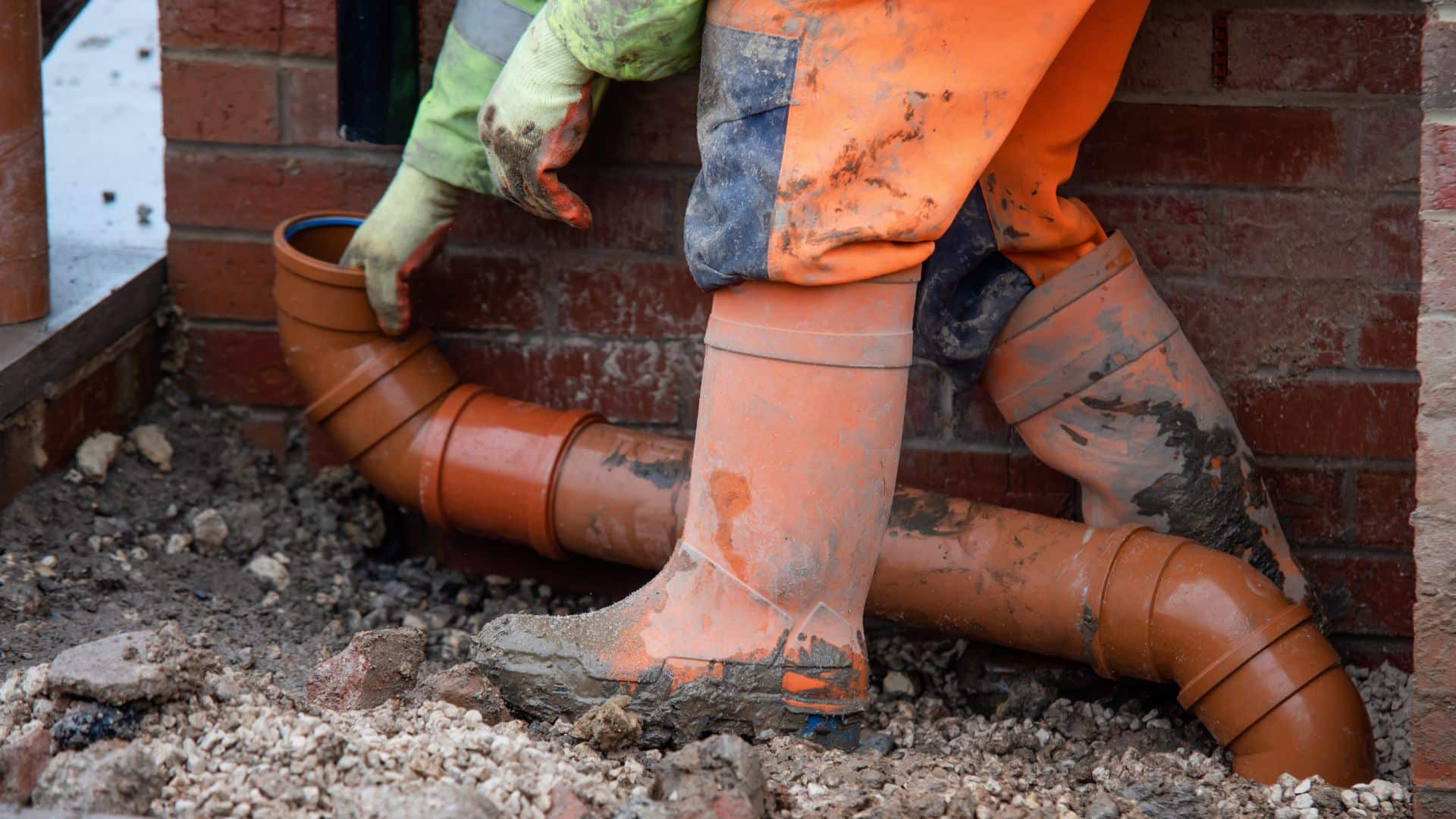
Pipes that move, cracks, or sections that have fallen can slow down flow and trap trash. Most of the time, we need to look into these conditions in depth instead of just guessing based on the symptoms.
Inappropriate waste disposal
When you flush wipes, sanitary products, or grease down the toilet, they can build up into thick clumps that are hard to get rid of and cause problems over and over.
Why repeated DIY clearing rarely solves the problem
When a blockage comes back, a lot of property owners try simple fixes. Understanding how to clear blocked drain pipe issues temporarily may help with symptoms, but it rarely finds the real problems, like broken pipes or deep blockages.
Comparison of Temporary and Investigative Approach
Approach | Focus | Typical Outcome |
Surface clearing | Removes immediate obstruction | Short-term relief |
Inspection-led diagnosis | Identifies cause | More reliable resolution |
Persistent blockages generally necessitate systematic examination rather than recurrent superficial intervention.
Warning signs the problem is deeper than it looks
If a blockage comes back quickly after being cleared, it could mean that the problem is more complicated. Some common signs are:
- Several fixtures are draining slowly at the same time.
- Strange smells coming back after clearing
- Water backing up in an unexpected way
- Sounds of gurgling during drainage
- Problems keep happening in the same place.
For example, a blocked toilet drain pipe that keeps getting blocked may not be a problem with that specific pipe but rather with the whole system.
How professional assessment helps break the cycle
A structured evaluation helps figure out if the problem is behavioral, structural, or environmental when blockages happen again.
Typical assessment approach
- Review symptoms and recurrence pattern
- Inspect accessible drainage points
- Identify probable obstruction location
- Recommend targeted corrective action
- Provide preventative guidance where appropriate
This method helps people make smart choices instead of having to clear things up over and over again.
When recurring blockages require professional support

If a drain keeps getting clogged even after you try to clear it out several times, you might want to look into targeted drain unblocking services. Most of the time, professional help starts with a diagnosis and then moves on to the right steps to fix the problem.
Seeking assessment is particularly relevant when:
- Blockages return quickly after clearing
- External drainage also shows signs of restriction
- Water flow problems affect multiple fixtures
- Odours or slow flow persist despite intervention
A professional evaluation can help determine if the issue is due to pipe usage, blockage, or function.
Preventing future drainage disruption
While not all blockages are preventable, practical steps may help reduce recurrence risk:
- Avoid disposing of grease or oils down drains
- Only flush appropriate materials
- Monitor early warning signs such as slow drainage
- Arrange assessment if issues repeat
Prevention is most effective when combined with informed understanding of the system’s condition.
Break the blockage cycle with informed action
Clearing alone doesn’t usually fix drainage problems that happen over and over again. Knowing what caused a blocked drain pipe helps you go from short-term relief to a more reliable solution.
Precise Drainage Solutions carefully checks things out, explains them clearly, and makes useful suggestions based on what they find. If your property’s drainage keeps getting messed up, getting a professional to look at it can help fix the problem and lower the risk of it happening again.
Frequently Asked Questions
1. Why does my drain block again after clearing?
When blockages happen again and again, it usually means that there is buildup, structural problems, or an obstruction downstream that temporary clearing doesn’t completely remove or find.
2. Can recurring blockages damage pipework?
Repeated pressure and limited flow may put more stress on drainage systems over time, which could lead to damage if not fixed.
3. Is a blocked drain pipe always a serious issue?
Repeated blockages usually mean there is a bigger problem that needs to be looked at by a professional instead of just clearing it up over and over.
4. When should I seek professional drainage support?
If blockages happen often, affect more than one fixture, or make smells that don’t go away, you should schedule an inspection to find out what’s causing them.
5. Do all recurring blockages need repair work?
Not always. Some issues are related to usage or construction, but inspection can help you decide what to do next.