A slow drain or bad smell can be annoying at times, but other times it can mean something is wrong. Knowing when something is urgent can help you get the right help fast. One sign that drainage problems are common in the UK is how often sewer systems get clogged because people flush or pour the wrong kind of waste down the drain.
“According to UK water industry data, around 300,000 sewer blockages occur annually, often due to fats, oils, and non-flushable waste, and these can contribute to flooding if not dealt with promptly.”
When small problems turn into big ones, timely emergency blocked drain support keeps your home safe, clean, and working. At Precise Drainage Solutions, we focus on clear diagnostics and the right response so you can understand the root cause instead of just treating the symptoms.
Key Takeaways
- Some drainage issues are not just annoying; they are emergencies.
- Wastewater backing up is a sign of a big problem.
- Often, persistent bad smells indicate the presence of stuck waste.
- You need to act quickly if your outside drains are overflowing.
- A professional response can help keep your property safe.
Here are the top 7 warning signs you should act fast
1. Your home is getting flooded with wastewater.
If wastewater comes back up through sinks, toilets, or showers, it’s a clear sign that something is very wrong. If you don’t fix this right away, it usually means that there is a big blockage downstream that is stopping normal flow and putting your property at risk of flooding inside.
2. Strong, persistent sewage smells linger
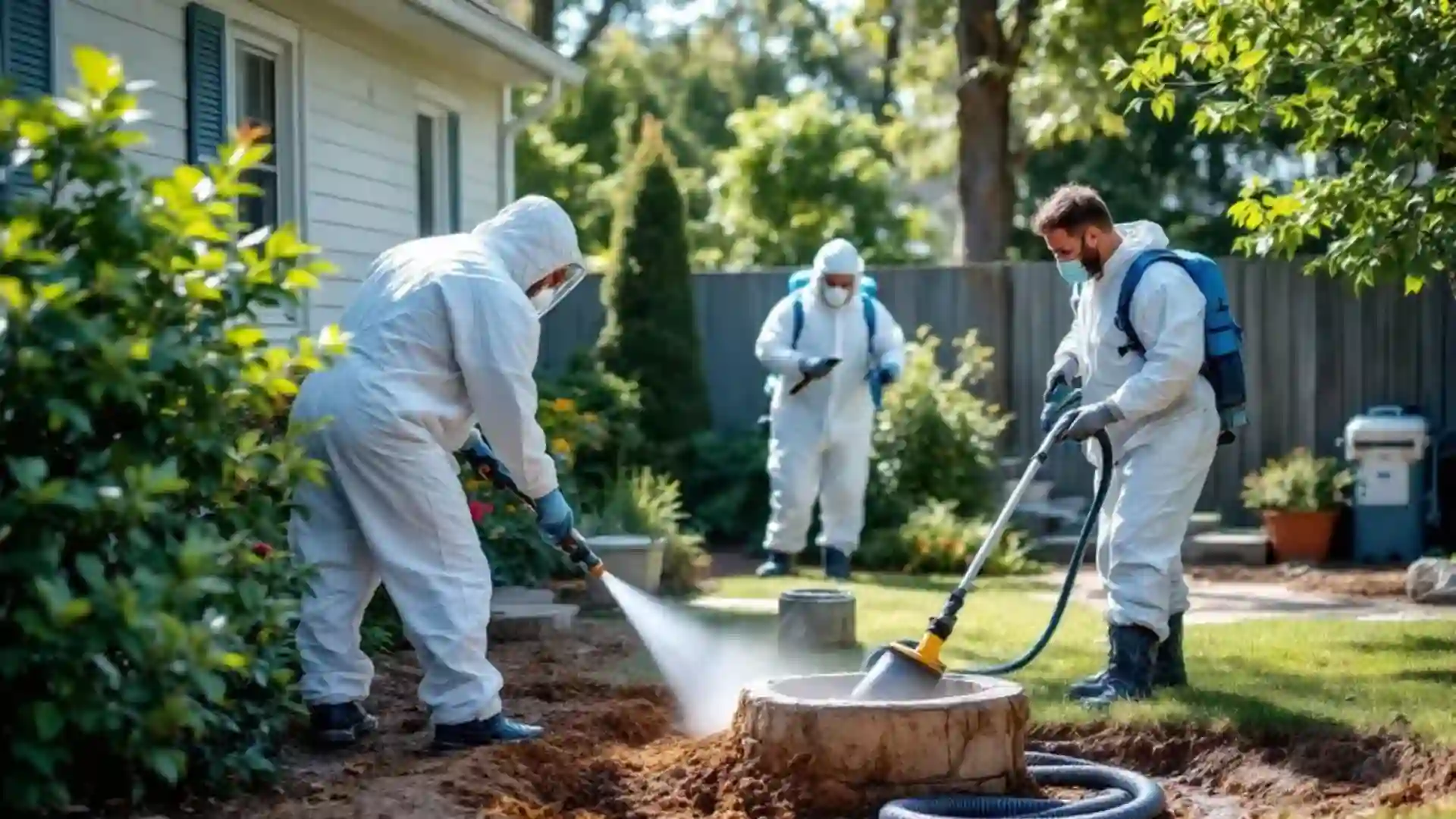
Sometimes smells go away on their own, but if they keep coming back, it could mean that waste is stuck in the drains or seals are breaking down. Persistent odors often indicate larger issues that require professional attention rather than self-fixing.
3. Water doesn’t drain at all after flushing or running fixtures
Drainage should occur after using the sink or flushing the toilet. When water doesn’t flow away and stays on the surface, it means there is a serious blockage that makes it difficult for the system to handle normal use.
4. External drains are flooding or overflowing
If rainwater or sewage comes back up through ground-level drains, it means that something is blocking the flow of water beyond your internal pipes. Seeing signs of a blocked drain outside early on, like water pooling around inspection chambers or gullies, can save you money on repairs later.
5. Multiple fixtures block simultaneously
If more than one drain, like a toilet or sink, gets blocked at the same time, it’s likely that the problem is in a part of the pipe network that everyone uses. Don’t ignore multiple blockages that happen at the same time.
6. Sudden change after heavy rain
Flooding or sudden backflow right after it rains, even when the gutters are clear, could mean that the drainage system is too full or that there is a bigger problem with the sewer or runoff connection.
7. Gurgling or bubbling sounds when draining water
Strange sounds may mean air is trapped and pushed back through water when it can’t exit the pipe. This might start out slowly, but it can quickly turn into a full blockage that needs immediate attention and may require professional help for emergency blocked drains.
How emergency drainage support works
Once you’ve seen a warning sign, a professional drainage expert will usually follow these steps:
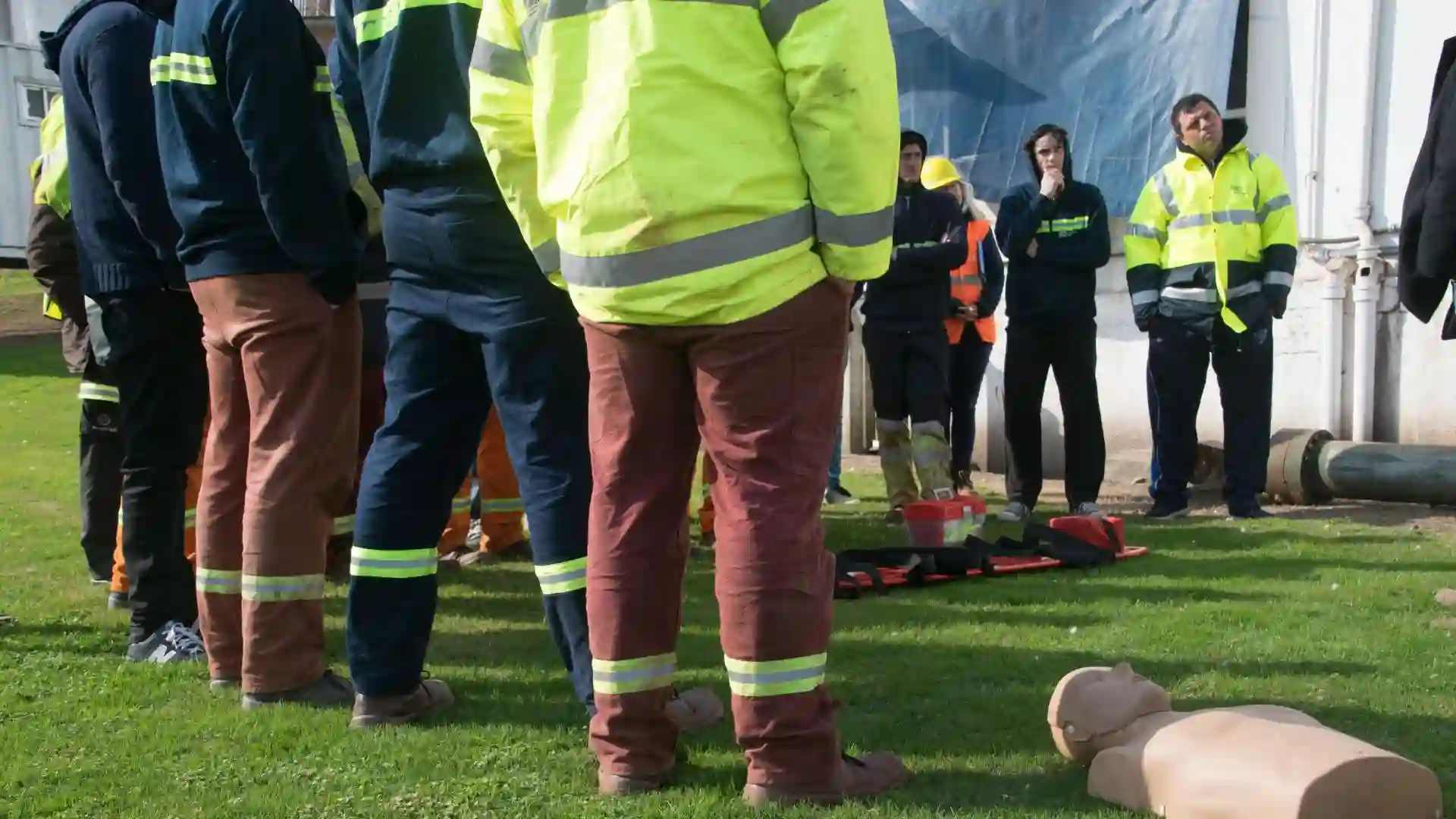
- First, find out about the symptoms and how urgent they are.
- Check things out by looking at them and doing controlled tests to find problems.
- Diagnos if the blockage is on the surface or deeper.
- Use specific methods to safely clear and repair blockages.
- Recommend checks or maintenance to reduce the likelihood of it occurring again.
This is especially useful when a problem goes beyond simple clearing and has to do with the structure or environment, not just small, isolated issues.
When to call an emergency plumber
Knowing when to call an emergency plumber is vital. Most of the time, you should get help right away when:
- Water starts to pool on the property
- Blocked drains don’t respond to small attempts to clear them.
- Contamination is spreading through drains that are overflowing.
- Obstruction makes plumbing fixtures unusable
In these cases, waiting to respond can make the damage to property and health worse.
Routine drainage checks can prevent surprises
Even if you haven’t had an emergency yet, having a professional check your car regularly and do preventative maintenance can help you find problems before they become serious. Regular checks can save time and stress and often stop systems from breaking down completely.
DIY vs Professional Emergency Response
Feature | DIY Attempt | Professional Assistance |
Diagnosis | Basic visibility | Thorough assessment |
Tools | Limited | Specialist equipment |
Result | Temporary relief | Long-term solution |
Safety | Possible damage risk | Controlled procedures |
If past attempts haven’t fully resolved the issue, professional emergency drainage services offer more definitive outcomes.
Take decisive action before a small problem becomes costly
Knowing the signs of serious drainage problems can help keep your home safe from damage and health risks. If you see one or more of these signs, getting help from a professional right away can make a big difference.
At Precise Drainage Solutions, we don’t guess; we carefully look at the symptoms, figure out the causes, and suggest the best solutions. Contact us now to discuss your situation and get the help you need.
Frequently Asked Questions
1. What is an emergency blocked drain?
It’s usually an emergency when wastewater backs up into the property or drains outside are overflowing.
2. Can a drain that is blocked cause flooding?
Yes. Without proper flow, blocked or overflowing drains can cause flooding inside or outside.
3. What should I do first if my drain suddenly gets clogged?
Look for obvious blockages and don’t flush again. Consider having a professional examine it promptly.
4. Do outdoor drains have different warning signs?
Yes, water pooling near grates or gullies is often a sign that the outside drainage system isn’t working.
5. How fast should emergency drainage services get to work?
The time it takes to respond depends on how serious the situation is, but urgent cases usually get priority for quick help.