It’s not common for drains to get blocked without a warning. Before a full blockage stops everything, you might hear gurgling sounds, see water flowing slowly, or smell bad smells. If a drain keeps blocking, it’s likely because the real problem hasn’t been found yet.
“According to UK water authorities, there are more than 300,000 blocked sewers every year. Fats, wipes, and structural problems are some of the main causes. These problems keep coming up, and it’s usually better to call in a professional to look into them than to keep clearing the surface.”
At Precise Drainage, we often go to homes where quick fixes have failed, and a more thorough look is needed to figure out why blockages keep coming back.
Key Takeaways
- Repeated blockages usually mean an unresolved underlying issue
- Surface clearing doesn’t fix structural or build-up problems
- Professional inspections help identify the real cause
- Recurring blocked drains can worsen if ignored
- Early diagnosis can reduce long-term disruption and cost
Why does a drain keep blocking instead of staying clear?
If blockages come back weeks or months after being cleared, it’s usually because of a hidden problem and not just bad use. Some of the most common reasons are:
- Grease or dirt is building up along the walls of the pipe
- Structural pipe defects or misalignment
- Root intrusion in the drainage systems underground
- Partial collapses or “bellies” in the pipes
These problems often lead to recurring blocked drains, and the only way to fix them for good is to figure out what is really causing them.
What warning signs suggest the problem is more than a one-off?
If you have drainage problems that keep happening, they usually happen in the same way. Here are some signs that something is wrong:
- Backups in the same fixture over and over
- Bad smells that come back after cleaning
- Water is backing up in other places when one outlet is used
- Slowly draining toilets or sinks in different rooms
When a toilet drain keeps getting blocked, it may point to shared pipework issues rather than the toilet itself.
How does a drainage man find the real cause?
A professional diagnosis does more than just fix the immediate issue, it identifies the underlying cause, allowing the right drainage solutions to be applied effectively.
Typical diagnostic steps include:
- Visually checking access points and how the flow works
- Testing water in a controlled way to see how it drains
- Using special tools to look inside pipes
This structured approach aids the engineer in locating the obstruction, assessing the pipe’s condition, and determining the necessity for cleaning, repair, or increased monitoring.
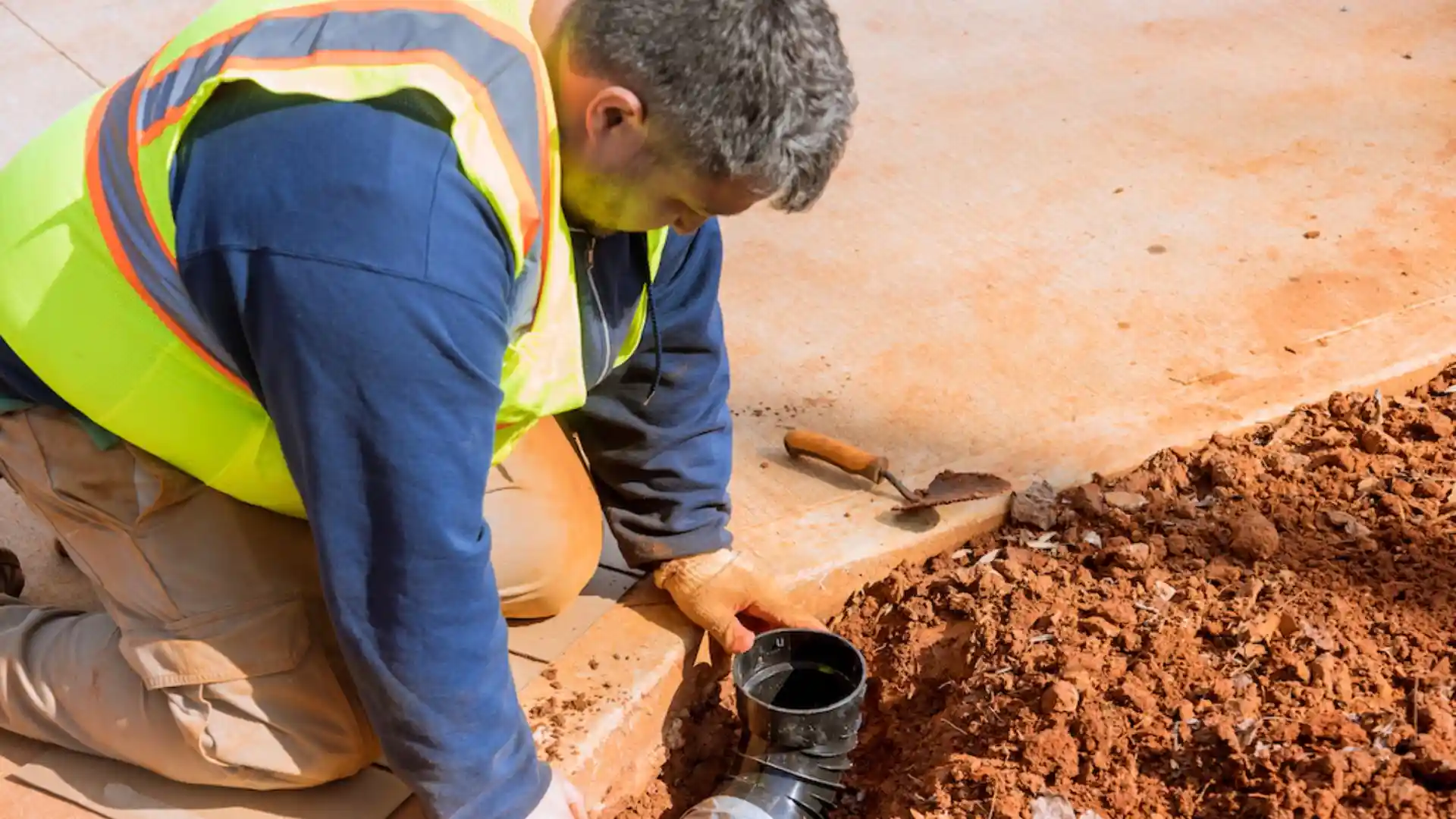
What happens during a drain inspection process?
The purpose of the inspection phase is to make things clear before any work to fix the problem is suggested.
Inspection Stage | Purpose |
Access assessment | Identify safe entry points |
Internal survey | Detect blockages or damage |
Findings review | Explain causes and options |
Next-step guidance | Outline appropriate solutions |
This method reduces guesswork and helps ensure that blocked drain solutions are based on facts instead of guesses.
Why repeated DIY clearing rarely solves the issue
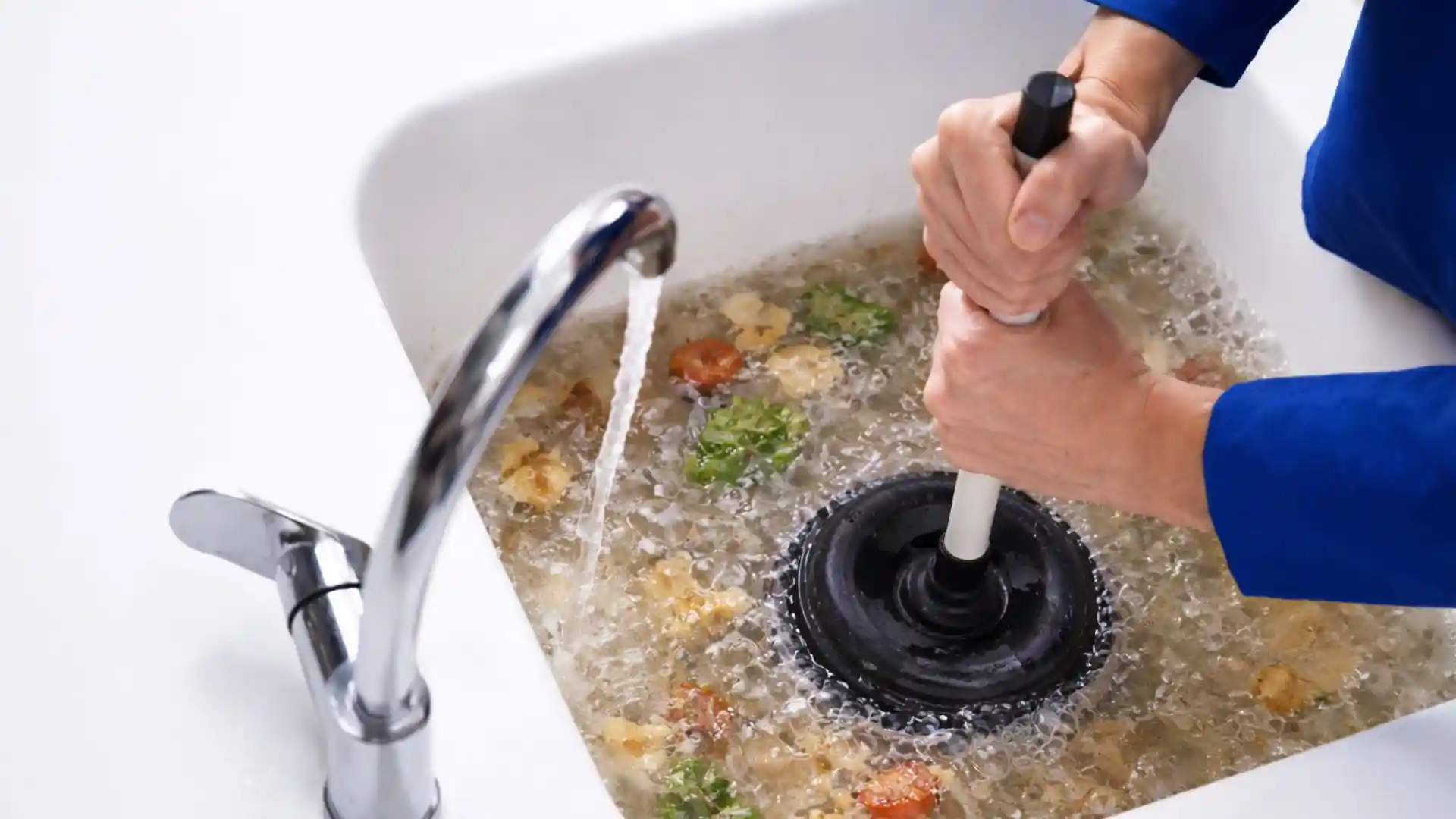
Chemical cleaners and plungers might fix the flow for a short time, but they usually leave a mess behind. Over time, this residue builds up, making pipes smaller and causing blockages to happen over and over again.
The goal of professional clearance is to fix the problems that caused the issue, not just cover up the symptoms.
When should homeowners seek professional drainage services?
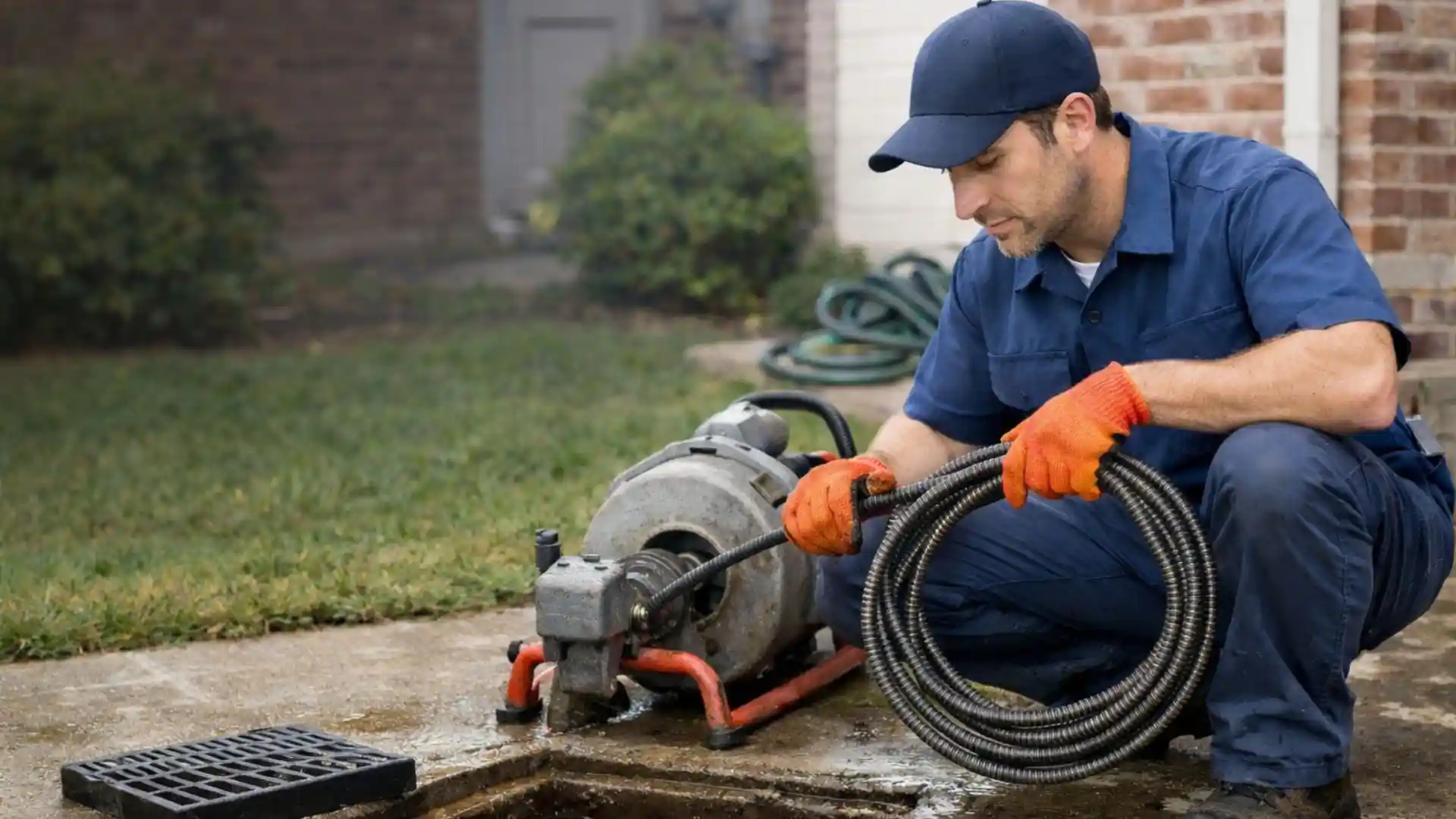
You might want to get professional help if :
- The same drain blocks more than once in a short period
- Multiple fixtures are affected at the same time
- Water backs up externally or into the property
- Odours persist after clearing
In these situations, hiring a professional drainage service is a more dependable way to find a long-term solution
Get clarity and support before the next blockage occurs
If a drain keeps getting clogged, clearing it out over and over again usually only works for a little while. The first step to getting a more reliable and long-lasting result is to figure out what the real problem is. In many parts of the UK, Precise Drainage Solutions can help homes and businesses quickly. Availability depends on where you are and what you need to do first.
Our method helps property owners make smart choices by focusing on thorough inspections, clear explanations, and useful advice based on what we find, not what we think. If your property has ongoing drainage problems, having a professional look at it can help fix the flow and lower the chance of more problems in the future.
Frequently Asked Questions
1. Why does my drain keep blocking even after it’s been cleared?
If your pipes keep getting blocked, it’s usually because of an underlying problem that hasn’t been fixed yet, like debris building up, pipe damage, or roots getting in.
2. Can recurring blocked drains damage my property?
Yes. Persistent blockages can raise the risk of flooding inside, damp problems, and pipes getting worse over time.
3. How do drainage inspection services help?
They let engineers look inside the pipes, figure out what’s wrong, and suggest what to do next.
4. Is a blocked toilet always caused by flushing habits?
Not all the time. If your toilet drain keeps getting clogged, it could be because of shared pipes or problems downstream.
5. How long does a professional inspection usually take?
Most inspections can be done in one visit, but this depends on how easy it is to get to the system and how complicated it is.