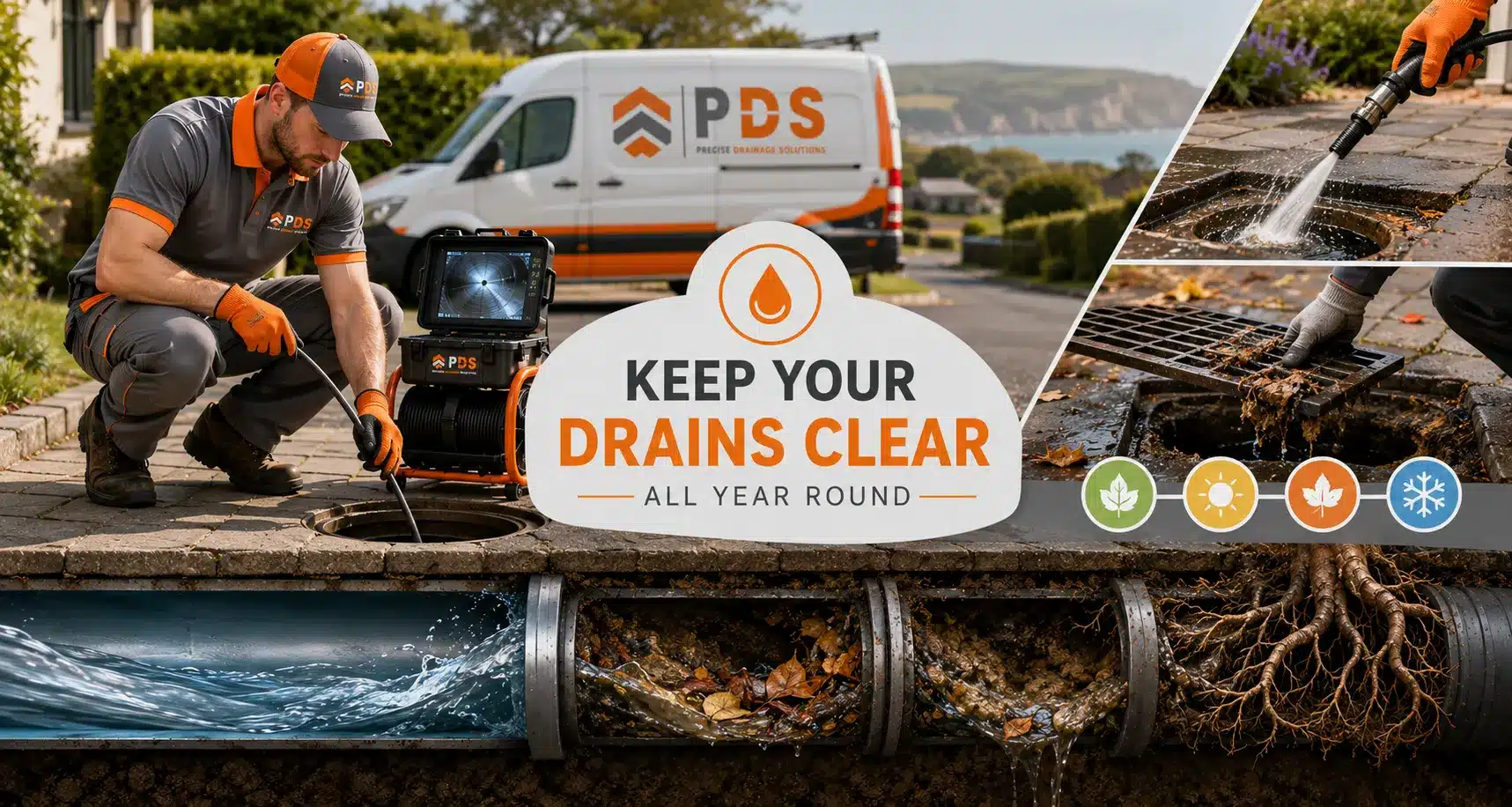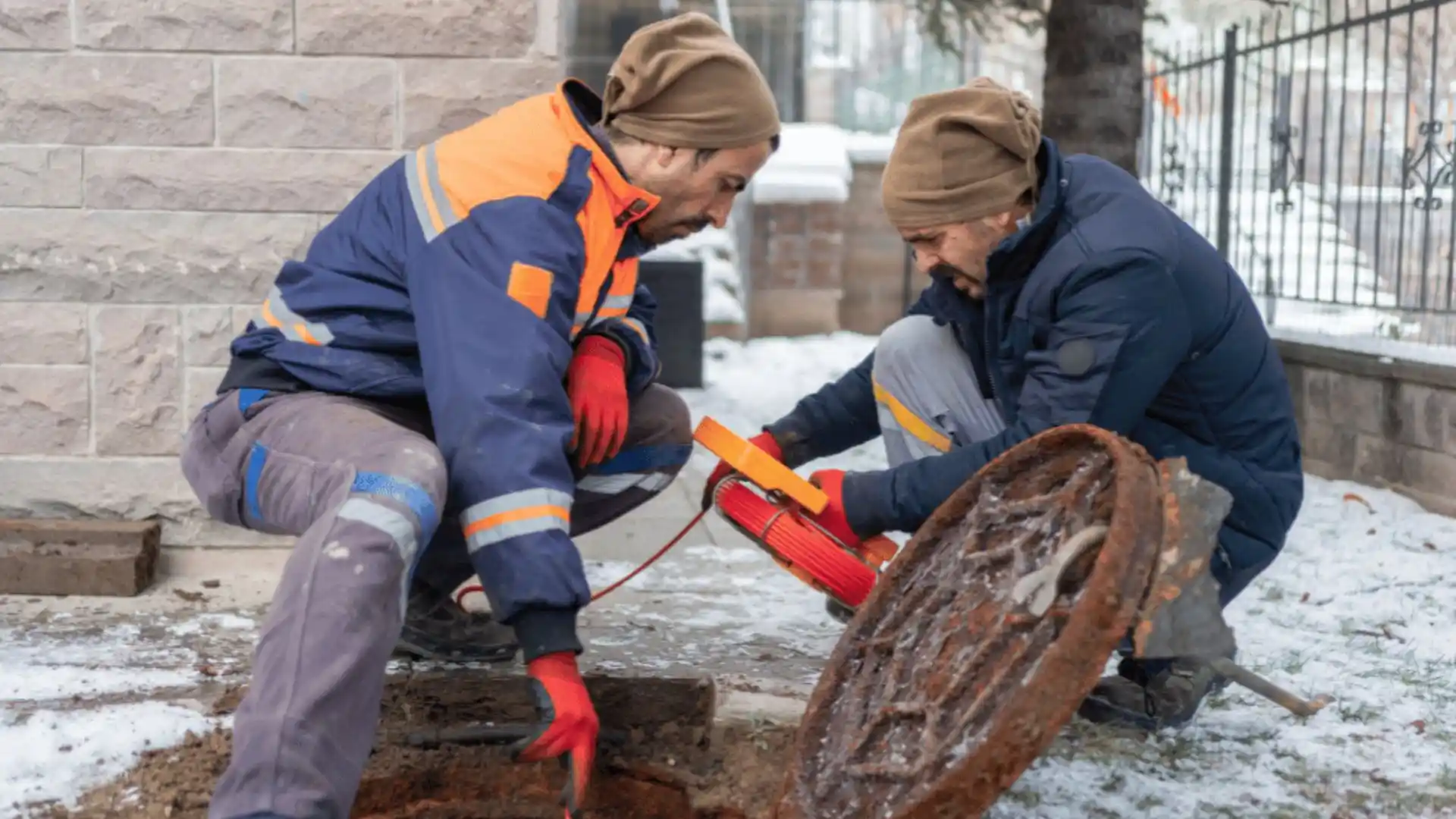
Spring is a good time to check how well your drainage system has handled the stress of winter, which included cold temperatures, heavy rain, and changing ground conditions. A structured spring drainage inspection helps property owners find early signs of damage, reduced flow, or hidden problems before they turn into bigger ones.
Did You Know? “According to Water UK, sewer blockages across the UK frequently occur due to debris buildup, fats, and non-flushable materials getting into drainage systems. Seasonal weather also puts stress on the systems.”
So, the spring inspection is mostly about figuring out how winter weather may have affected drainage performance and whether or not action should be taken to stop it from happening again. At Precise Drainage Solutions, we usually base our assessments on what we see in the system and what we think will work best, not on what we think will work best.
Key Takeaways
- After a stressful winter, spring is a great time to check the drainage.
- Early inspection helps find problems that aren’t obvious.
- Preventive monitoring lowers the chance of disruption.
- Problems that keep coming up need to be looked at in a structured way.
- Comprehending system conditions enhances long-term dependability.
Why spring is the right time to check your drainage
Winter weather can put more stress on pipes and drainage systems that are below ground and on the surface. Temperature, soil movement, and more rain can affect the system’s stability and performance.
A structured review may help find:
- Slowly limiting the flow of water in pipes
- Signs of winter pipe damage that affect how well they work
- Leftover debris from the colder months
- Signs of winter water damage near drainage points
Early assessment helps people make smart choices before seasonal use goes up.
What should a spring drainage inspection actually look for?
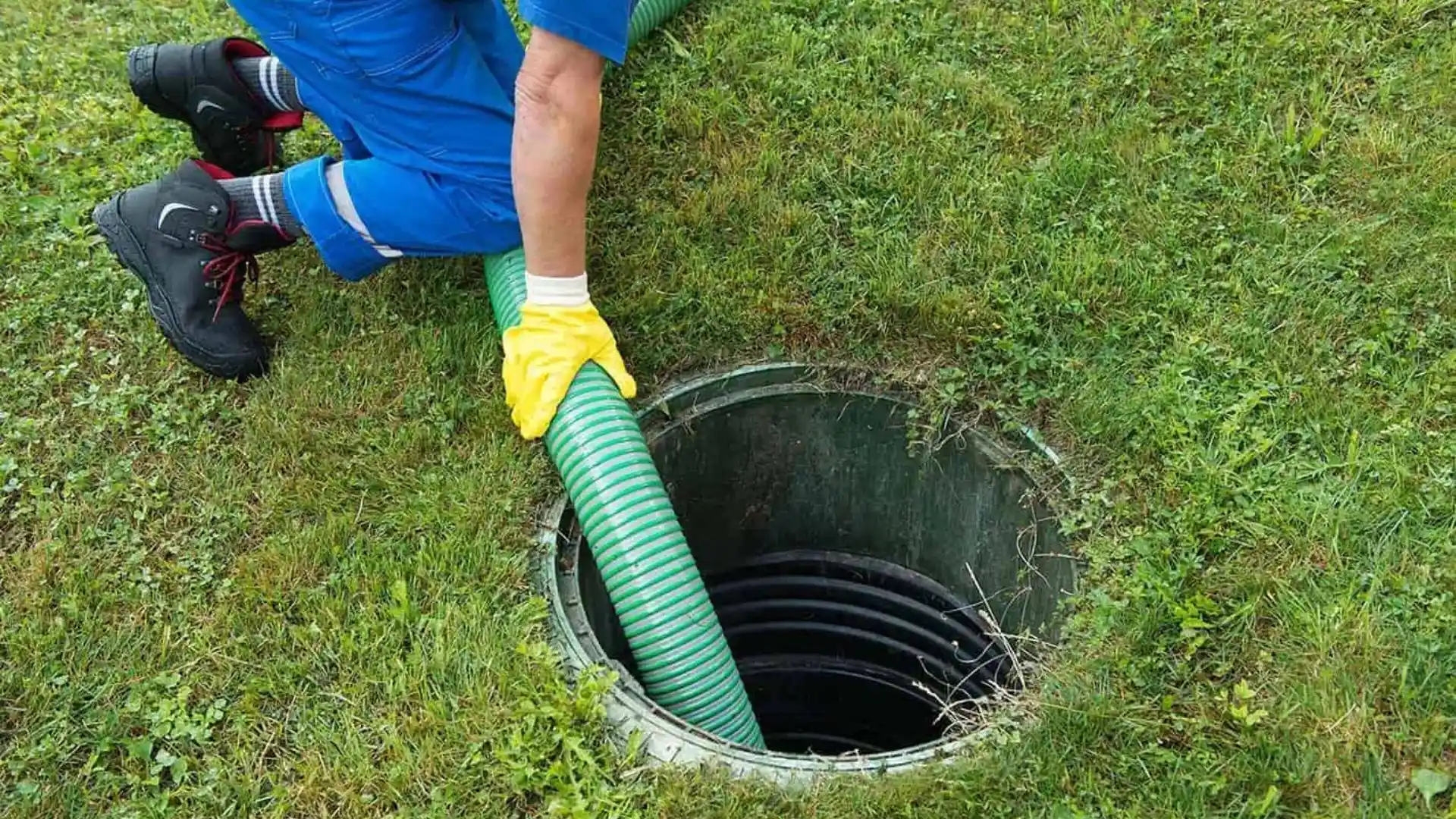
Instead of guessing, a systematic approach looks at how well things are working and how easy it is to get to drainage parts.
Main things to check
- External drainage points showing restricted flow
- Standing water near outlets or channels
- Odours or unusual drainage sounds
- Areas vulnerable to basement water seepage
- Signs requiring a targeted drain blockage check
If symptoms persist, additional assessment may be necessary to ascertain whether underlying structural conditions are exacerbating the disruption.
Practical checks homeowners can carry out safely
Some property owners decide to do careful visual checks before hiring a professional to look at their property. These steps are more about watching than doing something.
Basic visual checks
- Confirm water drains freely from sinks and external outlets
- Observe surface drainage after rainfall
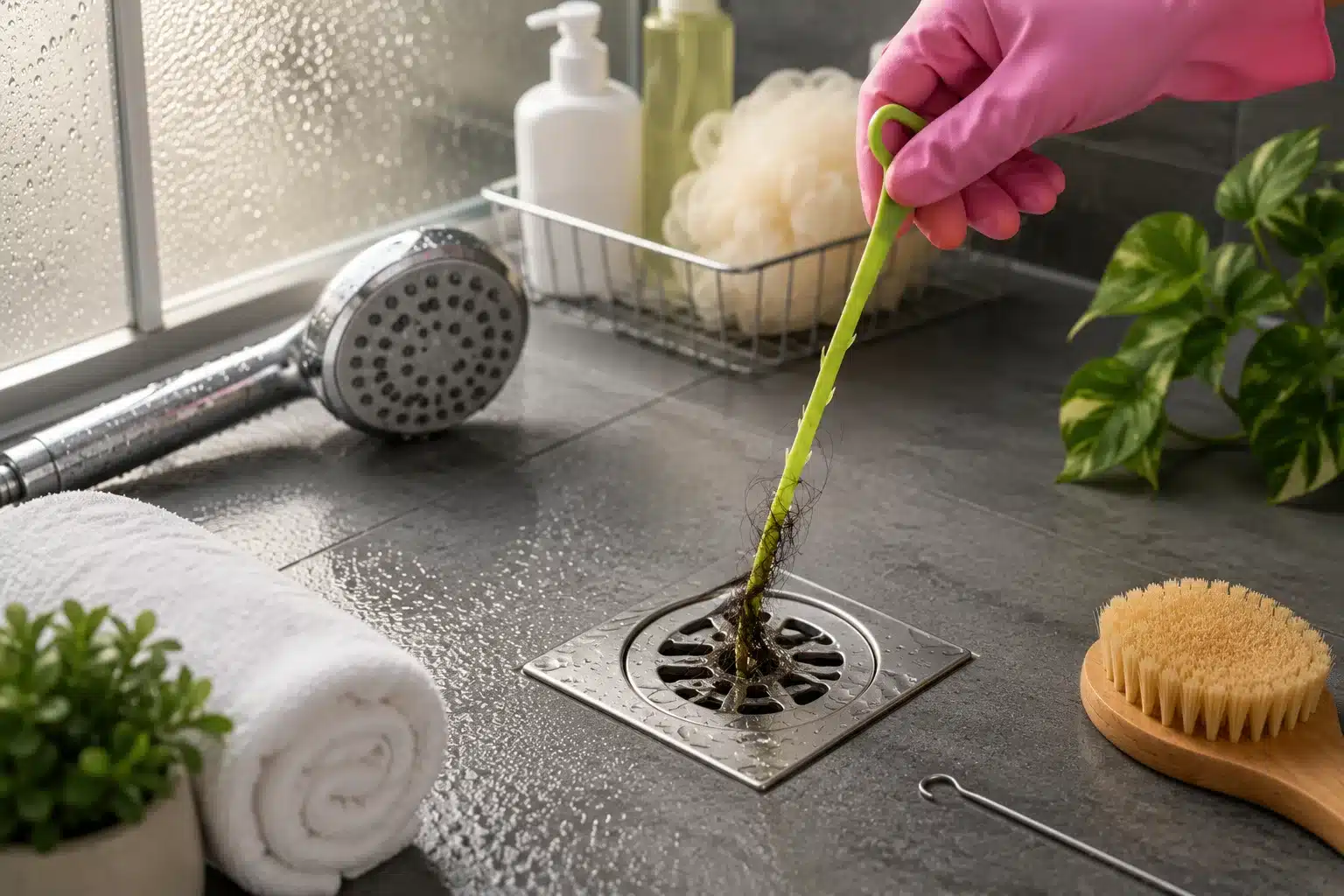
- Remove visible debris where safely accessible
- Monitor recurring odours or slow flow
These steps are sometimes included in careful spring drain cleaning routines for drains, particularly when debris accumulation is visible and accessible.
When seasonal inspection reveals deeper concerns
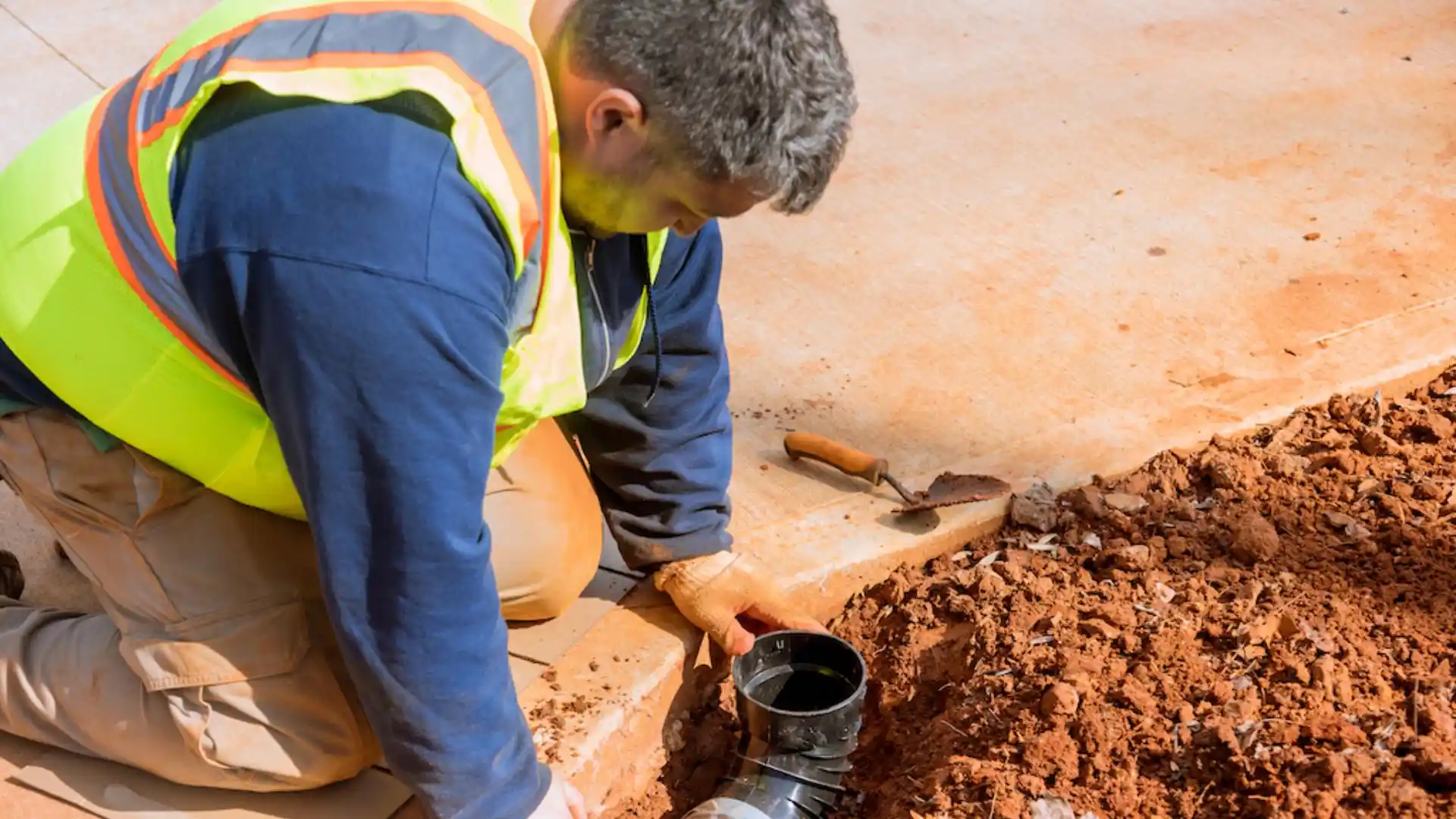
If drainage performance does not improve after basic checks, the issue may extend beyond surface buildup. Structural conditions or internal restrictions may require closer evaluation.
Common indicators of more complex conditions include:
- Repeated blockages despite clearing attempts
- Slow flow affecting multiple fixtures
- External drainage overflow during rainfall
- Ongoing odours or water backup
These steps are sometimes part of thorough spring drain inspections, especially when you can see and access the debris that has built up.
A comparison of observation vs structured evaluation
Approach | Focus | Typical Outcome |
Visual review | Identifies visible issues | Early awareness |
Preventative monitoring | Tracks system performance | Reduced risk of disruption |
Professional assessment | Evaluates internal condition | More informed resolution |
When the state of the system is still unknown, structured drain maintenance services may help long-term drainage performance by using evidence-based evaluation.
How winter conditions can affect drainage performance
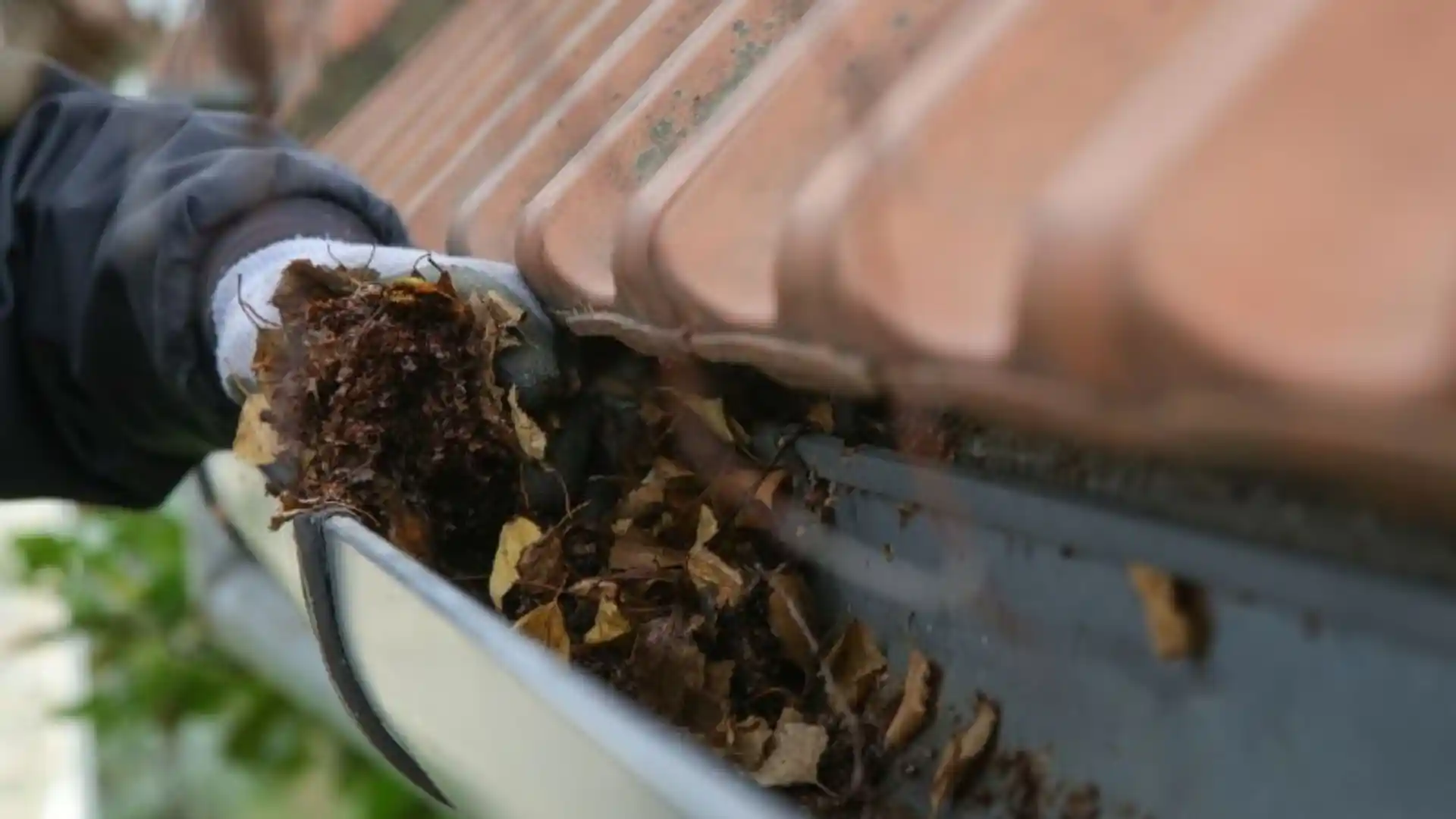
Winter weather affects drainage systems in several gradual ways, rather than causing sudden failure. Changes in temperature, shifting debris, and increased rainfall can all impact the condition of internal pipework and the steady flow of water.
Taking early action and investing in professional drainage solutions can help protect your system, reduce long-term damage, and ensure your drains continue to operate efficiently throughout the colder months.
Possible effects of the seasons include:
- Material buildup contributing to restricted flow
- Ground movement affecting pipe alignment
- Debris entering drainage pathways
- Conditions requiring targeted blocked drain repairs
You may not notice these changes right away, but they can affect drainage over time.
“Related Blog: Autumn Drain Maintenance Checklist: 10 Tasks Before Winter Arrives “
Preventative steps that support year-round reliability
Spring inspections work best when people are aware of drainage problems all year long. Preventative habits help keep the system running smoothly and lower the risk of it happening again.
Helpful practices include:
- Monitoring early warning signs such as slow drainage
- Avoiding disposal of grease or inappropriate materials
- Observing water behaviour during rainfall
- Seeking evaluation when issues repeat
When there is a recurring problem, targeted assessment can help figure out if the problem is with the use, the obstruction’s location, or the pipe’s condition.
When professional evaluation may be appropriate
Visual checks can find obvious problems, but more serious ones often need a structured assessment to figure out what caused them and what the best response is.
When you might think about getting professional help:
- Drainage problems recur after clearing
- Water flow problems affect multiple fixtures
- External drainage performance declines
- System condition remains uncertain
Instead of repeatedly going through the same process, structured evaluation provides useful suggestions based on observations.
Why early action helps prevent larger disruptions
Problems with drainage often get worse over time. Taking care of early symptoms may help keep things from getting worse later in the year. Spring is a time when you can go from not knowing to knowing more about the system’s condition.
A careful spring drainage inspection can help property owners make better decisions ahead of time and learn more about how the drainage works after winter.
Arrange Your Spring Drainage Assessment
Knowing how winter weather has affected your drainage system will help it work better all year long. Precise Drainage Solutions carefully looks at the situation and makes useful suggestions based on what they find. If you’re having problems with drainage after winter, getting a professional evaluation may help you understand the state of your system and what to do next. Book your post-winter drainage inspection today – contact our team now.
Frequently Asked Questions
1. Why is a spring drainage inspection important after winter?
Spring inspection helps find damage, debris buildup, and slow flow caused by winter weather before these problems get worse and cause bigger drainage problems.
2. Can winter weather damage drainage pipes?
Yes. Pipes’ drainage can be affected by temperature and ground movement.
3. What are early warning signs of drainage problems?
If water is pooling, smells are coming back, and blockages keep happening, it could mean that the system is getting more restricted or that there are structural problems.
4. Should homeowners attempt full drain clearing themselves?
It’s safe to do basic observation, but problems that keep coming back usually need a more structured evaluation instead of trying to fix them yourself over and over.
5. When should professional assessment be considered?
Professional evaluation is generally warranted when blockages persist, impact several fixtures, or when the system’s condition remains ambiguous post-inspection.