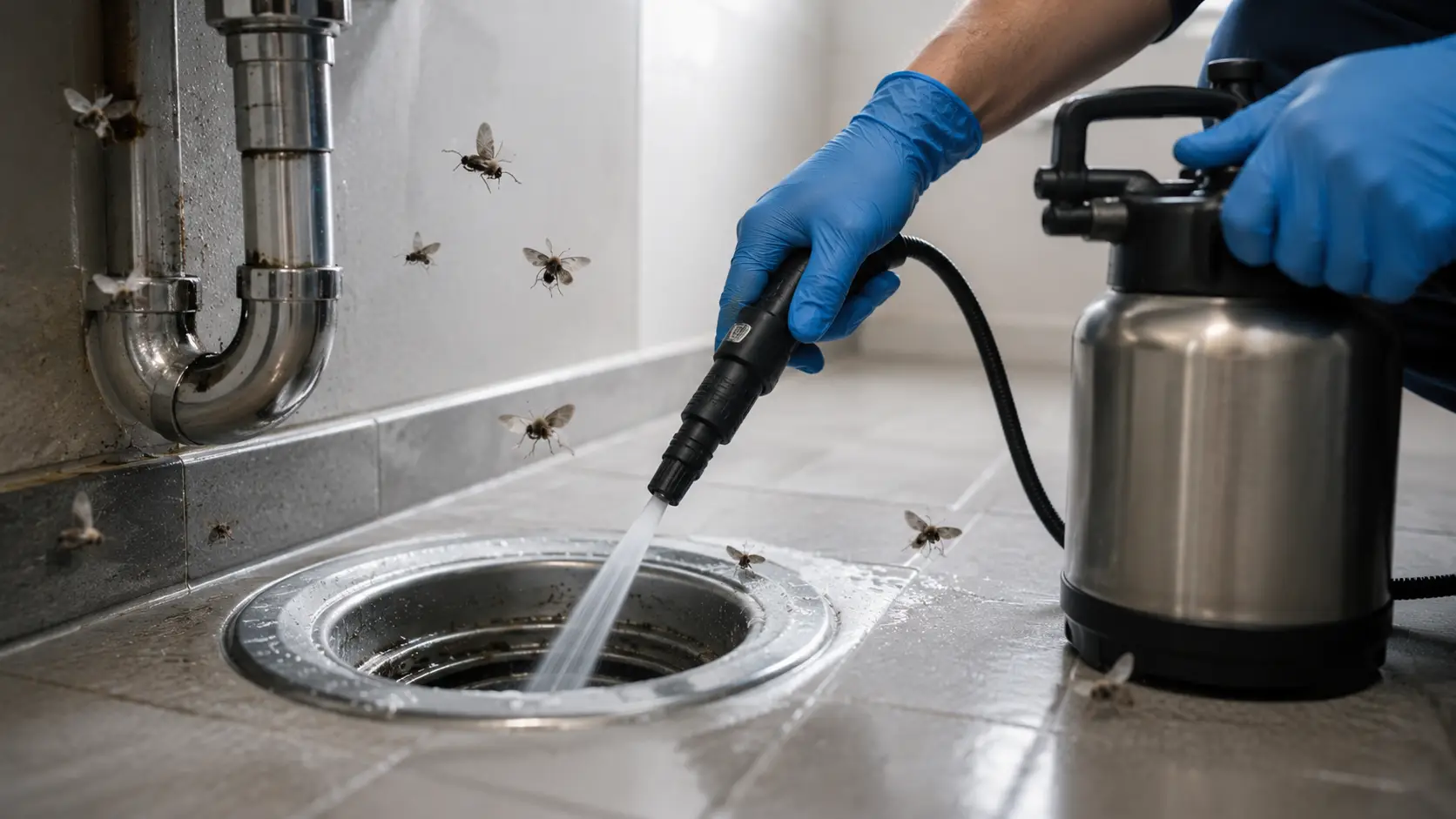
Finding tiny moth-like bugs flying around your kitchen or bathroom can be very annoying, especially when they keep returning after you have cleaned the area. Drain flies generally mean there has been a build-up of organic matter somewhere inside your drainage system where they are able to thrive and breed. The most important thing about finding a reliable drain fly removal service is to get to the root of the problem, not just get rid of the visible bugs.
“Did you know? UK Government guidance recommends eliminating fly breeding sites through good hygiene and regular waste removal, as removing the source is more effective than relying on insecticides alone.”
If drain flies continue appearing after repeated cleaning, it’s often a sign that the breeding site remains hidden inside the drainage system. At Precise Drainage Solutions, we believe lasting results begin with identifying the real cause before recommending the most appropriate drainage solution.
Key Takeaways
- Drain flies breed in organic build-up in drains, not just around standing water.
- It is more effective to remove the source of breeding than to kill adult flies.
- Persistent drain flies could indicate a drainage problem.
- There are often hidden causes that DIY methods can’t uncover, but professional inspections can.
- Routine drain cleaning can prevent future infestations.
Why do drain flies keep coming back?
Most homeowners kill the adult flies but leave the developing larvae in the drain.
Drain flies thrive in the following:
- Organic sludge
- Hair and soap residue
- Food particles
- Grease deposits
- Moist pipe surfaces
Even if sprays or traps wipe out the adults, new flies can continue to emerge until you eliminate these breeding conditions.
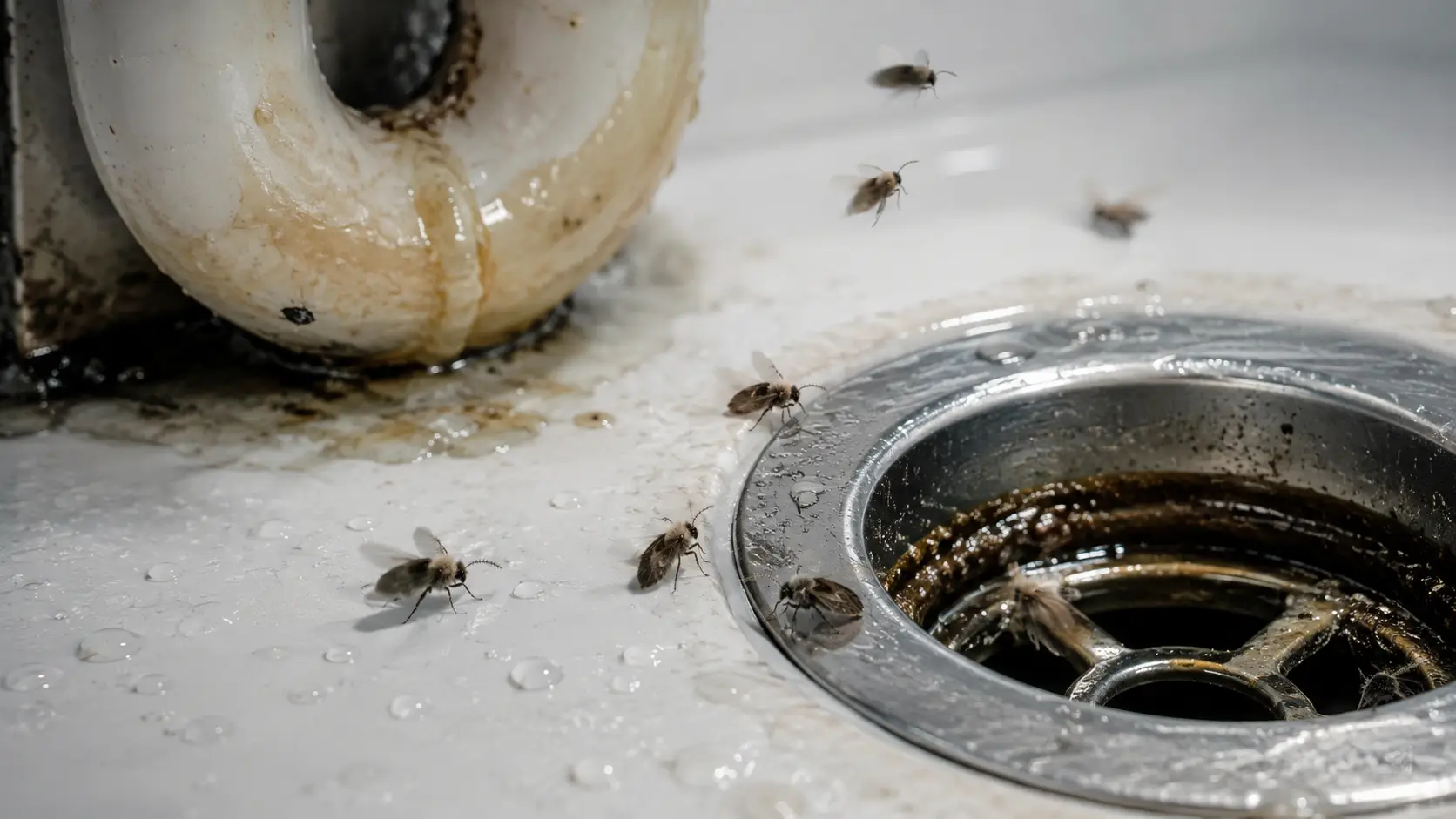
Why DIY methods often provide only temporary relief
Home remedies may decrease the number of visible insects, but rarely do they solve the problem.
People searching for how to remove drain flies from home often focus on treating the insects themselves instead of cleaning the organic biofilm where eggs and larvae develop.
If the source of breeding is not treated, infestations often recur within days or weeks.
What does a professional drain fly removal service actually do?
Drainage specialists don’t just treat the symptoms; they look at the condition of the drainage system to see where the flies are breeding.
A typical inspection may involve:
- Locating affected drains
- Assessing organic build-up
- Identifying slow drainage
- Checking for damaged pipework
- Looking for hidden moisture sources
This systematic approach supports effective professional drain fly removal by targeting the conditions allowing drain flies to multiply.
How hidden drainage issues contribute to infestations
Sometimes, persistent drain flies are a sign of more than surface dirt.
Possible hidden reasons:
- Slow-flowing waste pipes
- Partial drain blockages
- Cracked pipework
- Standing wastewater
- Poor drainage gradients
If these problems exist, simply cleaning the drain opening may not eliminate the breeding site.
Don’t Let Hidden Drain Problems Attract Pests — Call Our Experts Today!
Why it is important to identify the breeding source
The first step in any successful treatment is finding the breeding sites of the insects.
Many online guides explaining how to remove drain flies overlook the importance of tracing the infestation back to its origin.
Locating the breeding area first will allow drainage specialists to recommend the best method for cleaning or repairing the problem rather than treating the symptoms over and over again.
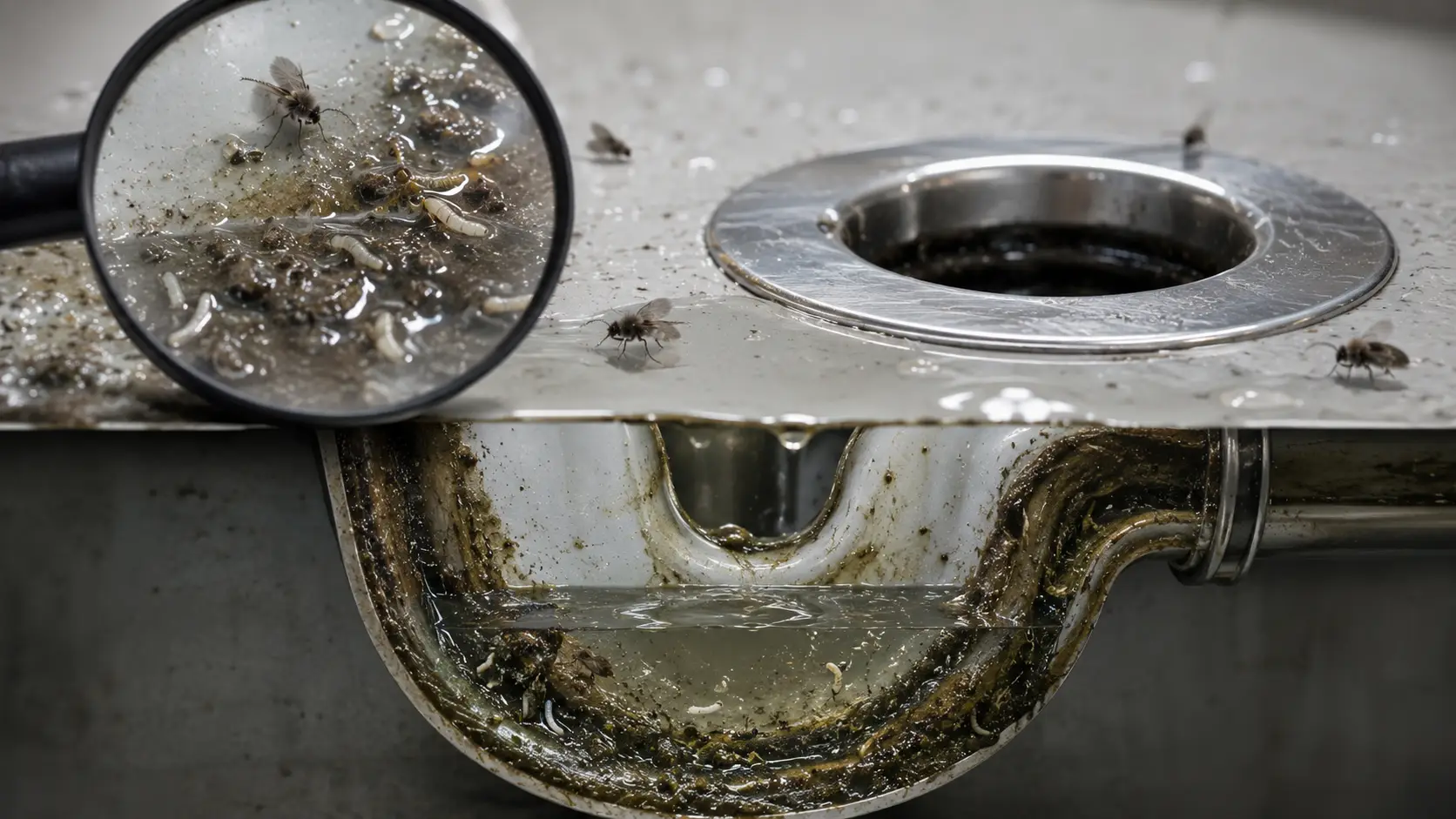
Can drain flies originate from kitchen drains?
Yes.
Gradually the inside of the pipework becomes coated with grease, food residue and organic deposits, creating ideal breeding conditions in kitchen drains.
Homeowners researching how to remove drain flies from the kitchen should first ensure the drain is thoroughly cleaned before assuming the insects are coming from another location.
If the infestation persists, it may be necessary to investigate professionally to discover hidden drainage defects.
How can you help prevent drain flies from returning?
Good drainage maintenance greatly reduces the likelihood of future infestations.
Helpful habits include:
- Clean drains regularly.
- Avoid pouring grease into sinks.
- Remove food debris promptly.
- Flush rarely used drains from time to time.
- Address slow drainage early.
These simple steps cut down on the organic matter drain flies need to complete their life cycles.
When should you call a professional?
Professional help is worth it if:
- Drain flies repeatedly return.
- Multiple drains are affected.
- Unpleasant odours accompany the infestation.
- Water drains slowly.
- DIY methods have failed.
If you are a UK homeowner looking for drain flies removal in the UK, professional drainage assessments can help you identify if there are unseen drainage problems allowing an infestation to persist.
Say Goodbye to Drain Flies with Precise Drainage Solutions
Recurring drain flies often signal an underlying drainage issue. Precise Drainage Solutions identifies the source and provides effective drain fly removal service solutions for lasting results. Contact our expert team today and enjoy a cleaner, fly-free drainage system.
Frequently Asked Questions
1. What attracts drain flies to household drains?
Drain flies are attracted to moist organic matter inside drains, including grease, food residue, soap scum, and biofilm where their larvae develop.
2. Will drain flies disappear without treatment?
Usually not. As long as breeding material remains inside the drainage system, new generations of drain flies can continue emerging regularly.
3. Are drain flies harmful to people?
Drain flies are generally nuisance insects rather than dangerous pests, but their presence often indicates drainage conditions requiring attention and improved hygiene.
4. How long does professional drain fly removal take?
The timeframe depends on the infestation’s severity and any underlying drainage issues, but identifying and removing breeding sources provides the most reliable results.
5. Can damaged drains cause recurring drain fly problems?
Yes. Cracked pipes, standing wastewater, slow drainage, and hidden organic build-up can all create suitable breeding conditions for repeated infestations.