Toilet blockages are unpredictable and can leave you with overflowing water, unpleasant smells, and stress. Luckily, you can avoid many of these issues with a few simple habits and regular maintenance. If you’ve ever had a blocked toilet before, you know how inconvenient it is.
“Did you know? Water UK advises that only the “3 Ps”—pee, poo, and toilet paper—should be flushed down the toilet. Wet wipes, sanitary products, and other items are among the leading causes of sewer blockages.”
Being proactive can help protect your home’s plumbing and reduce the chances of costly repairs and surprise drainage emergencies. At Precise Drainage Solutions, we believe that prevention is always easier and cheaper than dealing with an emergency after the damage has been done.
Key Takeaways
- Good flushing habits will prevent most toilet blockages.
- Only flush toilet paper and human waste.
- Don’t ever dismiss the small warning signs.
- Prevent Costly Plumbing Emergencies With Routine Maintenance
- If you have recurring blockages, the safest thing to do is to call in a professional.
1. Only Flush the Three Things That Belong in the Toilet
The simplest way to prevent blockages is by being careful about what goes into your toilet.
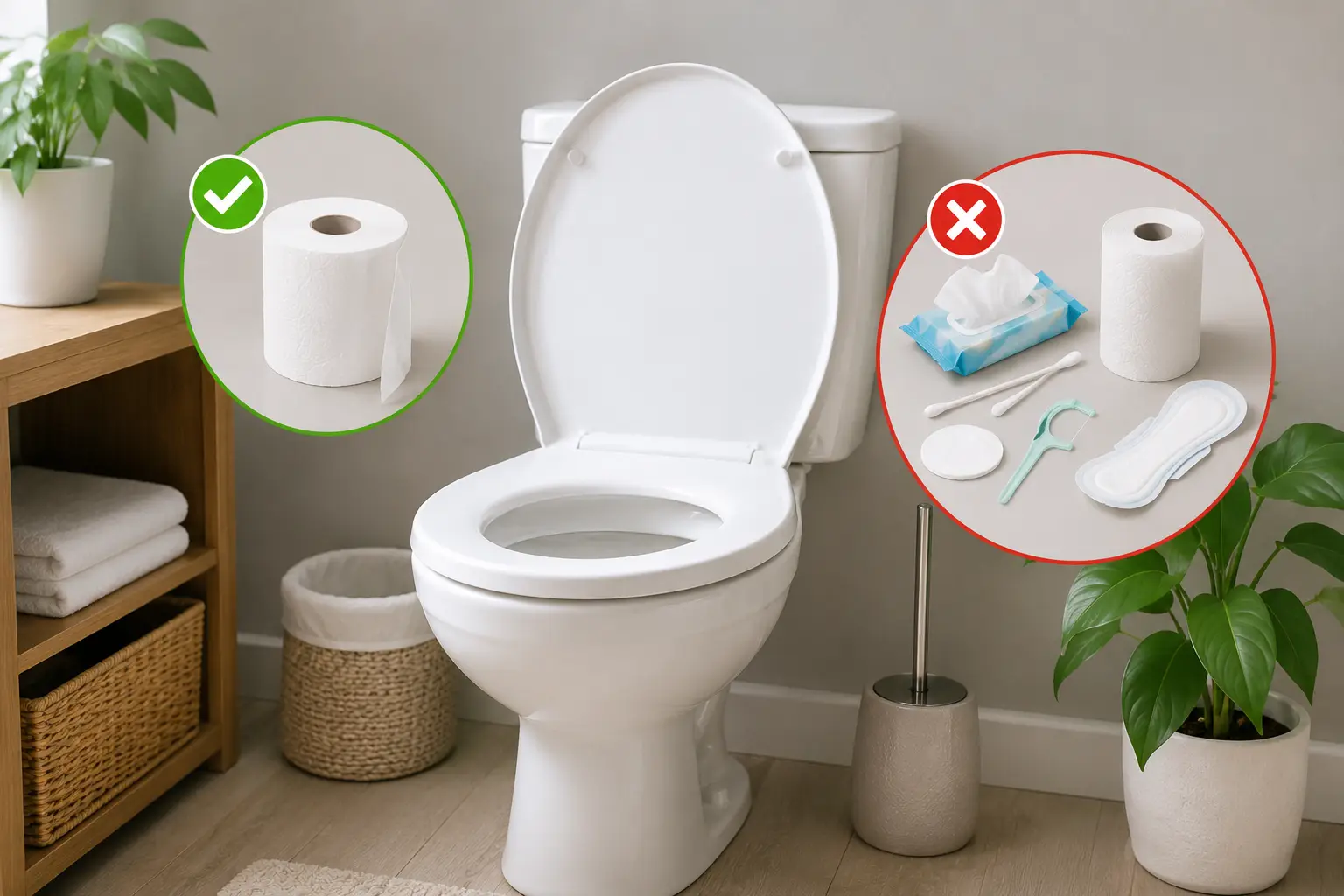
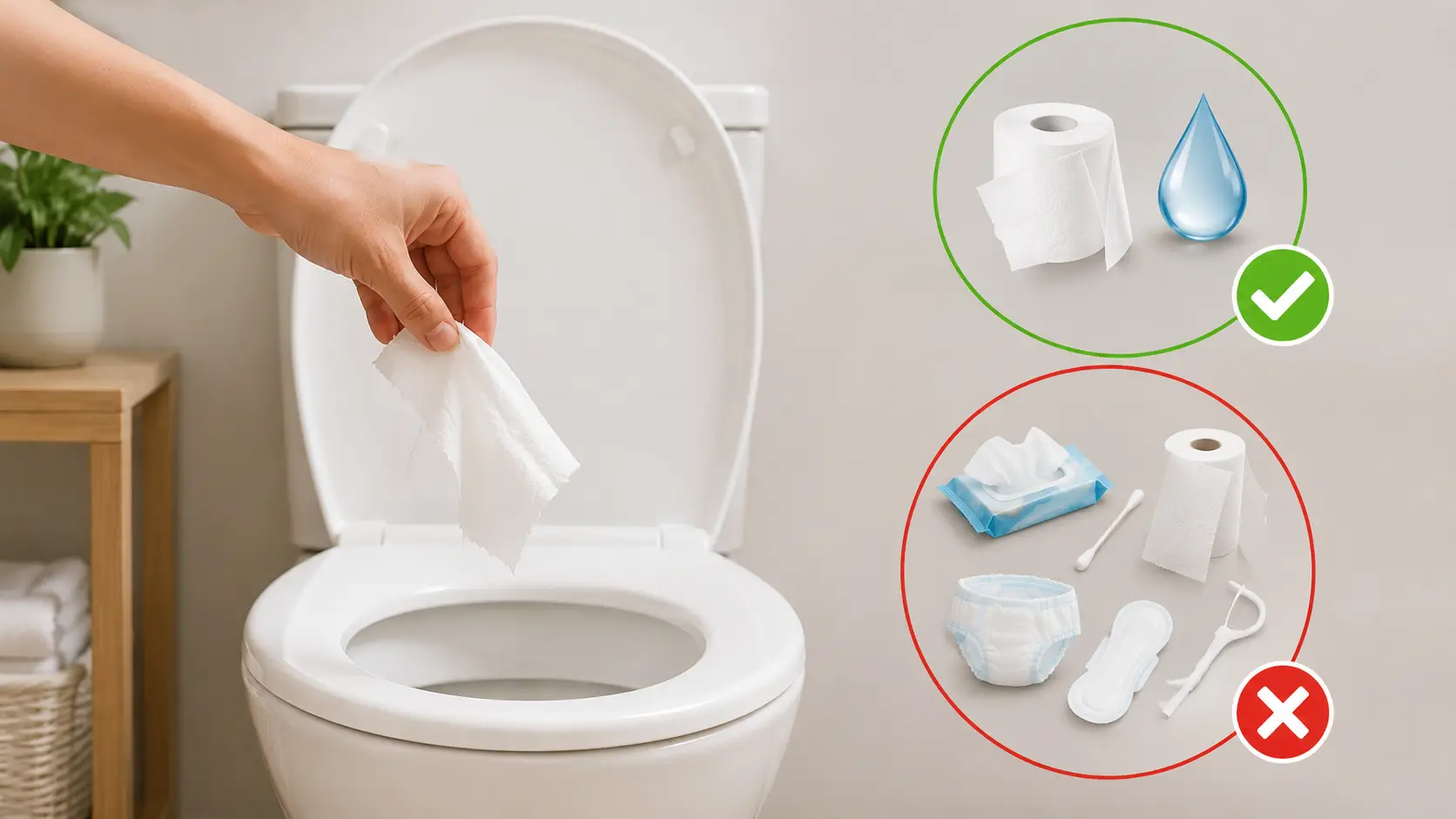
Only flush:
- Human waste
- Toilet paper
- Water
Never flush:
- Wet wipes
- Kitchen towels
- Cotton buds
- Dental floss
- Sanitary products
- Nappies
Even products labelled “flushable” may not break down as quickly as toilet paper and can contribute to blockages.
2. Don't Ignore Slow Flushing
A toilet that empties more slowly than usual is often giving you an early warning.
Common causes include:
- Partial blockages
- Excess toilet paper
- Waste buildup
- Problems further along the drainage system
Addressing these signs early is much easier than waiting for a complete blockage to develop.
3. Use Toilet Paper Sensibly
Toilet paper is designed to break down in water, but using too much in a single flush can still overwhelm your plumbing.
If you need big amounts, two flushes are usually better than forcing everything through at once.
Many homeowners searching for how to remove a clog in a toilet only realise afterwards that prevention would have been far easier than dealing with an overflow.
4. Teach Everyone in the Household Good Flushing Habits
Children and visitors may accidentally flush items that shouldn’t enter the drainage system.
Helpful reminders include:
- Keep a bathroom bin nearby.
- Explain what should never be flushed.
- Dispose of wipes and hygiene products properly.
- Avoid treating the toilet as a rubbish bin.
Good habits throughout the household significantly reduce the risk of future blockages.
5. Watch for Repeated Minor Problems
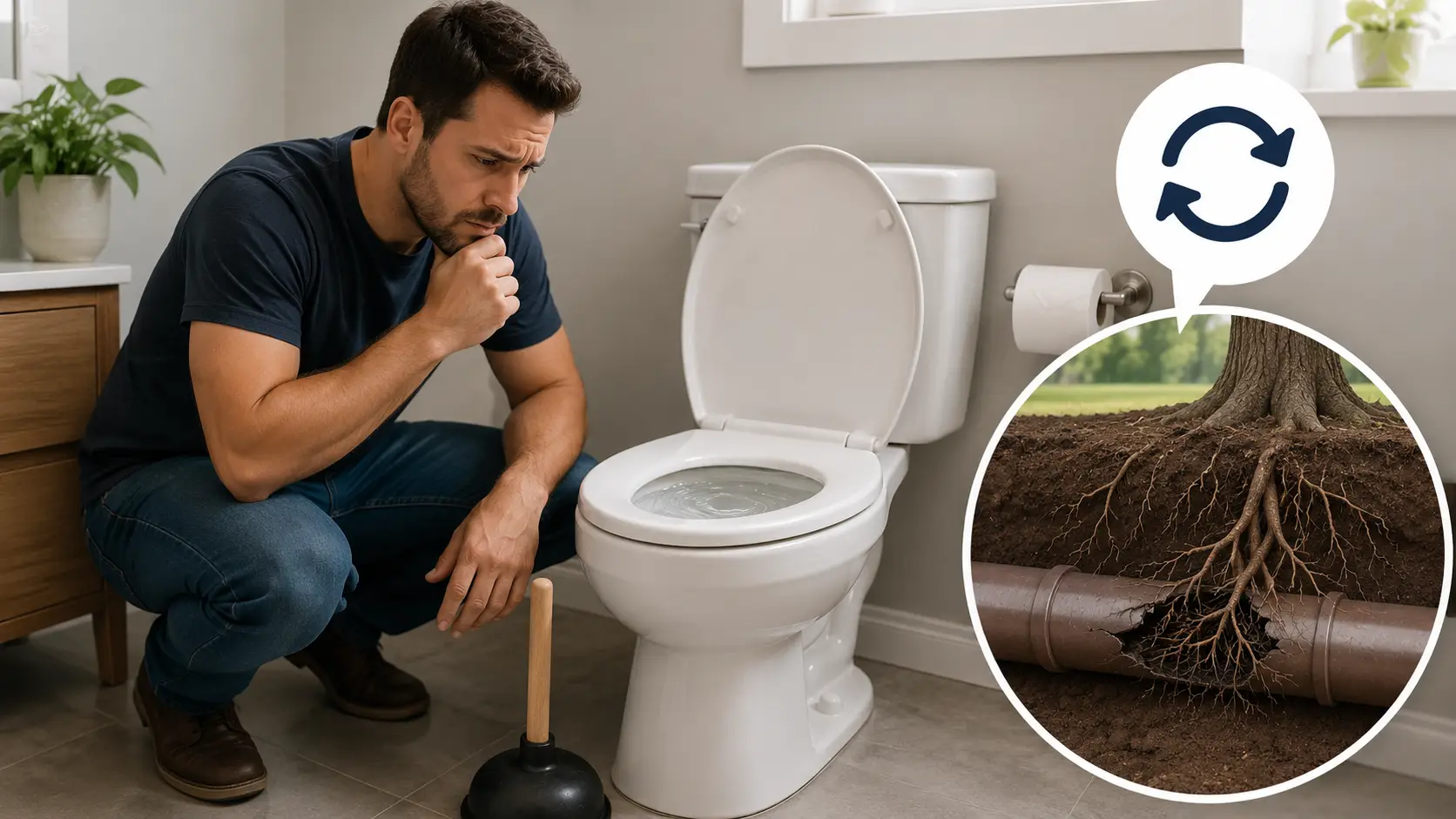
If your toilet keeps blocking, the problem may be bigger than the toilet.
Recurring symptoms can mean:
- Drainage restrictions
- Pipe damage
- Root intrusion
- Poor drainage design
Homeowners often search for how to remove clogs from toilets, but repeated blockages usually deserve a professional inspection rather than repeated temporary fixes.
6. Avoid Harsh Chemical Drain Cleaners
Chemical cleaners may seem like the quickest solution, but they’re not always the best way to deal with a clogged toilet.
In some situations, they can:
- Damage older pipework
- Fail to remove solid obstructions
- Create safety risks when mixed with other products
Instead, identify the cause before attempting any treatment.
Many online guides explaining how to unclog a toilet overlook the importance of diagnosing why the blockage occurred in the first place.
7. Arrange Professional Help for Persistent Blockages
If your toilet continues blocking despite careful use, there may be a hidden drainage problem affecting your property.
Professional drainage specialists can investigate issues such as the following:
- Underground blockages
- Damaged drain pipes
- Tree root intrusion
- Structural defects
- Wastewater flow restrictions
The best way to unblock a toilet depends on the underlying cause, which is why recurring problems should always be assessed properly rather than repeatedly treated at surface level.
Why prevention is always better than repair
Preventing toilet blockages offers several advantages:
- Less repairs to pay for
- Reduced flood risk
- Improved household hygiene
- Plumbing that lasts longer
- Less disruption to everyday life
Good flushing habits and simple maintenance usually make the most significant difference over time.
Keep Your Toilet Flowing with Precise Drainage Solutions
A blocked toilet can quickly become a bigger problem if left untreated. Precise Drainage Solutions provides fast, reliable drainage services that address the underlying issue,not just the blockage. Contact our expert team today and keep your drainage system running smoothly.
Frequently Asked Questions
1. What usually causes a blocked toilet?
Most toilet blockages result from flushing wet wipes, sanitary products, excessive toilet paper, or foreign objects that restrict normal wastewater flow.
2. Can a blocked toilet clear itself?
Small paper blockages may gradually soften, but persistent blockages usually require proper removal to prevent overflowing or further drainage complications.
3. Is it safe to use chemical drain cleaners?
Chemical cleaners are not always suitable for toilets and may damage pipework or fail to remove solid obstructions causing the blockage.
4. When should I call a professional drainage specialist?
Seek professional help if your toilet repeatedly blocks, overflows, or drains slowly or if multiple plumbing fixtures experience drainage problems simultaneously.
5. How can I prevent future toilet blockages?
Flush only human waste and toilet paper, avoid wipes and hygiene products, and investigate recurring drainage issues before they become larger problems.