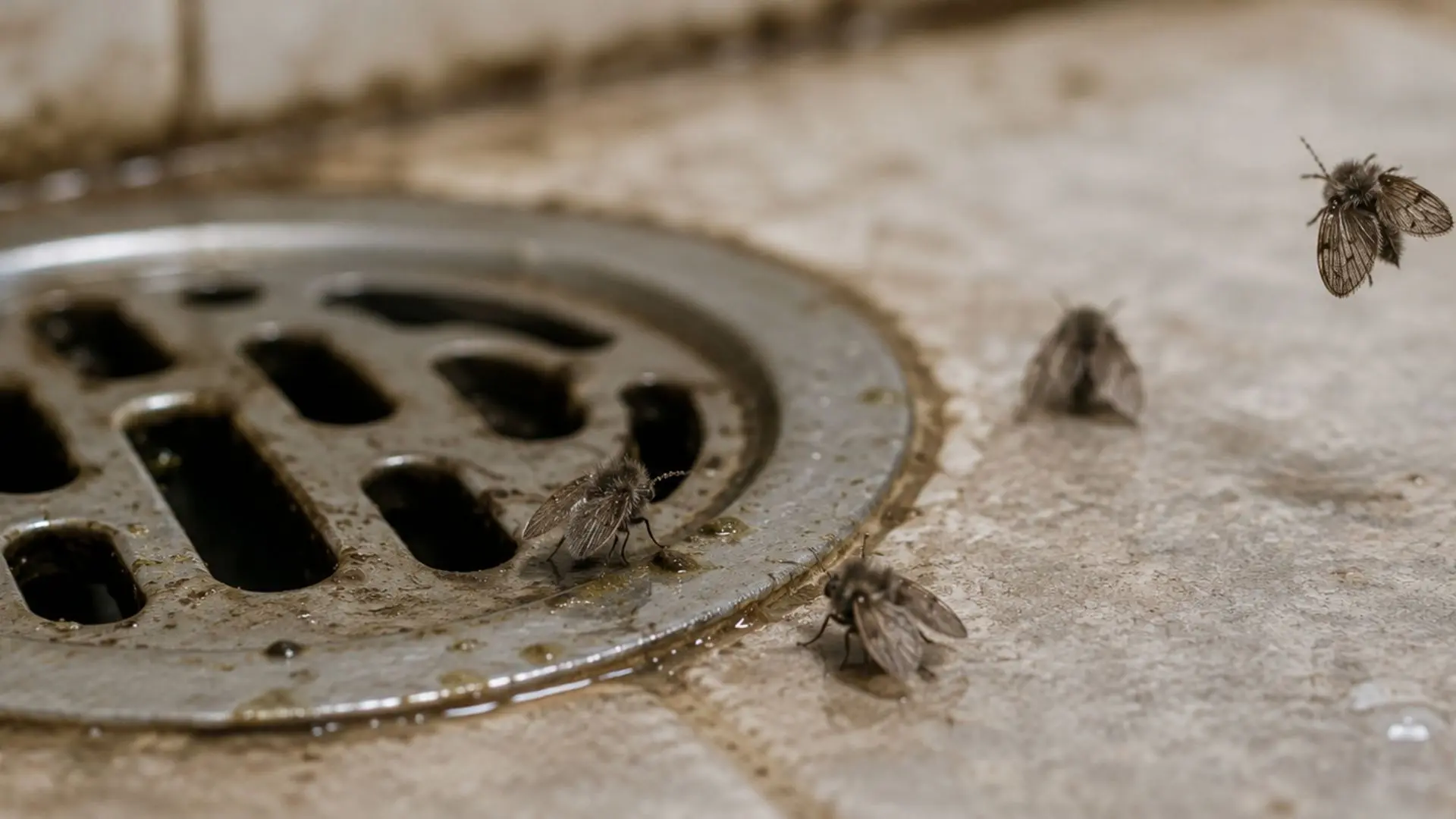
Drain flies are small; however, they indicate a bigger issue of organic accumulation and moisture in your drainage system. If you do nothing to control them, they will multiply and you will keep getting them. When it comes to knowing how to prevent drain flies, it’s less about short-term solutions and more about regular maintenance behaviour that eliminates the main source.
“Did you know? UK environmental health guidelines stress the importance of effective drainage, pointing out that pests flourish in the presence of moisture and untreated areas.”
At Precise Drainage Solutions, we focus on long-term drainage health rather than short-term relief. You can help make your property cleaner and more hygienic by addressing the conditions that attract drain flies.
Key Takeaways
- Clean drains regularly to remove organic buildup that attracts flies
- Fix leaks early to prevent damp-breeding conditions
- Use enzyme cleaners instead of harsh chemicals
- Keep rarely used drains flushed and active
- Professional inspections help detect hidden issues early
Why are drain flies showing up in the first place?
Drain flies like moist, organic-rich areas such as sinks, showers and floor drains. The thin layer of biofilm in the pipes is a perfect breeding ground. If this build-up is ignored, larvae can grow undisturbed.
If you’re asking yourself how to prevent drain flies, the answer is to break their lifecycle. The key is cutting off food sources, limiting moisture, and maintaining uniform flow through your drainage system.
Habit 1: Keep your drains physically clean
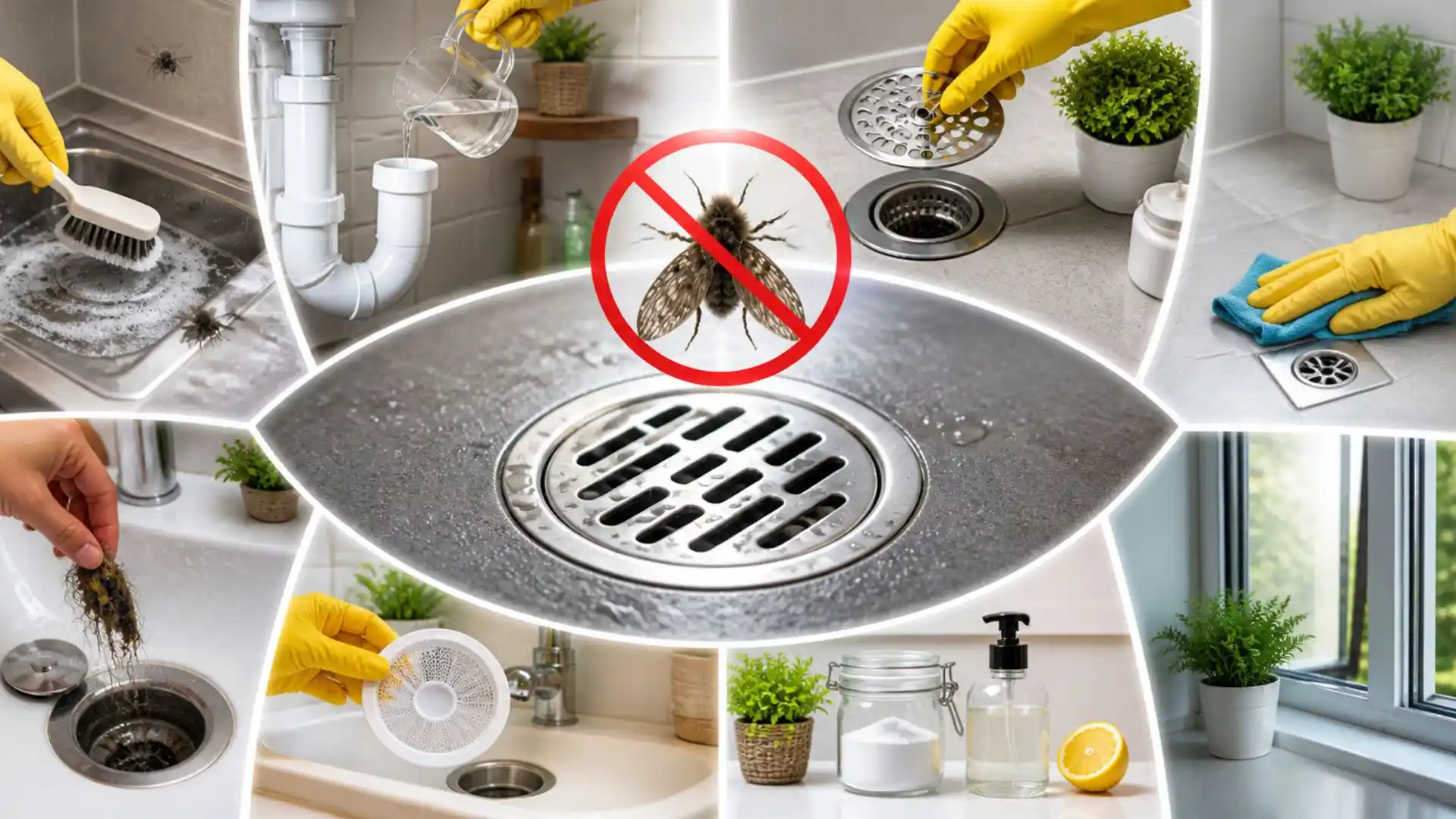
The first and best step is regular cleaning. If the pipes are accessible, cleaning them physically will remove the organic films where drain flies live. Don’t rely solely on water to flush them, as breaking the cycle of the flies entirely requires manual cleaning.
Focus on:
- Sink overflows
- Shower drains
- Kitchen waste pipes
Protect Your Drains from Costly Build-Ups – Call Now for Expert Help!
Habit 2: Use enzyme-based cleaners, not harsh chemicals
Organic residues are usually stubborn and don’t get removed completely; chemical cleaners may appear to work at first. Enzymatic cleaners, however, give more sustainable results, as they are actually designed to decompose biological materials.
This approach is among the most effective drain fly prevention tips, as it directly goes after the material that larvae consume without harming your pipes.
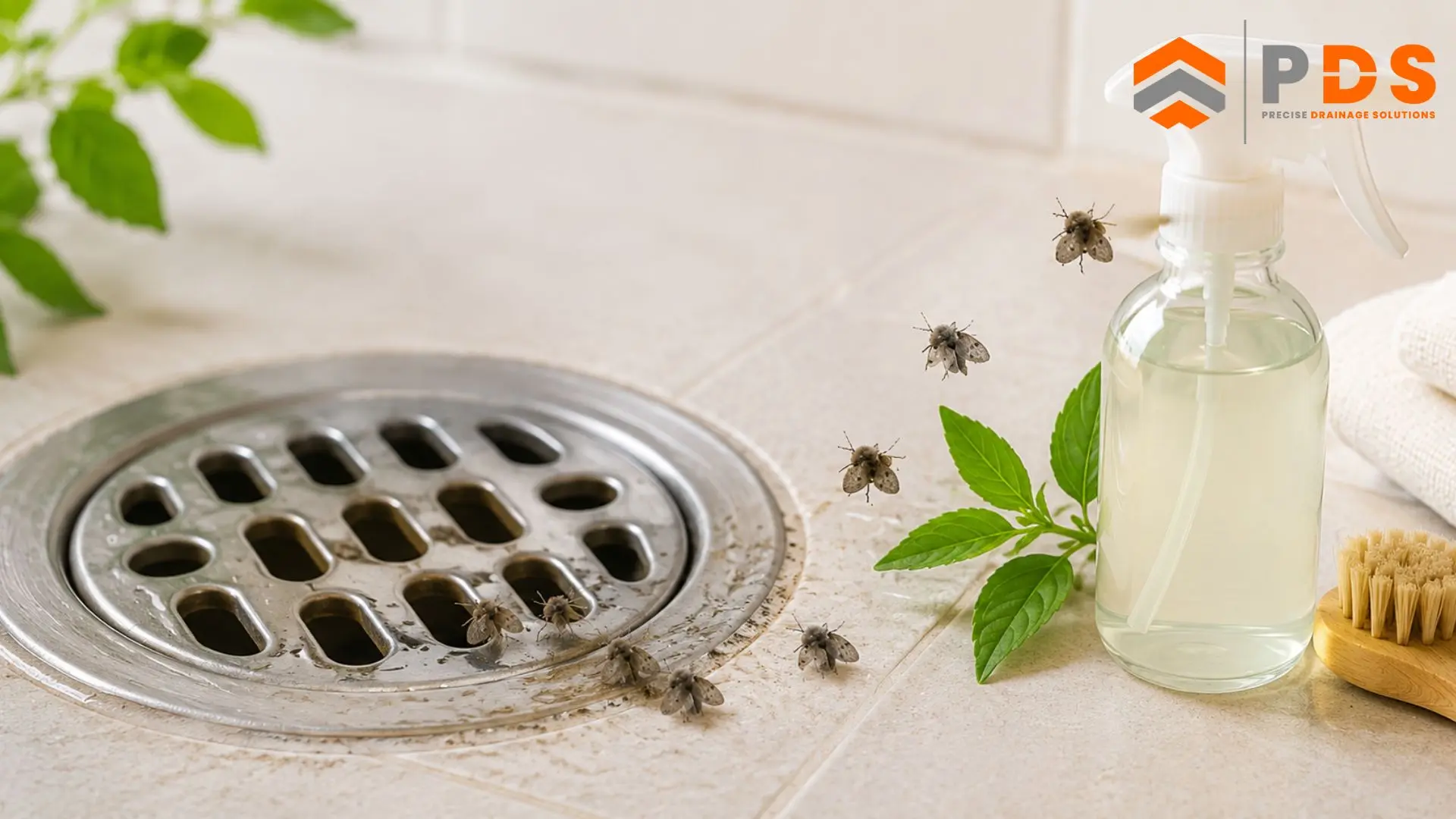
Habit 3: Fix leaks and reduce moisture
Even a slow leak under a sink can provide the damp conditions drain flies need. Moisture is as important as organic material for their survival. To stop drain flies coming back, it is essential to remove excess moisture.
Check for:
- Leaking pipes
- Loose joints
- Water collecting under fixtures
Habit 4: Keep unused drains active
Empty drains are a common source of infestation that is often overlooked. Water traps can dry out and allow flies to breed. The movement of the water prevents it from stagnating and attracting pests.
To lower the risk:
- Run water weekly in unused sinks or drains
- Pour a small amount of mineral oil to slow evaporation
- Seal floor drains correctly
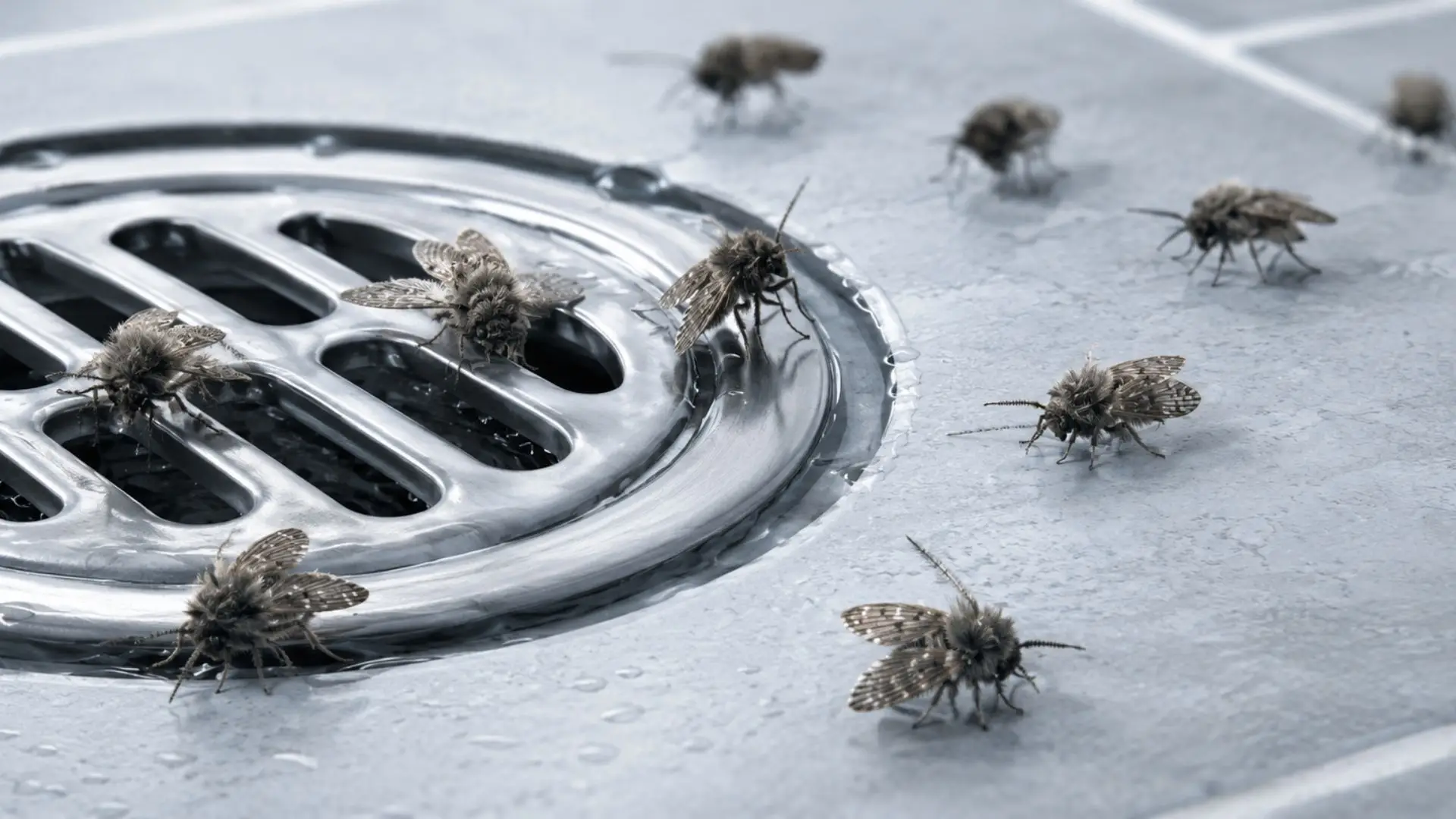
Habit 5: Dispose of organic waste properly
Kitchen drains can be a particular problem for food particles. Even tiny amounts left behind can accumulate over time. These simple habits help support effective drain fly prevention, minus complicated solutions.
Best practices include:
- Do not pour grease or oil down the sink
- Use drain strainers to trap the debris
- Use hot water to flush drains after heavy use
Keep Your Kitchen Drains Clear and Hygienic – Contact Our Experts Now!
Habit 6: Maintain external drainage systems
Drain flies can be found not only in indoor pipes. Breeding grounds can also be found in blocked outdoor drains and in gullies. This keeps outside systems clear and decreases the likelihood of flies entering your home from external sources.
Regularly check:
- Garden drains
- Gutters and downpipes
- External waste outlets

Habit 7: Schedule professional inspections when needed
Some of the drainage problems are not apparent at the surface level. Hidden blockages, pipe damage or structural faults can create the perfect conditions for infestations to develop unnoticed. A proactive approach means long-term control, not recurring problems.
Professional inspections assist with:
- Identify buildup deep within the system
- Detect leaks or cracks
- Provides specialised cleaning solutions
What is it that makes prevention better than cure?
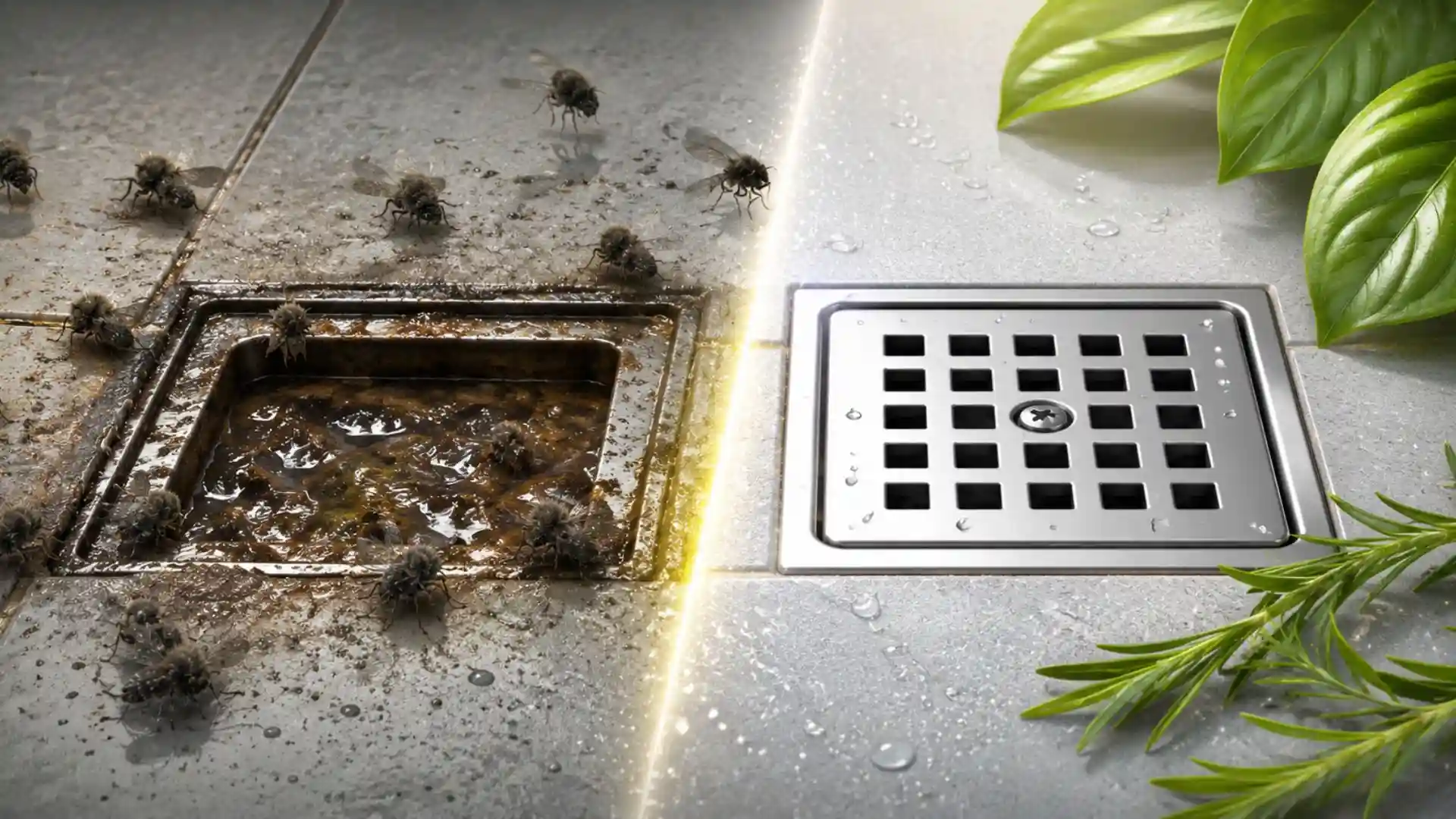
Treatment is usually only a temporary solution if drain flies are already a problem. But prevention removes the very conditions on which they depend and therefore is a much more dependable long-run solution. So it is better to know how to prevent drain flies than to react to the solutions.
A consistent maintenance routine:
- Reduces the need for repeated treatments
- Improves overall drainage efficiency
- Minimises hygiene risks
Take Control Today with Precise Drainage Solutions
The drain flies that remain are rarely a surface problem. They are a sign of drainage conditions below that call for the attention of an expert. At Precise Drainage Solutions, we pride ourselves on correctly diagnosing the problem, providing a maintenance schedule and long-term solutions specific to your property.
If you’re experiencing repeated infestations that are disrupting your home or business, now is the time to act. Professional assistance can help you eliminate the root cause, restore hygiene, and ensure that your drainage system operates efficiently.
Team up with Precise Drainage Solutions for dependable, long-term solutions instead of short-term repairs.
Contact us today to schedule a professional drainage inspection and keep your property protected from recurring drain fly infestations.
Frequently Asked Questions
1. What causes drain flies in clean homes?
Organic buildup can fill the inside of pipes even in clean homes. Drain flies love hidden moisture and residue.
2. How long does it take to get rid of drain flies?
Proper cleaning and maintenance usually bring infestations down within one to two weeks, depending on the severity and the underlying drainage conditions.
3. Are chemical cleaners effective against drain flies?
They kill larvae for a time but often do not remove the organic material, so flies come back quickly.
4. Can drain flies spread bacteria?
Yes, they can transfer bacteria from drains to surfaces, so they are a hygiene concern, particularly in kitchens and bathrooms.
5. When should I call a professional drainage service?
If the flies do not go away after frequent cleaning, a more serious problem exists which requires a professional inspection and specific treatment.