Drainage issues typically manifest gradually. Often, visible symptoms deteriorate over time before the system fails. Property owners can take action before problems get too big if they know what to look for early on. When warning signs get worse, quick emergency drain repair may help keep the structure from being damaged, lower the risk of contamination, or keep the service from being interrupted for a long time.
Objective:
Help property owners spot urgent drainage warning signs early and know when they need to call in a professional to stop things from getting worse and damaging their property.
“Did you know, According to UK water industry reporting, sewer blockages linked to fats, oils and non-flushable materials contribute to hundreds of thousands of drainage incidents annually?”
When drainage performance drops, Precise Drainage Solutions helps people make smart choices by providing structured assessments and targeted corrective actions based on what they see, not what they think.
To keep property infrastructure safe and drainage systems working properly, it’s important to know when a problem goes from being a minor annoyance to an urgent one.
Key Takeaways
- Early warning signs often appear before serious drainage failure.
- If you have symptoms that keep coming back, it usually means that the underlying problem hasn’t been fixed.
- It is important to address external flooding and internal backflow promptly.
- Structured inspection provides a clearer diagnosis than repeated clearing.
- Timely professional assessment helps drainage systems work better and more safely.
When Does A Drain Issue Become Urgent?
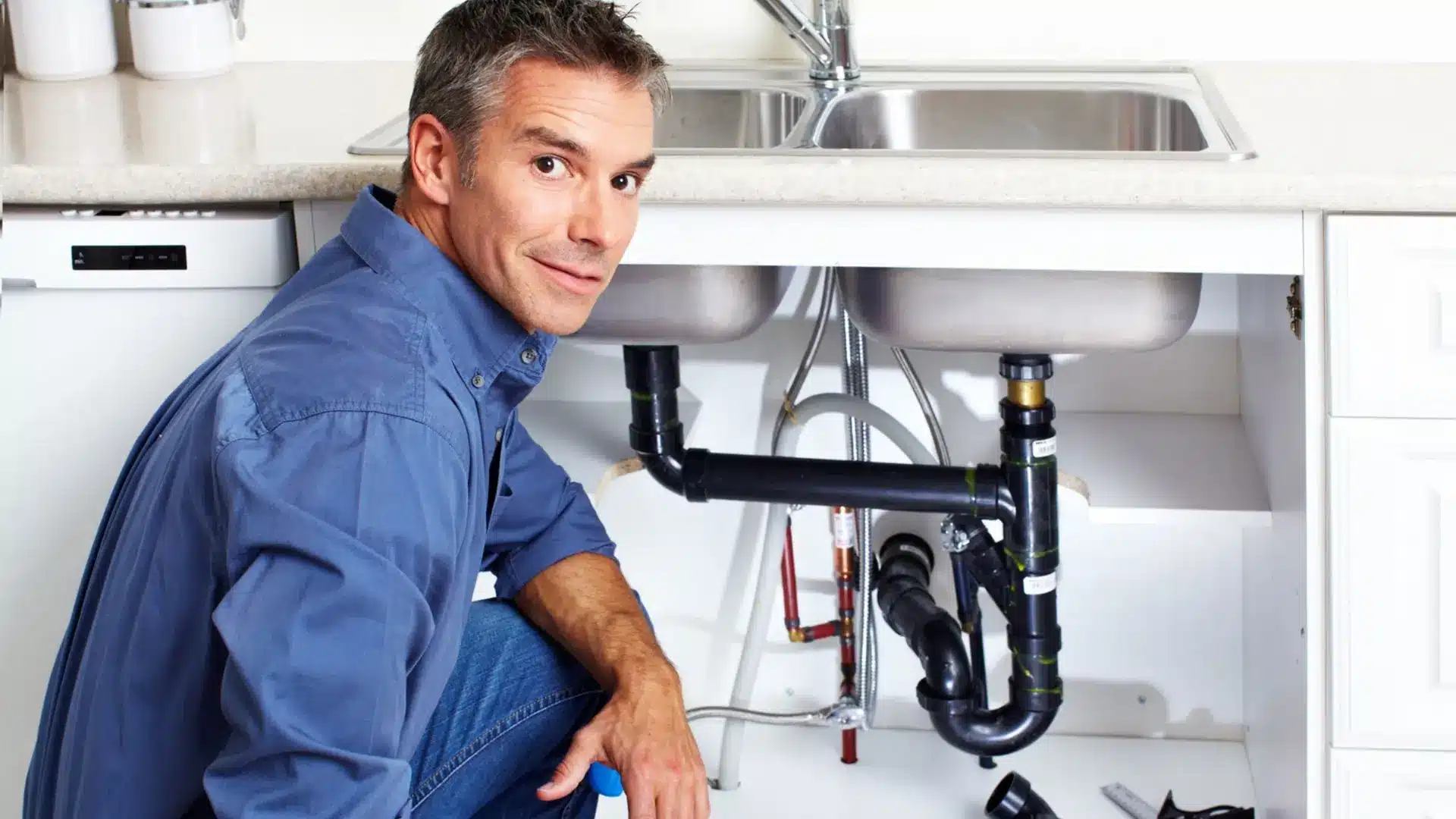
Not all problems with drainage need to be fixed right away. But some signs point to a routine drain blockage that has become a more serious system problem.
Typical progression pattern:
Stage | Condition | Risk Level |
Early restriction | Slower drainage | Low |
Recurring obstruction | Repeated symptoms | Moderate |
System failure | Backflow or flooding | High |
When drainage failure reaches the final stage, putting off action can make things worse and make it harder to fix.
1. Wastewater Backing Up Inside The Property
One of the clearest signs that a system has failed is internal backflow. When wastewater comes back through sinks, toilets, or floor drains, it blocks the normal flow downstream.
Potential implications include:
- Hygiene concerns
- Property damage risk
- Increased pressure within pipework
At this stage, intervention from a professional plumber for blocked drains may be appropriate to assess the cause and stabilise the system safely.
2. Persistent External Flooding Or Overflowing Drains
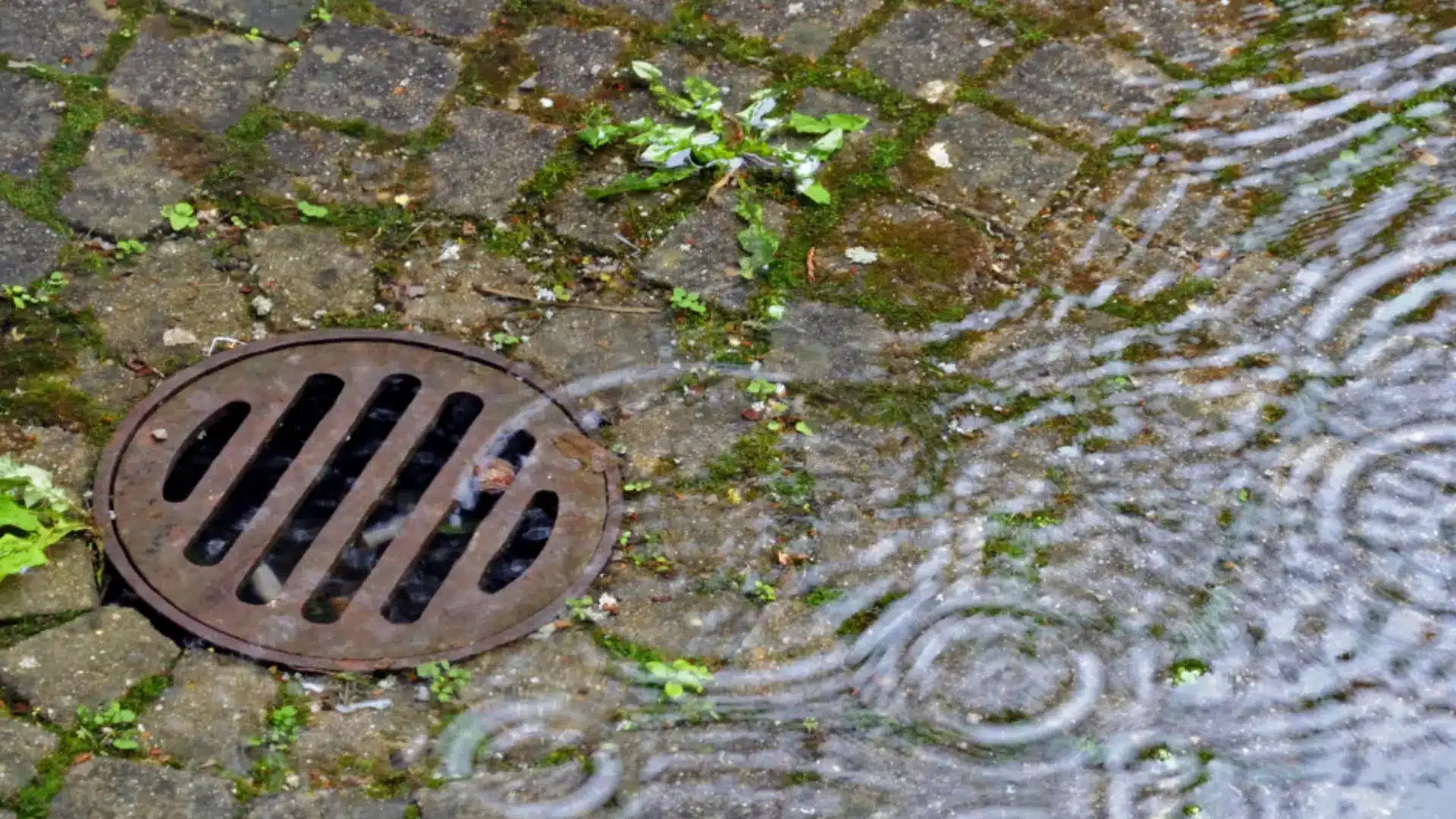
Collecting water around inspection chambers, gullies, or outside outlets indicates a limited flow beyond the building’s pipes. If outside drainage can’t work properly, pressure can build up in the system.
This condition may be associated with:
- Structural restriction
- Obstruction within shared pipe sections
- Environmental accumulation affecting flow capacity
Persistent exterior flooding typically signals a situation requiring urgent drain repair rather than repeated surface-level clearing.
If flooding happens on the outside of a building repeatedly, it usually requires urgent drain repair instead of just clearing the surface.
3. Multiple Plumbing Fixtures Failing Simultaneously
If your sink, toilet, and shower all stop working, the issue is likely not with just one. When there are problems with the whole system, it usually means that there is a bigger blockage affecting the pipes that everyone uses.
Common indicators:
- Simultaneous slow drainage
- Gurgling sounds across fixtures
- Intermittent backflow events
These kinds of patterns could be a sign of bigger home plumbing problems that need a structured inspection instead of fixing each fixture on its own.
4. Strong Sewage Odours That Do Not Dissipate
Temporary odours may occasionally appear. However, persistent smells typically indicate trapped waste or compromised drainage flow.
Potential causes include:
- Incomplete waste movement
- Obstruction preventing normal ventilation
- Material accumulation within pipework
If odours persist after basic clearing attempts, targeted blocked drain emergency solutions may help identify underlying conditions contributing to recurrence.
5. Repeated Failures Despite Previous Clearing Attempts
When drainage issues return quickly after intervention, underlying conditions may remain unresolved. Temporary relief does not always address structural or environmental factors.
If plumbing problems keep happening, it may be worth looking into emergency plumbing repair services that focus on finding the root cause instead of just the symptoms.
Comparison of response approaches:
Approach | Focus | Outcome |
Surface clearing | Removes visible obstruction | Temporary improvement |
Structured evaluation | Identifies underlying cause | More reliable resolution |
Why Early Response Matters
If you wait too long to act, small problems can turn into full system failure. Some drainage problems stay the same, but unfixed problems worsen over time.
Possible ways for things to get worse:
- Less flow capacity
- Pressure building up in the pipes
- System instability that gets worse over time
Being aware of and evaluating problems before they happen can help systems work more reliably and lower the risk of recurring drainage problems.
Practical Monitoring And Blocked Drain Prevention Tips
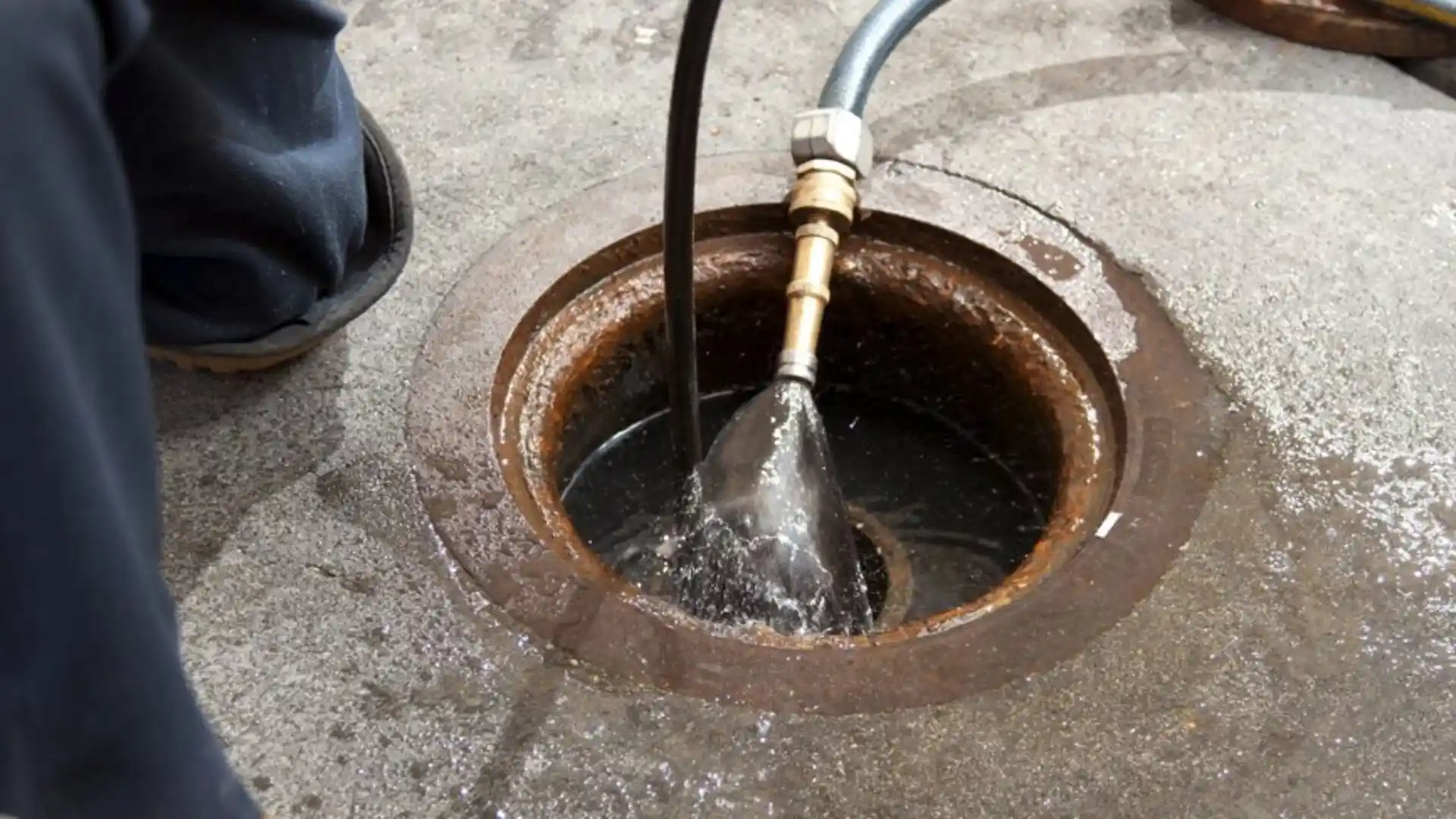
Not all drainage failures can be stopped, but keeping an eye on them can lower the chance of them happening again.
Practical steps could be:
- Avoid disposing of grease or unsuitable materials
- Monitor early warning signs such as slow drainage
- Arrange inspection if symptoms repeat
- Observe changes following heavy usage
Prevention works best when it is used with evidence-based assessment instead of just waiting for something to happen.
When Structured Assessment Becomes Necessary
Professional evaluation typically involves:
- Looking over the history of symptoms and how often they come back
- Checking out drainage points that are easy to get to
- Finding the most likely location of the blockage
- Suggesting what to do based on what was found
- Giving advice on how to avoid problems when it’s needed
This structured process helps people make smart choices when they aren’t sure how well the system is working.
Why Timely Emergency Drain Repair Protects Long-Term Drainage Performance
Fixing drainage problems quickly may help keep the system working and stop it from getting worse. Not every problem needs to be fixed right away, but knowing when things are getting worse can help you fix them in a more controlled way.
Professional evaluation centres on:
- Finding the root causes
- Using specific corrective methods
- Helping drainage work reliably over time
Precise Drainage Solutions makes careful evaluations and gives useful advice based on what they see in the system, not what they think.
For Clear And Dependable Drainage, Choose Precise Drainage Solutions
Knowing when a drainage problem needs attention can prevent it from worsening and make outcomes more predictable. When warning signs indicate a potential system failure, a structured evaluation provides clear guidance.
At Precise Drainage Solutions, we use evidence-based assessments and targeted corrective actions to ensure your drainage system works safely and reliably.
Contact us today to arrange your drainage solution.
Frequently Asked Questions
1. What indicates a drainage issue is urgent?
Internal backflow, ongoing flooding from outside, and simultaneous fixture failure are all signs that the problem has gotten worse and may need to be looked at by a professional right away.
2. Can recurring blockages resolve without professional help?
Repeated failures are often a sign of problems that are not obvious. Temporary clearing may help with symptoms, but it usually doesn’t fix the underlying problems that are hurting drainage performance.
3. Are odours always linked to severe drainage problems?
Not always, but strong sewage smells often mean that the flow is blocked or waste is stuck somewhere, which may need a more thorough inspection.
4. How quickly should drainage issues be assessed?
When symptoms worsen, occur frequently, or affect multiple fixtures, an assessment is best.
5. Can preventative maintenance reduce emergency risks?
Yes. Monitoring early warning signs and timely scheduling inspections can potentially reduce the likelihood of an unexpected system failure.