A blocked toilet is one of the most annoying problems in the house because it can mess up daily life and needs to be fixed right away. Understanding the most common blocked toilet can help homeowners take early action and reduce the risk of recurring problems.
“Did you know? that, according to Water UK, flushing items such as wipes, sanitary products, and excessive paper down the toilet can cause many sewer blockages in homes? These things don’t break down easily in the system.”
This shows how things we do every day can cause blockages over time. Precise Drainage Solutions usually uses a careful, inspection-led approach to find underlying problems and help fix them without causing too much trouble.
Key Takeaways
- Most toilet blockages are caused by everyday habits.
- Early signs should not be ignored.
- DIY methods might only help for a short time.
- Recurring issues are often signs of bigger problems.
- Professional assessment supports long-term solutions.
What Are the Most Common Reasons Why Toilets Get Blocked?
Understanding the causes of blocked toilet problems is the first step towards prevention.
Some common causes are:
- Excessive toilet paper usage
- Flushing non-flushable items
- Over time, trash builds up
- Poor drainage flow
Over time, these things can make it harder for water to move, which can cause a blockage.
Can Everyday Habits Lead to Toilet Blockages?
In many cases, how people use things every day is very important.
Common habits that contribute:
- Flushing wipes labelled “flushable”
- Disposing of hygiene products in toilets
- Pouring unsuitable materials into drains
These actions can cause a slow build-up, which makes it more likely that a toilet keeps blocking over time.
Can A Blocked Toilet Cause A Leak or Further Damage?
A common concern is, “Can a blocked toilet cause a leak?” and if it can cause bigger problems,
In some cases, pressure caused by a blockage may lead to water escaping from joints or seals. While not always immediate, prolonged blockage can contribute to:
- Water overflow
- Stress on pipe connections
- Localised damage to surrounding areas
This case shows how important it is to deal with problems early on before they get worse.
Recognising Recurring Toilet Blockages Early
If your toilet keeps getting clogged, it could be a sign of bigger problems in the system.
Signs of recurring toilet blockages include:
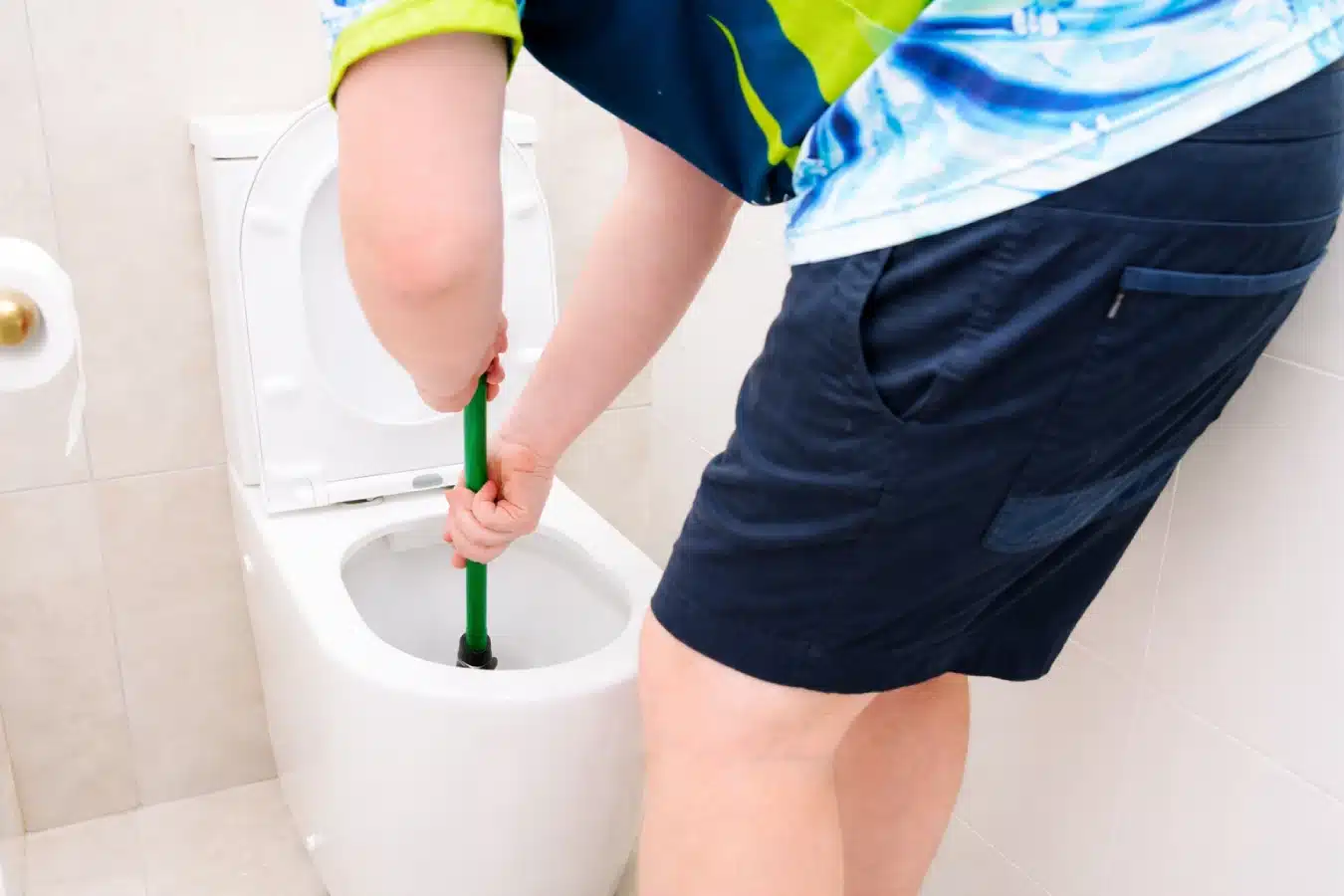
- Need to plunge often
- Slow flushing speed
- Sounds of gurgling in nearby drains
- Multiple fixtures affected
These signs could mean that there is a bigger problem than just things in the way.
What Causes Deep Toilet Blockage Problems?
A deep toilet blockage typically occurs further within the drainage system rather than near the toilet itself.
Some possible reasons are:
- Accumulation in the connecting pipes
- Problems with the structure of drains
- Things outside that block flow
Professional intervention may be necessary to address these types of blockages, as simple home remedies are less likely to resolve them.
Exploring Basic Blocked Toilet Solutions
There are several blocked toilet solutions that may help in minor cases.
Initial steps that homeowners may try:
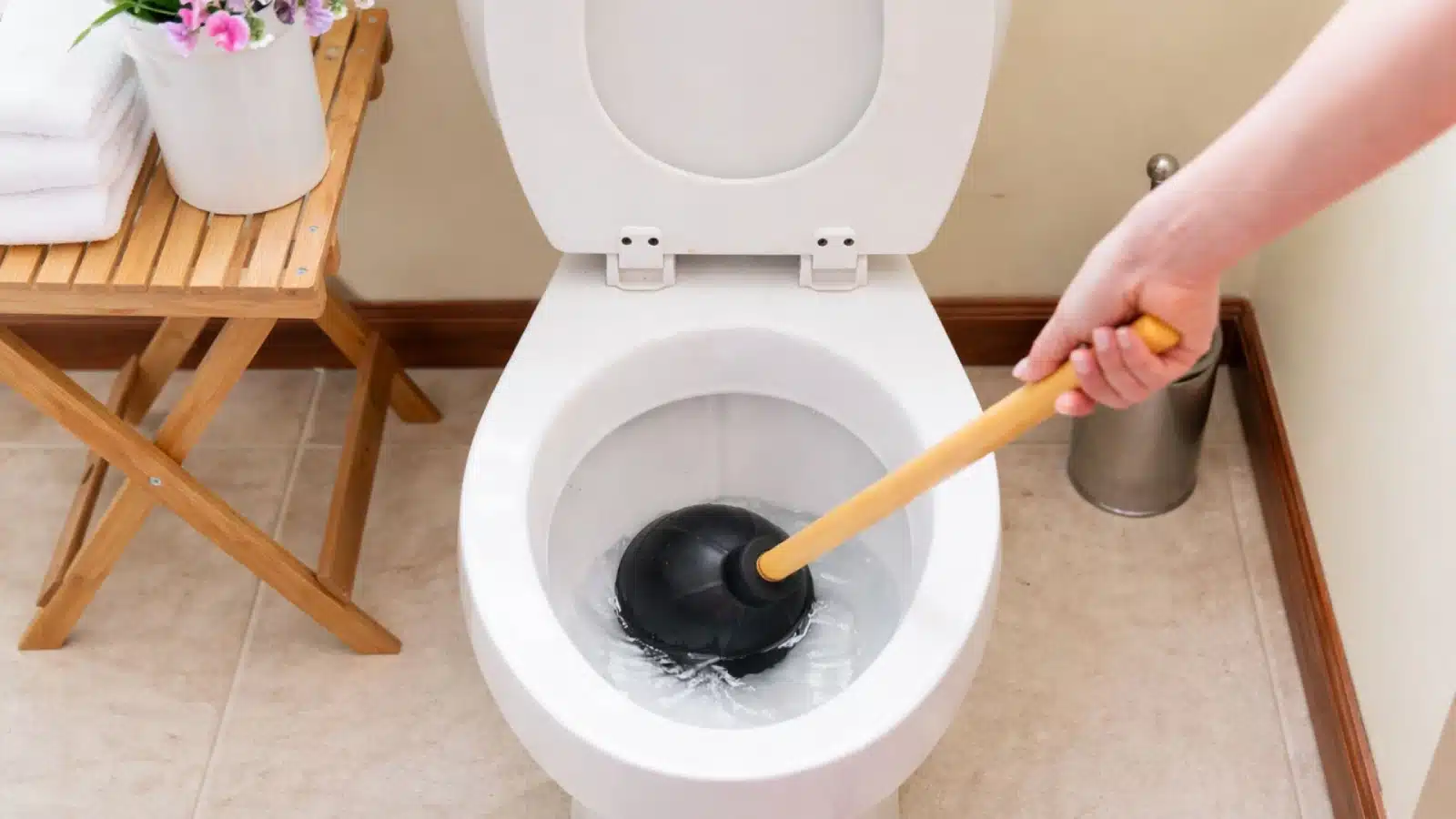
- Using a plunger carefully
- Applying warm water to loosen build-up
- Removing visible obstructions
These methods may help for a short time, but they don’t always resolve the problem at its source.
When Should You Consider Emergency Blocked-Toilet Help?
Certain situations may require emergency blocked toilet help, particularly when:
- Water begins to overflow
- Multiple drainage points are affected
- There is a strong odour
- The blockage persists despite attempts to clear it
Quick action can help keep things from getting worse and stop more problems from happening.
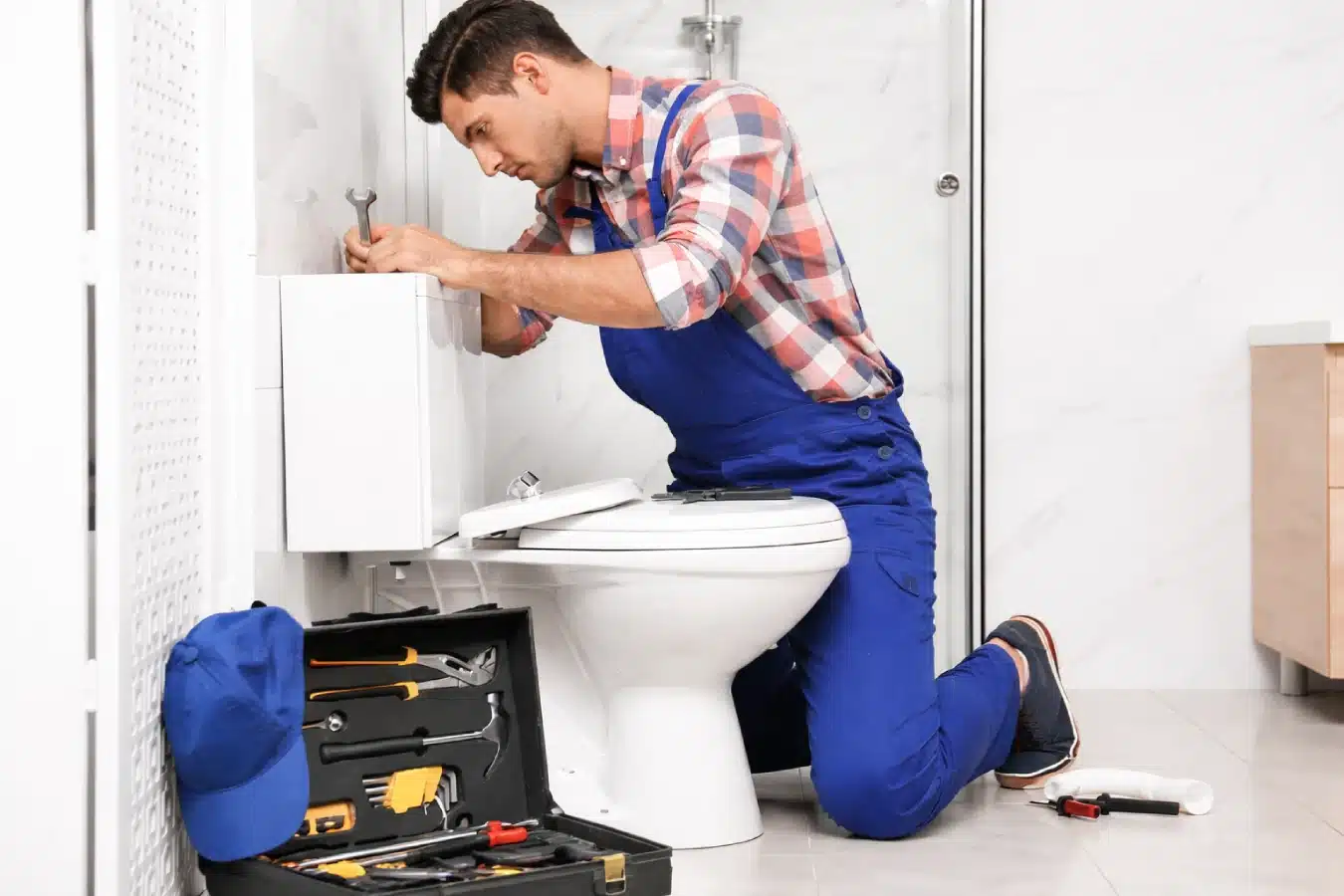
How A Blocked Toilet Plumber Supports Effective Resolution
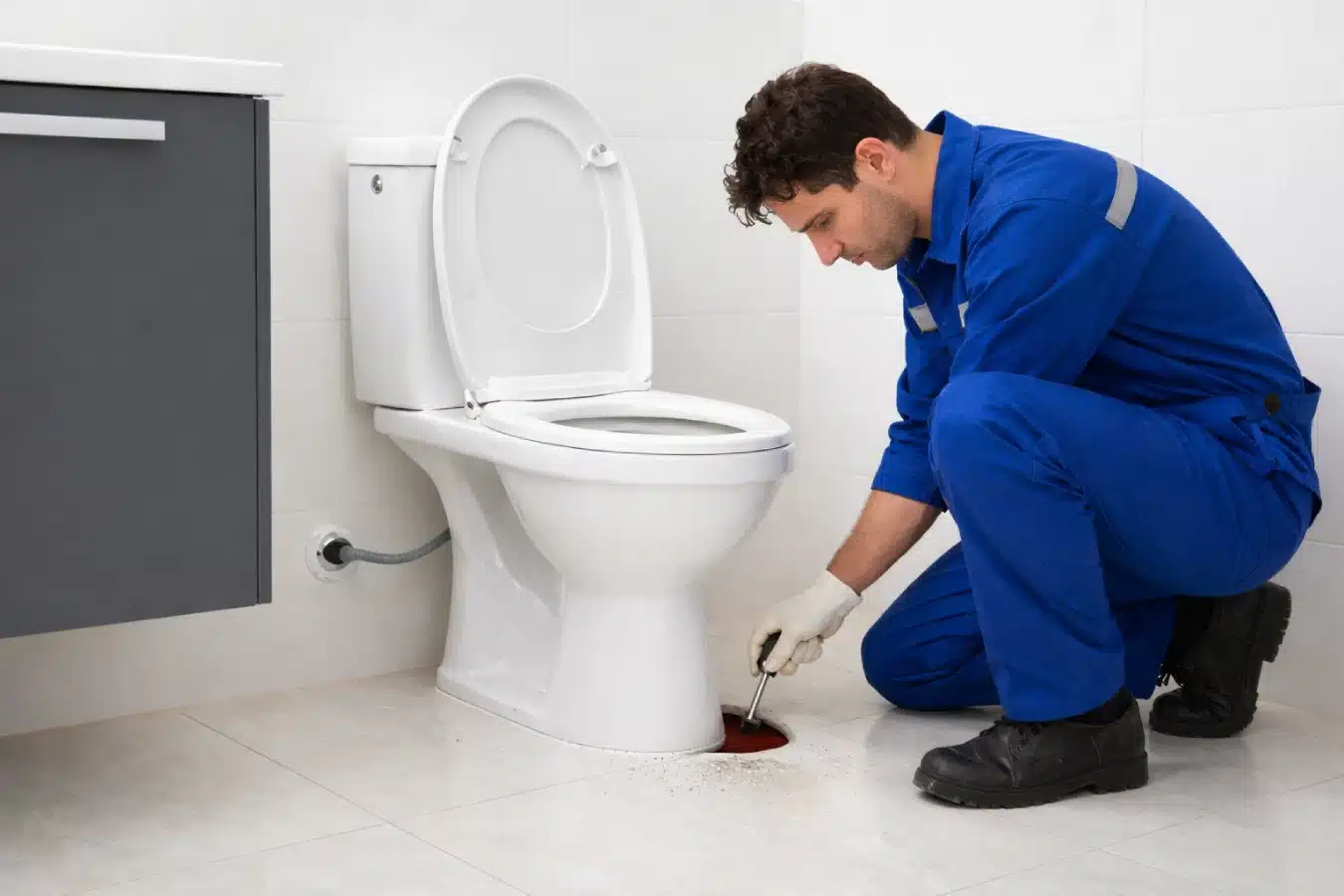
A blocked-toilet plumber usually uses special tools and inspection methods to find and fix problems more accurately.
A professional approach might include:
- Finding out where the blockage is exactly
- Checking the state of the pipes
- Using the right tools to clear
- If necessary, suggesting what to do next
This structured process makes sure that the problem is dealt with more completely.
Analysing DIY Vs Professional Unblocking
DIY methods | Professional unblocking |
Focus on visible obstructions | Identifies root causes |
Provide temporary relief | Uses specialised tools |
Limited ability to diagnose deeper issues | Supports more reliable long-term outcomes |
When dealing with problems that won’t go away or aren’t clear, a professional approach is often better.
Restore Confidence in Your Drainage System with Expert Support
To keep a reliable drainage system and lower the chances of having the same problem again, it’s important to know blocked toilet causes. Simple fixes might help with small problems, but they might not always address the bigger ones. A more organised, inspection-based method can make things clearer and lead to better, longer-lasting solutions.
Homeowners can reduce problems and keep their drains working properly by finding the root causes early and taking steps to stop them. Precise Drainage Solutions helps property owners deal with drainage problems quickly and with as little disruption as possible by focusing on careful assessment and practical advice.
Contact us right away to get your drainage consultation!
Frequently Asked Questions
1. What are the main causes of blocked toilet issues?
Common causes include excessive paper, non-flushable items, and gradual build-up within pipes.
2. Can a blocked toilet cause a leak?
In some cases, pressure from a blockage can lead to leaks or overflow if left unresolved.
3. Why does my toilet keep blocking repeatedly?
Recurring blockages may indicate deeper issues within the drainage system or pipework.
4. When should I call a blocked-toilet plumber?
If the blockage persists, recurs, or causes overflow, professional assistance is generally recommended.
5. Are blocked toilet solutions effective for all problems?
Basic methods may help minor issues, but deeper blockages often require professional tools and inspection.