
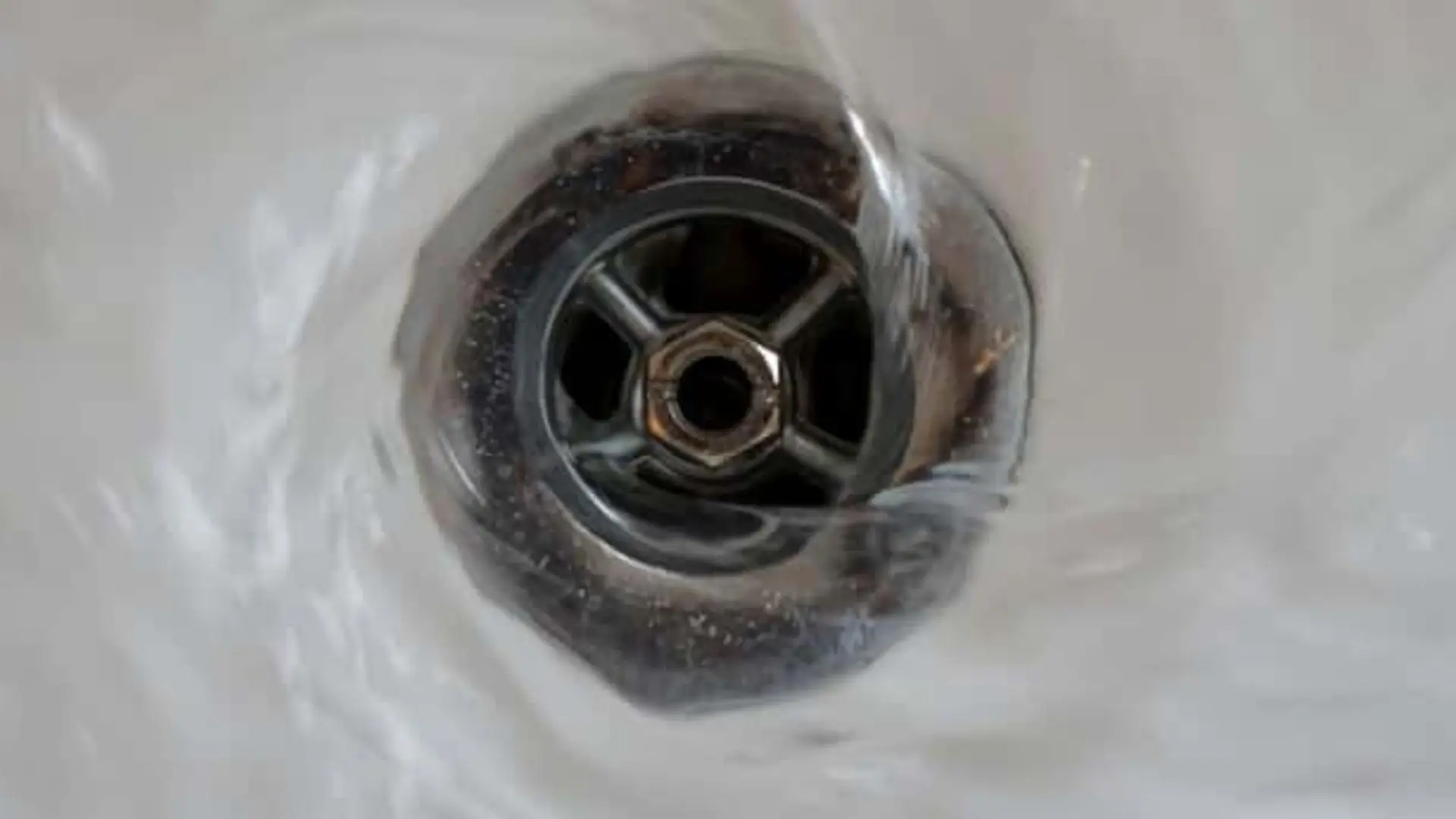
A blocked sink is often one of the earliest signs that debris or residue is starting to build up inside your pipes. Even if the water appears clear, slower drainage usually indicates that a partial blockage is forming within the system. Addressing the issue early can help prevent the obstruction from worsening and reduce the risk of more serious drainage problems developing later.
Objective:
Help property owners spot early signs of drainage problems and take steps to fix them before they become major blockages.
“Did you know, According to Water UK, sewer blockages across the UK are frequently caused by fats, oils, grease, and unflushable items entering drainage systems, many of which originate from household sinks?”
This shows why it helps to address small washbasin drainage problems early. Precise Drainage Solutions helps property owners with inspection-based drainage services that focus on identifying causes rather than guessing.
Key Takeaways
- A slow-draining sink often signals early pipe restriction.
- If you don’t deal with small problems, they could get worse.
- Clearing the surface may only help for a short time.
- An early professional evaluation can help figure out the root causes.
- Preventive maintenance makes sure that drainage works well for a long time.
Why Is My Sink Draining Slowly In The First Place?
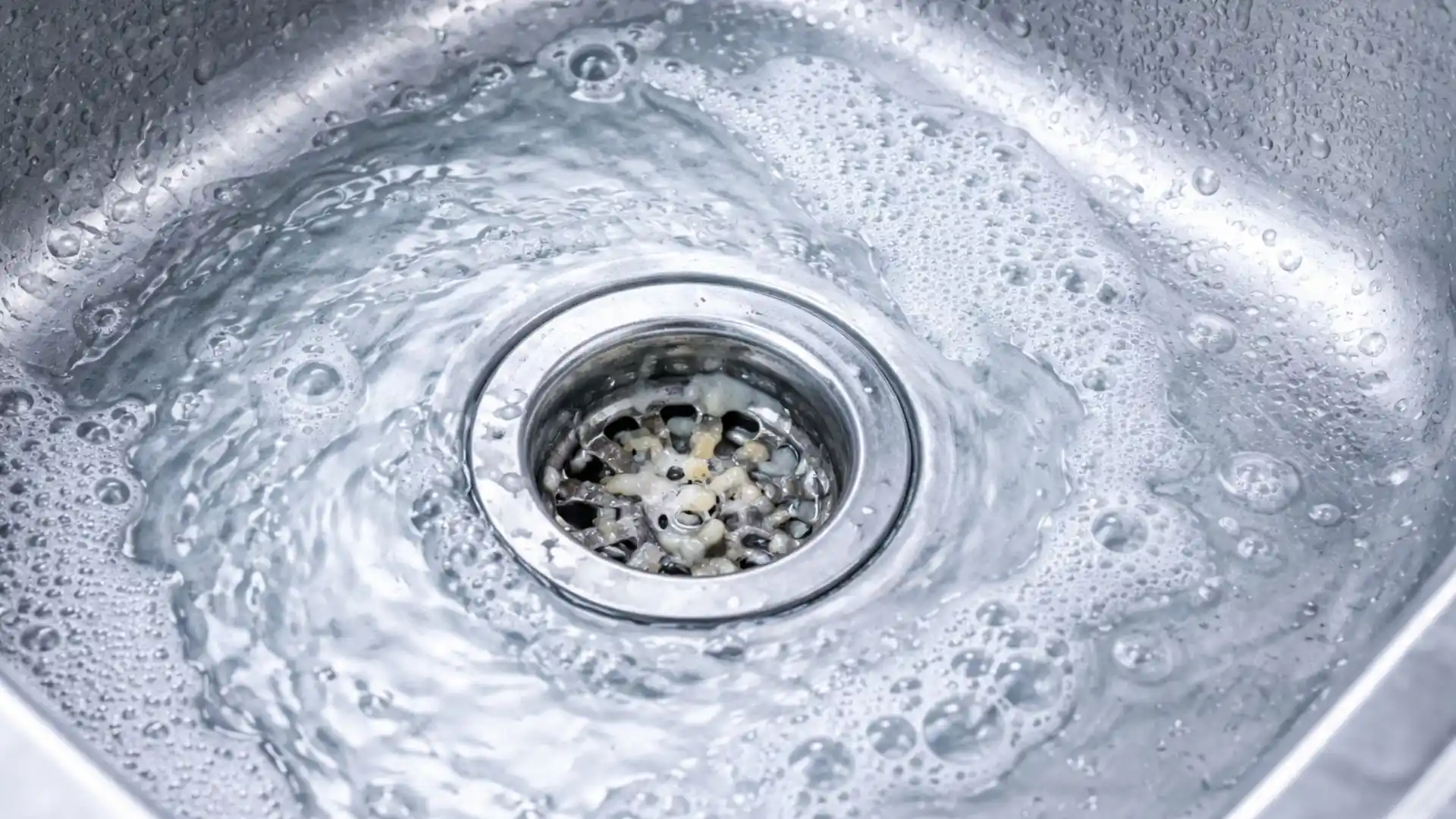
Many property owners ask, ‘why is my sink draining slowly when the water eventually clears? ‘ Most of the time, it’s because of a slow buildup inside the pipe.
Typical causes include:
- Soap residue and grease build-up
- Hair accumulation in bathroom sinks
- Food debris in kitchen pipework
- Minor misalignment in pipe joints
These things cause what is often called slow sink flow, which means that drainage keeps happening but at a slower rate. Over time, these kinds of problems can turn into bigger ones.
Recognising The Early Blocked Sink Warning Signs
A partial blockage doesn’t usually happen all at once. Instead, it gets worse over time. Identifying a blocked sink warning can help you fix the problem before it gets worse.
Early indicators may include:
- Water pooling briefly before draining
- Gurgling sounds from plugholes
- Unpleasant odours from pipework
- Recurring minor drainage delay
Knowing what these signals mean makes it less likely that you will need to call for help later.
What Are The Most Common Sink Blockages?
Being aware of common sink blockages helps property owners avoid problems.
Area | Frequent Cause | Risk Level |
Kitchen | Grease and food particles | Moderate to High |
Bathroom | Hair and soap residue | Moderate |
Utility sinks | Detergent sediment | Moderate |
These materials build up over time, which is why consistent sink drain maintenance is often better than clearing it when it gets clogged.
How To Unclog A Slow Draining Sink Safely
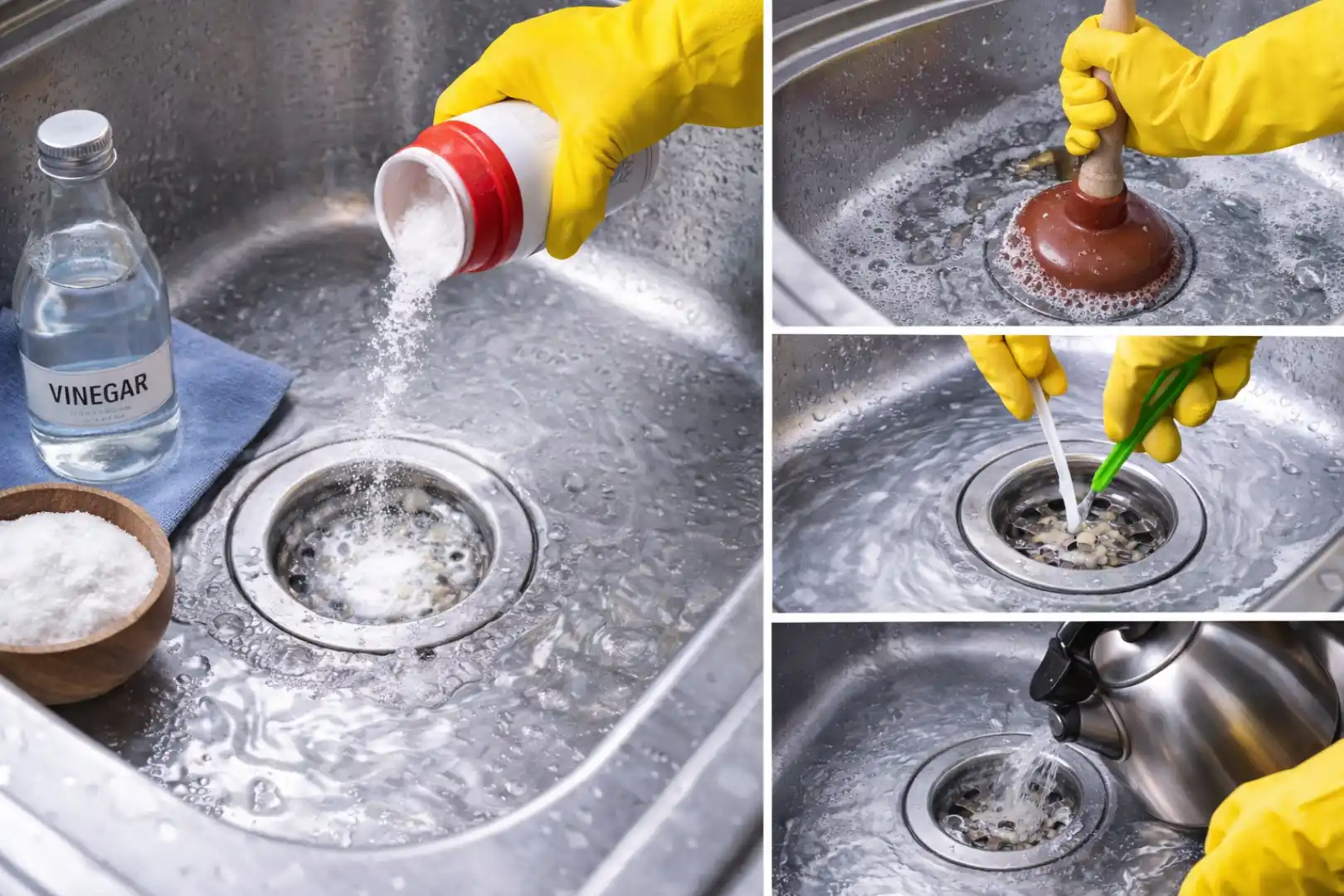
When symptoms are minor, some property owners explore how to unclog a slow draining sink using basic methods. Exercise caution when using these approaches, as they may provide temporary relief.
Some common first steps are:
- Removing visible debris from the plughole
- Flushing with hot (not boiling) water
- Using a plunger for light suction clearing
People sometimes call these “clogged sink solutions“, but they usually only fix problems on the surface. If drainage doesn’t get better or problems come back, it might be a beneficial idea to have a professional look at it.
Best Tools For Unclogging Sinks And When To Use Them
Understanding the best tools for unclogging sinks helps ensure safe handling.
Common tools include:
- Manual plungers
- Drain snakes for light obstructions
- Removable trap cleaning
However, using the wrong tool can sometimes damage pipes. This is why structured evaluation is often a better way to find out how deep or what caused an obstruction.
When Simple Steps Don't Work
If a slow draining sink continues draining slowly even after you try to clear it several times, the problem could be deeper in the system. If problems keep happening, it could mean that the pipes are partially collapsing, there is a lot of scaling inside, or there is a hidden structural restriction.
At this point, a professional evaluation can give you more information than just clearing the area temporarily. Inspection-led services try to find the root causes before suggesting specific actions. At Precise Drainage Solutions, professional assessments focus on identifying underlying drainage issues so the most suitable solution can be recommended rather than only providing a temporary fix.
Comparing Quick Fixes With More Permanent Ones
Property owners often have to choose between clearing their homes themselves and hiring a professional.
Household methods:
- May temporarily improve flow
- Address visible debris only
- Risk recurrence if root cause remains
Professional services:
- Assess internal pipe condition
- Find patterns of repeated blockages
- Based on what you find, offer structured blocked sink solutions.
This method supports more consistent sink blockage prevention instead of having to fix them over and over again.
Why Prevention Is More Cost-Effective Than Repair
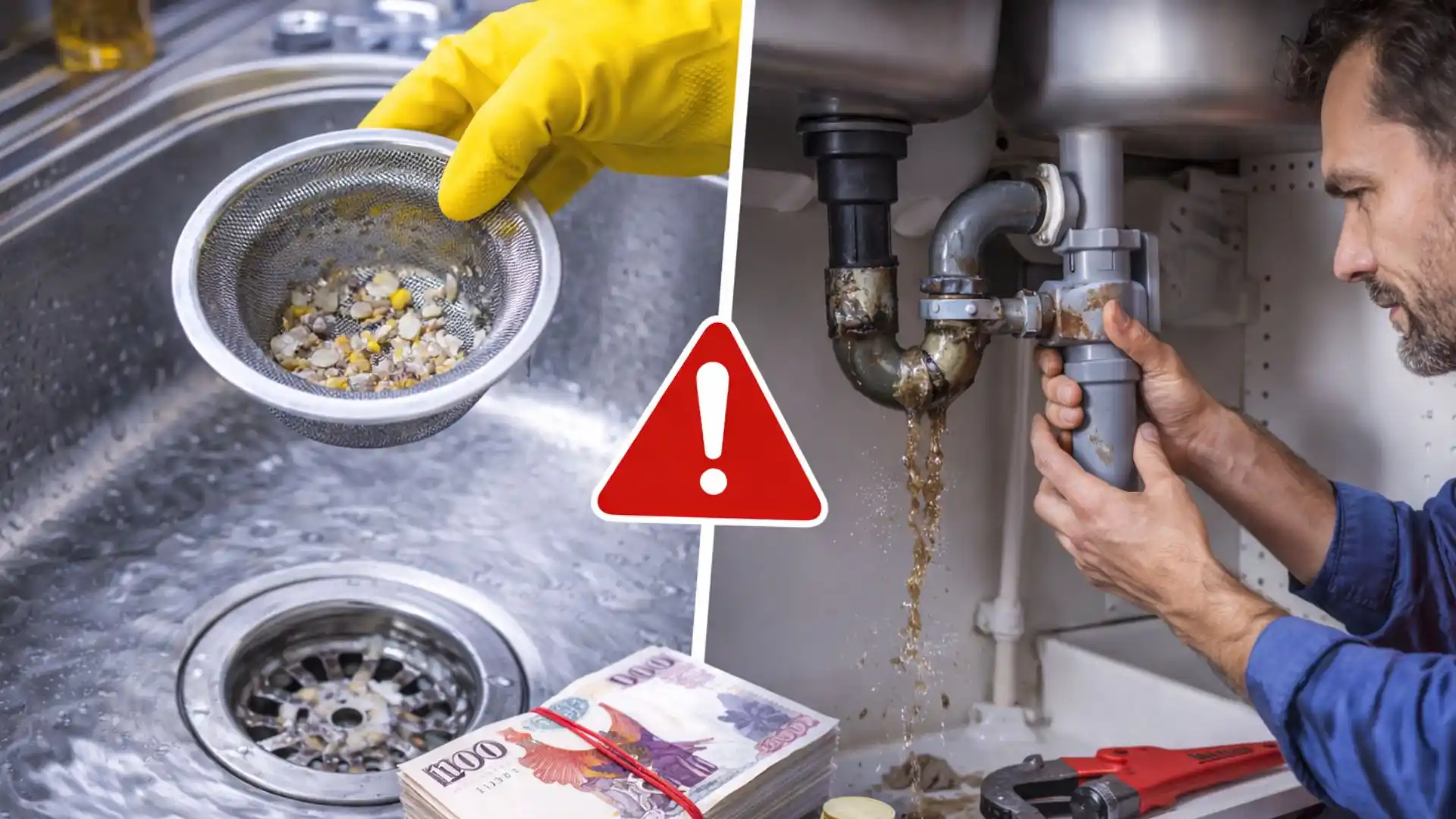
Minor drainage delays may seem straightforward to deal with, but repeated blockages can slowly put stress on pipe joints and connections.
Taking care of things early might help:
- Reduce the likelihood of complete blockage
- Lower the risk of water damage
- Minimise emergency call-outs
- Support predictable maintenance planning
Proactive attention to sink drain maintenance may therefore help manage both disruption risk and repair costs.
Get Help From Precise Drainage Solutions To Protect Your Property
Addressing a slow draining sink early can help keep bigger problems from happening. Precise Drainage Solutions offers inspection-led drainage support that finds the root causes and suggests appropriate solutions. Taking action early often leads to more stable system performance and less uncertainty about future repairs.
Contact us right away to set up your drainage consultation!
Frequently Asked Questions
1. What causes a slow draining sink most often?
Over time, grease, soap residue, or hair can build up slowly inside pipes and block the flow of water, which makes it take longer to drain.
2. Can household methods permanently fix slow drainage?
Basic clearing may help the flow for a short time, but if the symptoms keep coming back, it may mean that there are deeper problems with the pipes.
3. When should I seek professional help?
If the drainage delay comes back after clearing it several times or gets worse over time, a professional inspection may give a more accurate picture.
4. How can I prevent sink blockages?
Don’t throw away grease, food scraps, or too much trash in sinks, and think about checking them every so often.
5. Are chemical drain cleaners recommended?
Using chemicals too often could damage pipes. Before using something again, it’s usually best to be careful and get professional advice.




