
It can be hard to figure out what’s wrong with drainage problems that happen out of sight because they often happen without any obvious reason. A blocked drain CCTV survey lets drainage experts see the inside of pipes directly, which helps them find structural problems, debris buildup, or flow restrictions without having to dig them up. This method helps people make decisions based on facts instead of guesswork. Based on what they see, Precise Drainage Solutions uses inspection results to give clear explanations and useful next steps.
Objective
To explain the functioning of internal drain inspections, their potential applications, and the role of structured evaluation in facilitating informed drainage decisions.
Did you know, According to the Environment Agency, poorly maintained drainage infrastructure can increase flood risk when blockages prevent water from flowing freely through systems?
This shows why it can be helpful to check the internal drainage before small problems turn into big ones that affect the property.
Key Takeaways
- Internal inspection is a reliable way to find drainage problems.
- Visual assessment reduces uncertainty about pipe conditions.
- Investigating recurring problems is often better than clearing them up repeatedly.
- Evidence-based recommendations support better decisions.
- Professional evaluation helps maintain reliable drainage performance.
What Is A CCTV Drainage Survey?
A CCTV drain survey is a planned way to look at the inside of drainage pipes using special tools. Professionals don’t just look at the outside of pipes to figure out what’s wrong; they also use a drain inspection camera to see what’s going on inside.
This approach helps identify:
- Structural defects
- Obstructions affecting flow
- Early-stage deterioration
- Misalignments or damage
The inspection is visual, so recommendations are based on the system’s actual state.
Related Blog: What is a CCTV Drain Survey, and How Can It Save You Money?
How Does The Inspection Process Actually Work?
Understanding what is a CCTV drain survey helps property owners know what to expect from the process.
Normal steps for an inspection
- Accessing the drainage entry point
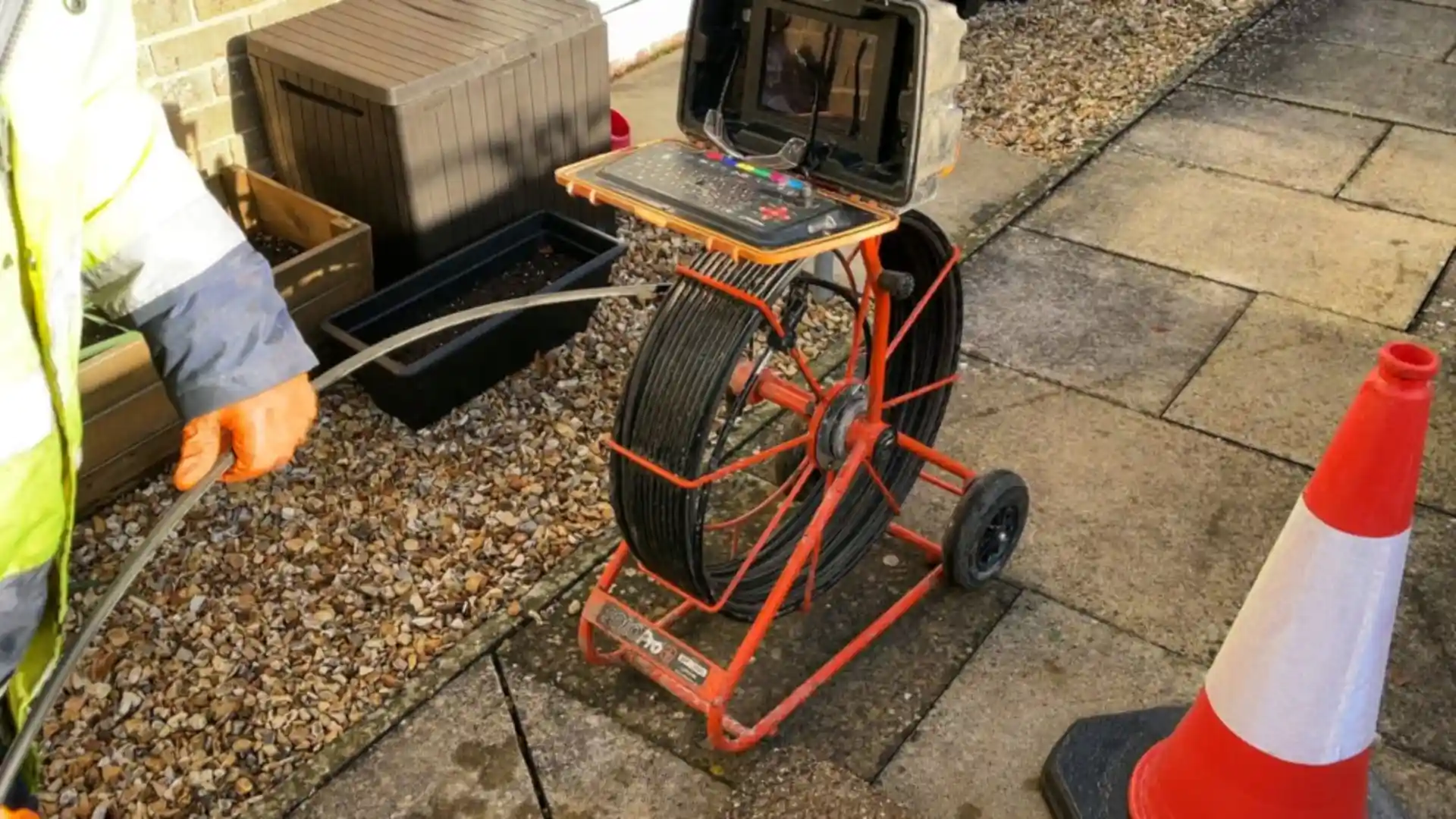
- Inserting a specialist drain camera inspection system
- Observing pipe condition in real time
- Recording findings for evaluation
- Providing recommendations based on observed evidence
This method makes it possible to do targeted assessments without bothering the property too much.
When Might A Blocked Drain CCTV Survey Be Useful?
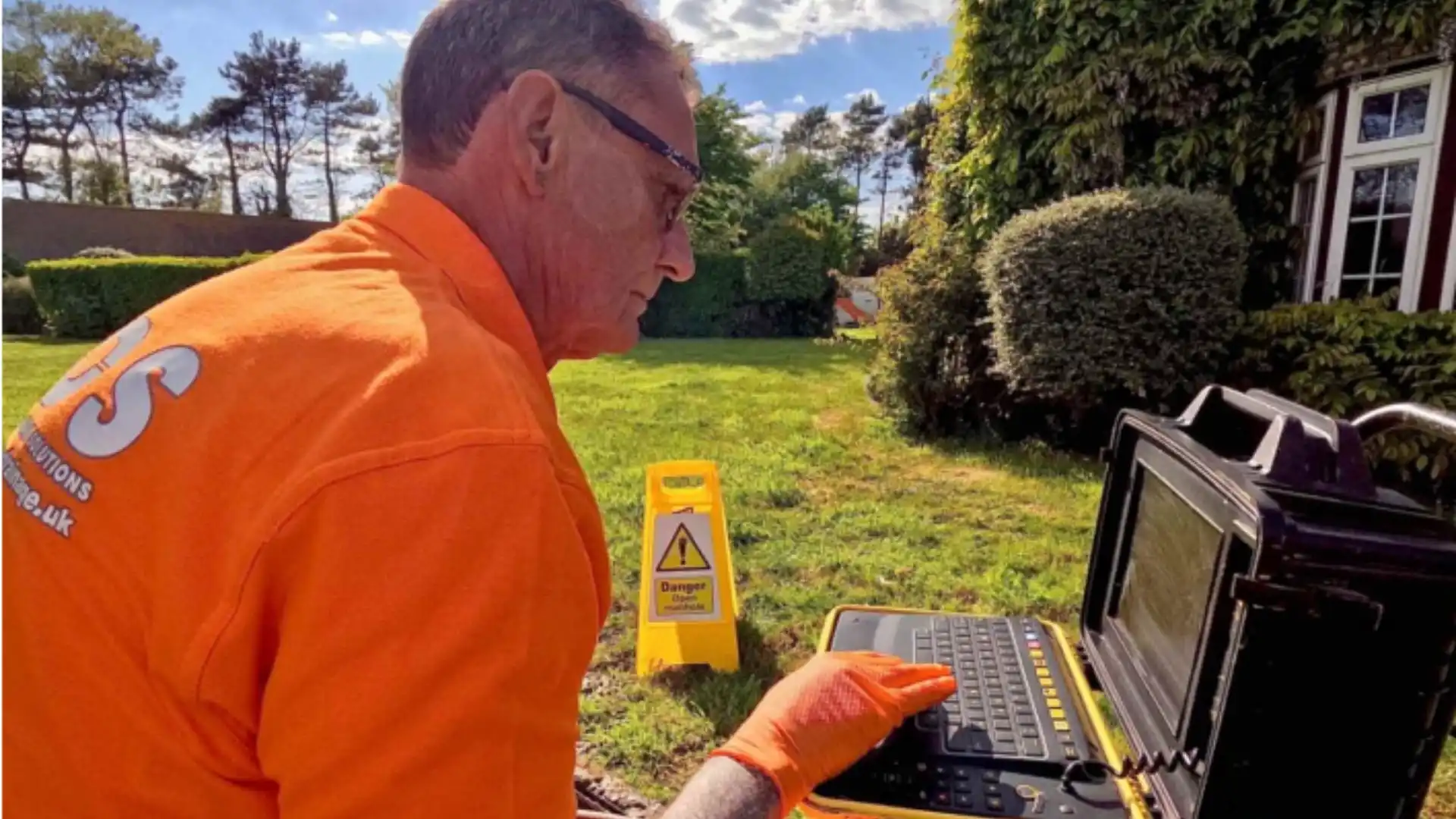
Problems with drainage can build up over time, and clearing them out repeatedly doesn’t always fix the root causes. When symptoms don’t go away or come back, a blocked drain CCTV survey might be a good idea.
Situations where inspection may help clarify the cause
- Repeated blockages despite prior clearance
- Slow drainage affecting multiple fixtures
- Unexplained odours or flow changes
- Property purchase or structural assessment
In these situations, an internal inspection helps you make smart choices about what to do next.
What Are The Benefits Of CCTV Drain Inspection?
The main benefits of CCTV drain inspection are that it is clear and accurate. When property owners can see the condition of the pipes inside, they have a better idea of how well the system is working.
Its practical advantages are
- Non-invasive evaluation
- Evidence-based diagnosis
- Reduced uncertainty about underlying issues
- Targeted recommendations
- Visual documentation of pipe condition
This structured method can help stop people from having to react over and over again when they don’t know what caused the problem.
Related Blog: Why You Need A CCTV Drain Survey
What Is The Difference Between Inspection And Reactive Clearing?
A lot of drainage responses focus on getting the flow back to normal as soon as possible. But inspection and intervention have different goals.
A drain survey helps you understand, while clearance deals with the problem right away. In certain situations, you may prioritise one over the other.
Approach | Primary purpose | When it may be appropriate |
Reactive clearing | Restore immediate flow | Sudden obstruction |
Internal inspection | Identify underlying cause | Recurring or unclear issues |
Preventative assessment | Evaluate system condition | Property maintenance planning |
How Inspections Help Make Drainage Systems Work Well For A Long Time
Before a big problem happens, drainage systems often show small warning signs. Internal evaluation can help find problems that aren’t easy to see from the outside.
What inspection may help detect
- Developing structural deterioration
- Partial obstruction within pipework
- External pressure effects on internal flow
- Conditions contributing to recurring blockages
When evidence suggests a flow restriction, recommendations may encompass targeted intervention based on inspection results.
Why Professional Assessment Focuses On Evidence
Better drainage choices depend on having the right information. Without visual inspection, it can be challenging to determine whether symptoms stem from debris, structural changes, or external factors.
A structured inspection approach enables:
- Objective understanding of pipe condition
- Reduced reliance on assumption-based solutions
- Clear explanation of system behaviour
- Practical next-step recommendations
A blocked drain CCTV survey provides you with the necessary information to fix internal issues.
Understand Your Drain Problem With Precise Drainage Solutions
Not knowing how the drainage is doing can cause problems over and over again and make people step in when they don’t need to. Precise Drainage Solutions inspects your drainage system in a structured way, writes clear reports, and makes useful suggestions based on what they see. A blocked drain CCTV survey can help you figure out what’s causing the problems and help you make smart choices if your property has recurring issues or blocked drains. Call us right away to set up your drainage consultation!
Frequently Asked Questions
1. What is a CCTV drain survey used for?
A CCTV drain survey checks the condition of the pipes inside and helps find blockages, structural problems, or flow restrictions without digging or causing trouble.
2. Is a drain camera inspection disruptive to property?
A drain camera inspection usually doesn’t hurt anything because the equipment goes through existing access points, which lets you look inside without changing the structure.
3. When should I consider a blocked drain CCTV survey?
If drainage problems keep coming back, symptoms don’t make sense, or a correct diagnosis is needed before taking action, a blocked drain CCTV survey may be helpful.
4. How long does a drain survey usually take?
Most home inspections can be done in one visit, but the size of the system and accessibility affect the length.
5. What are the benefits of CCTV drain inspection compared to guesswork?
The benefits of CCTV drain inspection include accurate diagnosis, visual evidence, and specific advice based on the condition of the system rather than guesswork.




