Often hidden from view, drainage systems can go unnoticed until they cause problems. Modern CCTV Surveys let experts look at the inside of pipes and find problems without digging them up. This procedure is a more organised way to check underground pipes.
“Did you know, According to the UK Environment Agency, blocked or poorly maintained drainage systems can cause flooding on the surface during heavy rain? These risks can be lower if you check and fix things early.
Understanding how to detect drain problems can help keep bigger structural problems from happening later. Precise Drainage Solutions helps property owners by doing drainage inspections to find out what’s wrong and then suggesting the best next steps.
Key Takeaways
- Problems with drainage systems often stay hidden underground.
- Technicians can look inside pipes without digging them up with camera inspections.
- Finding problems early on lowers the chance of serious blockages or pipe failure.
- Before making repairs, diagnosis based on inspection improves accuracy.
- Long-term reliability of the drainage system is helped by preventive monitoring.
Why a lot of drainage problems stay hidden for so long
Many drainage problems develop gradually in underground pipes. Because these pipes are hidden, the first signs of trouble are often hard to see.
Typical hidden drain problems may include:
- Hairline pipe fractures
- Tree root intrusion
- Misaligned pipe joints
- Internal scale or sediment buildup
Without inspection equipment, these problems may remain undetected until they lead to repeated blockages or system failure.
What happens during a drainage CCTV survey?
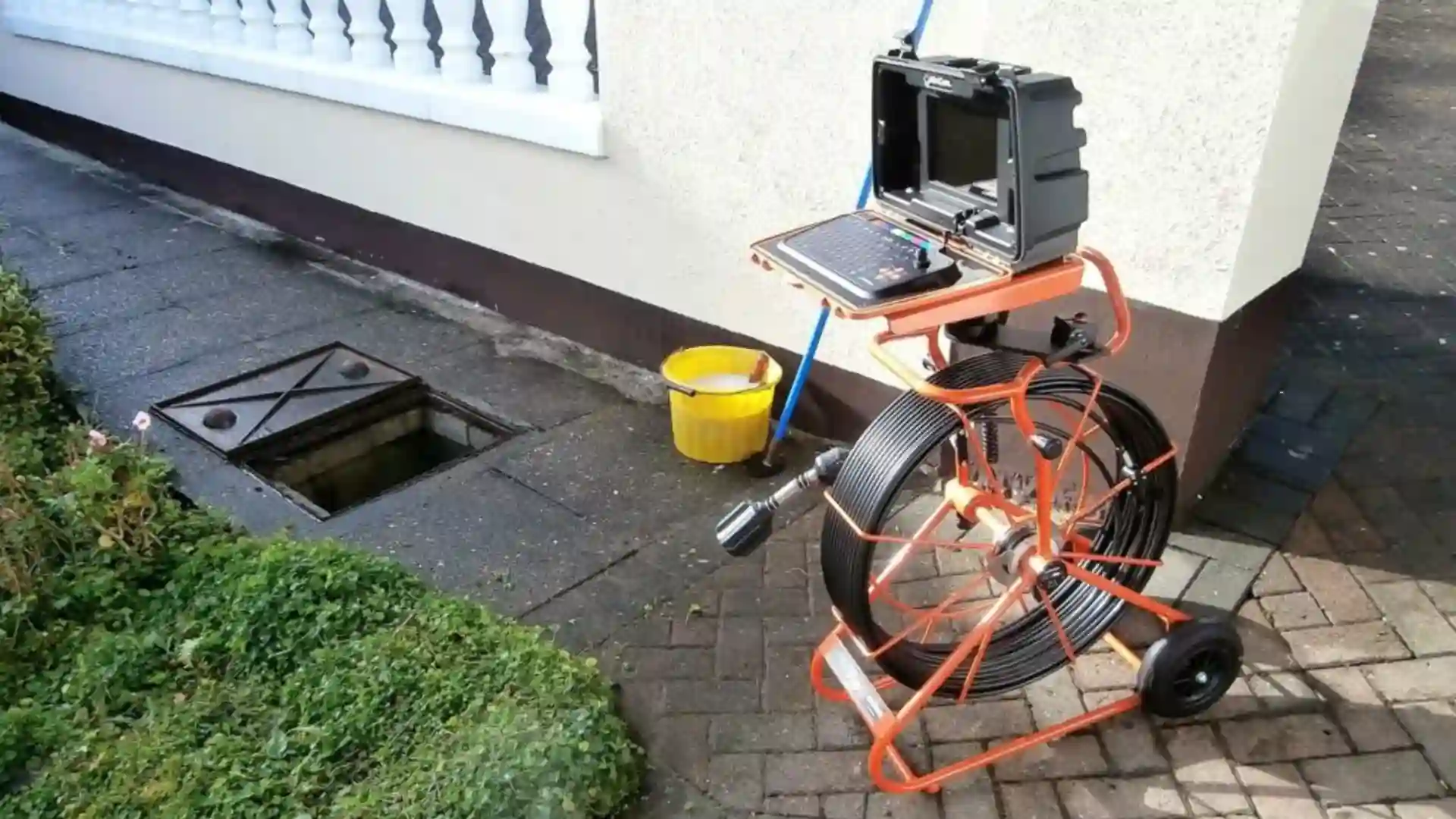
A drainage CCTV survey uses a small, waterproof camera that can be put into the pipe system through an opening that is easy to reach. The camera navigates through the pipes, transmitting live video to a monitor screen.
Using a special drain survey camera, technicians can carefully look inside pipes and find structural problems or blockages without having to dig up the ground.
This method is popular because it gives clear visual proof of how the pipes are doing.
How CCTV drain surveys work in practice
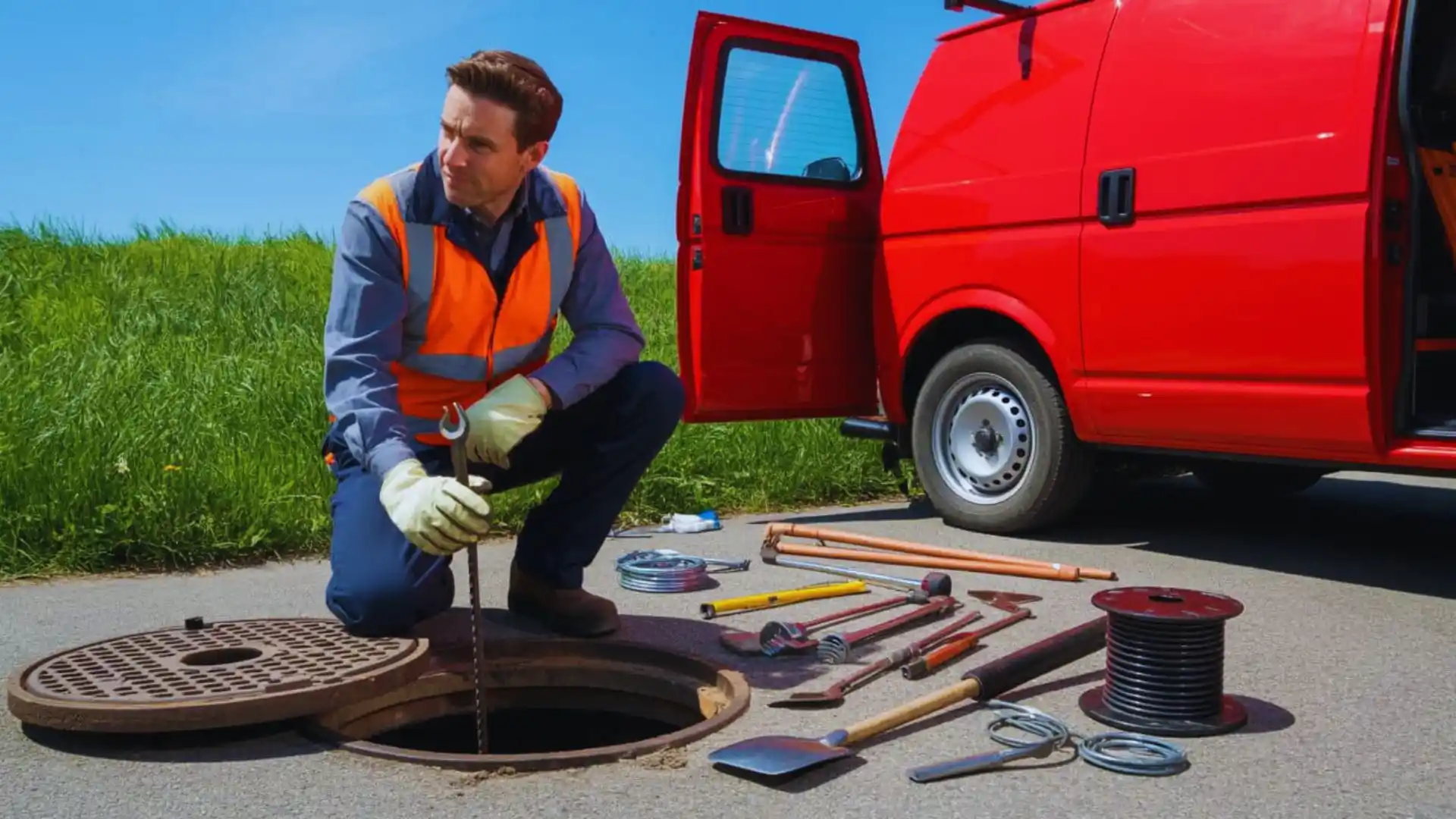
Property owners can better understand the value of this inspection method if they know how a CCTV drain survey works.
A typical inspection process may include:
- Identifying suitable drain access points
- Inserting the camera into the drainage line
- Monitoring live footage to assess pipe conditions
- Recording observations for further evaluation
- Providing recommendations based on findings
This structured process lets technicians see things that would otherwise be hidden.
What problems can a CCTV drain survey identify?
One common question property owners ask is what problems can a cctv drain survey detect. In real life, these inspections can find many problems with drainage systems.
Common results might include:
- Collapsed or cracked pipes
- Root intrusion from nearby vegetation
- Grease accumulation or sediment buildup
- Displaced pipe joints
- Obstructions within the system
By identifying these faults early, property owners may be able to prevent drain blockages lower the chance of system disruption
When is a drain inspection service most useful?
In some cases, a professional drain inspection service may be very helpful, such as when
- Unexplained foul odours from drains
- Water pooling around external drainage areas
- Property purchase surveys requiring pipe condition assessment
In these situations, CCTV surveys can show you the problem visually before you think about fixing it.
A comparison of traditional diagnosis and camera inspections
Inspection Method | Approach | Outcome |
Traditional manual checks | Surface-level observation | Limited visibility |
Camera-based inspection | Internal pipe visualisation | Detailed structural insight |
CCTV drain survey work lets technicians see inside pipes, which helps them better understand how the system is working.
How early detection helps prevent major repairs
Finding emergency drainage problems early can help keep bigger problems from happening later on.
Finding it early might help:
- Address minor cracks before collapse occurs
- Remove root intrusion before full blockage forms
- Identify sediment build-up before flow restriction worsens
This proactive approach can cut down on the need for emergency help and make it easier to plan maintenance.
Signs your drains may benefit from a CCTV survey
If property owners see any of the following, they may want to have an inspection:
- Repeated blockages in the same location
- Persistent unpleasant drain odours
- Slow drainage across multiple fixtures
- External drain overflow during rainfall
These signs may mean that there are problems with the pipes that can’t be confirmed without looking inside.
For accurate drain inspections, choose Precise Drainage Solutions
Problems with drainage can go unnoticed until they cause a lot of trouble. CCTV surveys are a useful way to check the condition of pipes early on and lower the chance of more serious structural damage. Precise Drainage Solutions offers drainage assessments that are based on inspections and are meant to find problems clearly and help with the right corrective action.
Call us right away to set up your drainage consultation!
Frequently Asked Questions
1. What is a CCTV drain survey?
A CCTV drain survey uses a small camera that is put into pipes to look at the condition of the internal drainage and find any structural problems or blockages.
2. When should a CCTV survey be carried out?
It might be helpful when drains keep getting blocked, flow slowly, or smell foul for no clear reason and need to be looked at more closely.
3. Can CCTV surveys detect hidden pipe damage?
Yes. Camera inspections can find cracks, roots that have gotten into pipes, and pipes that are out of alignment that you can’t see from the outside.
4. Do CCTV surveys require digging?
No. Most inspections are done through access points that are already there, so digging is not always necessary.
5. How long does a CCTV drain survey take?
The time it takes to inspect a system depends on its size, but most home surveys can be done in a few hours.