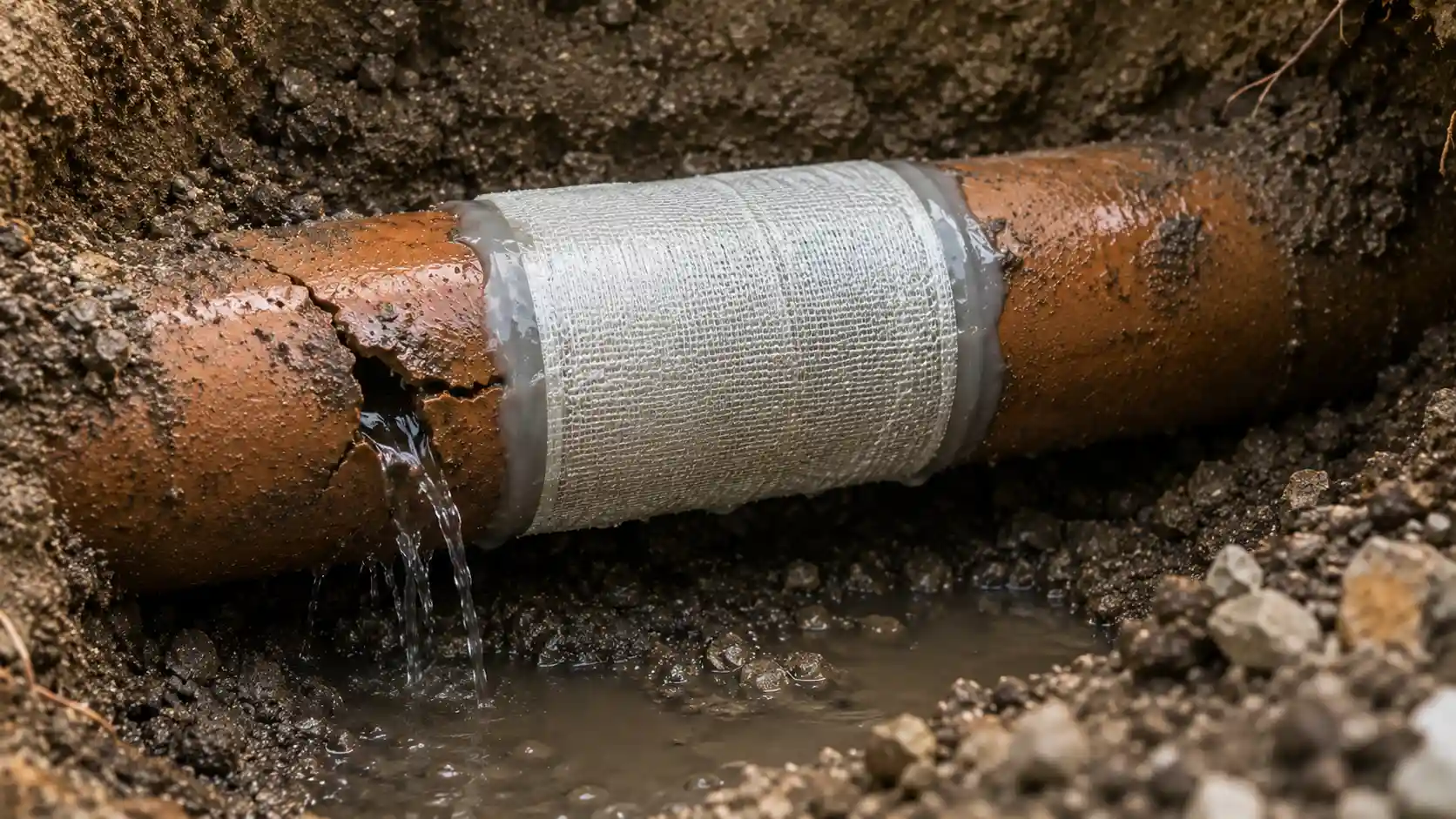
A leaking drain pipe isn’t always obvious. Some leaks produce nasty smells or damp patches, but others can go undetected under driveways, gardens or floors for months before they cause visible damage. Choosing the right drain patch repairs solution early can help to repair damaged pipework without the cost and disruption of replacing an entire drain.
“Did you know? According to the UK Environment Agency, damaged drainage systems can contribute to pollution and increase the risk of environmental contamination if leaks are left untreated. Protecting drainage infrastructure helps safeguard both properties and local watercourses.”
Most homeowners will assume a leaking drain automatically means an excavation, but modern repair techniques can often provide less disruptive options for suitable pipe defects. At Precise Drainage Solutions we understand that it is important to diagnose drainage problems accurately and recommend practical repair solutions based on the condition of the pipe.
Key Takeaways
- Ignoring small cracks in drains can lead to big problems.
- Drain patch repairs fix localised pipe damage without full replacement.
- Early checks prevent leaks, damp and expensive repairs.
- Not every broken drain has to be dug out.
- Professional assessments tell you how to repair properly.
What are drain patch repairs?
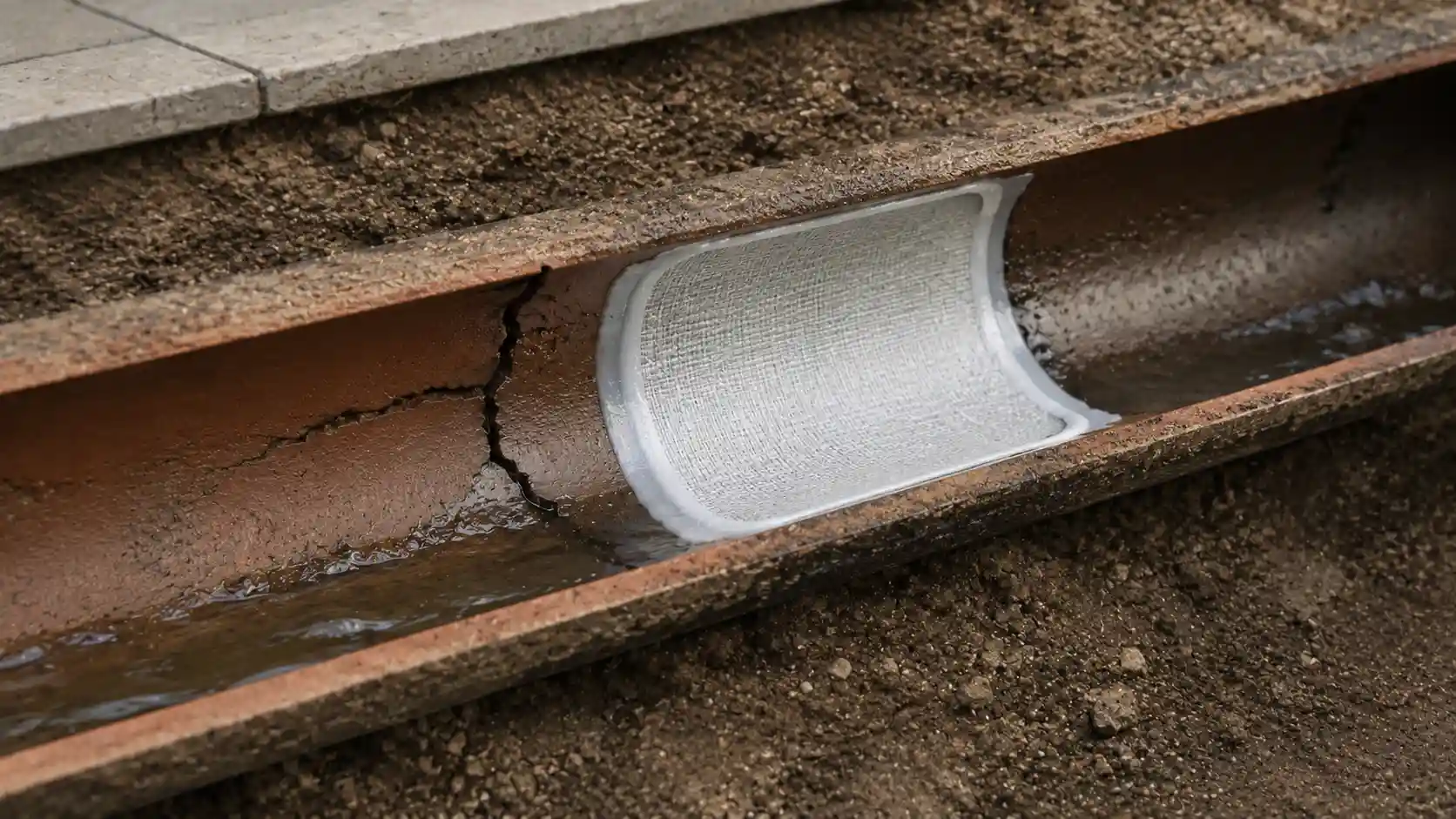
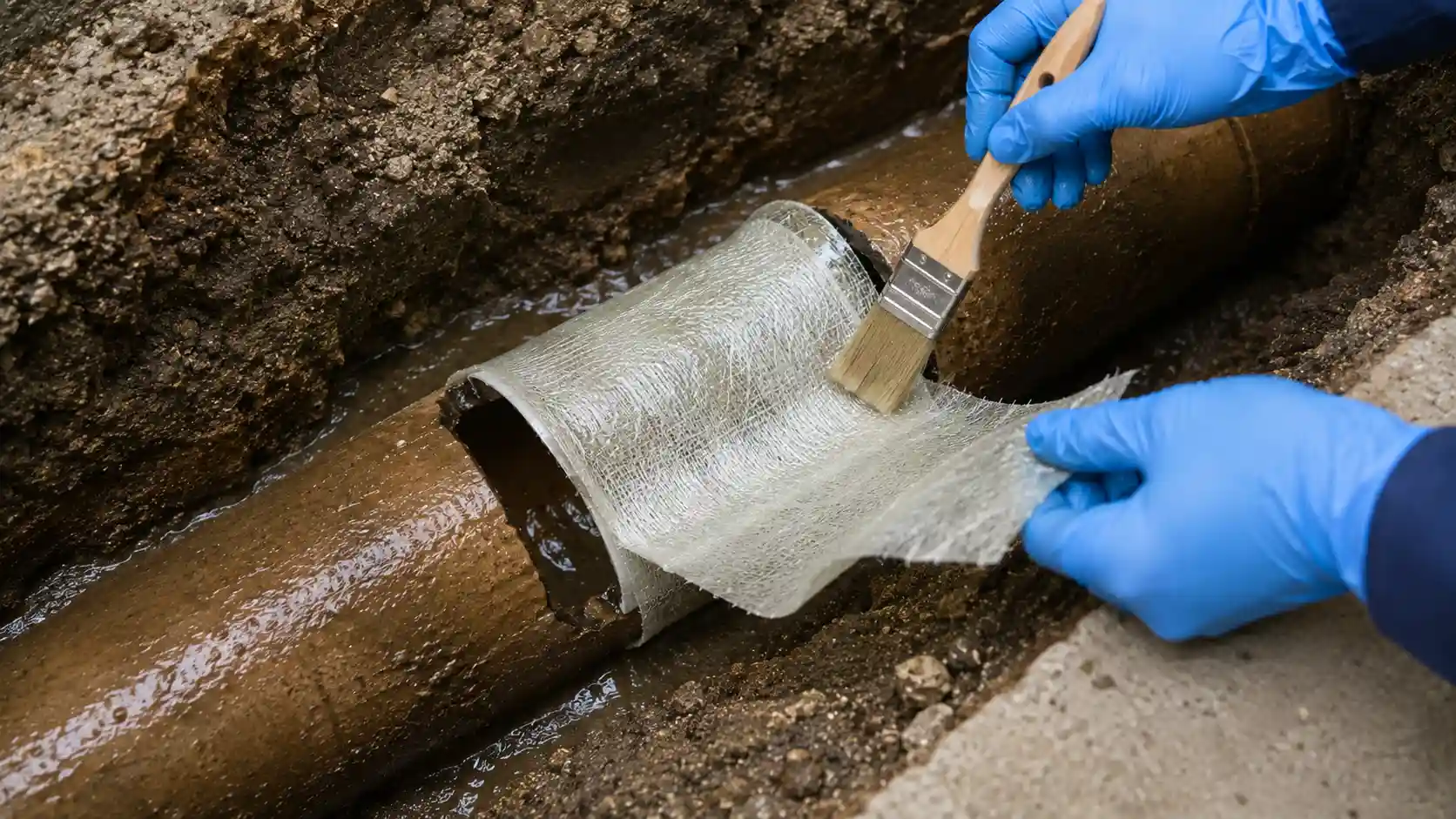
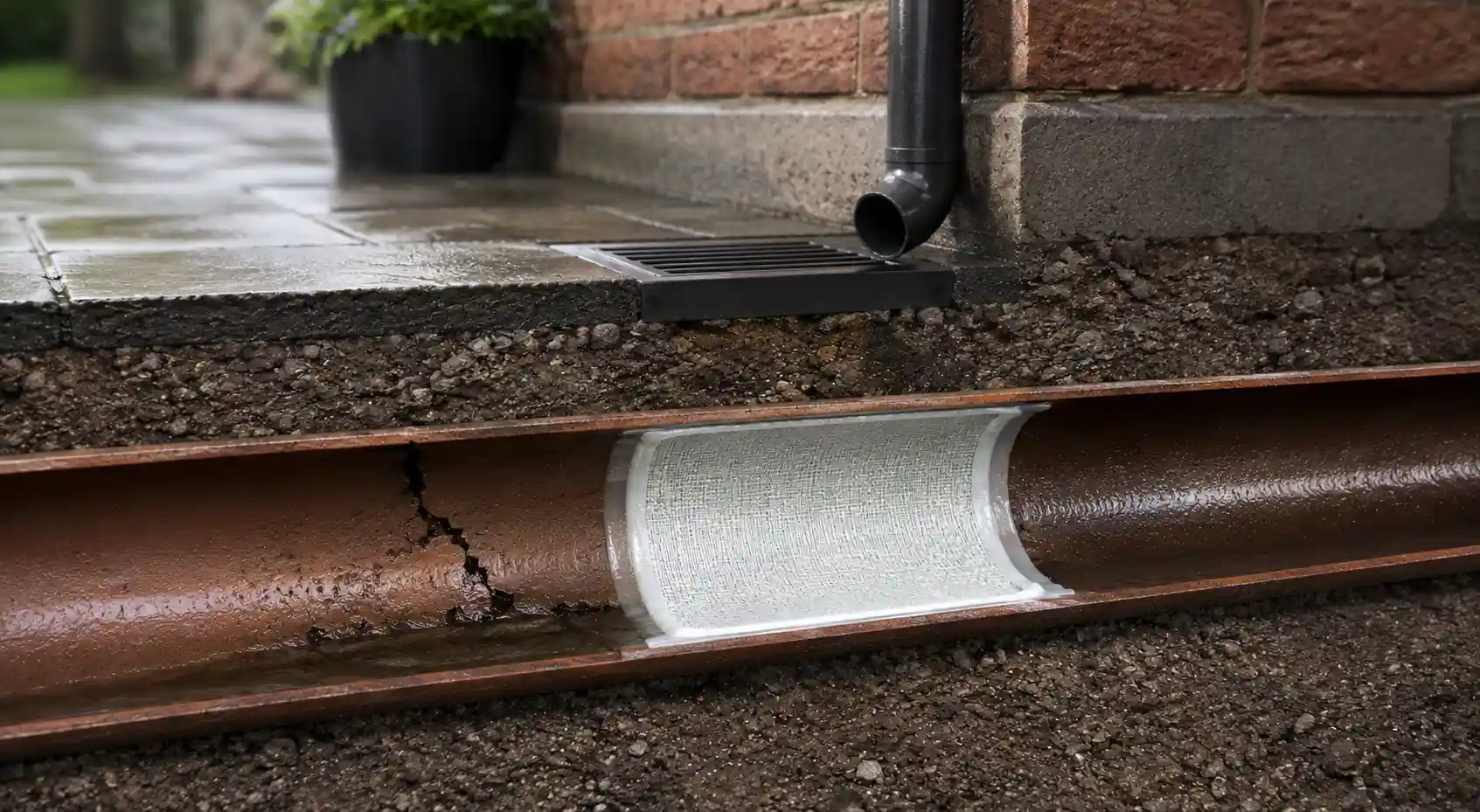
Drain patch repairs are a trenchless repair method used to seal isolated defects within an existing drain pipe. Instead of replacing the entire pipeline, a specialised repair patch is positioned over the damaged section and cured in place, creating a durable internal seal.
This approach is commonly suitable for:
- Small cracks
- Open pipe joints
- Minor root ingress damage
- Localised fractures
- Small holes causing leakage
It can often minimise disruption to surrounding landscaping or hard surfaces, as only the affected section is repaired.
What signs suggest your drain pipe may be leaking?
Hidden drainage damage often develops gradually.
Watch for warning signs such as the following:
- Persistent damp patches
- Unpleasant drain odours
- Slow-draining fixtures
- Unexpected sinkholes
Water pooling outdoors - Repeated drain blockages
These are not necessarily signs of a damaged pipe, but they are signs that the drainage system needs to be professionally assessed.
Why replacing the whole pipe isn't always necessary
Many drainage problems happen in a short section of pipe.
If the rest of the pipeline is in good structural condition, it may be more practical to repair the isolated defect rather than replacing the entire drainage run.
Potential benefits include the following:
- Less excavation
- Reduced disruption
- Faster completion
- Preservation of existing surfaces
- Targeted structural repair
How to fix it right always depends on what the existing drain looks like after a professional inspection.
What affects drain patch repair cost?
Repair costs vary and are not fixed. There are several factors that matter.
These include:
- Pipe diameter
- Depth of the drain
- Ease of access
- Number of damaged sections
- Overall pipe condition
- Whether additional cleaning or inspection is required
Every drainage system is different, and professional cctv surveys will give you the most accurate assessment before any repair work begins.
Can you use a drain patch repair kit yourself?
There are DIY products for some plumbing jobs, but underground drainage repairs are much more complex.
The success of repairs depends on:
- Correct defect identification
- Thorough pipe cleaning
- Accurate positioning
- Proper curing techniques
- Suitable equipment
Without finding the real cause of the leak, temporary repairs may not fix it and may even worsen it.
How do professionals identify hidden damage?
Before recommending repairs, drainage specialists typically inspect the inside of the pipe using specialist camera equipment.
A professional survey helps identify:
- Exact defect location
- Crack size
- Root intrusion
- Pipe deformation
- Joint separation
- Additional hidden issues
This information allows engineers to determine whether patch repairs are suitable or whether another repair method would be more effective.
When are drain relining patch repairs the right choice?
Not all damaged drains need a full reline.
For isolated defects affecting otherwise healthy pipework, drain relining patch repairs. can provide a targeted solution by reinforcing only the damaged area while preserving the remaining structure.
However, if defects extend along long sections of pipe or multiple structural failures exist, a different rehabilitation method may be recommended following inspection.
The correct repair should always be selected based on the overall condition of the pipe and not just the visible symptoms.
How can you help prevent future drain damage?
Preventative maintenance plays an important role in extending the lifespan of your drainage system.
Simple habits include:
- Avoid disposing of grease down sinks.
- Never flush wipes or sanitary products.
- Remove leaves from outdoor drains.
- Address slow drainage promptly.
- Arrange inspections if recurring problems occur.
Regular maintenance helps identify developing issues before they become expensive repairs.
Restore Damaged Drains with Precise Drainage Solutions
Don’t let a small drain leak turn into a costly repair. Precise Drainage Solutions provides expert drain patch repairs to restore damaged pipework with minimal disruption. Contact our team today for a professional assessment and lasting drainage solutions.
Frequently Asked Questions
1. How long do drain patch repairs typically last?
When professionally installed on suitable pipework, drain patch repairs can provide a durable long-term solution while restoring the structural integrity of isolated damaged sections.
2. Can every leaking drain be repaired with patch lining?
No. Patch repairs are best suited for localised defects. Extensive structural damage may require alternative repair techniques following a professional drainage inspection.
3. Is excavation always required for leaking drains?
Not necessarily. Many isolated drainage defects can be repaired internally using trenchless techniques, reducing disruption compared with traditional excavation methods.
4. How is hidden drain damage usually detected?
Drainage specialists commonly use CCTV inspections to locate cracks, joint failures, root intrusion, and other defects that are not visible from the surface.
5. Should I repair a small drain leak immediately?
Yes. Even minor leaks can gradually worsen, increasing the likelihood of property damage, soil erosion, unpleasant odours, and more expensive repairs later.