Typically, a drainage emergency does not happen suddenly and unexpectedly. Normally, drains exhibit various minor symptoms of malfunction even before they get completely clogged. Sadly, people tend to disregard these early signs until the situation disrupts them and costs a lot to fix.
“Did You Know? According to Surfers Against Sewage, sewage-contaminated water can contain harmful bacteria, viruses, and parasites that may pose risks to human health.
We at Precise Drainage Solutions often assist residential and commercial properties in pinpointing their drainage problems even before they escalate into big issues. Understanding the symptom of a blocked drain pipe can save you from sudden inconvenience and emergency repairs.
Key Takeaways
- Clogged drains usually give you signs before turning into emergencies.
- Don’t ignore slow drainage and unpleasant smells.
- Multiple drainage issues occurring at the same time may indicate a larger problem.
- The best medicine for expensive repairs and property damage is prevention.
- Professional inspections can reveal hidden drainage problems before they get serious.
What Are the First Signs of a Blocked Drain?
Most blockages are built up over time as grease, debris, scale, roots or other materials accumulate inside the pipework. Most drains will give subtle warning signs long before they become completely clogged, indicating that something is interfering with the normal flow of water.
Typical early warning signs include:
- Water draining more slowly than usual
- Gurgling sounds from sinks or drains
- Unpleasant odours
- Minor backups after heavy usage
- Water pooling around external drains
Recognising these symptoms early often allows you to address problems before they become more serious.
Pay Attention to Changes in Drainage Performance
Notice Your Plumbing Changes Slowed drainage is one of the very first signs that blockage is forming.
Water staying longer in sinks, showers, bathtub, or floor drains could be a sign that somewhere in the system flow is impeded. Frequently a slow decline in the performance is less noticeable than a total blockage, but it can act as a useful warning that maintenance or a probe might be needed.
Are Strange Sounds Coming from Your Drains?
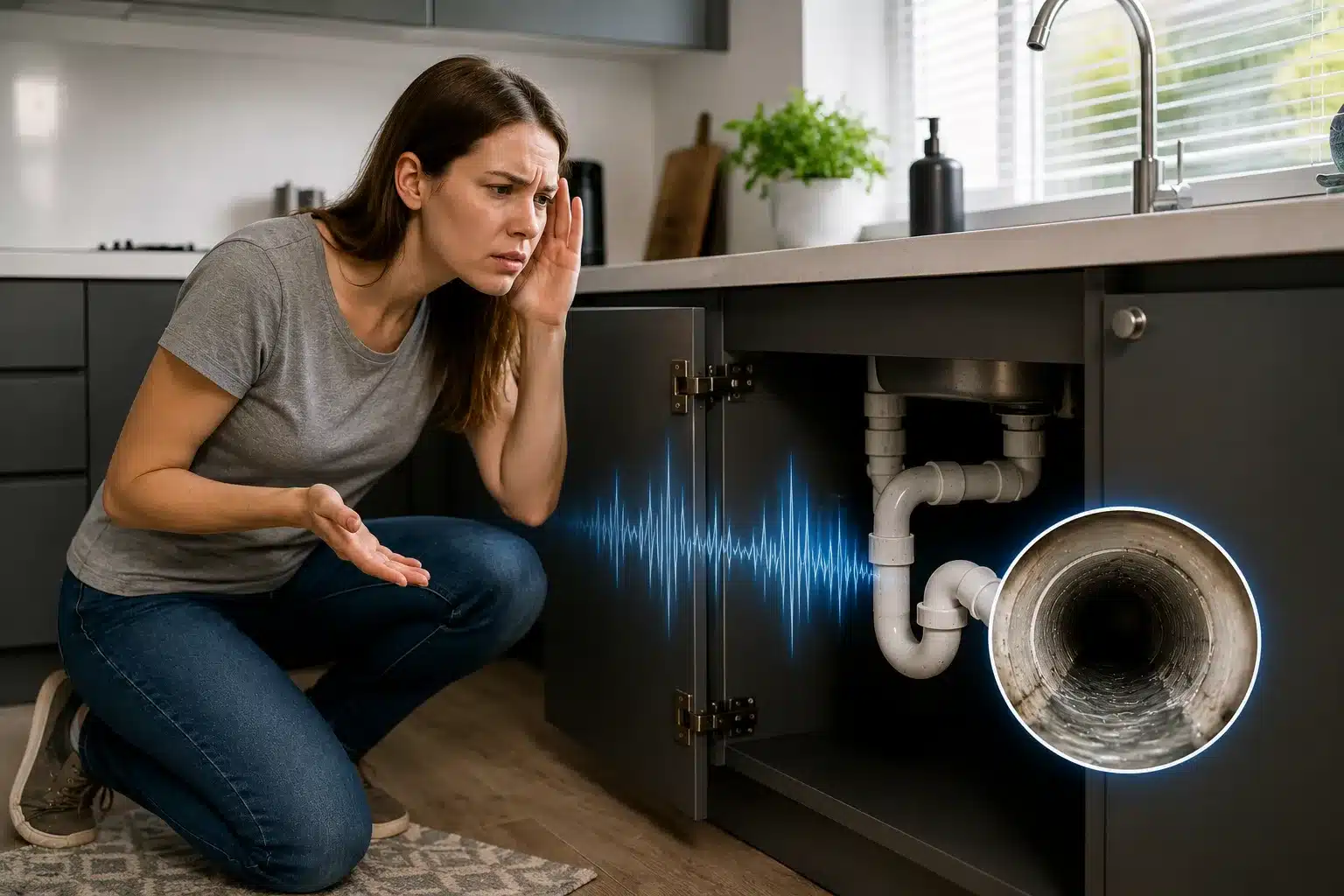
Normally, a reliable drainage system works without making any noise. But, if you start hearing gurgling, bubbling, or strange suction sounds, it might be a sign that air is trapped due to a blockage that is forming in the pipes.
These noises are made when wastewater has a difficult time flowing smoothly through the drainage pipes. Although one-off or rare noises may not necessarily mean there is a problem, constant noises should definitely not be disregarded.
Could Unpleasant Odours Be a Warning Sign?
Unpleasant odours that linger around sinks, drains, gullies, or inspection chambers most of the time are usually a tell-tale sign of drainage issues.
When waste builds up in the pipes, it can start to emit foul smells which, if left, gradually get worse. Many people at first ignore the stink, but actually, it is a clear sign that there is some problem with the drainage system not operating effectively.
What If More Than One Drain Is Affected?
One slow-draining fixture typically points to a localized clog or problem in that specific area. Still, if you start to see multiple drains giving you trouble one after another, it might be a bigger problem.
For example, you may notice:
- A sink draining slowly
- A toilet struggling to flush
- A shower backing up unexpectedly
These combined symptoms can sometimes indicate a blocked main drain pipe affecting a larger section of the drainage network. When several fixtures are impacted at once, professional investigation is often advisable.
How Can You Tell If the Problem Is Getting Worse?
Usually, drainage problems develop little by little until it is too late.
If a blockage is getting worse, some of the signs could be:
- Water backing up into fixtures
- Overflowing external drains
- Persistent odours
- Frequent recurring blockages
- Visible standing water near drainage points
When most of these symptoms happen at the same time, the chance of a major breakdown and property damage is very high.
Should You Try Clearing the Blockage Yourself?
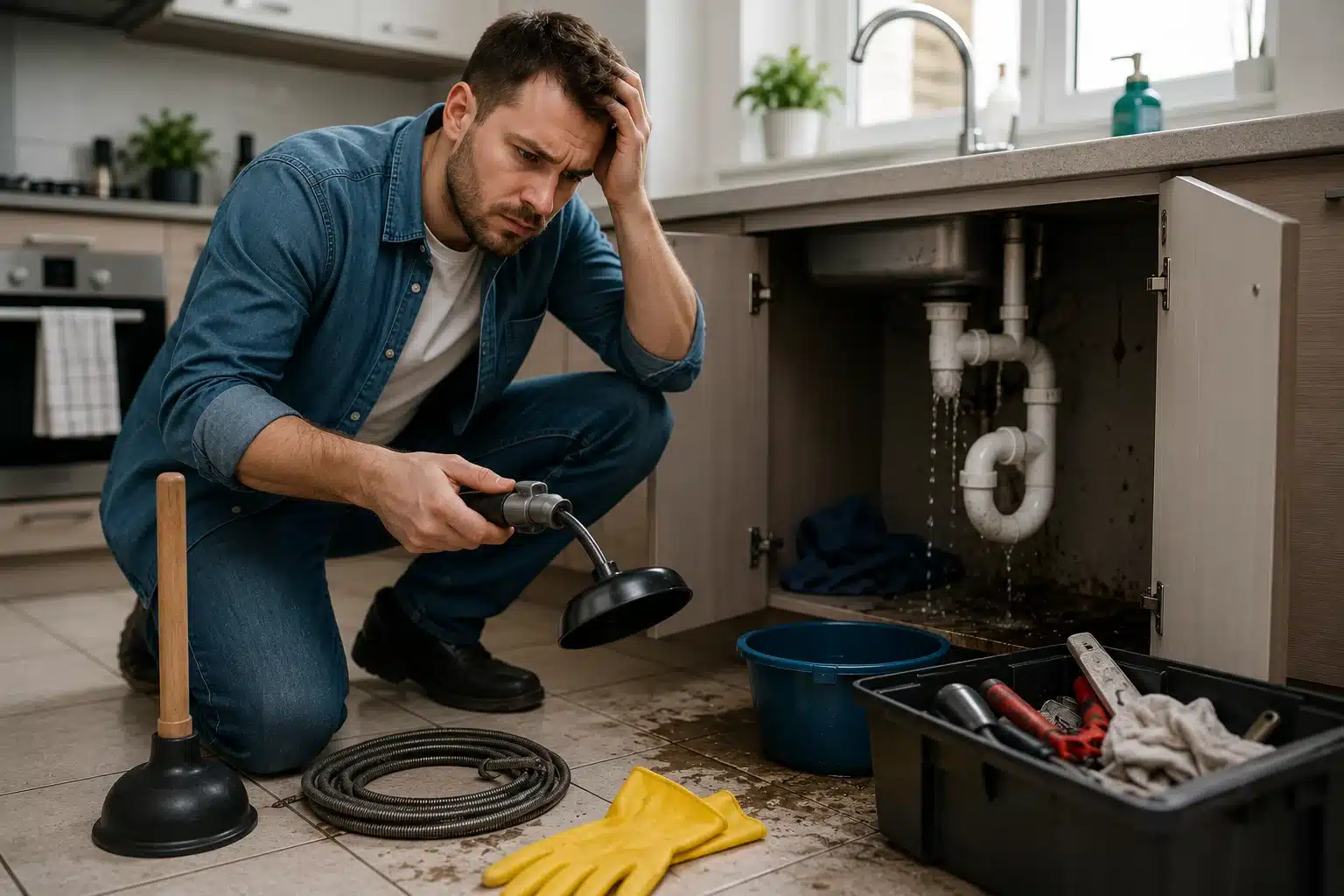
Many homeowners search online for how to clear blocked drain pipe issues before contacting a specialist.
Although minor clogs can be solved sometimes by basic maintenance procedures, continuously managing symptoms without knowing the real cause will likely lead to the deterioration of problems.
Consistent clogging, ongoing drainage problems, or signs of structural damage usually warrant a professional evaluation to implement the right solution.
What About Kitchen and Bathroom Drains?
Several clogs, in fact, do not come from the primary sewer system at all.
A blocked sink drain pipe often results from grease, soap scum, food bits, hair, and other daily residues that get stuck in the pipes. Such problems may appear to be trifling at the beginning of the time, but with the passage of time, if the fish bones are repeatedly found, the occurrence can be an indication of a bigger drainage issue.
Keeping track of patterns and persistent signs can help determine whether the problem is a one-off or part of a bigger issue in the drainage system.
How Do Professionals Identify Hidden Problems?
If the main signs are not clear or the problems keep coming back, in most cases the professional examinations give the real, truthful results.
Drainage specialists may use:
- Drain tracing equipment
- High-pressure water jetting
- Structural condition assessments
These instruments not only precisely locate the problem but also reveal its cause, thereby enabling evidence-led suggestion instead of mere speculation.
This method is often considered the best way to clear blocked drain pipes when the source of the blockage is unknown or recurring.
Why Acting Early Can Save You Money
Often, property owners wait until the drain is fully blocked before they call in a professional. Unfortunately, at that point, the problem might have escalated, becoming a lot more costly and disruptive to fix.
Taking action as soon as you notice a problem can help you:
- Prevent emergency callouts
- Reduce repair costs
- Minimise disruption to daily activities
- Protect surrounding property
- Improve long-term drainage performance
Many people who wonder how to tell if a drain is blocked tend to focus only on severe symptoms. Actually, spotting the early warning signs usually offers the best chance of preventing a total drainage crisis.
Spot Drain Problems Early with Precise Drainage Solutions
You can often avoid drainage emergencies by spotting the signs early. Slow drainage, foul smells, strange noises, frequent blockages, and several affected fixtures usually give clear indications that something is wrong underneath. Doing something before the problem gets worse helps to stay away from unnecessary disturbances, damages to the property, and expensive repairs.
Precise Drainage Solutions helps homeowners and businesses to quickly and effectively remove drainage problems before they turn into major issues. If you are checking for recurring symptoms, dealing with a suspected blockage, or need expert advice, our skilled team is here to help.
Contact Precise Drainage Solutions now to protect your drainage system.
Frequently Asked Questions
1. What is usually the first sign of a blocked drain?
Slow drainage is often the earliest warning sign, indicating that water flow is becoming restricted somewhere within the drainage system.
2. Can a blocked drain become an emergency?
Yes. Untreated blockages can worsen over time and may eventually lead to flooding, sewage backups, or significant property disruption.
3. Are bad smells always caused by blocked drains?
Not always, but persistent odours often indicate trapped waste, restricted flow, or other drainage issues that require investigation.
4. Should I ignore occasional gurgling noises?
Persistent gurgling sounds may indicate developing blockages or ventilation issues and should be monitored if they occur regularly.
5. When should I call a drainage specialist?
Seek professional assistance if symptoms persist, multiple drains are affected, or blockages repeatedly return after temporary fixes.