Have you ever wondered what type of drainage pipes are buried beneath your home? If you live in an older UK property, your drainage system may contain pitch fibre drains, which were widely used in the mid-20th century because they were lightweight and affordable.
However, as these pipes age, they can become weak, distorted, or damaged. Knowing how to identify them can help you spot potential problems early and understand when a professional inspection may be needed.
What Are Pitch Fibre Drains?
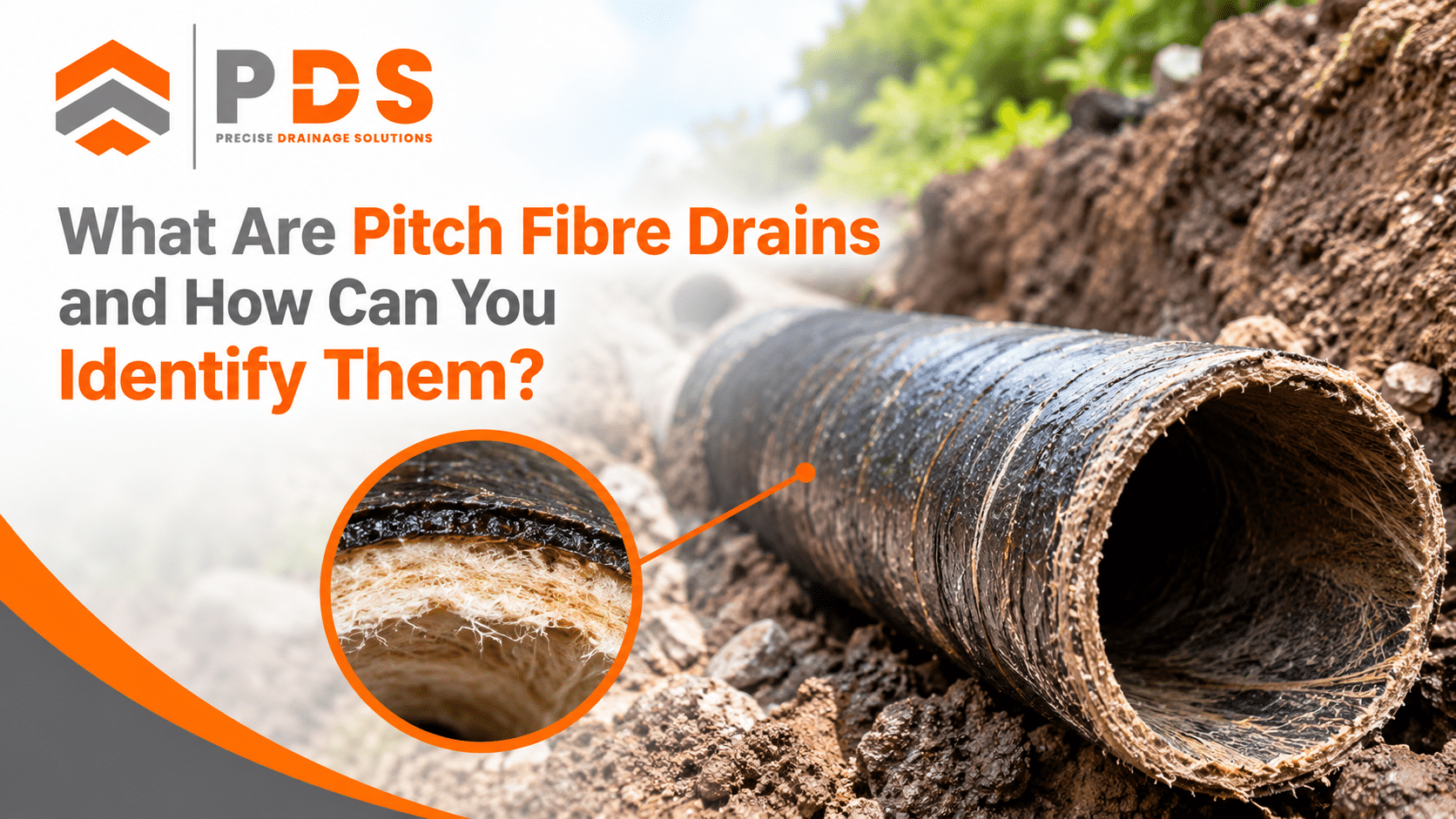
Pitch fibre pipes are drainage pipes made from wood cellulose fibres combined with coal tar pitch. This material was widely used in UK drainage systems during the mid-20th century because it was lighter and easier to handle than many traditional pipe materials.
At the time, these pipes offered a practical and affordable solution for moving wastewater away from homes and buildings.
However, pitch fibre does not have the same long-term strength as modern drainage materials. Over the years, exposure to wastewater, pressure from surrounding soil, and natural material deterioration can affect the pipe’s shape and condition.
As a result, older installations may develop problems that need professional attention.
How Can You Identify Pitch Fibre Pipes?
If your home was built several decades ago, its original drainage system may contain pitch fibre pipes. However, the age of a property alone cannot confirm which material was installed.
Here is how to identify pitch fibre pipes and understand whether your drainage system may need closer inspection.
1. Check Your Property’s Age
Homes built or fitted with drainage systems during the 1950s, 1960s, and 1970s are more likely to have pitch fibre pipes.
Check old drainage plans, building records, or previous repair documents to identify the materials used. However, pipes may have been replaced over time, so older records may not show the current system.
2. Check the Pipe’s Colour
Pitch fibre pipes are usually dark grey or black, while clay pipes are often reddish-brown or orange. However, colour alone cannot confirm the pipe material.
Avoid digging up pipes yourself. A drainage professional can use a CCTV drain survey to identify the material and assess its condition more accurately.
3. Look for Drainage Problems
Slow drains, repeated blockages, and unusual gurgling sounds can indicate drainage issues. If your property has older pipes, these symptoms may be linked to pitch fibre pipe problems, such as pipe deformation, internal damage, or waste build-up.
Keep track of recurring symptoms rather than repeatedly treating each blockage as a separate issue. This can help a drainage specialist identify the underlying cause.
Why Do Pitch Fibre Pipes Deteriorate?
Pitch fibre pipes can deteriorate because of their material composition and the conditions surrounding them. Although they may perform well for years, ageing can gradually affect their strength and shape.
Common causes include:
- Water absorption: Prolonged exposure to moisture can contribute to changes in the pipe material.
- Soil pressure: The weight of the surrounding ground can put pressure on weakened pipes.
- Poor installation: Incorrect alignment or inadequate support may increase stress on the pipe.
- Ageing materials: The pipe structure can become less reliable over time.
- Previous damage: Ground movement or earlier repairs may affect the pipe’s condition.
What Problems Can You Notice Around Your Home?
Recognising early warning signs can help you arrange an inspection before a drainage issue becomes more disruptive.
Look out for the following symptoms:
- Repeated blockages: Wastewater keeps draining slowly, even after the drain has been cleared.
- Bad smells: Persistent sewage odours may suggest a blockage, leak, or damaged pipe.
- Gurgling noises: Unusual sounds from plugholes or toilets may indicate restricted drainage or ventilation problems.
- Water backing up: Wastewater returns through toilets, sinks, or other drainage points.
- Wet patches outdoors: Unexplained damp areas near underground drainage routes may indicate a leak.
- Sunken ground: Changes in the ground above a drain may sometimes point to a leaking or damaged pipe.
These are possible pitch fibre pipe collapse signs, but none confirms a collapse on its own. Other drainage faults can produce similar symptoms.
If several warning signs appear together, arrange a professional inspection. If sewage backs up into your home, reduce water use and seek urgent drainage assistance.
Wondering if your property has pitch fibre drains? Contact our drainage experts today!
How Are Pitch Fibre Pipes Different From Clay Pipes?
When comparing pitch fibre vs clay pipes, the main differences are their materials, weight, durability, and typical failure patterns.
Feature | Pitch fibre pipes | Clay pipes |
Material | Cellulose fibres and coal tar pitch | Fired clay |
Appearance | Usually dark grey or black | Often reddish-brown or orange |
Weight | Lightweight | Heavier |
Common ageing issues | Deformation, blistering, and collapse | Cracks, fractures, and displaced joints |
Repair considerations | May require specialist rehabilitation or replacement | May require joint repairs, relining, or replacement |
Clay pipes can also deteriorate and develop serious faults. Their condition depends on factors such as installation quality, ground movement, and joint integrity.
Both materials can remain functional for many years when properly installed and maintained. A CCTV survey can help determine the actual condition of the pipe rather than relying on its material or age alone.
What Are the Repair Options for Pitch Fibre Drains?
The right repair depends on the pipe’s condition, the extent of the damage, and whether the drain can be restored safely.
Common pitch fibre drain repair options include the following.
CCTV Drain Survey
A CCTV survey uses a specialist camera to inspect the inside of the pipe. It can help identify deformation, cracks, blockages, and other defects without unnecessary excavation.
The findings allow the drainage specialist to recommend a suitable repair.
Drain Relining
Relining may be suitable when the pipe’s shape and condition allow a new lining to be installed successfully. This creates a new internal surface and can help restore the pipe’s function without digging up the entire drainage route.
However, severely deformed or collapsed pipes may not be suitable for this method.
Pipe Replacement
If a pipe is badly damaged, extensively distorted, or beyond practical repair, replacement may be the most suitable option.
Depending on access and the location of the damage, work may involve traditional excavation or a suitable trenchless replacement method.
A professional assessment is important because not every repair method works for every pitch fibre installation.
Need professional pitch fibre drain inspection? Call our drainage experts now!
How Can You Reduce the Risk of Drainage Problems?
Although you cannot prevent normal material ageing, sensible maintenance can help you identify developing issues earlier.
Follow these practical steps:
- Arrange a professional inspection if your property has older drainage and recurring problems.
- Avoid flushing wipes, sanitary products, cooking grease, or other unsuitable materials.
- Do not use harsh drain chemicals repeatedly to deal with persistent blockages.
- Keep records of previous repairs, surveys, and recurring drainage symptoms.
- Investigate unusual sewage smells, wet ground, or repeated wastewater backups promptly.
If you are buying an older property, consider including a drainage survey in your checks, particularly when the drainage material or maintenance history is unknown.
Arrange a Professional Drainage Inspection
If you suspect your property has ageing pitch fibre drains, a professional inspection can help you understand their condition and identify any developing problems.
At Precise Drainage Solutions, we can assess your drainage concerns and explain the practical options available. Contact our team to arrange an inspection and get clear advice on the next steps for your property.
Key Takeaways:
- Pitch fibre pipes were widely used in UK drainage systems during the mid-20th century.
- Older homes may contain these pipes, but property age alone cannot confirm the material.
- Dark colouring and repeated blockages can provide clues, but a professional inspection is more reliable.
- Deformation, blistering, and collapse can restrict wastewater flow or cause drainage failure.
- CCTV surveys help determine whether relining, replacement, or another repair is appropriate.
Frequently Asked Questions
1. How long do pitch fibre drains last?
Pitch fibre drains can last for several decades, but their lifespan depends on installation, ground conditions, and maintenance. Older pipes may become weak or distorted over time, so a professional inspection can help assess their condition.
2. Are pitch fibre pipes still used in the UK?
Pitch fibre pipes are mainly found in older UK properties. Modern drainage systems typically use materials such as PVC or other suitable plastics because they offer better long-term durability.
3. Can pitch fibre pipes be repaired without digging?
Yes, in some cases. Drain relining can repair suitable pipes without extensive excavation. However, severely damaged or collapsed pipes may need to be replaced.
4. How do I know if my pitch fibre drain is collapsing?
Repeated blockages, slow drainage, wastewater backups, and unexplained wet patches may indicate pipe damage. A CCTV drain survey can identify deformation or confirm whether the pipe has collapsed.
5. Should I replace pitch fibre pipes in an older home?
Not always. If the pipes are in good condition and work properly, immediate replacement may not be necessary. A professional inspection can help determine whether monitoring, repair, or replacement is the best option.